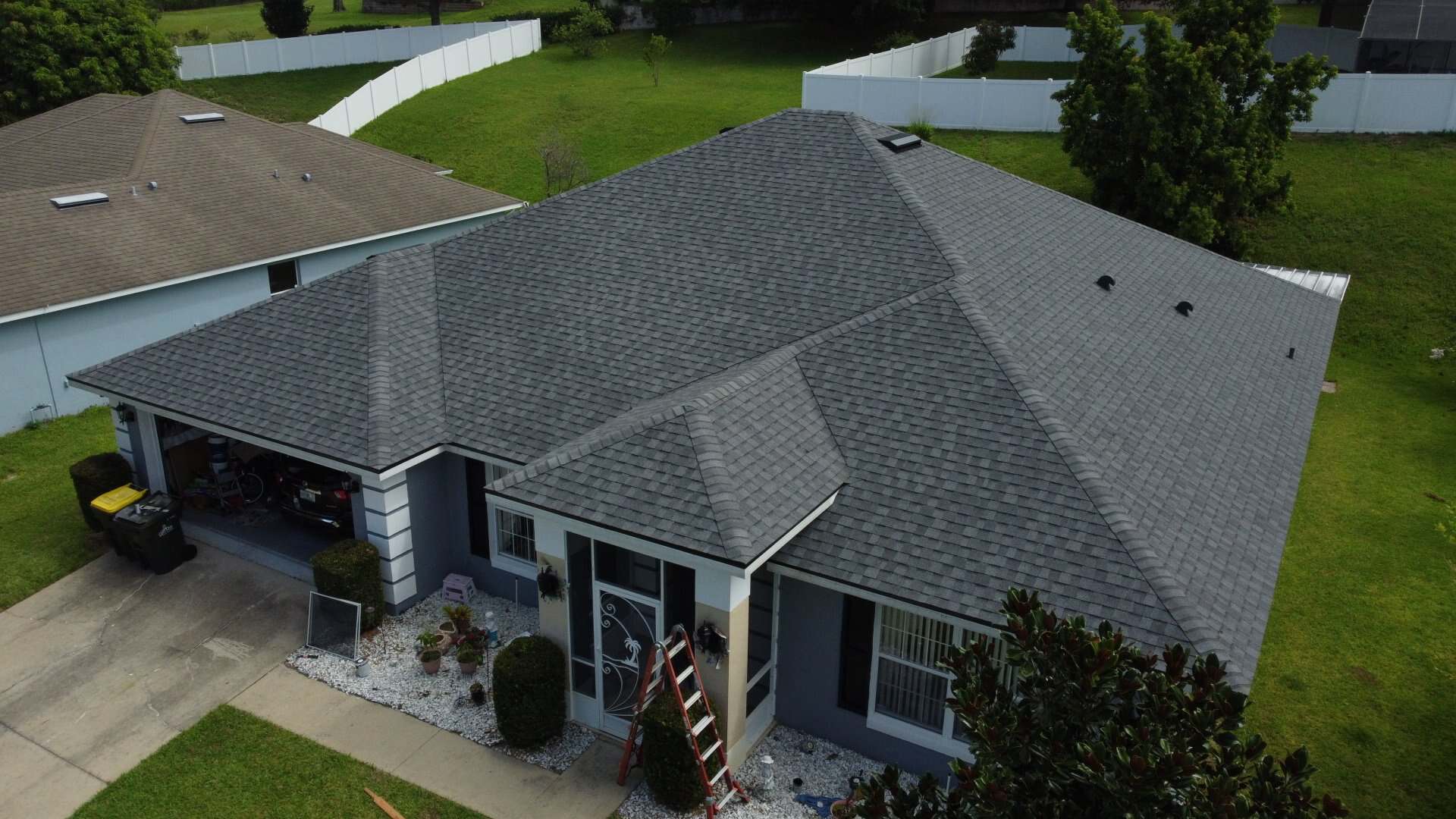
In Search of Roofing Services in Clermont Florida?
APC Roofing takes on anything from a checkup to a full replacement, on shingle, metal and tile alike.
Phone 407-270-1129, and a roofer arranges a visit to the house.
What Keeps a Roof Working: a Plain Guide
The surface a passerby notices is only the outer layer, and a moisture barrier, sheathing and framing sit underneath. Strips of flashing cover the gap at a chimney, a pipe or a valley, and a leak at that spot rarely points to failed shingles nearby.
Ventilation in the attic ranks as one more working part of the roof, since trapped summer heat bakes the deck from underneath. A drip inside a bedroom can come from any level of the roof, so attention paid only to the outside can miss where the water entered.
What a Roof Does for a House: Quiet but Constant
The slope on the building sends runoff toward the gutters, while nails and seal strips resist the pull of gusts. The rafters and the deck carry the weight overhead, snow included at the colder end of our territory, and openings low and high let moisture escape the attic.
Shedding water is the covering's task, and resisting wind is the fastening's job, and holding the whole thing up falls to what is underneath. Trouble in one element tends to show up far from the original problem, so the trail gets followed back before anything gets mended.
Small Components on a Roof: Not All Equal
The shingled field is built to last for decades, but the gasket around a vent pipe hardens within a fraction of that span. Rain finds a way down past the weak point, and a ring shows up on the drywall beneath.
A line of caulk at a chimney shrinks with every hot season, and aluminum flashing pits at the bends in salt air. Hip and ridge caps open at the center crease, since the peak catches more weather than the rest of the roof.
A Walk Around the Property Beforehand: Before Anyone Climbs
Seen from the sidewalk, the shape of the roof shows dips, sags and wavy planes, and the eave boards and downspouts can be sized up as well. Good binoculars show up torn collars, lifted tabs and bare patches, though some faults cannot be judged without climbing onto the roof.
On the slope, a roofer works over every pipe connector and traces each flashing run, and the shingles are checked for brittleness and thin spots. A rain-slicked or very steep covering stays off limits underfoot, and the view comes instead from a ladder at the gutter line.
The Underside of a Roof: Clues From Below
A watermark on the decking shows where rain has gotten in, and a soft, wet feel means the entry point is still open. Sunlight visible from inside marks a way in, and the position gets noted by measurement before anyone climbs.
Nails freckled with rust show condensation at work, not rain damage, and a flattened, discolored patch nearby carries the same message. Insulation crammed against the eave, or an exhaust fan dumping into the attic, comes to light only from inside, so a look from the yard alone misses ventilation faults of that kind.
The Paper That Follows: Kept for Reference
Each finding is recorded with a photograph tied to a place on the roof, and a line of text says what each image shows. Good sections get the same plain treatment as sections that do not, and trouble spots are ranked from most to least urgent.
A record saved from an earlier check sets a baseline for the next inspection, and how the covering is aging shows up better than a single day's reading. Regular yearly checks keep an owner from being caught off guard, and the signs of a major repair appear well before the job becomes pressing.
Maintenance Tasks: the Basic List
Vent collars get replaced before splitting, and dried sealant at walls and flues gets redone. Pine straw and twigs get picked out of the valleys, and the gutter runs along the eaves get straightened.
A shingle corner resealed in good weather takes little effort, but waiting out a rainy stretch invites water in from beneath. A mat of moss holds water along the lower edges, and a gentle wash clears the growth, since a pressure washer strips granules.
How Often the Checkup Should Happen: Consistency Pays Off
A roofer should walk the roof once a year, timed for the point when local weather turns roughest. The aim is spotting aging before rain gets through, and the household gets a fair sense of the remaining service life.
Between checks, a glance from the lawn after a storm is useful, and bedroom ceilings upstairs can be watched for fresh spots. A few minutes under the deck with a lamp each season pay off: soft wood, tiny bright spots and soggy insulation surface long before anything reaches the space below.
Reading a Roof's Age: What the Years Bring
A shingle surface in the first seasons looks crisp and even, and later in life the sun-exposed plane fades before the shaded side does. Toward the end, granules collect in the gutters and the mat starts to show, and mending one area seems to open another.
An appraisal from the yard supplies a decent guide, but a roofer nearby will always see more. Once shingles are spent, patching stops making sense, and an honest contractor states that plainly, rather than pitching another repair.
The Channel's Part in the System: the Basics
A roof moves water only as far as the drip edge, and from there a gutter does the remaining work. A clogged or sagging channel pushes water back behind the fascia, and the material there softens over time.
Trouble along that edge usually comes from standing water, not the covering, and a fresh covering does nothing for a fault at the edge. Gutter fall and downspout placement get checked together, and the metal at the drip edge gets looked over for gaps and poor overlap.
Keeping Things Working Underneath: Why the Details Matter
Fresh air is meant to come in at the soffits and exit along the ridge, and the draft clears warmth and humidity from under the sheathing. With the opening closed, the attic turns hot in summer and clammy in humid months, and the covering wears out early.
A powered fan with too little inlet area draws cooled air through the ceiling, and competing setups on one roof can leave the lower attic stagnant. A new covering placed over a poorly vented attic inherits the same fault, so the underlying issue belongs in the scope of any re-roofing plan.
What Gets Chosen and Why: What Shifts From Place to Place
At the colder end of our territory, ice at the eaves and the weight of snow shape the build, so a self-sealing membrane runs up from the edge. At the coast, uplift decides the fastening pattern, and storm-rated trim metal and taped seams get called for.
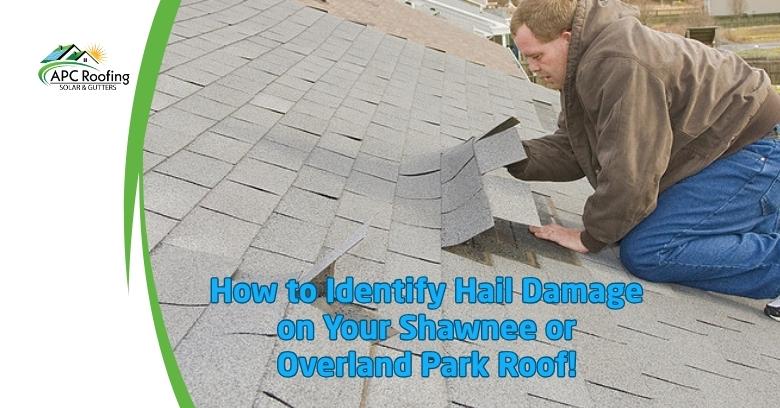
In towns at the colder end of our territory, where hailstones run large, a harder product makes sense, while ultraviolet light ages granules in every market we serve. What goes on a given roof depends on local conditions, not habit or a standard default.
Homes and Businesses: One Steep, One Flat
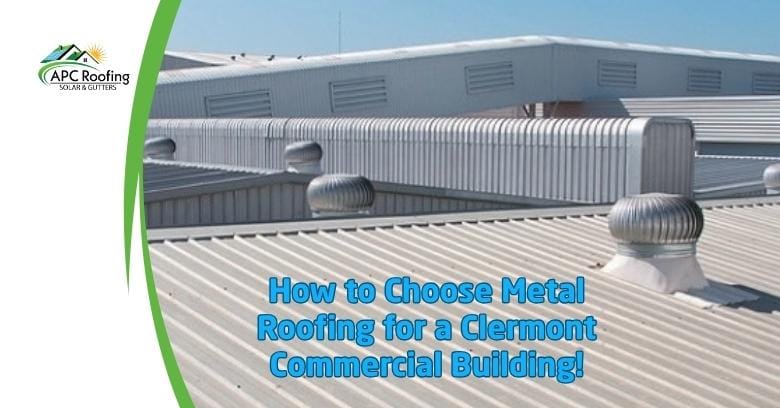
A sloped covering sheds rain by lap, finished in asphalt, clay or steel. A commercial building usually has a nearly flat, sealed membrane, and rooftop units and drains get set directly into the surface.
Some houses have a gently sloped patch over a back room, and a lapped product there lets water back up under the tabs. A low spot like that calls for a sealed sheet, tucked beneath the steeper roof above, and re-laying shingles there repeats the same fault.
Protecting a Damaged Roof for Now: What Lasts a Few Weeks
A barrier keeps rain off a hole before repairs begin, but the trouble below stays untouched. A well-set cover laps over the peak and gets battened along the edges, and the material gets pulled taut so wind cannot get behind the edge.
A cover needs a wide border around the hole, because rain slips in around a snug fit. A membrane left up too long traps moisture against the covering, and mildew and rot follow underneath.
Doing the Vertical Joints Properly: Getting the Work Right
Along a wall, one bent piece of metal goes in under every course, and a strip of trim above turns down over the top edges. A brick chimney gets an apron downhill and metal set in up each edge, and a broad stack gets a saddle set into the slope nearby.
Roof cement spread across an opening hardens and pulls away, so a fresh tie-in, installed correctly, is the dependable way to go. A failing chimney crown lets moisture into the stack above the roofline, and part of that repair belongs to a mason, not a roofer.
Putting Requirements on Paper: Nothing Left Vague
A clear plan identifies every material, from the shingle to the metal, by name, and the document states whether the current layer stays or goes. A firm outline settles ahead of time how bad wood gets handled, and the flashing, the exhaust work and the final cleanup all get covered.
Two written proposals can be compared line by line, and the gaps between the two sets of paperwork come into view. A firm unwilling to resolve the plan in advance is telling an owner something, because nobody can confirm later what got said.
A Tear-Off and Rebuild: What Changes at the House
Shrubs, flower beds and the driveway get protected ahead of the work, and the old covering gets stripped into a trailer. With the old material gone, the plywood gets examined board by board, and weak spots come out, and solid planking follows.
Underlayment, new metal and ice-and-water membrane go on across the open deck, and the surface material, the ridge caps and the vents close out the job. A magnet pass covers the grass and pavement at the end, and no debris gets left in the gutters.
Care for Non-Shingle Roofs: Details by Material Type
Where panels get fastened through the face, a gasket under the head keeps rain out, and a cracked washer gets replaced along with a fresh screw. Across our markets, tile sets by mortar, by foam or by clips, based on the property, and the underlayment handles the water, not the surface material.
Weight placed wrong breaks a piece, and a matching replacement goes in wherever one gives way. A modified-bitumen or single-ply section needs the seams and any puddling checked, and grit and leaves get cleared from the scuppers.
Signs Worth a Closer Look: From the Yard or the Attic
- Coarse grains washing out after every rain, well beyond what a new roof sheds.
- Curled or lifting edges on the courses, spread across more than one row.
- A split rubber collar around a plumbing vent, easy to spot with binoculars.
- A brown patch on upstairs drywall, new since the previous season.
- Daylight through the attic boards, wherever nothing should show through.
- Green growth along the north-facing side, pushing up the lower edges of the shingles.
- A hollow spot in an otherwise even stretch, widening a little each season.
- Caulk cracked along a chimney, worth a closer look before the next storm.
Roofing Services Across Clermont Florida: How APC Roofing Works
Before any advice gets given, a roofer goes over the whole covering and the attic, and the report shows up as photographs and a clear written account. Sound parts get named as plainly as parts that need work, and the next step is left to the homeowner.
Roofing Services Across Clermont Florida: Straight Answers About the Roof
Dial 407-270-1129 to schedule a visit to the property.
Documentation for the Roof: A Short List
Keeping the install date and the product names is a good start, and each inspection report deserves a spot in the same folder. Listing every fix, the place and the scope, takes only a minute, and looking back after enough time shows what keeps recurring.
At sale time, questions about the roof's age and history always come up, and a documented account settles the matter later. A second copy of the file, kept somewhere else, is worth having, since a spill or a move should not be able to wipe out everything.
Judging the Result: Quality You Can See
Every row lines up, and the ends at the gables get trimmed evenly, and every fastener stays hidden under the shingle above. The wall joints carry new flashing, tucked to match the way water runs, and no gob of roofing cement stands in for a missing piece.
Intake and exhaust vents stay open and unblocked, and the gutters return to position, clean and fastened. The property gets checked with a magnet for stray fasteners, and a light scatter of sawdust near any cut line rinses off a walkway in seconds.
Anyone researching Roofing Services in Clermont Florida has one straightforward next step. Contacting APC Roofing at 407-270-1129 gets a date on the calendar. Every visit takes in the whole roof and the attic beneath, with no loose ends left over.