Storm Damage

Asking About Storm Damage in Clermont Florida?

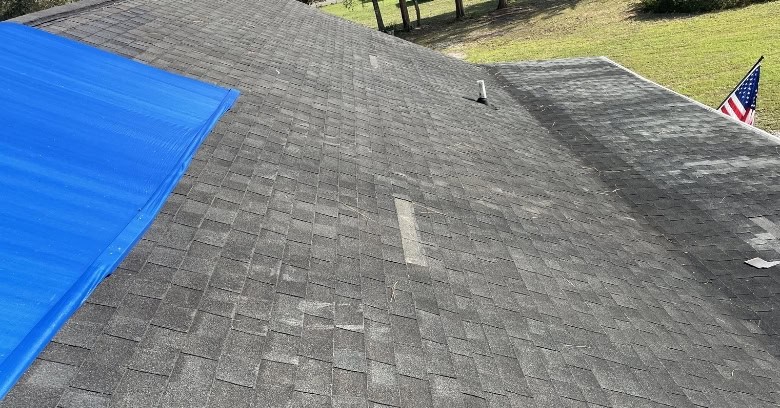
APC Roofing walks a slope after a hard night outdoors, checking every edge and photographing what is there.

Call us at 407-270-1129 and describe what you are seeing from indoors.


What Fast Air Does to a Roof: a Pattern in the Corners

Along the eaves, the rakes and the ridge the force runs highest, and a wide center area sees far lighter duty. A draft finding a way beneath a raised flap levers the course set over the flap, and one fastener beneath a course answers for the whole pull from there on.

A building corner carries the turbulence a roofline creates, so a tighter attachment pattern goes into that area during installation. A row of shingles at that outside edge carries more push than a row set farther out, so extra fasteners there exist for exactly that reason.

A Last Step the Sun Finishes – Made by Warm Weather

Every shingle carries a strip of sealant that fastens down to the course beneath, so every shingle is anchored top and bottom. A hard gust can break a bond across a stretch of roof, and a parted shingle rests unmoved for the moment, nothing showing on the surface.

A broken seal goes unnoticed until the wind returns, and moisture finds fasteners a tight course used to shelter. A single shingle adrift on a wide slope is a small matter alone, though several shingles parted together make a doorway rather than a blemish.

The Rating on a Bundle: Read With Care

A laboratory fastens new shingles to a test panel and seals every tab by hand, and only then does a machine bring the airflow up to speed. A roof that has carried several seasons of weather no longer acts like unweathered shingles straight off a supplier's truck, so a rating drawn from the original goods does not describe an aged roof.

Placing a fastener above the strip reduces how much surface a nail can grip, and the wind needed to lift a shingle turns out lower than expected. A shingle ages from the moment installation finishes, and stiffness follows, so a rating measured on fresh stock says little about a roof carrying years of weather.

What a Hailstone Does to a Roof: Under the Surface

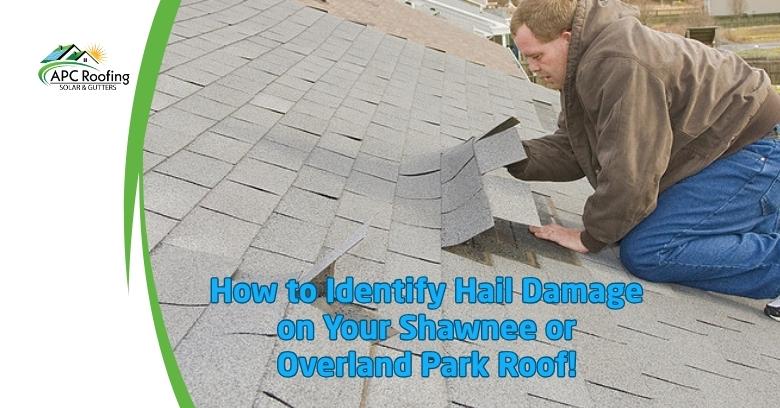
The colder end of our territory sees bigger stones than other parts of our service area, and a few minutes of that can change a covering for good. A strike drives surface granules down into the asphalt underneath, so a hollow forms where the surface gave way.

What stops rain from reaching a deck lies under the topmost grit, which is why a weak spot at that depth matters most. A struck shingle weathers faster than a sound shingle nearby, and small failures appear here and there once hail has covered a broad stretch.

Hardware That Also Suffers: Where a Blow Registers

A stone that asphalt shrugs off can still dent an aluminum vent hood, because bent material never straightens back out without help. A cracked collar no longer grips a pipe a collar once surrounded, and a wet patch shows near an interior wall soon after. A dented gutter can still carry water as designed, while a crimped downspout carries water over the leading lip without help.

A roofer counts hollows in the flashing the same way a roofer counts marks on a slope, which keeps a whole roof in one set of findings. Trouble in the metal fixtures seldom arrives without a shingle nearby in equally poor shape, and neither kind of damage shows up alone.

What Ends Up in a Downspout – a Sign With a Source

A mineral coat baked onto a shingle screens the asphalt from direct sun, and exposure without that finish shortens a shingle's working life. A hard rain washes displaced grains all the way to a gutter, and a handful scooped from that spot says plenty about the roof.

Bare spots widen as the sheet beneath a bare patch dries out, which is why small failures on a slope tend to add up. Sand in a gutter run is material the roof no longer carries, and a roofer can trace the source back to the face above.

Wind-Blown Rain – Joints That Rarely Get Tested

Every overlap in a shingle assembly assumes gravity alone does the moving, and a lateral shove from a strong gust upsets that assumption completely. A turbine housing passes rain through once wind reaches a certain speed, which reads indoors like a fault in the shingles that is not really there.

What a Storm Drops From Above – Small Mark, Real Harm

Sudden momentum drives an entire mass through one narrow point of contact, so structural members absorb the shock directly. Sheathing under a strike can split while the shingle above shows only a graze, so an inspection covers both the top of the slope and the space beneath.

A swaying bough polishes a bright curve into the granules a branch touches, and the outline follows exactly where that motion carried. Reaching a cracked board usually means lifting the shingles above the break, which is why a small hit can turn into a larger job.

Reading the Underside of a Deck – Quick to Check

A gleam between the boards signals a gap somewhere in the covering, and the precise location can be pinpointed against a truss or the end wall. Water leaves brown tide lines across the underside of a panel, and following that mark upward usually leads to where water first got in.

Compressed insulation records a history of repeated soaking over time, and the fibers rarely spring back once squeezed that way. A gable vent can let driven rain reach framing well away from any break in the covering, so nothing on the covering needs disturbing at all in a case like that.

What Shows Up Indoors – the End of a Long Path

A blotch overhead turns up where a trickle gave out, not where the leak began farther up, because water can travel the length of a rafter before any hint develops. Paint lifting into blisters shows a board stayed wet for a stretch of time, and a small mark can sit directly under a much larger fault.

A light fixture that drips calls for cutting power to that circuit at once, since the shock risk outweighs anything a bucket below can fix. A dark line under a flue traces the outer face of the chase, which puts the search exactly where two different materials meet.

Metal at the Joints – What Pulls Free

Every wall unit up there is fastened and lapped at the same time, so pressure acting under a slack seam undoes both requirements at once. Wind lifting a rake edge can peel that length of metal back off the trim underneath, so the section above starts to go the same way once that piece lets go.

Cap shingles at the crest take a steady buffeting during most of a storm, and slack fastening opens the seal on the seam sitting beneath. A vent unfastened at one end can rattle loose in a following gale, which wets structure over a much longer run than the opening suggests.

Domes and Glass Panels: Worth a Separate Look

A built-up curb keeps the glazing above the level of the covering, so runoff gets sent aside long before reaching the seam. The outside glass of a unit can break while the inside layer holds, so the entire assembly gets replaced together.

A polycarbonate cover can take a hit and end up scored across the surface, and warm weather can lengthen a split that started out tiny. Fogging inside a double-glazed skylight shows the seal around the glass has gone, and no amount of daylight cures a fault hidden from view.

Swamped Within Seconds – Watching for the Backup

A cloudburst can push more water at a trough than that trough can hold, and whatever misses the channel runs down the siding underneath. A wad of debris at an outlet can leave an entire drain line backed up behind that point, so weight from that backup can pull at the brackets holding a length in place.

Getting Past the First Stretch: What Stays On

A sheet fastened over an opening can keep rooms dry while a proper fix waits, because anything temporary is meant to come off once real repairs begin. A covering run over the ridge and down both slopes moves water downhill as designed, and screws for that step land in framing, not merely in the covering.

Bricks or blocks stacked on a loose sheet rarely survive a second storm, and debris from that failure can end up scattered across the yard. Every penetration made in haste becomes one more spot to seal properly, and nothing gets fastened through material that was already solid.

Sizing Up the Aftermath: Useful Later On

A camera goes over the roof while the marks a storm left are still fresh, and the record shows the roof exactly as things stood after the storm. A short account describes the shape and extent of each damaged spot, and a ruler answers what the eye alone cannot.

Weather keeps working on an open roof within days of a storm passing, so waiting even a little loses detail nobody can get back afterward. A request for documentation gets the same file kept on hand, so both sides end up looking at the identical account.

New Faces After the Damage – Why the Hurry

Vehicles with out-of-area plates can work a neighborhood for days after a big storm, and a portion of that traffic disappears once the season ends. A form signed at a front door binds a homeowner like any other contract, and nobody should feel rushed through terms that matter.

A roofer with a nearby yard is easy to track down if a question comes up, and follow-up down the road stays possible with that kind of outfit. Pressure to sign a contract before anyone has been on the roof is worth resisting, and sleeping on a choice like that is simply good sense.

Weakness That Compounds – What Gets Left Behind

A roof that lost some grip once needs less wind the next time to lose more, and each following round can claim more than the round that came first. A creased shingle carries a line that later sun cannot undo, which no amount of resealing along the edge actually cures.

Water reaching a deck a second time can carry on into insulation and drywall well beyond that point, and interior finishes end up part of the repair once that happens. Repeated soaking softens the wood fibers surrounding every fastener, and new material fastened there in that state will not hold securely either.

Signs Worth a Call to a Roofer: Outside and Indoors

  • A course lifted clear of the row beneath, easy to spot from a sidewalk.
  • Bruises along an aluminum edge, wherever thin sheet sits exposed.
  • Granules washing out where a gutter empties, heaviest right after a hard rain.
  • Light where there should be none up top, with an attic lamp switched off.
  • A brown ring on a ceiling that grows after rain, in any room below the roofline.
  • Staining on both sides of a chimney chase, appearing only after heavy weather.
  • Water standing on the inside of a skylight frame, after a violent night of weather.
  • A section of trough sitting out of line, after a heavy limb came down.

How APC Roofing Goes About Storm Damage in Clermont Florida: Plainly Explained

Our roofer opens with a slow circuit of the house from ground level, and scattered wreckage gets a record made before any cleanup starts. A roofer moves across every plane that can be walked safely, and the space beneath the deck gets examined from the attic.

The pictures and dimensions go into a plain account kept on file, and nothing in that summary gets dressed up beyond what a roofer actually saw. A recommendation comes with the reasoning laid out step by step, and the choice of what to do next belongs entirely to the homeowner.

Storm Damage in Clermont Florida: a Careful Look at What Happened

Dial 407-270-1129 to book a time for an inspection.


Snow Over the Shingles – Ready for Tougher Conditions

In the colder end of our territory, a deep white blanket bears down on the framing beneath, and rain soaking into the pile adds weight that dry powder never carried. Frozen runoff at the roof's edge can pond meltwater on the slope, and a ceiling near the outside wall can stain as a result.

Wind at the colder end of our territory packs snow into valleys and around chimneys, and one section can carry many times what the rest of the roof holds. A slab breaking loose can take a gutter down in one motion, so keeping the ground clear beneath that overhang is worth doing.

A Harder Environment Near the Shoreline: Hardware That Fails First

Storms at the coastal end of our territory can keep blowing through long stretches of the day, and metal surfaces along the coast face more frequent exposure to salt spray. Hours of steady pressure can rock nails back and forth within a fastener hole, which is exactly why hardware spacing matters more in that harder-hit zone.

Rain driven sideways can get behind siding as well as under shingles during a hard storm, so a sound roof can still let water indoors even after conditions calm down. Homes at the coastal end of our territory generally go up with tighter nailing along every edge, so nothing gets put back with less holding power than the original had.

Old Section, New Section: Close, Not Exact

Fresh bundles come out brighter than a covering long weathered outdoors, and nothing leaves a factory looking weathered. A mended area on a visible elevation can show up as a distinct patch, while work on the back of a house draws far less attention.

A discontinued profile gets replaced with the closest style still in production, and the outline rarely lines up with total precision. When much of a face has been patched, piecing the work together stops making visual sense, and redoing that whole slope from eave to ridge is sometimes the tidier outcome.

A Proper Result – the Details That Hold Up

Replacement shingles bed in as though installed on the original day, and the courses run true with the shingles set on either side. Metal at a wall gets tucked into place rather than glued to the surface, and nothing on that patch depends on a single bead of sealant.

Every nail head on a mended spot sits beneath the next course up, and the count per shingle matches the maker's specification. An image of new shingles taken soon after the work finishes makes a handy reference, because that record marks where a fresh section of roof began.

If a search for Storm Damage brought you here after a storm in Clermont Florida, call APC Roofing at 407-270-1129 to arrange for a roofer to come out. Every mark gets checked, measured and photographed on the visit, and the options get laid out along with the reasons for every option.

Jacqueline

Verified

★★★★★
Mike Ferrai was absolutely amazing from beginning thru the end..! Our roof looks awesome..!!! Couldn't be happier.! Would definitely recommend for all your roofing needs.. A++++++++

Frank Smith

Verified

★★★★★
Our experience with APC roofing began with an introduction and quote by Lucio. He came to our home, explained the process and immediately went on the roof to access the damage. As we began to inquire further about what to expect Lu got us in contact with Adrian. Now Adrian became an invaluable partner in very honestly and sincerely letting us know what APC could and couldn’t do to repair or replace our damaged roof. Hurricane Milton left us scrambling to come up with thousands to meet our deductible. Patiently and empathetically Adrian dispelled our apprehension about working with a contractor or being left incomplete and in need of legal help to resolve any disputes. He gave us his assurance that he would oversee the entire project. I have to admit that he kept his word. Even when we thought there would be a last minute hiccup with financing he put me in-touch with Lucy and she did not give up until we got the information and terms I wanted. This was a truly great team from start to…

JOHN WEBER

Verified

★★★★★
Our rep. Holly and this company did a wonderful job while staying within our budget! I highly recommend you work with this company and Holly in particular.

Tramale Suggs

Verified

★★★★★
Honest trustworthy company with great employees… hardworking and dedicated to providing great service….thank you Adrian

Mike Price

Verified

★★★★★
Everything went smooth on schedule nice clean job would recommend to anyone Mike Price was a great guy to work with