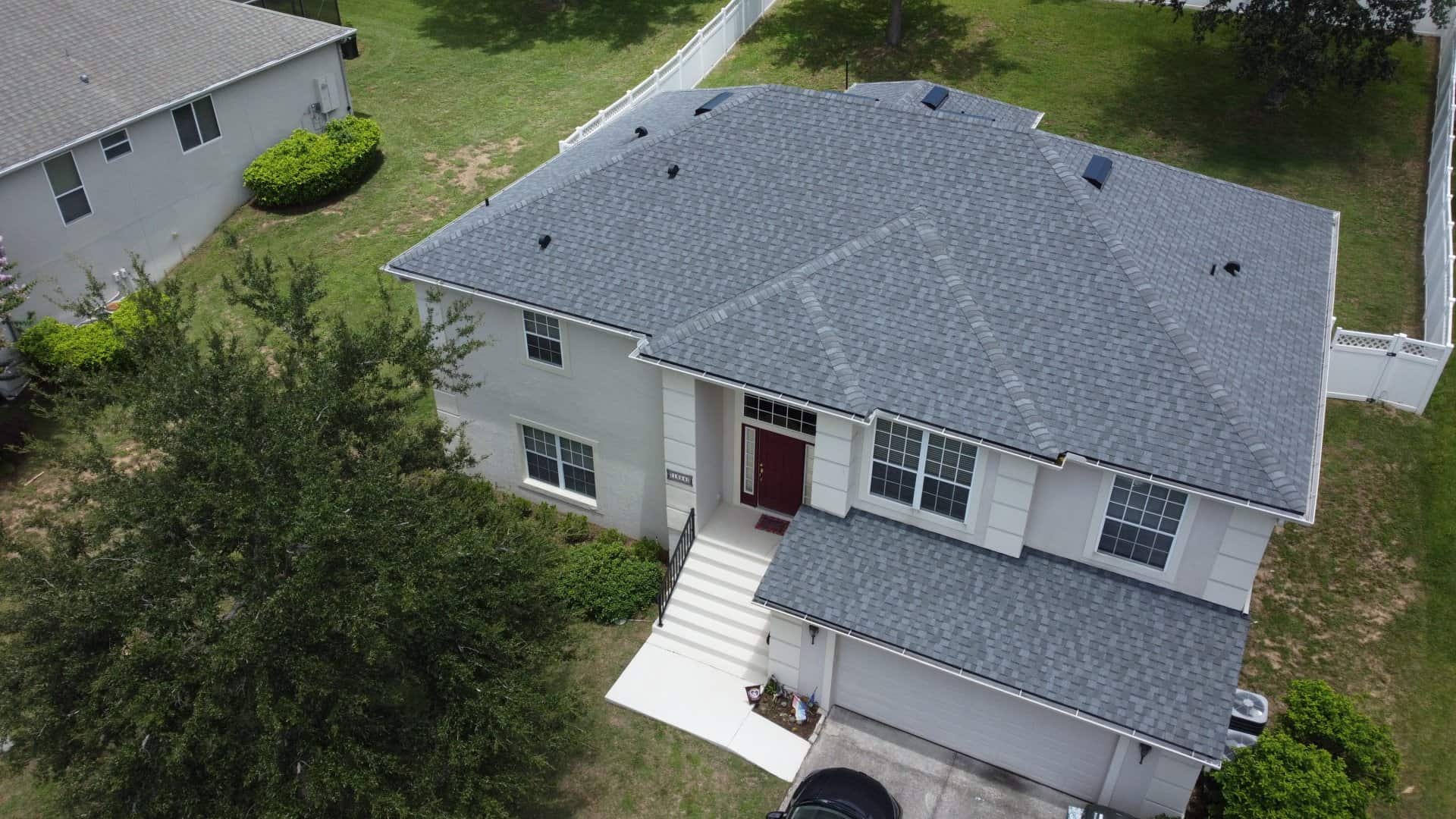
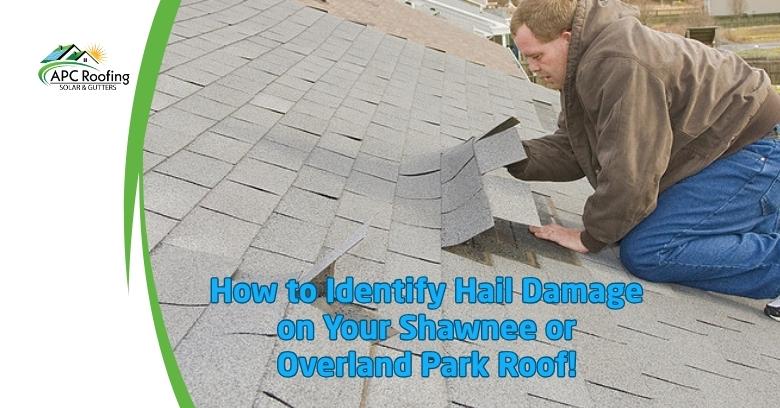
Need Roof Inspection in Clermont Florida?
APC Roofing takes care of a routine checkup right up to a complete replacement, across asphalt, metal and tile alike.
Phone 407-270-1129, and a roofer heads out for a look at the house.
The Roof's Inner Build-Up: What Holds a House Together
The topmost material is nothing more than the outer layer, and felt or a synthetic membrane, boards and rafters lie out of sight. Strips of flashing cover the gap at a chimney, a pipe or a valley, and water there rarely traces back to worn shingles close by.
The attic air beneath the deck counts as part of the roof assembly, because trapped heat and damp age the deck and shingles above. A stain on an upstairs ceiling can trace back to any level of the roof, so patching only what the yard shows can fail to reach the real cause.
The Jobs a Roof Performs: Behind the Shingles
The slope on the building sends runoff toward the gutters, and the fastening pattern resists wind uplift. The trusses and sheathing support the load above, snow included at the colder end of our territory, while vents give damp attic air a way out.
Water is a job for the covering, and wind is a task for the fastening, while what is underneath answers for holding the roof up, unnoticed. Trouble in one element tends to show up far from the original problem, so the cause gets traced instead of the symptom being patched.
Small Parts of a Roof System: What Falls Behind First
Most of the slope is designed to hold up for decades, but the flexible seal around a stack splits well before the shingles do. Moisture gets behind the covering and moves toward the room, and paint bubbles on the ceiling below.
Sealant around a skylight loses hold after enough summers, and metal flashing rusts at bends and cut ends. Ridge caps split across the crease, because wind and weather strike the peak harder than the slopes below.
Spotting Trouble Without a Ladder: Standing Back and Then Closer
From the driveway, the outline of the roof shows dips, sags and wavy planes, and the eave boards and downspouts can be sized up as well. Good binoculars show up torn collars, lifted tabs and bare patches, though some faults cannot be judged without climbing onto the roof.
Once on the roof, a roofer checks every connector closely and follows the flashing at each wall, and the covering is checked for brittleness, granule shedding and curling. Nobody walks a covering that is wet or too steep, and the eave, reached by ladder, provides the vantage point instead.
The Underside of a Roof: Clues From Below
A dark ring on the sheathing shows water has come through, and a clammy touch means the problem is ongoing. Light passing through the decking reveals a breach, and the spot gets pinned down by distance from the ridge, ready for the outside check.
Rust on the nail shanks comes from moisture in the house, not rain, and a darkened patch under the deck tells the same story. A soffit choked with insulation, or a bath fan venting into the attic space, is spotted only from inside, so a look from the yard alone misses ventilation faults of that kind.
The Paper That Follows: Kept for Reference
What turns up gets documented with photographs matched to locations on the roof, and a note explains what each picture shows. Parts in fine shape are covered as plainly as parts that are not, and faults are ranked by how soon repair is needed.
A filed report from an earlier check-up serves as a reference going forward, and a pattern over time tells more than a single day ever could. Regular yearly checks keep an owner from being caught off guard, and a large job gets seen coming well ahead of time.
Keeping a Shingle Roof in Shape: a Short Rundown
Worn boots around the stacks get exchanged for new ones, and shrunken caulk along the flashing gets a fresh bead. Anything the trees drop gets brushed out of the channels, and the gutter runs along the eaves get straightened.
A loose piece fastened back promptly stays a minor task, but waiting out a rainy stretch invites water in from beneath. A mat of moss holds water along the lower edges, and the growth gets killed with a treatment and swept off by hand.
The Habit Worth Keeping: Consistency Pays Off
A roofer should walk the roof once a year, placed right after the toughest season for roofs in that market. The goal is seeing deterioration ahead of any drip, and the family hears plainly where the roof stands.
After rough weather, anyone can scan the roof from the yard, and top-floor rooms are worth checking for fresh stains. Checking the attic with a lamp each season makes sense: dark spots, daylight and matted insulation turn up long before anything travels any further.
A Roof's Age, Read From the Yard: Early Signs to Late Signs
A young shingle covering lies flat with an even tone, and approaching midlife the sunniest side fades before the rest. At the very end, tabs turn brittle and crack, and each fix soon fails again.
A reading from the ground supplies a fair estimate, but a walk on the roof is what confirms the condition. A covering that has reached the end of a normal service life raises a replacement question, and a straightforward contractor says so directly, instead of selling one more fix.
A Blocked Channel: What to Watch For
The covering carries runoff only to the lower edge, and the gutter line handles the flow after that. A hanger that has given way tips the run toward the wall, and the framing at that spot decays.
A soft spot along that edge points more often to drainage trouble than to worn shingles, and reroofing alone will not solve a fault at that spot. Gutter fall and downspout placement get checked together, and the flashing along the eave gets looked over for bent or missing pieces.
How the Roof Breathes: Why the Details Matter
Outside air should enter under the eaves and leave near the peak, and the draft clears warmth and humidity from under the sheathing. If the vents get blocked, the attic overheats each summer and stays sticky the rest of the year, and the covering wears out early.
A powered fan with too little inlet area draws cooled air through the ceiling, and stacking two setups the wrong way can leave one choking the other. Reroofing with poor airflow left alone carries the fault forward, so the underlying issue belongs in the scope of any re-roofing plan.
One Company, Many Conditions: What Shifts From Place to Place
At the colder end of the markets we serve, snow load and ice at the edge drive the design, so peel-and-stick material gets laid along the overhang. At the coast, uplift decides the fastening pattern, and reinforced edge metal and sealed seams get specified.
In towns at the colder end of our territory, where hailstones run large, a harder product makes sense, while intense sun dries out asphalt everywhere we work. What goes on a given roof depends on local conditions, not custom or what happened to be on the truck.
Residential and Commercial Roofs: Different Demands
A sharply angled pitch sheds water course over course, finished in asphalt, clay or steel. A commercial building usually has a nearly flat, sealed membrane, and rooftop units and drains get set directly into the surface.
Some houses have a gently sloped patch over a back room, and a shingled surface there lets rain linger long enough to work under the courses. A low spot like that calls for a sealed sheet, tucked beneath the steeper roof above, and re-laying shingles there repeats the same fault.
Covering an Open Roof: What Lasts a Few Weeks
Plastic over a break keeps the rooms beneath dry for a time, but the broken parts stay broken all the same. A well-set cover laps over the peak and gets battened along the edges, and the fabric gets stretched so no loose fold can catch the wind.
A sheet cut too small leaves the edges of the opening exposed, since water slips in under any edge that ends too soon. Plastic left in place for months traps heat and moisture against the deck, and whatever sits below begins to suffer.
The Detail Where a Roof Meets Something Upright: the Proper Method
Every course against a wall gets a dedicated step-flashing piece, and counterflashing tucked into the masonry covers that metal from above. A chimney gets an apron across the downhill face and metal tied in up each edge, and a broad stack gets a diverter built into the roof behind.
A smear of mastic over a bad patch opens up within a few seasons, so a fresh tie-in, installed correctly, is the dependable way to go. Crumbling mortar lets rain soak into the masonry higher up, and that kind of trouble calls for a mason alongside a roofer.
What a Proposal Should Say: Items to Expect
A detailed listing names each material going on the roof, and the document states whether the old covering comes off. A solid outline sets a rule for any soft sheathing found mid-job, and the flashing, the exhaust work and the final cleanup all get covered.
Competing proposals listed in detail can be read side by side, and the gaps between the two sets of paperwork come into view. A business that keeps every particular verbal gives an owner nothing to hold onto, and a spoken assurance proves nothing after the fact.
A Tear-Off and Rebuild: Start to Finish
Anything near the eaves that could get damaged gets protected ahead of time, and the existing layers get torn off into a dumpster. Once exposed, the sheathing gets a careful look for rot and breaks, and any spongy spot gets swapped for new stock.
A protective membrane, new flashing and full underlayment get installed, and the surface material, the ridge caps and the vents close out the job. A magnetic sweep covers the yard and the drive at the end of the workday, and nothing from the cleanup stays behind in the gutters.
Care for Non-Shingle Roofs: What Differs by Material
Where panels get fastened through the face, a gasket under the head keeps rain out, and a leaking screw gets paired with a fresh washer. Clay and concrete tile go down by more than one method, from mortar to foam to clips, and the membrane is what keeps the interior from taking on water.
A heavy step on an unsupported piece causes a crack, and a spare of the same profile goes in where one fails. Where part of a roof runs nearly flat, ponding and split seams are the warning signs, and clogged drains get cleaned out on a visit.
Clues That Point to Trouble: Caught Early
- Sand-like mineral grains in the gutter runs, from a covering that is no longer new.
- Shingle edges cupping upward, noticeable from across the street.
- A hardened gasket at a stack, with a stain trail on the covering below.
- A ceiling ring in a top-floor room, soft at the center.
- Light glowing between the planks, with the lamp switched off.
- Green growth along the north-facing side, soaking up water after every rain.
- A hollow spot in an otherwise even stretch, seen best from across the street.
- Dried beads separating at a skylight, often after a hot summer.
Roof Inspection Around Clermont Florida: APC Roofing, Step by Step
Before any advice gets given, a roofer goes over the whole covering and the attic, and the results come back as images plus a short written summary. Good sections get the same plain treatment as problem areas, and the homeowner sets the order of any work.
Roof Inspection Around Clermont Florida: a Close Look at the Roof
Dial 407-270-1129 to arrange a visit on site.
Documentation for the Roof: A Short List
Tracking when the covering went on and what was used is worth the effort, and each inspection report deserves a spot in the same folder. Including a line for every repair, the spot and the method, rounds out the picture, and looking back after enough time shows what keeps recurring.
Selling a property brings questions about what is overhead, and a documented account settles the matter later. A second copy of the file, kept somewhere else, is worth having, in case the paper sheets go missing in a move.
What Good Work Looks Like: a Homeowner's Guide
The field reads as straight bands, with crisp cuts where each slope ends, and every fastener stays hidden under the shingle above. Around chimneys and dormers, the flashing gets replaced rather than reused, and nothing gets troweled on to cover a shortcut.
Air can move from the eaves to the peak without obstruction, and every gutter ends up hanging correctly. A final sweep with a magnet tidies the yard and drive, and sawdust near a cut line is the most common leftover once the work wraps up.
Anyone researching Roof Inspection in Clermont Florida can get a straight answer without more digging. Getting in touch with APC Roofing at 407-270-1129 gets a date on the calendar. Every stop takes in the whole roof, not just the part in question, with nothing left unclear.