Homeowners comparing quotes for a new roof in the Clermont Florida area often get a shock when the numbers land. Two bids for what sounds like the same metal roof can be far apart and neither proposal explains why. One roofing company is pricing exposed-fastener panels over the existing deck; the other is pricing a concealed-clip standing seam system with a premium paint finish, new sheathing, and a sealed secondary water barrier- same category, very different product.
That spread matters more than ever right now. Florida carriers are scrutinizing roofs past the 15-year mark, material and labor prices jump after every named storm, and the Florida Building Code triggers upgrades on tear-offs that did not apply a decade ago. A metal roofing investment properly made should outlast two or three shingle roofs, but if made badly, it can leak at the fasteners inside of 15 years. The difference usually shows up in the line items most people skim past.
This article breaks down the eight factors that actually drive what a metal roof costs around Clermont and Kissimmee Florida, from panel profile and gauge to deck condition, roof geometry, permitting, and the season you choose to install. The goal is that by the end, a reader should be able to open two quotes side by side and understand precisely where the money went.
1. Panel System: Exposed-Fastener or Standing Seam
Two very different products share the name metal roofing and the cost gap between them is the single largest variable on most quotes.
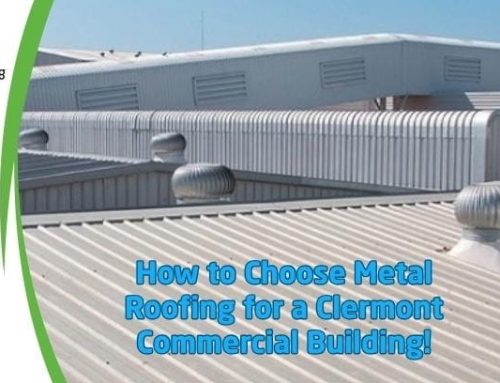
Exposed-Fastener 5V and Corrugated
These panels screw straight through the metal face into the deck or purlins, with a neoprene washer under each screw head. In 26-gauge Galvalume, they are typically the lowest installed price of any metal system in Florida. They install fast and are genuinely durable, but every screw is a future maintenance item as neoprene washers compress and dry out, so most exposed-fastener roofs need fasteners re-torqued or replaced around year 12 to 20.
Standing Seam
Standing seam panels attach with concealed clips and interlock at raised seams, leaving no penetrations in the roof field. Twenty-four-gauge steel standing seam costs noticeably more installed and aluminum versions climb higher still. Floating clips let panels expand and contract, which matters on long runs which is anything past roughly 20 to 30 feet needs deliberate expansion detailing. Stone-coated steel generally sits in between on price. When homeowners around Kissimmee Florida ask why one quote is so much higher than another, this is usually the whole answer.
2. Gauge, Metal Type, and Panel Width
Thickness is priced in steps and each one is visible in the finished roof.
- 29-gauge is the cheapest and the most prone to oil-canning and denting.
- 26-gauge is the common middle ground for Central Florida residential work.
- 24-gauge is stiffest, flattest, and the standard for quality standing seam.
Each step up adds to the panel cost of a metal roof. Aluminum costs more than steel but will not rust, which is why coastal projects lean that way. This far inland, properly coated Galvalume holds up well, though salt-laden air still reaches parts of Osceola and Lake counties on certain wind patterns.
Panel width is the quiet variable. Moving from 16-inch to 12-inch panels increases panel count and labor by roughly 15 to 25 percent for the same roof area. Narrower panels look crisper and reduce oil-canning, but someone pays for the extra seams. Reliable roofing companies will state panel width on the proposal rather than leaving it to assumption.
3. Paint System and Long-Term Color
Finish is where cheap metal roofing reveals itself after about eight Florida summers. SMP coatings cost less up front; PVDF resin finishes sold as Kynar 500 or Hylar 5000 cost a bit more but hold color and gloss much longer under UV exposure. Dark bronzes, deep reds, and blacks fade fastest, so homeowners choosing a dramatic color should treat PVDF as mandatory, not optional.
This also intersects with HOA rules. Most Clermont communities require color and profile approval before installation begins and downtown’s historic district creates additional review. Submitting a color chip for approval before ordering material avoids the worst outcome in roofing, namely panels on site that cannot legally go up.
4. Roof Geometry, Pitch, and Penetrations
Square footage alone never predicts price. Shape does.
- Hip roofs waste 10 to 15 percent more panel than a simple gable because every panel gets cut on an angle.
- Each skylight, dormer, chimney, and dead valley adds custom flashing labor that no square-foot rate covers.
- Slopes below 3:12 rule out most 5V and corrugated profiles entirely; those areas need mechanically seamed standing seam or a membrane system such as TPO.
- Steep pitches above 7:12 add staging, fall protection, and time.
A low-slope rear addition tied into a steep main roof is common in older neighborhoods from Clermont through Kissimmee Florida and it almost always means two systems on one house. That is not upselling, it is what the product approval allows.
5. Deck Condition and Code-Triggered Upgrades
Nobody can price this part accurately from a satellite image, which is why reliable estimates include an allowance and an agreed per-sheet rate.
On a full tear-off in Lake County, the existing deck must be re-nailed to current standards with 8d ring-shank nails and a secondary water barrier, a sealed deck or self-adhered underlayment, is required. Replacement sheathing is priced per 4×8 sheet installed, so ask for that unit price in writing. Pre-1980 homes often have 1×6 board decking, which usually needs a full plywood overlay before you can properly fasten metal roofing panels.
There is also the 15 percent rule that when the cost of improvement exceeds 15 percent of the structure’s value, roof-to-wall connection retrofits are triggered. Separately, the 25 percent rule in the Florida Building Code’s existing building provisions limits how much of a roof can be patched rather than replaced. Post-2022 changes allow roofs built to the 2007 code or later to be repaired in place. Roofing companies that explain these provisions up front tend to produce quotes that do not change mid-project.
6. Permits, Wind Engineering, and Lot Exposure
Permits for Clermont projects go through the City of Clermont or Lake County Building Services depending on the address, with fees based on the project’s valuation. Dry-in and final inspections are both required.
Product Approval Has to Match the Roof
Every panel and fastener assembly needs a Florida Product Approval number or a Miami-Dade Notice of Acceptance and the approval must match the actual deck type and slope. Clermont, Florida is not in the High-Velocity Hurricane Zone, that designation covers Miami-Dade and Broward, but ultimate design wind speeds here still run roughly 130 to 140 mph for Risk Category II structures. A contractor submitting an approval written for a different deck assembly is setting up a failed inspection.
Exposure Category Changes Lot to Lot
The rolling terrain in Clermont creates genuine differences in wind exposure between neighboring subdivisions. An elevated, open lot in Kings Ridge, Hartwood Marsh, Lost Lake, or the Four Corners area may require tighter clip spacing and heavier perimeter fastening than a sheltered interior lot and that engineering shows up in labor hours. The same pattern appears across Kissimmee Florida, where open former pasture land sits beside mature tree canopy.
7. What Is Already on the Roof
Removal and handling costs vary enormously by existing system:
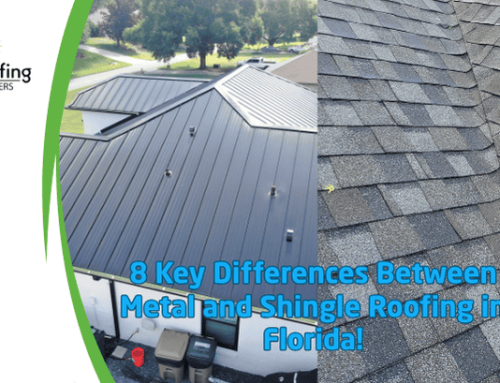
- Shingles – Lightest and cheapest to tear off; shingle-to-metal conversion is structurally the easiest path.
- Concrete or clay tile – Heavy disposal, but structurally generous as steel weighs about 1.5 pounds per square foot versus 9 to 12 for tile, so the framing is never the problem.
- Existing solar – Removal and reset adds to the bid and requires coordination with the solar provider.
- Multiple existing layers – More dumpster volume, more labor, and often more deck surprises underneath.
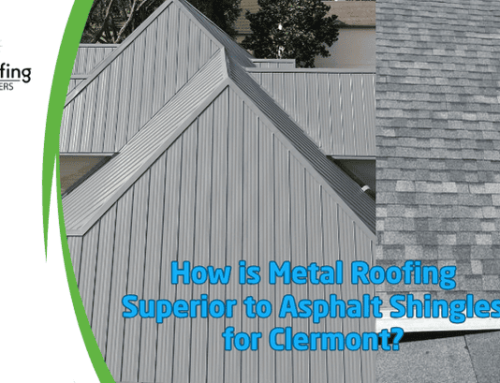
Going over existing shingles is sometimes permissible, but it can conceal deck condition, forfeit re-nailing and secondary water-barrier upgrades that improve a wind mitigation inspection, and complicate warranty coverage. The long-term math rarely favors it. Worth noting for anyone planning ahead is that standing seam accepts solar via seam clamps with no roof penetrations at all, which is a meaningful resale advantage in Lake and Osceola counties.
8. Timing, Insurance Documentation, and Who Installs It
Hurricane season runs June 1 through November 30, and demand spikes after every named storm push both lead times and material pricing upward. October through April is the calm installation window. Summer work means 6:30 a.m. starts, early finishes, and daily dry-in ahead of afternoon convective storms as Central Florida is the lightning capital of the country, and crews plan around it.
Insurance is the other timing factor. Carriers scrutinize roofs past 15 years and the wind mitigation form OIR-B1-1802 documents deck attachment, secondary water resistance, and roof-to-wall connections. A properly permitted metal roof with those upgrades documented puts a homeowner in the strongest position at renewal. Finally, credentials matter. Manufacturer certifications determine which extended warranties, often ranging from 10 to more than 25 years, a contractor can even offer. Comparing roofing companies on price alone without comparing warranty eligibility, product approvals, and workmanship coverage is how a cheap quote becomes an expensive problem.
The Bottom Line
The price of metal roofing in the Clermont, Florida area is not just one number. It is eight decisions stacked on top of each other, from panel profile and gauge to paint chemistry, geometry, deck condition, wind engineering, removal scope, and schedule. Homeowners who understand those eight levers can read competing proposals from several roofing companies accurately instead of defaulting to the lowest figure and discovering the omissions later.
The practical next step is to request itemized estimates that name the panel system, gauge, finish, Florida Product Approval number, deck allowance, and warranty term, then compare them line by line. Acting during the October-to-April window avoids post-storm pricing pressure and gives time for HOA color approval and permitting without rushing. Given that a well-specified metal roof should last 40 to 70 years against 15 to 22 for shingle in this climate, the time spent understanding the quote pays back for decades!
Key Takeaways
- Exposed-fastener panels and standing seam are both called metal roofing, but standing seam typically costs noticeably more installed, so confirm which system each quote covers.
- Specify 24 or 26-gauge material and a PVDF paint finish if long-term flatness and color retention under Florida UV matter.
- Expect deck re-nailing with ring-shank nails and a secondary water barrier on any tear-off, and ask for a written per-sheet price for replacement decking.
- Verify that the Florida Product Approval or Miami-Dade NOA listed on the proposal matches the actual deck type and roof slope.
- Schedule installation between October and April to avoid post-storm price spikes and secure HOA color approval before ordering materials.
Frequently Asked Questions
Is a metal roof louder in rain?
No, not when installed over a solid deck with underlayment. The barn-roof sound comes from panels on open purlins with no sheathing beneath. A residential assembly measures close to a shingle roof.
Does a metal roof attract lightning?
No, metal does not attract lightning any more than other roofing materials. If struck, metal is non-combustible and disperses the energy, which is generally safer than a wood-based assembly.
Will Florida hail dent metal panels?
Thin 29-gauge steel and softer aluminum dent most easily, while 24-gauge steel resists well. Ribbed and striated profiles hide minor dimpling far better than wide flat pans.
Can metal go over my existing shingles?
No. APC Roofing always tears the old roof off down to the deck first. Going over shingles hides deck damage and skips the re-nailing and secondary water-barrier upgrades that improve wind-mitigation credits.
Will a metal roof lower my insurance premium?
It often helps, though outcomes vary by carrier. Submit the OIR-B1-1802 wind mitigation form after installation so deck attachment, secondary water resistance, and roof-to-wall connections are documented.
How long before the paint fades?
PVDF finishes such as Kynar 500 typically hold color for decades under Florida sun, while SMP coatings chalk noticeably sooner. Darker, saturated colors fade fastest regardless of coating.
Will steel panels rust this far inland?
Properly coated Galvalume with an intact paint system resists rust well in Lake County conditions. Cut edges, scratches, and contact with dissimilar metals are the usual failure points, so detailing matters.
Can I add solar panels later?
Yes and standing seam is ideal for it. Seam-mounted clamps attach arrays without a single roof penetration, preserving both watertightness and warranty coverage.