Every heavy rain, it’s the same thing. Water sheets over the front of the gutter, splashes against the siding and pools by the foundation. Maybe a run has started to sag, or the fascia board behind it has gone soft. You know your gutters aren’t doing their job, but it’s hard to tell whether they need a fix, a bigger size or a full new system.
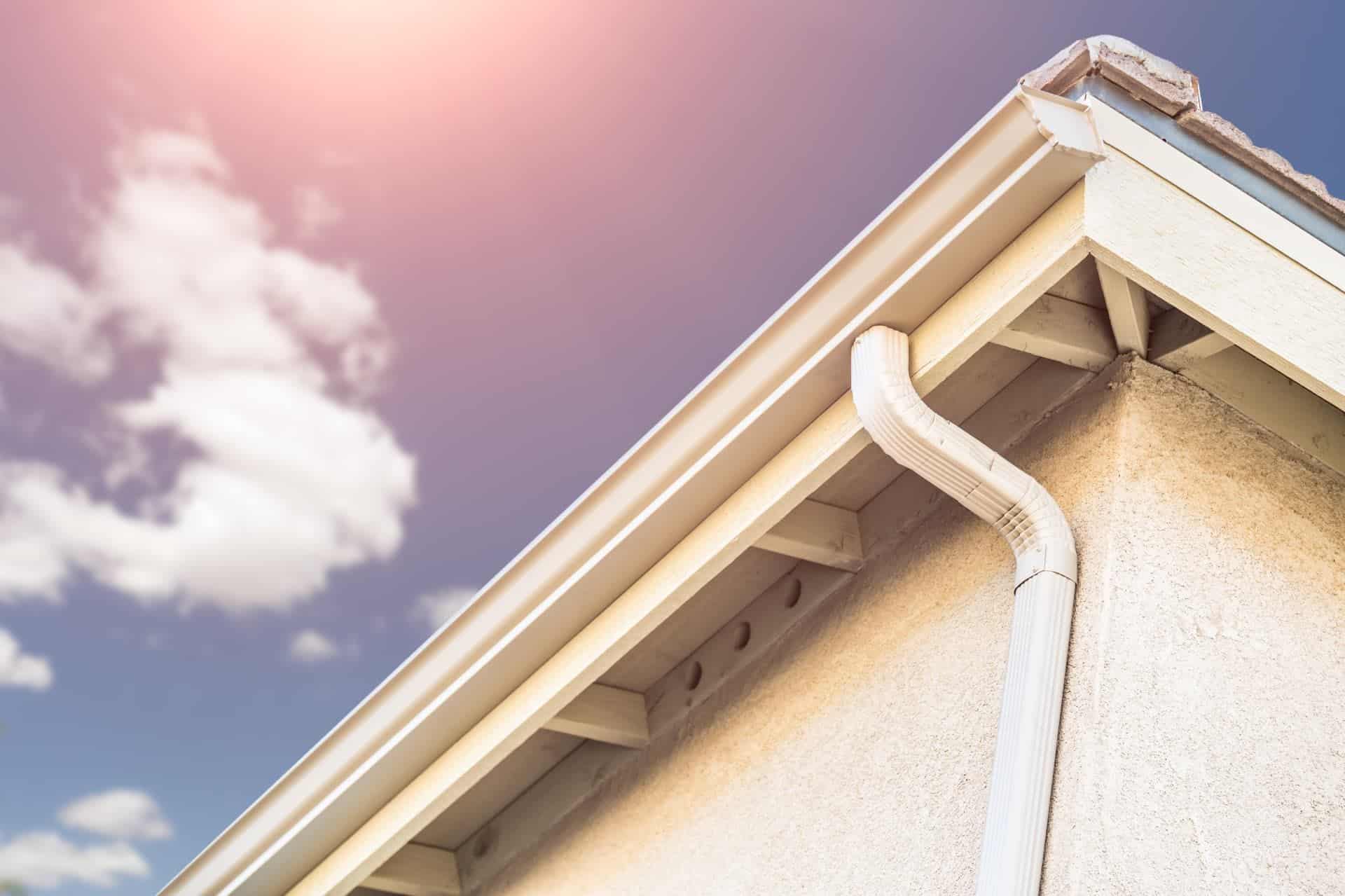
Gutters are some of the least expensive parts of your home’s exterior, and they protect some of the most expensive ones. Their whole job is deciding where thousands of gallons of roof water end up each year. When that goes wrong, the damage rarely shows up on the gutter itself. It shows up as rotted fascia and soffit, stained siding, soggy soil at the footings and a damp crawlspace.
APC Roofing installs gutter systems as part of the exterior work we do on homes across Central Florida, the Daytona Beach area, the greater Kansas City area and Springfield, Missouri. We’re GAF Certified, licensed and insured, and the inspection is free. Call 866-995-0704 to have your gutters and roof edge looked at.
Why most overflowing gutters are too small, not broken
When a gutter overflows in every hard rain, the usual cause isn’t damage. The system is undersized for the roof it serves. Three things set how much water a gutter can carry: the size of the trough, the size of the downspouts, and how many downspouts serve each run.
Going from the common 5-inch gutter to a 6-inch one adds a lot of capacity, and a larger downspout lets water leave much faster. Gutters also need to be sized for the hardest few minutes of a storm, not an average afternoon. That matters a great deal in Florida, where summer storms can drop a lot of rain in a short burst. It matters in the Kansas City area and the Ozarks too, where spring thunderstorms do the same. A system that keeps up with a light shower can still overflow the moment a real storm hits.
Slope you can’t see from the yard
A gutter has to fall toward its downspouts, about a quarter inch for every 10 feet is a common target. That’s enough to keep water moving and little enough that the gutter still looks level from the street.
If a gutter sits dead level, it holds water instead of moving it. Standing water collects debris, breeds mosquitoes and puts weight on hangers that were meant to carry metal, not a trough full of rain.
Strong hangers need solid wood behind them
A gutter is only as strong as what holds it up. Hidden hangers screwed into solid fascia, spaced a couple of feet apart, hold far better than the old spike-and-ferrule method you’ll see on many older houses.
If an old gutter pulled away from the house instead of just wearing out, the wood behind it is usually the reason. Hanging new gutters on the same soft board just starts the clock over. Since APC also works on fascia and soffits, that wood can be replaced as part of the same job instead of being left for later.
The roof edge matters here as well. A missing or poorly lapped drip edge lets water run back behind the gutter and down the face of the fascia, so a perfectly good gutter ends up catching very little.
Where the water lands is half the job
This is the part a lot of quotes skip. Water dumped right at the base of a wall hasn’t been solved. It’s been moved from your roof to your foundation.
Downspout extensions should carry water several feet away from the house, and farther where the ground slopes back toward it. Buried drain lines can work well, as long as there’s a plan for where they come out and how they’ll be cleared if they clog. Where your yard allows it, sending runoff toward a planted bed rather than a driveway is usually the better choice.
Seamless gutters and the rest of the system
Most homes are well served by seamless gutters, which are formed on site to the length of each run. With fewer joints, there are fewer places for leaks to start. You can read more on our seamless gutters page.
Do the gutters when you do the roof
Gutters and roofs are usually one project, not two. The gutter, the roof edge and the drip edge between them form one detail, and they tend to fail together. A new roof over old gutters still has an old detail at the bottom of it.
If you’re planning a roof replacement, it’s worth having your gutters looked at during the same inspection. Doing both at once means one crew, one cleanup and a roof edge built as a single piece.
How it works with APC Roofing
- Book your free inspection. Call 866-995-0704 or request a free online estimate.
- Get a clear, honest assessment and estimate. We check gutter size and slope, hangers, fascia, drip edge and where your downspouts drain, then walk you through what we found with photos.
- Get the work done and the site cleaned up. Your new gutters go up, and the crew leaves your property clean.
Financing is available through Aqua Finance, Fortifi, Hearth and Home Run Finance if you’d like to spread out the cost.
Gutter questions from homeowners
How do I know if my gutters are too small?
If water pours over the front edge during heavy rain even when the gutters are clean, they’re likely undersized or don’t have enough downspouts. An inspection can confirm it.
Do I need gutters in Florida?
Many Florida homes benefit from them. Gutters keep heavy rain off entryways, away from the foundation and off siding and stucco. Whether your home needs them on every side depends on the roof layout and how your yard drains.
Can new gutters go on old fascia?
Only if the fascia is solid. If the wood is soft or rotted, it should be replaced first, or the new gutters will pull loose the same way the old ones did.
Should I replace my gutters when I replace my roof?
Often it makes sense, especially if the gutters are older, undersized or tied into a worn drip edge. Your inspection will show whether they can stay.
Keep the water where it belongs
Overflowing gutters rarely cause a crisis overnight. They slowly soften the fascia, stain the siding and soak the soil around your foundation, and the repair bill grows with time.
A properly sized system fixes that quietly. Rain comes off the roof, runs to the downspouts and lands well away from the house, and you stop watching the gutters every time a storm rolls in. Call 866-995-0704 to book your free inspection, or start your estimate online.