During a summer thunderstorm, water pours over the front of your gutters like a waterfall. In winter, icicles hang off the eaves and the gutters pull away from the house under the weight. Or there’s a damp corner in the basement that only shows up after heavy rain. If you’re looking at gutters in Washington Park, you probably want water off the roof and away from the house, without it turning into a recurring chore.
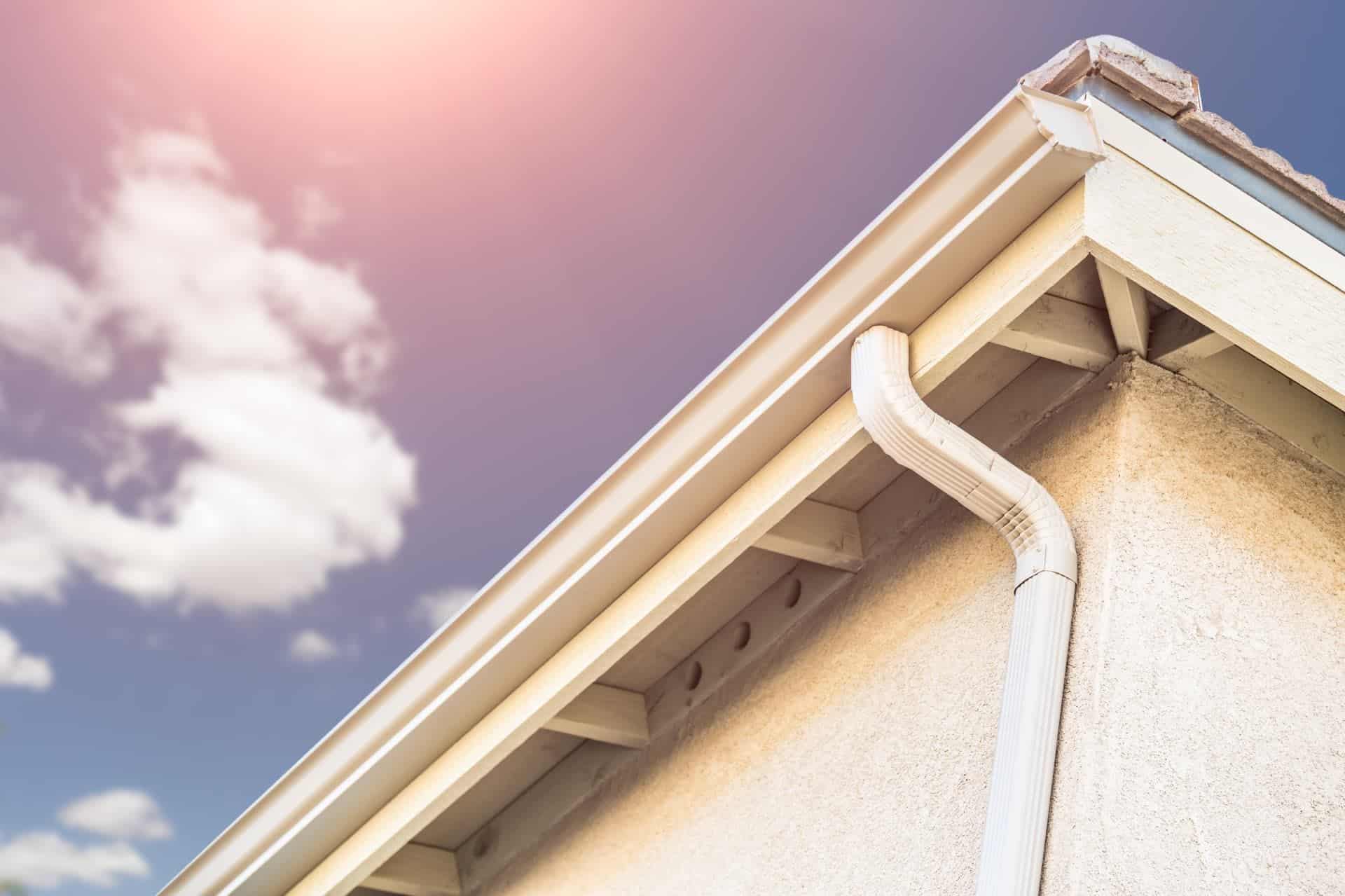
Gutter problems feel small until they aren’t. Water that misses the gutter lands right against the foundation, soaks the fascia boards and splashes up on the siding. You deserve a gutter system that’s sized and pitched for the roof it serves, put in by someone who explains why.
APC Roofing is a GAF Certified contractor, licensed and insured, and your estimate is free. Call 720-902-6940 and we’ll look at your roofline, your downspouts and where the water goes after it hits the ground.
What Denver weather asks of a gutter
Denver gutters have to handle two very different jobs.
The first is the summer cloudburst. Afternoon thunderstorms along the Front Range can drop a lot of rain in a short time, and a gutter that’s too small or poorly pitched overflows within minutes. Hail can come with those storms too, denting thin gutters and knocking loose the hangers.
The second is snow and ice. Snow on the roof melts on sunny afternoons, runs into the gutter and refreezes overnight. A gutter full of ice is heavy, and if it can’t drain, meltwater backs up at the roof edge. Over a winter, that weight and the freeze-thaw cycle bend gutters, pull hangers out of the fascia and split old seams.
A good gutter system is built for both: enough capacity for a downpour, and solid hangers and enough slope to drain melting snow.
Why seamless gutters make sense
Most new gutters in Denver are seamless aluminum, formed on site from a continuous coil to the exact length of each run. Because there are no joints along the straight sections, there are far fewer places to leak, and nothing for ice to work open. Seams only appear at the corners and downspout outlets.
Sectional gutters, sold in short lengths and joined together, are the alternative. They’re common on older homes, and every joint is a spot where sealant dries out and starts dripping over time. You can read more about seamless gutters in Denver.
Getting the size and layout right
A gutter that’s well made can still fail if it’s laid out poorly. These are the details that matter most:
Size. Many homes use 5-inch K-style gutters. Larger or steeper roofs, or roofs where a valley dumps a lot of water into one spot, often need 6-inch gutters and larger downspouts to keep up with a heavy storm.
Pitch. Gutters need a slight, steady slope toward each downspout. Too little and water sits and freezes. Too much and it looks crooked from the street.
Downspouts. More downspouts, placed near valleys and inside corners, move water off faster. Each long run usually needs one at each end.
Hangers. Hidden hangers screwed into solid fascia, spaced closely, hold the weight of ice far better than old spikes and ferrules.
The roof edge. Metal drip edge at the bottom of the roof should send water into the gutter, not behind it. If water is running down the fascia behind your gutters, this is often why.
Where the water goes next
A gutter only does half the job. If the downspout dumps water right beside the foundation, it can still end up in your basement or crawlspace.
Downspout extensions or splash blocks should carry water several feet away from the house, onto ground that slopes away. If your yard slopes toward the house, or a downspout empties onto a walkway that ices over in winter, it’s worth planning where each one discharges before the new gutters go up.
Signs your gutters need replacing
- Gutters pulling away from the fascia or sagging between hangers
- Leaking seams or rust spots on older steel gutters
- Water running over the front even when the gutter is clean
- Peeling paint, stains or soft wood on the fascia behind the gutter
- Dents and split corners after a hailstorm
- Pooling water or erosion under the downspouts
If hail damaged your gutters along with your roof, you file the claim with your insurer and pay your deductible. We document the damage, provide the estimate and work with your adjuster.
How it works with APC Roofing
- Book your free estimate. Call 720-902-6940 or request a free estimate online.
- Get a clear, honest assessment and estimate. We measure your rooflines, look at how water flows off the roof and where it lands, check the fascia and drip edge and give you a written estimate. Financing is available through Aqua Finance, Fortifi, Hearth and Home Run Finance.
- Your new gutters go up and the site gets cleaned up. You’ll know the layout, sizes and downspout locations before the work starts.
If the roof itself needs work, it’s usually best to handle the roof first or at the same time, since new gutters often have to come down for a roof replacement.
Gutter questions from Washington Park homeowners
Are seamless gutters worth it?
For most homes, yes. Fewer joints means fewer leaks, and there’s less for ice to pry open over a Denver winter.
Why do my gutters overflow even when they’re clean?
Usually because they’re too small for the roof, pitched wrong or short on downspouts. A valley that concentrates water into one spot can also overwhelm a standard gutter.
Can new gutters be installed in winter?
On dry days, yes. The fascia has to be sound, so any soft wood is found and dealt with first.
Should I replace my gutters when I replace my roof?
Often it makes sense. Old gutters usually come down during a roof replacement anyway, and putting them back up is a good time to fix sizing and drip edge problems.
Get new gutters in Washington Park
Call 720-902-6940 or book your free estimate online. You can also see all of our gutter services in Denver, or everything we do on our Washington Park roofing page.
The goal is a dry basement, fascia that stays solid and gutters you don’t have to think about every time a storm rolls in. Your satisfaction is our reputation.