Considering Asphalt Shingle Roofing Anywhere in Lee's Summit Missouri?
APC Roofing strips worn coverings and lays fresh courses in their place, from a small cottage to a large two-story house.
Phone 913-398-5020 and a trained eye will check the details and report back.
Inside the Product – a Closer View
Each shingle takes its strength from a fiberglass mat, and a saturant of asphalt seals out rain, and granules rolled into the surface shade everything beneath from ultraviolet rays.
Lines stacked side by side at a supplier are not always equal, and added mass tends to buy durability. A sample board shows color alone, while the maker's data sheet lists wind and impact ratings.
Traditional and Textured – Setting Them Apart
A three-tab piece has one layer and two notches that divide its face into tabs, and the result is a regular brick-like pattern. An architectural shingle has an irregular top ply fused to a whole base, and the covering appears textured and shadowed.
Laminated products carry more asphalt and weigh more per square, and published wind ratings are commonly higher as a result. Fasteners on an architectural shingle must catch the overlap of both plies, and a printed guide shows the right position.
A Place for the Plain Option – Narrower Choices
Outbuildings and porches are frequent homes for three-tab, and a patch can match the rest of an older house. Fewer colors in that style are stocked than a generation ago, and discontinued hues cannot be ordered at all.
Laminated shingles hide small dips in an older deck better, while flat courses make any hollow obvious. Underlayment and flashings are the same under either style, while the shingle alone sets the two apart.
Mineral Grit and Aging: Clues at Ground Level
Some surplus grains rinse off a recently installed covering, and the amount tapers off quickly. When an older covering sends piles of grit down the spouts, its mineral shield is wearing thin, and the unprotected asphalt soon cracks and curls.
South- and west-facing planes bake the longest each afternoon, so the damage is usually heaviest on them.
The Factory Sealant Band – Wind Resistance
A shingle comes from the plant with a glue stripe already applied, and heat from sunshine turns it tacky enough to grip the row above. Adhered courses keep their bottom edges down in a gust, while nails hold every shingle for its whole life on the house.
On a chilly job at the colder end of our territory, sealant may sit inactive until spring, so a windy day can fold back tabs that have not taken hold. Makers' directions cover this with cement placed by the installer, and a drawing on each wrapper gives the amount and location.
Holding Pieces Down – Frequent Errors
Roofing nails go into a narrow band marked by the manufacturer, and from there the shank reaches the top of the underlying row too. Most shingles take four fasteners apiece, and six are required on steep slopes or in high-wind areas.
A misplaced high nail leaves the lower course loose, excess air pressure buries the head in the mat, and a cocked shank raises a hump in the shingle overhead. The wind resistance stated on the package depends on the specified pattern, and a pneumatic tool set wrong makes the same mistake again and again.
What Supports the Covering – Replacing Weak Sections
Shingles are fastened to a deck of plywood or OSB, and every fastener needs solid material there to hold. Some older homes have spaced planks installed originally for cedar shakes, and new sheathing bridges them before any shingles.
During a tear-off, weak or water-damaged pieces are swapped for sound ones, since a nail in punky fibers pulls loose. A little clearance is kept at every panel seam, because expansion from humidity has to go somewhere.
A Backup Barrier – What It Does
A water-shedding membrane covers the deck ahead of the shingles, and its seams are lapped so rain crosses them without entering. Synthetic material has taken over from traditional felt on most jobs, because the newer product weighs less, tears less easily and lies flatter.
Rain that gets past a damaged shingle drains across the membrane rather than into the deck, but it is meant for occasional water, not months of open sky.
Guarding Against Ice Dams – Around Every Shank
At the colder end of our territory, heat leaking from the house thaws the snow on the upper slope, and meltwater goes solid again where the roof extends past the wall. Trapped water behind the blockage creeps higher beneath the courses, where ordinary underlayment lets it through at every nail.
Colder-market codes call for a peel-and-stick membrane along the lower edge, and it extends upslope beyond the point directly above the heated interior. Across every part of our service area, valleys and skylight curbs frequently get it too, as water collects and lingers there.
Where the Deck Ends: Order of Layers
A bent metal drip edge runs along the eaves and up the rakes, and the lip carries water clear of the fascia. The lower flashing sits under the underlayment, but on the gable sides the order reverses.
Codes across much of the country list edge metal as required on every perimeter of the covering, since rain otherwise wicks under and rots the sheathing.
Beginning at the Gutter: Uplift Concerns
A purpose-made starter strip lines the bottom of every slope, and it places sealant right at the drip line. A rotated field piece strands the adhesive several inches up, and nails alone then keep the lowest tabs from lifting.
The sloped gable edges frequently get starter strips too, since wind crossing the roof tugs at its outer lines.
Drainage Between Planes: Choosing a Style
Open valleys expose a painted or galvanized liner along the fold, while in the closed-cut type one side crosses over and the opposite side is trimmed neatly. Interlacing rows from each plane suits single-layer products, but thick laminated shingles bend poorly that way.
Installers keep nails several inches back from the centerline, while a self-sealing sheet runs beneath from top to bottom. Debris packed into a valley stays damp long after rain ends, and diverted water can work under the neighboring courses.
Tie-Ins to the Structure – Chimney Aprons
Along a sidewall, a bent L-shaped step flashing is woven in with each course, and siding or counterflashing laps down over its upright leg. The corner where the eave reaches the house takes a kickout, so water is thrown clear into the gutter.
Chimney flashing combines a front apron, side steps and counterflashing cut into the brick joints, and a wide stack also needs a cricket upslope to split the flow.
Through-Roof Vents – Sequence and Laps
Standard boots join a flat metal or plastic plate to a rubber sleeve, and sun eventually opens cracks where the seal wraps the stack. Courses above lap over the flange's top edge, and water running down the slope passes over the exposed lower part.
Neoprene collars regularly fail well before the field shingles do, and a tear-off is the natural time to change every boot.
Finishing the Apex – Vents Beneath
Each hip and the ridge get a row of cap shingles across the joint, and architectural work uses a factory-made accessory. Tabs sliced out of flat strips are far thinner, and in winter at the colder end of our territory the fold is prone to cracking.
A continuous ridge vent frequently lies under the cap row, so longer fasteners go through it to anchor in the decking.
The Space Under the Deck – Blocked Paths
Intake openings in the soffits let cool air in near the bottom, and it should leave high along the ridge. Loose-fill insulation piled into the corners can smother the flow, and rafter baffles preserve a clear route.
An attic with poor airflow runs hot under the decking, while indoor humidity collects there with nowhere to go. At the colder end of our territory, frost can coat every protruding nail, and it drips onto the insulation once the day grows mild. Adding a fan to an attic that already has a ridge vent can reverse the intended path, since the draft takes the quickest route rather than sweeping the whole space.
Across Our Range: Wind, Sun and Winter
The metros we serve run from freezing uplands to steamy lowlands, and each setting wears on asphalt differently. At the coastal end of our territory, hurricanes bring spells of fierce wind, and product instructions call for extra nails there. Relentless sunshine hardens the binder over the years, while streaks spread faster where the air stays sticky.
At the colder end of our territory, freeze and thaw cycles pry at every small crack, while snow cover keeps the eaves cold for weeks at a time.
Ice From the Sky: What a Strike Does
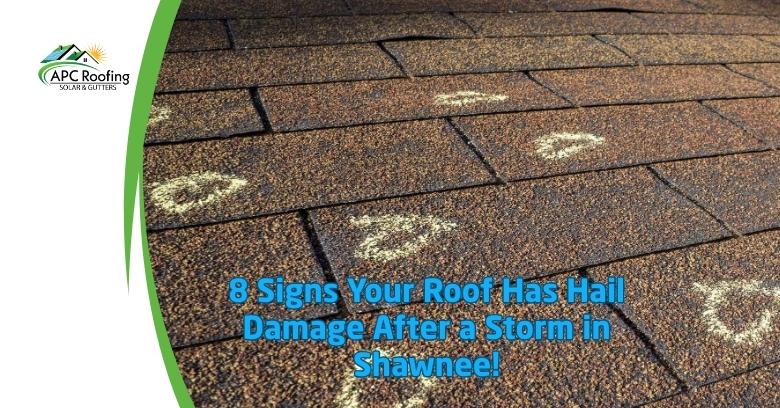
At the colder end of our territory, hail arrives most years with the thunderstorms, so shingle lines that stand up to it are common. A strike scatters the grit from a small round area, and a heavy blow may fracture the fiberglass below.
The impact class on a bundle comes from a standard drop test with steel balls, and a line that passes at the top level holds up better. Modified asphalt with added rubber is used by several makers, so the surface gives a little under a strike.
Blowing Weather – Putting Things Right
The border of a roof and its corners see the greatest upward force, and a loose shingle rises and slaps back down. Once a tab is doubled back, a crease forms where it bent, and the mat never regains its strength along that line. Pieces left in that condition are taken out and replaced, while one that only lost its seal can be cemented back down.
A missing tab leaves bare underlayment facing the sky, and daylight starts breaking it down at once.
Streaks and Moss – Copper and Zinc
Black lines trailing down a slope are usually algae, which feeds on crushed limestone mixed into the product. Growth spreads quickest on shady faces at the humid end of our territory, but the streaking by itself is largely about looks.
Moss poses a real threat, as it traps moisture against the courses, and it works under the edges and raises them. Power washing tears granules loose as it goes, so a mild product rinsed on softly is the better choice. Algae-resistant designs mix copper into the surface, and zinc bands near the top release traces that discourage regrowth.
Picking a Hue: Beyond Looks
A black or charcoal covering absorbs more of the sun's energy, while a light gray or tan stays cooler. Some brands coat their granules to bounce back more heat, and their performance is published as a reflectance value.
Shingles from separate production runs may not match exactly, and makers advise mixing bundles across a slope. A multi-tone blend disguises minor variations well, whereas single-shade shingles make them easier to spot.
Getting Up There – Weighing the Risk
Midday sun softens the surface noticeably, so treads rub the stone off in patches. At the colder end of our territory, a course stiff with cold can break under weight, and a skin of frost leaves the pitch slick.
The ground is the right place for anyone without roofing gear, and a good pair of field glasses picks up loose or missing pieces.
Covering What Is There: The Deck Question
Many jurisdictions let a new roof go directly onto an earlier roof, though not where two are already down or the sheathing is soft. Leaving the first layer on keeps the decking covered the whole time, which means damage stays trapped under fresh shingles.
An uneven base gives the new shingles a wavy face, and flashing past its prime is usually kept. A doubled covering rests on structure never meant for that weight, and every nail must travel through the old material before it grips.
Things That Turn Up – When to Call
- Dark sand gathers where the spouts empty, and the heaps come back after each cleaning.
- Tabs stand up along one edge, which means the seal has let go.
- Shingle ends lift into curls, since age and heat have stiffened the material.
- Cracks run across the tabs, and water can reach the mat through them.
- Bald areas look black and shiny, so the base is bare to sunlight.
- A flue or vent collar has turned brittle and torn, so moisture can track down inside.
- The metal where a slope meets siding sits bent or pulled back, which lets wind-driven rain in behind it.
- Paint bubbles on a top-floor ceiling, even though the leak may start far from the spot.
APC Roofing and Asphalt Shingle Roofing in Lee's Summit Missouri – Plain and Careful
An inspection first covers every slope on foot, and the flashings, valleys, vents and edges get a close look along the way. From inside, the attic is searched for water stains and pinholes of light, since discolored sheathing shows where water has traveled.
Any problem is photographed, and damaged areas are measured. A written summary lays out what was found, with the reasons given for each recommendation. A minor job is presented as minor, while a spent covering is named for what it is. The homeowner decides what comes next, whether that means a repair, a replacement or waiting.
Asphalt Shingle Roofing Across Lee's Summit Missouri – Help From People Who Know the Details
Reach us at 913-398-5020 to have someone come out.
Mending or Starting Over – Matching Old and New
Trouble at a boot, a flashing or a few scattered tabs is normally dealt with by a repair, while the surrounding shingles are left alone. Even the same color from the same maker looks different once the old shingles have weathered, and that earlier shade may simply not exist anymore.
Stiff, dried-out shingles split when raised for nailing, and one fix can turn into several. Where the whole field is cupped and losing grit, a new covering is the sensible answer.
Useful Lifetime: Care Along the Way
On three-tab, fifteen to twenty years is normal, while laminated lines often reach close to thirty. Attic airflow, sun exposure and the quality of the nailing move that figure, and a single violent storm may finish a covering off early.
Boots, flashings and sealed joints are worth checking every few years, since spotting a fault quickly keeps the damage small.
For a roofer's opinion on Asphalt Shingle Roofing in Lee's Summit Missouri, phone APC Roofing at 913-398-5020. The whole covering and the attic are inspected in person, and the written findings let you decide.
Verified

Verified