Exploring 3-Tab Shingle Roofing Throughout Lee's Summit Missouri?
APC Roofing strips worn coverings and lays fresh courses in their place on ranch homes, two-story houses and detached garages.
Reach us at 913-398-5020 and a trained eye will check the details and report back.
Components and Construction – a Closer View
A fiberglass mat gives each shingle its strength, while the asphalt in the sheet makes it waterproof, and stone granules pressed into the upper face block sunlight.
Seemingly similar products often follow very different recipes, and weight per square often tracks with durability. A swatch offers the look and nothing more, while a technical sheet sets out performance figures.
Traditional and Textured – Setting Them Apart
A three-tab shingle is one thin layer with two slots cut into its lower half, so the surface shows neat uniform lines. Architectural shingles are built as a base with a second, trimmed ply fused on top, so the uneven profile casts shadows.
The heavier laminated construction puts more asphalt on the deck, and listed wind classes are generally higher. On a two-layer shingle, fasteners belong in the band where both plies overlap, and a printed guide shows the right position.
The Case for Strip Shingles – A Smaller Selection
Outbuildings and porches are frequent homes for three-tab, and an addition can blend with an older covering of that type. Several makers now offer that style in fewer colors than before, so an exact replacement can be hard to find.
Textured shingles mask slight waves in the boards beneath, whereas straight single-ply lines reveal each flaw. Either style goes over the same underlayment and flashings, while everything that differs is on top.
Surface Wear Over Time: Clues at Ground Level
Shingles fresh from the bundle drop leftover grains in their opening months, and nothing about it signals a defect. When an older covering sends piles of grit down the spouts, its mineral shield is wearing thin, and asphalt left bare hardens and fractures in the heat.
Faces that point south and west take the strongest sun, and dull patches gather there.
The Thermal Adhesive: Limits in Cold Months
A narrow glue stripe runs across every shingle, and heat from sunshine turns it tacky enough to grip the row above. Adhesion keeps air from getting under the exposed edge of each course, while nails hold every shingle for its whole life on the house.
In the cold months at the colder end of our territory, sealing can take many weeks to happen, so a windy day can fold back tabs that have not taken hold. Dabs of asphalt cement applied by the installer are what makers specify in that case, and a printed diagram marks the spots and their spacing.
Securing Each Course – Why Accuracy Counts
Roofing nails go into a narrow band marked by the manufacturer, where the shank also catches the headlap of the row below. The basic schedule calls for four fasteners on each shingle, while a bundle wrapper asks for six on very steep or wind-exposed jobs.
A nail driven high pins one layer instead of two, a head sunk too deep tears the fiberglass, and a slanted shank lifts the shingle laid over it. A bundle's wind class holds only when the printed pattern is followed, and an out-of-adjustment tool spreads one error across a whole face.
The Structural Base: Soft Spots
A deck of plywood or OSB lies beneath every shingle, and each shank has to land in solid material. Older houses sometimes keep the gapped boards once used under shakes, so sheathing is laid across them before shingles.
During a tear-off, weak or water-damaged pieces are swapped for sound ones, since a shank in crumbling fibers cannot hold. Panels go down with a narrow space along each joint, because swelling in damp seasons buckles anything laid too tight.
Underlayment Basics: Felt or Synthetic
Before any shingles go down, a water-resistant membrane is rolled over the deck, and it goes on in overlapping runs starting at the eave. Synthetic sheet has largely replaced asphalt-saturated felt, as the modern fabric is tougher and does not ripple after rain.
A membrane catches wind-driven rain that slips under the shingles, yet leaving it bare for long shortens its useful life.
Ice Dams at the Overhang: Width That Counts
At the colder end of our territory, a heated attic thaws rooftop snow, and meltwater goes solid again where the roof extends past the wall. Trapped water behind the blockage creeps higher beneath the courses, and plain underlayment admits it around each nail hole.
Where ice dams form, building codes require an adhered membrane at the eave, and it is carried upslope far enough to clear the heated part of the house. Across every part of our service area, valleys and skylight curbs frequently get it too, because those junctions carry heavy flow.
Border Protection: Sequence Matters
Every eave and rake gets a formed strip of metal, and the lip carries water clear of the fascia. The underlayment covers the lower flashing, and at the gable ends that sequence is reversed.
Edge metal around the whole perimeter is a code requirement in many towns, since rain otherwise wicks under and rots the sheathing.
The Launch Point of Each Plane – Rakes Too
Under the first visible course lies a starter strip, so tacky asphalt ends up at the very brink of the deck. A reversed field piece puts its sticky band too far up, so nothing but nails holds the lowest border down.
A starter run along each rake is common practice under current instructions, since wind crossing the roof tugs at its outer lines.
Inside Corners: Debris and Flow
Open valleys expose a painted or galvanized liner along the fold, and the closed-cut approach laps one side across and trims the other straight. A woven junction interlaces rows from both planes, which works with three-tab, but thick laminated shingles bend poorly that way.
Fasteners stay out of the center of the channel, while a self-sealing sheet runs beneath from top to bottom. Debris packed into a valley stays damp long after rain ends, so runoff may be forced beneath the cut side.
Masonry Connections: Water Shedding Order
Step flashing along a wall is set one to a course, and a counterflashing or trim board covers the raised leg. A kickout diverter belongs where the lowest course runs into the face of the house, and skipping it sends water into the studs.
Masonry chimneys take a base apron, side step flashing and counterflashing grooved into the joints, and a broad stack calls for a saddle upslope.
Holes for Plumbing: Timing a Swap
A pipe boot combines a flat metal or plastic base with a rubber collar around the pipe, and sun eventually opens cracks where the seal wraps the stack. The upper half of the flange tucks beneath the shingles above, so runoff flows across the downhill side instead of under it.
A cracked collar is common on a covering that is otherwise sound, so new boots come with every new covering.
At the Summit – Final Courses
A line of cap shingles covers the ridge and the hips, and architectural work uses a factory-made accessory. Improvised pieces from cut tabs are lighter and thinner, and in winter at the colder end of our territory the fold is prone to cracking.
The caps often conceal a vent along the peak, so longer fasteners go through it to anchor in the decking.
Circulation Upstairs: Common Problems
Air should be drawn in along the eaves through soffit openings, and it should leave high along the ridge. Insulation blown tight against the outer walls can choke the flow, so a baffle in each rafter bay keeps the way clear.
An attic holding in heat warms the deck from underneath, and it also holds moisture rising from the house. Across the colder end of our territory, a crust of frost builds on the nail points, and the water runs down as the day goes on. Adding a fan to an attic that already has a ridge vent can reverse the intended path, since the draft takes the quickest route rather than sweeping the whole space.
Regional Demands: Algae and Hard Winters
Our markets take in mountain snow in one place and tropical heat in another, and asphalt meets a different set of stresses in each. At the coastal end of our territory, hurricanes bring hours of sustained wind, and product sheets set out an enhanced nailing method. Long seasons of strong sun dry out the oils in the coating, while streaks spread faster where the air stays sticky.
At the colder end of our territory, repeated freezing opens small splits further, and the weight of drifted snow adds its own strain.
Stones Out of a Thunderhead: Lab Testing
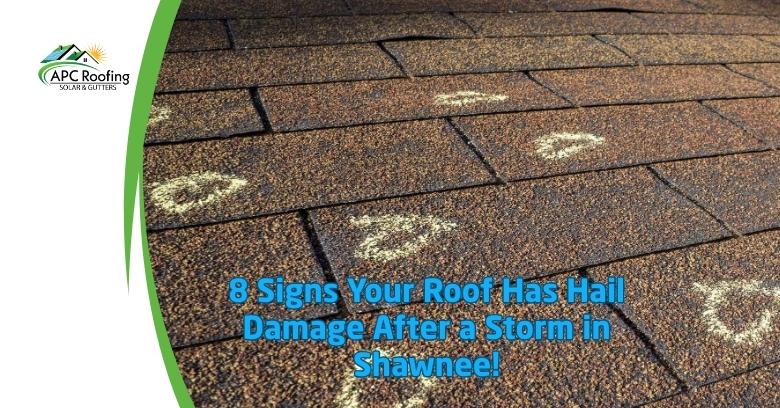
At the colder end of our territory, hail comes through often enough to plan around, and impact-resistant lines exist for exactly that. Where a stone lands, the granules break away in a round mark, and a heavy blow may fracture the fiberglass below.
An impact class is assigned after steel balls are dropped on samples in a lab, and the stronger lines come through in better shape. Plenty of makers use a polymer-modified coating, and that mix stays flexible in the cold.
Blowing Weather – The Damage Done
Suction pulls hardest along the eaves, the rakes and the corners of a roof, and a shingle whose seal has let go starts to flap. A tab bent far back keeps a mark along the fold, and it is liable to tear off later. A piece in that state is swapped out, while one that only lost its seal can be cemented back down.
Blown-off tabs leave the underlayment uncovered, and ultraviolet light breaks that layer down quickly.
Streaks and Moss: Shade and Damp
Algae is what paints the long black marks on many slopes, and it thrives on the limestone mixed into the asphalt. Growth spreads quickest on shady faces at the humid end of our territory, though the staining does little harm on its own.
Moss is more serious, because it stays wet for days, and it works under the edges and raises them. High-pressure spraying rips the grit away with the growth, so a mild product rinsed on softly is the better choice. Shingles sold as algae-resistant carry copper in their top layer, and a zinc strip near the crest slows the streaks' return.
Choosing a Color – Blends and Batches
Deep tones take in more solar warmth and reach higher surface temperatures, and lighter shingles reflect more of the light. A few lines carry special granules that keep even a mid-tone from getting as hot, and a measured reflectance number comes with them.
A pallet from one batch can look a touch off from another, so maker directions say to draw from more than one bundle at a time. Blends that combine many colors mask small mismatches, while plain shades display every one of them.
Going Up Top: Care Underfoot
By midday in warm weather the material becomes tender, and a twisting heel tears the mineral layer. At the colder end of our territory, a course stiff with cold can break under weight, while frost at dawn makes the footing treacherous.
A homeowner is far safer staying on the ground, and a good pair of field glasses picks up loose or missing pieces.
Shingles Over Shingles: Pitfalls
A re-roof over a prior roof is legal in many towns, but not where two are already stacked or the wood is damp and decayed. Leaving the first layer on keeps the decking covered the whole time, and weak spots stay just as they were.
Humps and hollows in the courses below show through, and step and valley metal commonly remains in service. A second covering adds weight to rafters that were sized for one, and every nail must travel through the old material before it grips.
Things to Watch For: Outside and In
- Mineral grains build up in the gutter troughs, and the heaps come back after each cleaning.
- Pieces are missing and bare underlayment peeks through, which tells you the glue line failed.
- Shingle ends lift into curls, since age and heat have stiffened the material.
- Straight breaks run through a few pieces, and the layer below begins to soak up water.
- Dark, smooth patches appear on the surface, and the asphalt now bakes in the sun.
- The seal around a plumbing stack has cracked, so water works its way indoors.
- Flashing at a chimney has lifted off the brick, and wind-driven storms can get behind it.
- Paint bubbles on a top-floor ceiling, while the opening outside can be several feet off.
How APC Roofing Works on 3-Tab Shingle Roofing in Lee's Summit Missouri – Plain Talk, Clear Photos
An inspection starts by walking each slope in turn, and the flashings, valleys, vents and edges get a close look along the way. The attic is checked from inside for stains and light coming through, and darkened boards on the underside show past leaks.
Any problem is photographed, and damaged areas are measured. The results are put in writing in everyday words, and each suggestion is explained. A little problem is never made to sound big, while a spent covering is named for what it is. The choice is the owner's, whether that means a repair, a replacement or waiting.
3-Tab Shingle Roofing Across Lee's Summit Missouri – Inspected, Photographed and Explained
Call us at 913-398-5020 and describe what you are seeing.
Mending or Starting Over: Where the Line Falls
Changing a boot, resealing a flashing or swapping a few torn tabs is everyday repair work, and the sound shingles nearby stay in service. Patched areas show a visible contrast at first, while the manufacturer may have retired that design.
Stiff, dried-out shingles split when raised for nailing, and the damage around the work zone grows. Where the whole field is cupped and losing grit, a full tear-off is the honest recommendation.
Useful Lifetime: Extending the Span
Strip products tend to give fifteen to twenty years, while architectural lines can go well beyond that. The ranges shift with attic ventilation, climate and installation care, and a single violent storm may finish a covering off early.
A look at the vent collars and metal details every so often makes sense, because minor gaps closed promptly spare the sheathing.
If you are planning 3-Tab Shingle Roofing in Lee's Summit Missouri, dial APC Roofing at 913-398-5020. Each slope is walked and every detail checked, and a plain written report puts the next step in your hands.
Verified

Verified