A storm took some shingles, or left the roof covered in hail marks, and now you have a decision in front of you. One person says a few repairs will do. Another says you need a whole new roof. Your insurance company wants an estimate. Storm damage roofing is everything between that moment and the day your roof is whole again, and you want to get it right the first time.
The hard part is that most storm damage can’t be seen from the ground, so you’re left deciding between opinions. You deserve evidence you can look at yourself.
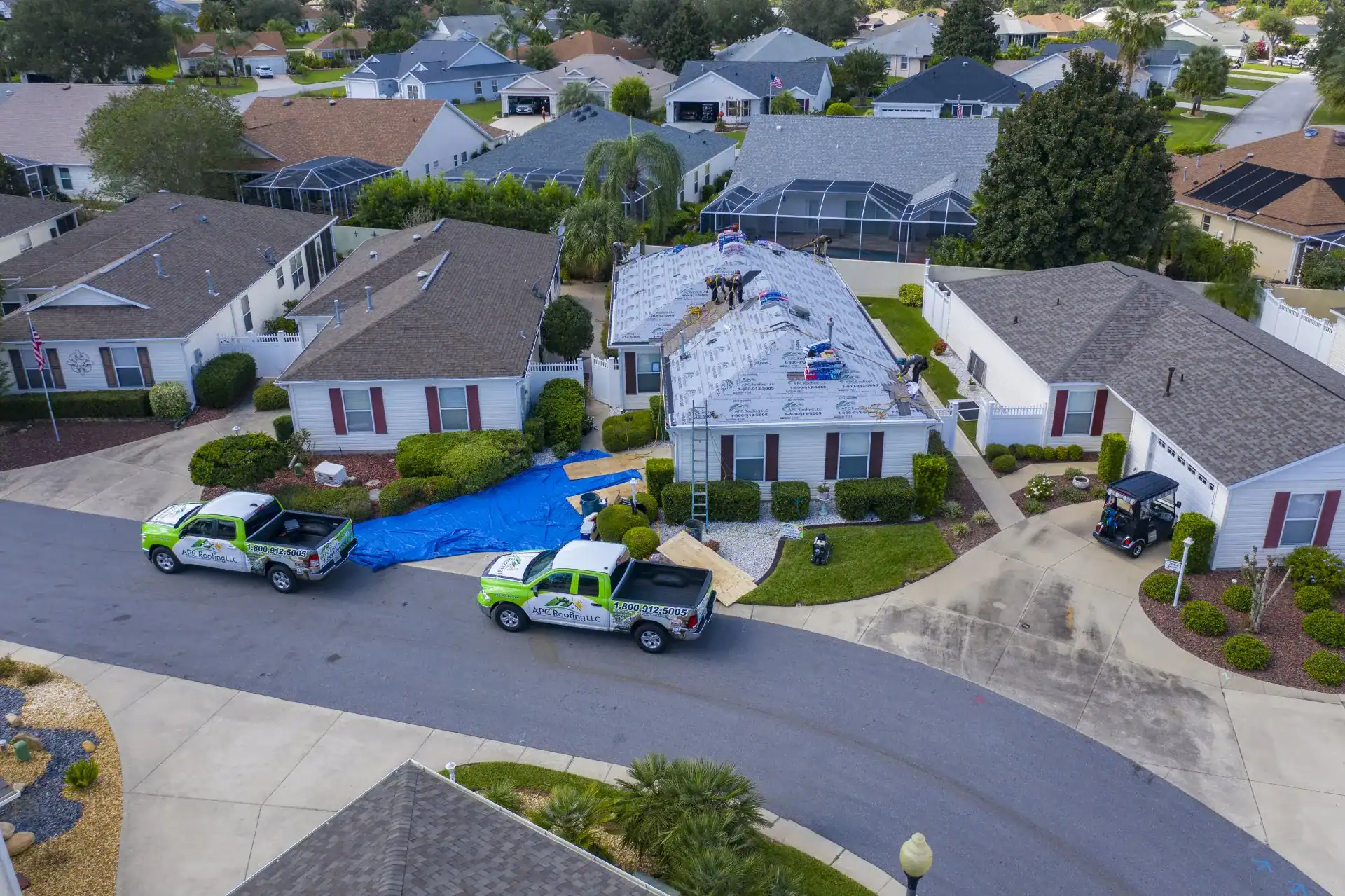
APC Roofing has repaired and replaced storm-damaged roofs since 2017 across Central Florida, the Daytona Beach area, the Kansas City metro and Springfield, Missouri. We’re GAF Certified, licensed and insured, and the inspection is free. Call 866-995-0704 to start.
What storm damage roofing covers
Storm work happens in three stages, and each one depends on the one before it. First the roof is protected so no more water gets in. Then the damage is assessed properly. Then the roof is repaired or replaced, based on what the assessment found.
If the storm just passed and you’re still figuring out the first steps, start with our storm damage page. This page picks up from there.
Stage one: keep the water out
An open roof needs temporary protection before anything else. A cover has to extend well past the opening, be fastened so wind can’t get under an edge and lap so water runs over it, not into it. A poorly secured cover can blow off in the next storm and take good shingles with it. Most insurance policies expect you to take reasonable steps like this to prevent more damage, so ask about it right away if you can see daylight or an active leak.
Stage two: find out what the storm really did
The visible damage is rarely the whole story. A real assessment looks at:
- Where water got in. Entry points usually sit uphill from the stain on your ceiling.
- The roof deck. Soaked, softened or delaminated wood has to be found and replaced, not covered over.
- Insulation. Wet insulation needs to come out so it doesn’t trap moisture.
- Edges, ridges, valleys and flashing. These fail quietly and reopen in the next storm.
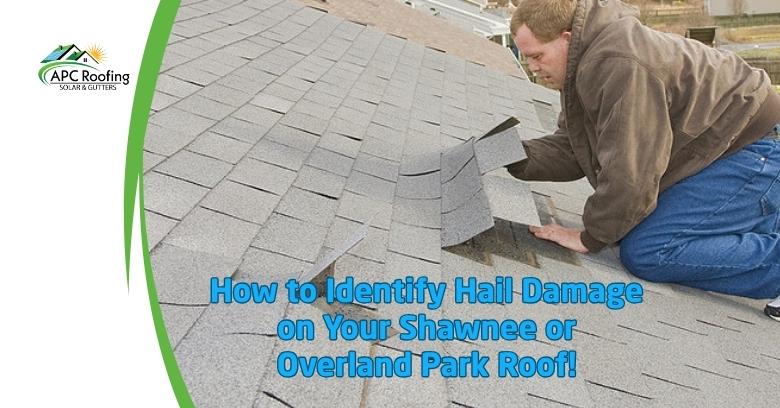
- Hail pattern. Random, similar-sized hits clustered on the storm-facing slopes, plus dents in gutters and vents.
- The edge of the wind damage. Creased and unsealed shingles usually extend well past the bare spot.
All of it should be photographed and written down. Those photos serve the repair and any insurance claim equally well. Our hail damage roof repair and wind damage roof repair pages explain what each kind of damage looks like.
Stage three: repair or replace
This is the decision most homeowners worry about, and you can ask the key questions yourself:
- Is the damage on one slope, or spread across several?
- Do the shingles around the damage still bend, or do they crack when lifted?
- Is the roof deck underneath dry and solid?
- How much of the roof’s life is left? A big patch on an aging roof is money you’ll likely spend twice.
Matching is the other factor. Shingle lines get discontinued and colors fade, so a repaired section can be sound but clearly different from the street. On some roofs, enough of the surface is damaged that a patch won’t restore it.
Building codes can also come into play. In some cases, repairing a large share of a roof means bringing the whole section up to current code, which can change the scope. Ask early whether that applies to your roof.
The right answer is the one the evidence supports. That means photos and measurements you can see, not a verdict called out from the driveway.
Storms where you live
In Central Florida and the Daytona Beach area, most storm damage comes from hurricanes, tropical storms and strong summer thunderstorms. Wind lifts shingles and cracks tile at the edges and ridges, and sideways rain gets in behind flashing.
In the Kansas City metro and around Springfield, spring and summer storms bring hail and straight-line winds. Hail bruises shingles and dents metal, and the damage often doesn’t leak until a season or two later.
Rebuild it better than before
If the roof is being replaced, it’s a chance to fix what the old one did poorly. Current code often requires some of that anyway, like better fastening, underlayment and edge details. Beyond code, a few upgrades are worth asking about, depending on where you live:
- Impact-rated shingles in hail country. The top rating, Class 4 under UL 2218, means a shingle held up when a two-inch steel ball was dropped on it from 20 feet. Some insurers offer a credit for them, so ask your agent.
- Six nails per shingle instead of four, which many manufacturers require for their higher wind ratings.
- A sealed roof deck where wind-driven rain is the bigger threat, as it is in Florida.
- Stronger edge metal, since edges are where wind does its first damage.
If you choose an upgrade your insurance doesn’t cover, the difference is yours to pay. Financing through Aqua Finance, Fortifi, Hearth or Home Run Finance can help spread it out.
Timelines after a big storm
When a storm hits a whole region, crews, materials, permits and inspections all back up at once. Temporary protection comes first, the assessment follows quickly, and permanent work is scheduled as materials and crews allow. Interior repairs come after the roof is closed up, since there’s no point finishing drywall under a roof that still leaks.
Insurance and your storm-damaged roof
You file your own claim and pay your deductible. We document the damage, write a detailed estimate and work with your adjuster. Be wary of anyone who offers to waive or cover your deductible. See our insurance roof claims page for the full process.
How it works with APC Roofing
- Book your free inspection. Call 866-995-0704 or request a free online estimate.
- Get a clear, honest assessment and estimate. You’ll get photos, a written estimate and a straight answer on repair versus replacement.
- The roof gets done and the site gets cleaned up. Many residential shingle replacements are finished in a single day.
Storm damage roofing questions
How do I know if my roof needs a full replacement after a storm?
Widespread damage across several slopes, brittle shingles, soaked decking or an older roof all point toward replacement. Damage on one slope of an otherwise healthy roof usually points to a repair.
Can I get a second opinion on a storm damage estimate?
Yes, and it’s a reasonable thing to do. A good assessment comes with photos, so a second roofer can check the same evidence.
Should I upgrade my roof after storm damage?
If you’re replacing it anyway, it’s the least expensive time to upgrade, since the old roof is already coming off. Impact-rated shingles make the most sense in hail-prone areas like Kansas City and Springfield.
A roof that’s whole again
Storm damage that isn’t leaking yet usually will. Getting a clear assessment now gives you the most choices and the clearest insurance record.
Picture a sound roof, a dry house and a decision you feel good about. Call 866-995-0704 to book your free inspection.