A ceiling tile in the back office has a brown ring that wasn’t there in March. Or a tenant sends a photo of a bucket on the floor, and the storm that caused it ended two days ago. You need commercial roof repair in Springfield, MO, and you need it done without shutting the business down or paying for a roof you don’t need yet.
That’s the hard part for most building owners. A low-slope roof is out of sight, the leak inside is rarely right under the hole outside, and two contractors can look at the same roof and hand you very different answers. You deserve to see what’s actually wrong, with photos, before anyone talks about money.
APC Roofing has worked on roofs since 2017. We’re GAF Certified, licensed and insured, and the inspection on your building is free.
Why commercial roofs in Springfield leak
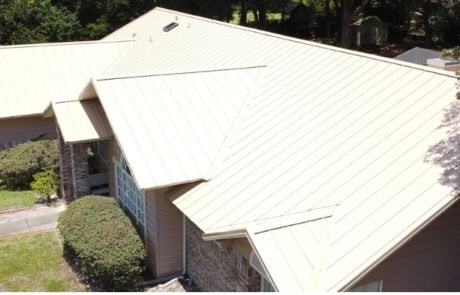
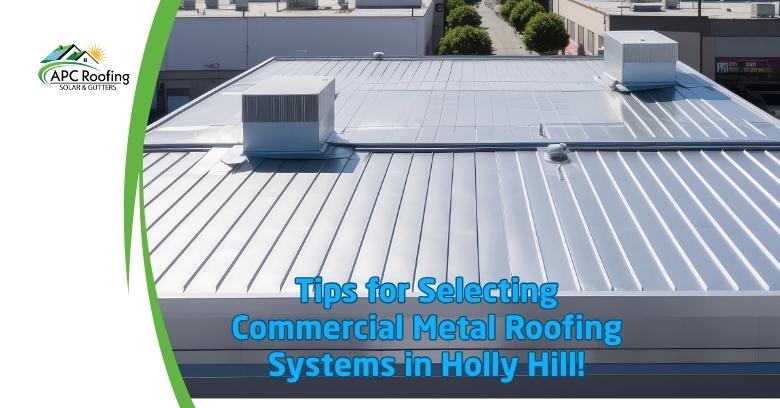
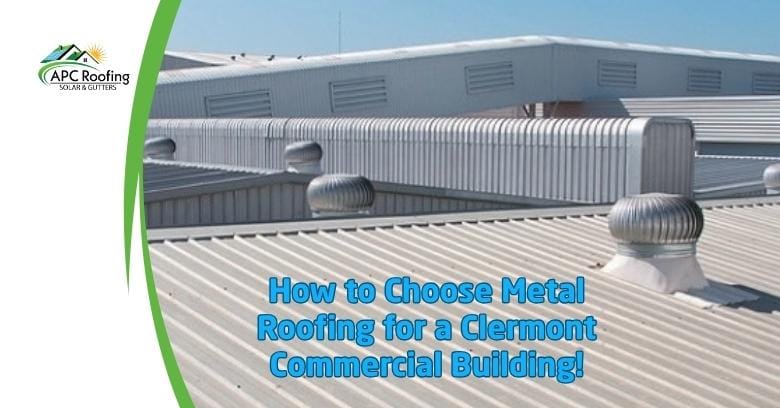
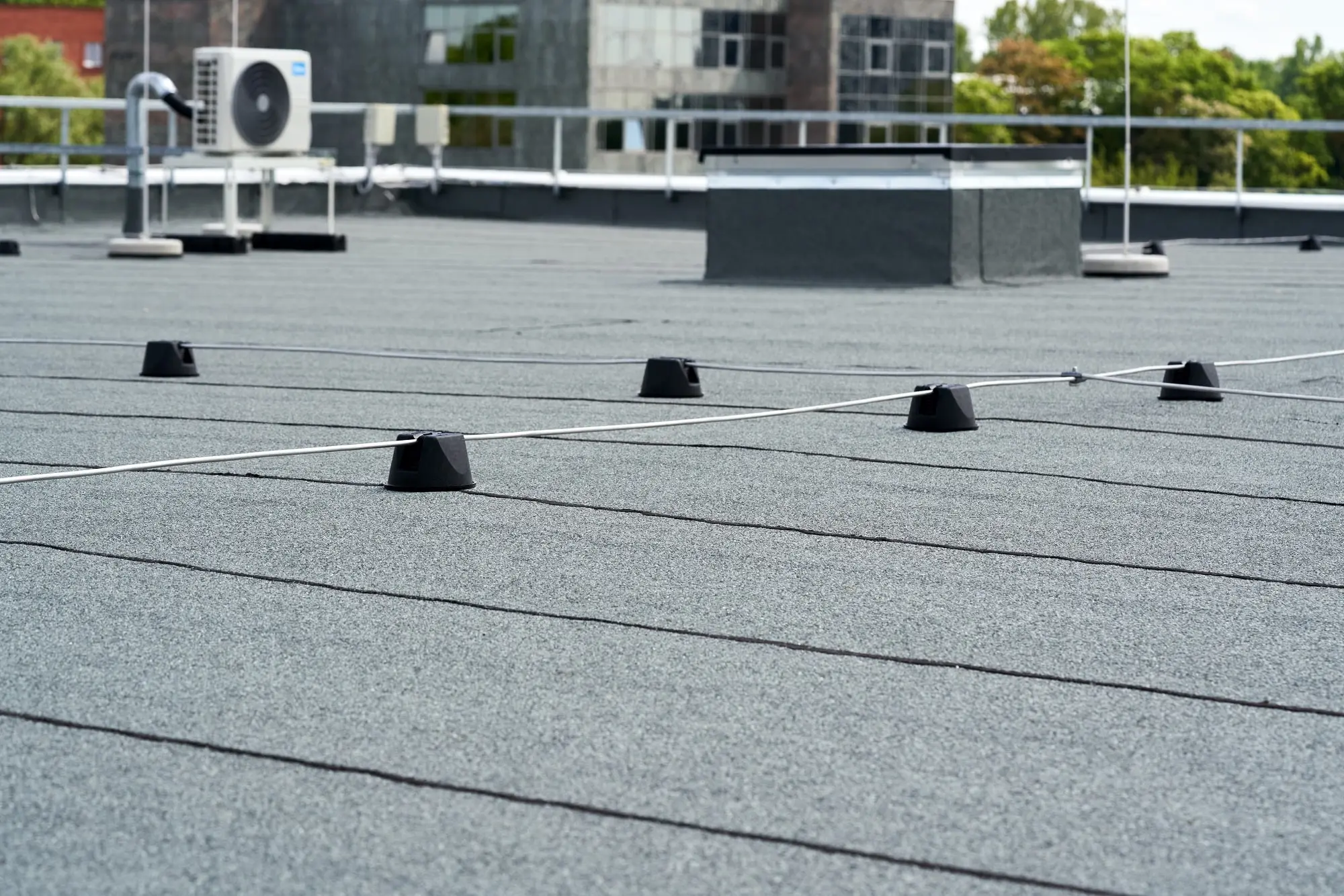
Most commercial buildings around Springfield have a flat or low-slope roof: a single-ply membrane like TPO or EPDM, a built-up roof with layers of felt and asphalt, or a metal roof on a shop or warehouse. Each one fails in its own way, but the causes tend to fall into a short list.
Seams and laps. Single-ply roofs are rolled out in sheets and joined at the seams. When a seam loses its bond, water gets in along the edge and travels under the membrane before it finds a way down.
Flashings and penetrations. Every pipe, vent, curb and rooftop unit is a hole in the roof that has to be sealed. These details take most of the movement and foot traffic, so they’re where many commercial leaks begin.
Drains and standing water. A roof that’s “flat” still needs a gentle slope to its drains or scuppers. When a drain clogs with leaves or the deck sags, water sits for days. Standing water ages the membrane faster and finds every weak spot.
Edges and walls. The metal edge and the flashing up a parapet wall take the brunt of the wind. If they loosen, the wind can get under the membrane.
What Ozarks weather does to a low-slope roof
Springfield gets real weather in every season, and a commercial roof feels all of it.
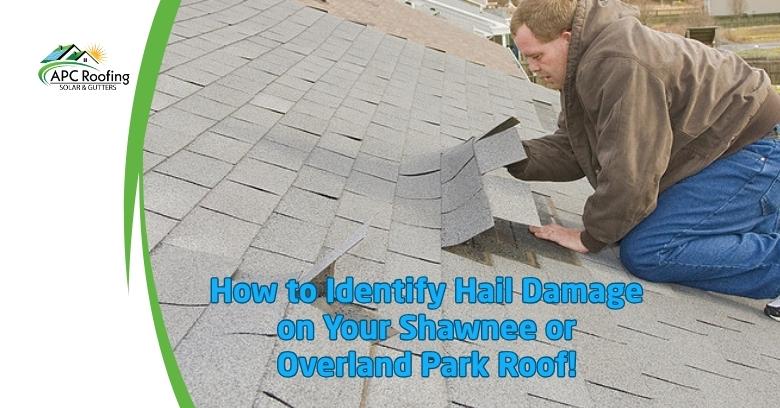
Spring brings hail and hard thunderstorms. Hail can bruise or puncture a membrane, crack the insulation boards underneath and dent metal edge trim. Some of that damage doesn’t leak right away, which is why a roof can look fine from the ladder and still have a problem.
Winter is the slow one. Water that gets into a seam or under a flashing freezes, expands and pries the gap a little wider. After a few freeze-thaw cycles, a hairline opening becomes a steady drip.
Summer heat makes the roof expand and contract every day. Over years, that movement pulls at seams and fasteners, especially on dark roofs that get very hot by afternoon.
Finding the source before fixing anything
On a big flat roof, guessing is expensive. Water can enter at a seam near the edge and show up as a stain thirty feet away, after running along the deck or through the insulation.
A good commercial roof inspection looks at the drains and scuppers first, then the seams, flashings, curbs and edges. Inside, it checks the ceiling and the underside of the deck where it can be seen. Where a leak is active, the inspector looks for wet insulation, because wet insulation under the membrane changes the answer. A patch on top won’t dry it out.
You get the findings in writing with photos, marked to where they are on the roof, so you or your building manager can see the problem for yourselves.
Repair, or is it time to replace?
Most commercial roof problems are local. A failed seam, a cracked flashing around a rooftop unit or a clogged drain can be repaired, and the rest of the roof keeps working.
Replacement starts to make sense when the damage is widespread, when a lot of the insulation is wet, or when the same areas keep failing after repairs. If that’s where your building is, you’ll hear it plainly, along with the reasons. Our commercial roofing installation page walks through what a new roof involves.
The right answer also depends on what you plan to do with the building. A roof on a building you’ll sell next year calls for a different plan than one you’ll own for the next twenty.
Repairs by roof type
TPO and EPDM. Seam failures, punctures and loose flashings are the common repairs. A new piece is cleaned, primed and bonded over the damaged area, or a seam is rewelded on TPO. You can read more about each system on our TPO roofing and EPDM roofing pages.
Built-up roofs. Blisters, cracks and worn spots where the gravel surface has washed away. Repairs rebuild the plies in the damaged area.
Metal roofs on shops and warehouses. Loose or worn screws, open laps and rust at cut edges. Replacing failed fasteners and sealing laps often stops the leak.
Keeping the business open while the roof gets fixed
Your customers and employees are under that roof. Before work starts, it’s worth agreeing on a few things with whoever runs the building: when the noisier work happens, where materials come off the roof, and whether rooftop air intakes near the work need to be covered for a while. Small details like these keep a repair from turning into a disruption.
How it works
- Book your free inspection. Call 913-398-5020 or request a free online estimate.
- Get a clear, honest assessment and estimate. You’ll get photos, a written summary of what’s wrong and where, and a plain recommendation: repair now, plan for replacement, or both.
- Get the work done and the site cleaned up. The repair is scheduled around your business, and the crew cleans up before leaving.
If a larger project is needed, financing is available through Aqua Finance, Fortifi, Hearth and Home Run Finance.
A small leak over a stockroom is easy to ignore until the ceiling tiles sag. Water in the insulation spreads quietly, and a repair that would have covered a few square feet can grow into a section that has to be torn out.
Commercial roof repair questions
Can you repair a commercial roof in winter?
Often, yes. Some adhesives and sealants need warmer temperatures to cure, so the method may change with the weather, and some work is better saved for a mild stretch. You’ll get a timeline that fits the season.
Will a repair void my roof’s warranty?
It can, if the work doesn’t follow the manufacturer’s requirements. If your roof is still under a manufacturer warranty, have the paperwork handy when we inspect so the repair can be planned around it.
How do I know if the insulation under my membrane is wet?
Soft spots underfoot, stains that keep coming back and blisters in the membrane are common signs. An inspection can confirm it. Wet insulation is one of the main things that decides between repair and replacement.
Do you handle hail damage on commercial roofs?
Yes. We inspect and document the damage, write an estimate and work with your adjuster. You file the claim with your insurance company and pay your deductible. Be wary of anyone who offers to waive or cover it.
Call about commercial roof repair in Springfield, MO
Call 913-398-5020 or start your free estimate online. You can also see everything else we do for business owners on our Springfield commercial roofing page.
The goal is a dry building, a roof you understand, no surprise bill and a plan you can budget for. Trust matters.