Your building’s roof has been patched more times than anyone can count, and the last budget meeting ended with someone saying, “We need to look at a new roof.” Now you’re the one getting bids for commercial roofing installation in Springfield, MO, and the bids don’t look alike. One quotes TPO, another quotes something else, and nobody has explained why.
It’s a big spend, and it’s hard to judge when the roof is over your head and the details are in roofer shorthand. You deserve a plan you understand, built from what’s actually on your roof, before you sign anything.
APC Roofing has been in business since 2017. We’re GAF Certified, licensed and insured, and the inspection and estimate for your building are free.
Start with what’s up there now
A new commercial roof is only as good as the decisions made before the first sheet goes down. That starts with the existing roof.
The first thing to count is layers. Building codes generally limit how many roofs can stack up, so a building that has already been recovered once usually needs a full tear-off.
Then there’s the insulation. Wet insulation under the old membrane has to come out, because trapping it under a new roof leads to blisters and rot.
The deck comes last, and it matters most. Steel, concrete and wood decks each take different fasteners and adhesives, and rusted or soft areas need repair before anything goes on top.
A thorough inspection checks all of it. It’s also the only fair way to compare bids, since a low number that assumes a recover over wet insulation isn’t the same job as one that includes a tear-off.
Choosing a roof system for a Springfield building
Most low-slope commercial roofs in the area fall into a few families. Each one has its place.
TPO. A single-ply membrane, usually white, with seams that are heat-welded into one continuous sheet. The light surface reflects sun, which helps in Springfield’s hot summers. It’s a common choice for offices, retail and warehouses.
EPDM. A rubber membrane that’s been on commercial roofs for decades. It stays flexible in cold weather, which suits Ozarks winters, and its seams are joined with tape and primer instead of heat.
Built-up roofing (BUR). Layers of felt and asphalt, often topped with gravel. It’s heavy and durable and takes foot traffic well, but it’s heavier on the structure and slower to install.
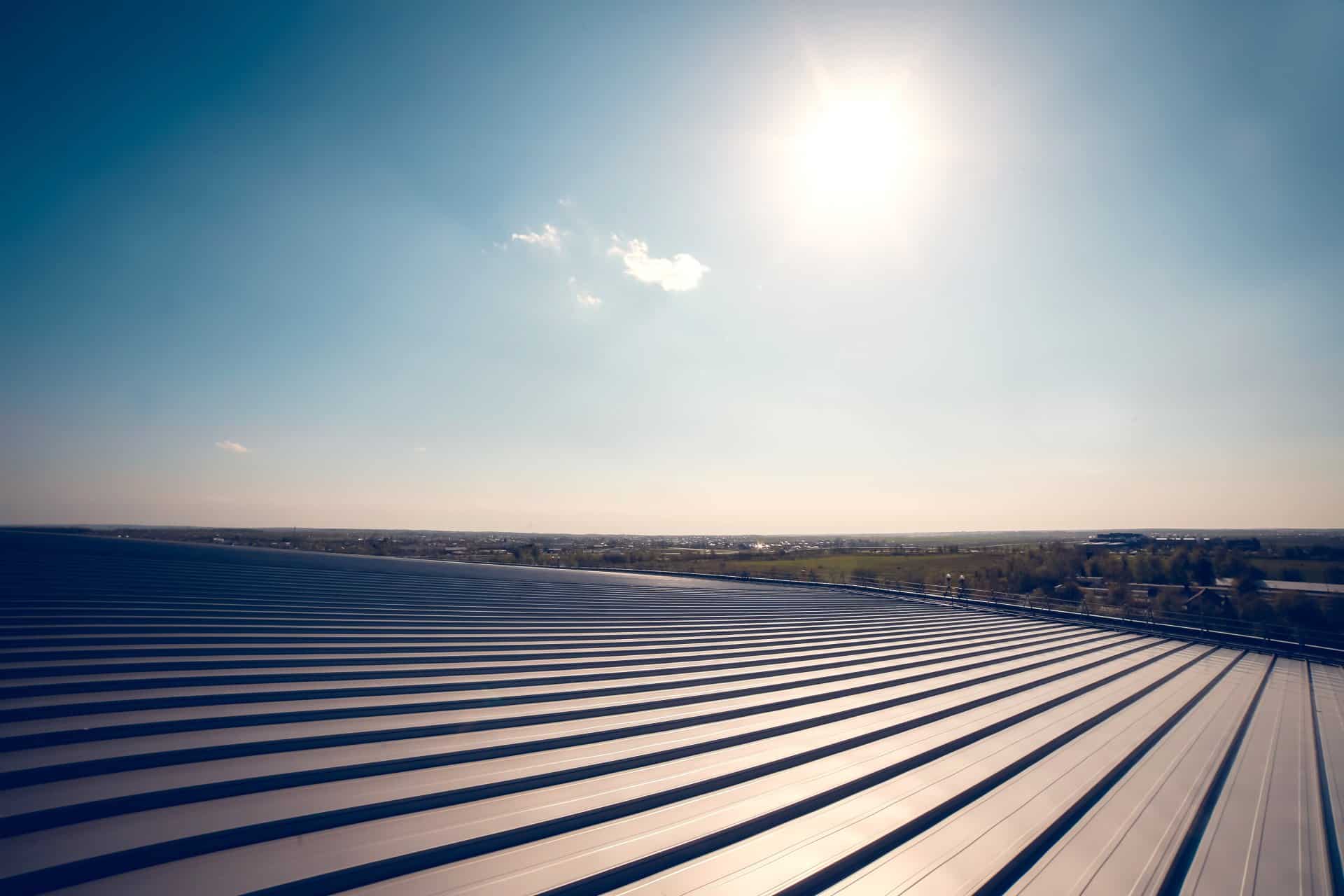
Metal. On shops, warehouses and some offices, a metal roof is the right call, especially where the slope allows water to run off quickly.
The right pick depends on your building: how much foot traffic the roof gets from HVAC techs, what’s happening inside, how the roof drains and how long you plan to own the property. You should hear the reason behind a recommendation, not just a product name.
Insulation and drainage are part of the roof
The layers under the membrane matter as much as the membrane. Rigid foam insulation keeps heating and cooling costs in check and gives the membrane a firm base. Tapered insulation can also add slope toward the drains on a roof where water used to sit for days.
Drainage is worth getting right while the roof is open. If a section ponded on the old roof, a replacement is the time to fix the slope, add or relocate drains, and make sure scuppers and overflows can handle a Springfield downpour.
Built for Ozarks weather
Springfield sees hail in the spring, hard thunderstorms through the summer, and freeze-thaw cycles all winter. A few design choices help a new roof handle that:
- A cover board over the insulation, which gives the membrane more protection from hail
- Edge metal and perimeter attachment designed for wind uplift, since the edges and corners take the strongest wind
- Flashing details around curbs and walls that allow for the roof’s movement as temperatures swing
These aren’t upgrades for their own sake. They’re the details that decide whether a roof holds up through its first big hailstorm.
Keeping your business running during the install
A commercial reroof happens over people working, shopping or storing inventory. Before work starts, it helps to agree on a schedule with whoever manages the building: which sections get done when, when the louder work happens, how materials come off the roof, and how rooftop air intakes near the work are handled.
On a large roof, the work is usually done in sections, with each opened area closed back up before the weather turns. Timelines depend on the size of the roof, the system and the season, so you’ll get a realistic schedule with your estimate rather than a promise.
How it works
- Book your free inspection. Call 913-398-5020 or request a free online estimate.
- Get a clear, honest assessment and estimate. You’ll get photos of the existing roof, findings on the deck and insulation, a recommended system with the reasons behind it, and a written estimate.
- Get the roof installed and the site cleaned up. The work is scheduled around your building, and the crew cleans up before leaving.
Financing is available through Aqua Finance, Fortifi, Hearth and Home Run Finance if you’d like to spread out the cost.
Waiting has a cost, even if it’s quiet. Every season on a failing roof lets more water into the insulation, and wet insulation is what turns a straightforward recover into a full tear-off.
Commercial roofing installation questions
Can a new roof go over my existing one?
Sometimes. If the building has only one roof, the insulation is dry and the deck is sound, a recover can be an option. If any of those aren’t true, a tear-off is the better choice.
Is TPO or EPDM better for a building in Springfield?
Both work well here. TPO’s white surface helps with summer heat, and EPDM stays flexible in the cold. The best fit depends on the building, so the recommendation comes after the inspection.
Should I repair or replace my commercial roof?
If problems are limited to a few areas, a repair may give you more years. Our commercial roof repair page covers that side. Widespread wet insulation or repeated failures usually point to replacement.
Do you install flat roofs on smaller buildings too?
Yes. Low-slope roofs on additions, garages and small commercial buildings are covered on our flat roof installation page.
Plan your commercial roofing installation in Springfield, MO
Call 913-398-5020 or start your free estimate online. For an overview of everything we do for business owners, see our Springfield commercial roofing page.
The goal is a roof you don’t have to think about: a dry building, a budget that holds and confidence that you chose the right system. Your satisfaction is our reputation.