Your roof needs work, and the roof itself isn’t even the hardest part. A storm came through and you’re not sure how insurance fits in, or the estimate is bigger than what you’d planned to spend this year. Those two questions, how the claim works and how you’ll pay for it, are what our specialty roofing services are here to answer.
It’s normal to feel uneasy about both. Insurance paperwork is confusing, and after a big storm there’s no shortage of people promising to make the whole thing easy. You deserve plain information about who does what, so you can make the decision yourself.
APC Roofing has served homeowners since 2017 across Central Florida, the Daytona Beach area, the Kansas City metro and Springfield, Missouri. We’re GAF Certified, licensed and insured, and your inspection is free. Call 866-995-0704 to start.
What our specialty roofing services cover
Most of what we do is repair and replacement on shingle, metal, tile and flat roofs. This page covers the two jobs that sit next to that work:
- Insurance claim documentation when storm damage may be covered by your policy
- Roof financing through outside lending partners when you’d like to spread out the cost
Each one has its own page with more detail: insurance roof claims and roof financing.
Insurance claim documentation: who does what
A roof claim goes smoother when everyone’s role is clear from the start.
Your part: you contact your insurance company, file the claim and pay your deductible. You also make the final decisions about your home and your policy.
Your insurer’s part: the insurance company sends an adjuster, reviews the damage and decides what your policy covers. Nobody else can make that call.
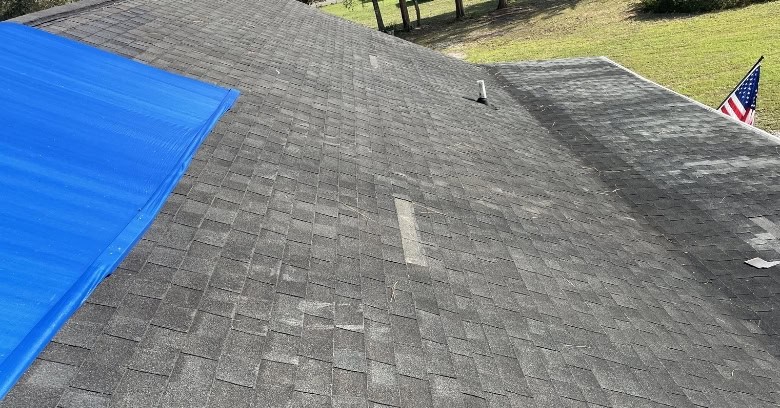
Our part: we inspect the roof, photograph the damage, write up a detailed estimate for the repair or replacement and work with your adjuster so the damage on your roof is clearly accounted for.
That’s the whole arrangement. We don’t decide coverage, and we can’t change what you owe under your policy.
What good claim documentation looks like
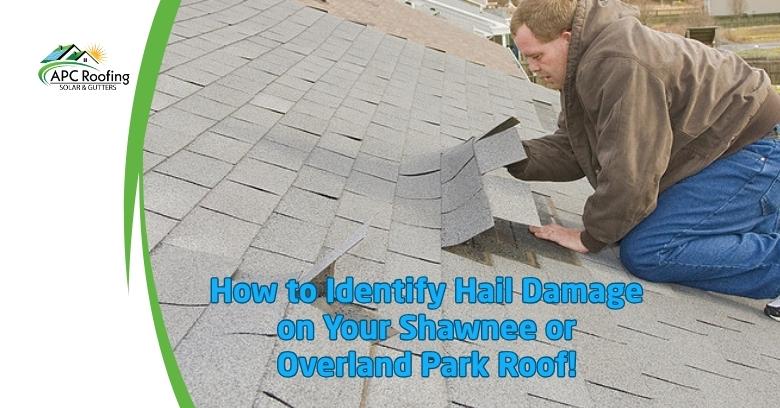
Good documentation shows the damage the way an adjuster needs to see it. Wide photos show the whole slope and where the damage sits on it. Close-ups show individual hail hits, creased shingles or loose flashing. Dented gutters and vent caps help confirm the size of the hail. The estimate then lists what needs repairing or replacing, piece by piece, so it can be checked against the photos.
In Central Florida and the Daytona Beach area, most claims follow wind and hurricane damage. Around Kansas City and Springfield, hail is the more common cause. Either way, the sooner the damage is documented after the storm, the clearer the record. Check your policy for any reporting deadline, because that date comes from your policy and not from any roofer. Our storm damage page covers what to do in the first few days.
Protecting yourself during a claim
Storms bring roofers from out of town, and most homeowners can’t tell a good one from a bad one on the doorstep. A few warning signs are worth knowing:
- Anyone who offers to waive, cover or rebate your deductible. Be wary of that offer, whoever makes it.
- A form called an “inspection authorization” that’s really a contract. Read anything before you sign it.
- Promises about what your insurance will pay. Only your insurer decides that.
- Pressure to sign the same day.
Put these questions to any contractor, us included. A company that plans to be around in five years won’t mind answering them.
Roof financing through our partners
Not every roof waits for a convenient year. If paying for a repair or replacement all at once doesn’t work, financing is available through four lending partners: Aqua Finance, Fortifi, Hearth and Home Run Finance. The lender sets the terms, and your options depend on your application.
Before you sign any financing agreement, ask the lender:
- What’s the total cost over the life of the loan?
- If there’s a promotional period, what happens the day it ends?
- Is there a penalty for paying it off early?
Get those answers in writing. A good financing offer is one you fully understand. You can also visit our financing page to see how to get started.
When a claim and financing meet
Sometimes your claim covers the storm damage, but you’d like to go further while the roof is open, like moving up to impact-rated shingles or replacing a slope the storm didn’t reach. Your policy pays for what your insurer approves, and the difference is yours. Financing is one way to spread out the cost of the extra work. Your deductible is still yours to pay, whatever else is going on.
How it works with APC Roofing
- Book your free inspection. Call 866-995-0704 or request a free online estimate.
- Get a clear, honest assessment and estimate. You’ll get photos of what we found and a written estimate. If it looks like storm damage, you’ll know before you decide whether to file a claim.
- The roof gets done and the site gets cleaned up. Many residential projects are finished in a single day.
Questions about claims and financing
Do you file my insurance claim for me?
No. You file your own claim with your insurance company. We document the damage, provide the estimate and work with your adjuster.
Should I call my insurance company or a roofer first?
Either order can work. Many homeowners get a free inspection first so they know whether there’s real storm damage before they file. If you can see an opening in the roof, call your insurer right away and ask what they need from you.
Does a free inspection mean I have to file a claim or hire you?
No. The inspection and estimate are free, with no obligation either way.
Can I finance a roof repair, or only a full replacement?
Both may qualify. Your lender decides what it will finance and on what terms, so ask about your specific project when you apply.
Get the answers before you decide
Waiting on a damaged roof rarely makes the claim or the repair easier. Small openings let water into the decking, and storm damage gets harder to document as the months pass.
Get your questions answered, then make the call that’s right for your home and your budget. Call 866-995-0704 to book your free inspection.