There’s coarse, sandy grit collecting at the bottom of your downspout. A few shingle edges near the ridge have started to curl, and there’s a dark streak down one side of the roof you don’t remember seeing last year. Your asphalt shingle roofing is telling you something, and you’re not sure if it means a small repair or a whole new roof.
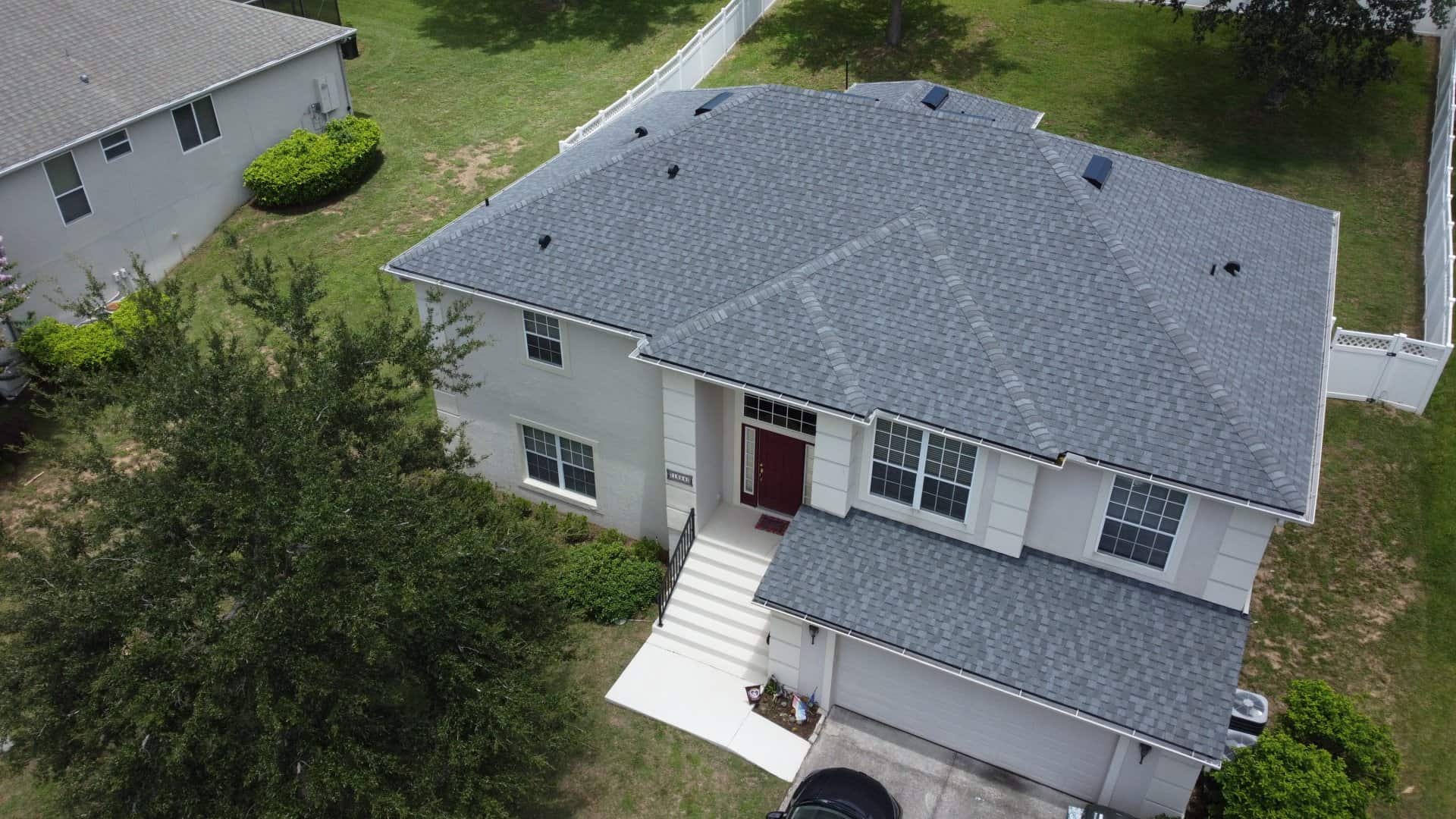
That uncertainty is the hard part. Nobody wants to spend thousands on a replacement too early, and nobody wants to find out about a problem from a ceiling stain. You deserve someone who’ll explain what they see and let you decide.
APC Roofing has been repairing and replacing asphalt shingle roofs since 2017 in Central Florida, the Daytona Beach area, the Kansas City metro and Springfield, Missouri. We’re GAF Certified, licensed and insured, and your inspection is free. Call 866-995-0704 to set one up.
What an asphalt shingle is made of
An asphalt shingle has three parts, and each one has its own job.
A fiberglass mat in the middle gives the shingle its strength and shape. Asphalt coats the mat and does the actual waterproofing. Mineral granules are pressed into the top layer of asphalt, and they’re there to block the sun. Ultraviolet light breaks down asphalt quickly, so the granules take the beating in its place.
Once you understand that, most of the warning signs make sense.
The signs, and what they usually mean
Granules in the gutters. A few after a new install is normal. A steady supply on an older roof means the asphalt underneath is losing its sun protection.
Curling or cupping edges. Heat slowly cooks the oils out of the asphalt, and the shingle stiffens and pulls up at the edges. Curled shingles catch wind and let rain in underneath.
Cracks across the surface. By this point the asphalt is weathering directly. Leaks usually aren’t far behind.
Dark streaks. In humid climates those black stripes are usually algae. It’s mostly cosmetic, and many shingles are now made with copper-coated granules that resist it. Don’t pressure wash it off. That strips the granules you need.
Missing or creased shingles after a storm. A crease across a shingle means wind lifted it and folded it back. The seal is broken even if the shingle is still there.
What your local weather does to asphalt shingles
Asphalt shingles behave the same everywhere. The weather decides what wears them out first.
In Central Florida and the Daytona Beach area, it’s the sun and the water. Year-round UV and summer heat age the asphalt, humidity feeds algae, and afternoon thunderstorms and hurricane season drive rain sideways into any lifted edge. Wind ratings and proper nailing matter a lot here.
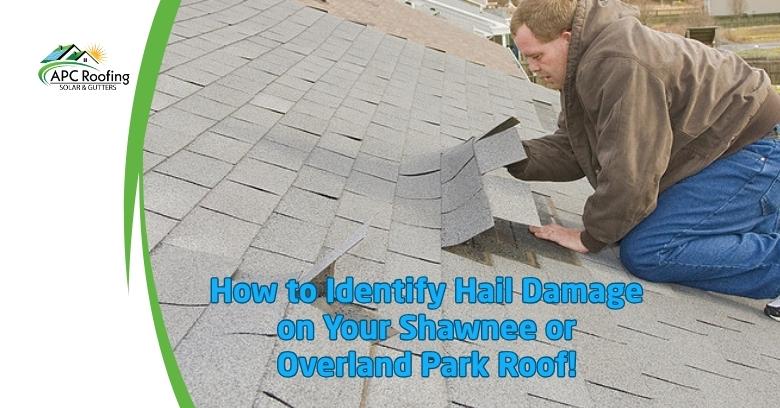
In Kansas City and Springfield, hail is the big one. A hailstone can knock granules loose, bruise the mat inside the shingle and break the seal between rows, and none of it may leak until months later. Freeze-thaw cycles in winter also work water into small cracks and make them bigger. An impact-rated shingle is worth asking about when you replace.
The kinds of asphalt shingles
Most asphalt shingle roofing falls into three groups.
- 3-tab shingles are a single flat layer cut into tabs. They cost the least and look the plainest. See our 3-tab shingle roofing page.
- Architectural shingles bond two layers together for more thickness, better wind resistance and a deeper look. They’re the most common choice for full replacements today. See architectural shingle roofing.
- Premium or designer shingles are heavier still and made to look like slate or wood shake.
Repair or replace your asphalt shingle roof?
A repair usually makes sense when the damage is in one area, like a few blown-off shingles, a cracked pipe boot or a leak at one flashing, and the rest of the roof still has plenty of granules and flexible shingles. Our shingle roof repair page covers what that work looks like.
Replacement starts to make sense when the signs above show up across the whole roof, when leaks keep coming back in different spots, or when storm damage is widespread. A roof that’s worn everywhere tends to keep finding new places to leak.
Two habits help any asphalt roof last longer. Keep branches trimmed back so they don’t scrape the surface or drop debris into the valleys. And clear leaves out of valleys and gutters so water keeps moving off the roof.
How it works with APC Roofing
- Book your free inspection. Call 866-995-0704 or request a free online estimate.
- Get a clear, honest assessment and estimate. You’ll see photos of what we found and hear plainly whether a repair will do or the roof is ready for replacement.
- The work gets done and the site cleaned up. Many residential shingle roofs are replaced in a single day, and the yard is swept for nails before the crew leaves.
Financing is available through Aqua Finance, Fortifi, Hearth and Home Run Finance.
In Central Florida? See asphalt shingle roofing in Orlando.
Asphalt shingle roofing questions
Is it normal to find granules in my gutters?
On a brand-new roof, yes, for a little while. Loose granules from manufacturing wash off. On an older roof, a steady amount means the shingles are wearing out.
Can algae streaks damage my roof?
Algae is mostly a looks problem. It’s not worth risking the shingles to remove it. If it bothers you, ask about algae-resistant shingles when you replace.
Are asphalt shingles a good choice in Florida?
Yes, when they’re the right product and installed correctly. Wind ratings, the nailing pattern and a sealed starter strip at the edges are what matter most in hurricane country.
What do asphalt shingle roofers check during an inspection?
Granule loss, curled or cracked shingles, lifted or creased shingles, flashing around chimneys and walls, pipe boots, valleys, and signs of water in the attic. You should get photos of all of it.
Know what your roof needs, then decide
The signs on an asphalt roof build slowly, and that gives you time. Use it. A worn spot that gets fixed this season is a much smaller job than the water damage it can lead to after a few more storms.
You’ll end up with a roof you trust, a dry house and an estimate with no surprises in it. Call 866-995-0704 to book your free inspection, or start your estimate online.