Planning Asphalt Shingle Roofing in Orlando Florida?
APC Roofing puts down granule-surfaced coverings from the deck up, from a small cottage to a large two-story house.
Dial 407-270-1129 and a visit will show what condition everything is in.
Anatomy of a Covering – a Closer View
Each shingle is built on a fiberglass mat for strength, and a saturant of asphalt seals out rain, and granules rolled into the surface shade everything beneath from ultraviolet rays.
Products that seem alike from the driveway can vary a good deal underneath, and more heft commonly lets a covering weather more summers. A swatch offers the look and nothing more, while the maker's data sheet lists wind and impact ratings.
Traditional and Textured – Setting Them Apart
Each three-tab unit is a lone layer slotted in two places near the bottom, so the surface shows neat uniform lines. An architectural shingle glues a shaped overlay onto a full-width base, and the staggered outline throws shadows that suggest depth.
The double-ply build adds material and weight, and a stronger wind class is commonly assigned. A dimensional shingle is nailed through its double-thickness strip, and most manufacturers print guide lines there.
The Case for Strip Shingles – Practical Niches
A detached garage, a shed or a porch often suits three-tab well, while a house already wearing that type can be matched. Several makers now offer that style in fewer colors than before, so a close pairing may take some searching.
A dimensional surface disguises minor unevenness in the sheathing, whereas straight single-ply lines reveal each flaw. Underlayment and flashings are the same under either style, and the shingle itself is the only part that changes.
Surface Wear Over Time: New Versus Worn
Some surplus grains rinse off a recently installed covering, and that shedding is expected. When an older covering sends piles of grit down the spouts, its mineral shield is wearing thin, and asphalt left bare hardens and fractures in the heat.
Planes aimed south or west receive the harshest sun, so the damage is usually heaviest on them.
Courses Held Together: Resisting Uplift
Each shingle carries a stripe of heat-activated glue, and a stretch of warm, sunny days softens it until the overlying row sticks. Adhesion keeps air from getting under the exposed edge of each course, but nails remain the main fastening for the life of the covering.
On a chilly job at the colder end of our territory, sealant may sit inactive until spring, and strong wind may raise tabs in the meantime. Dabs of asphalt cement applied by the installer are what makers specify in that case, and a printed diagram marks the spots and their spacing.
Holding Pieces Down – Why Accuracy Counts
Every nail belongs inside a narrow stripe the manufacturer marks, where the shank also catches the headlap of the row below. A standard shingle gets four fasteners, while steep pitches and windy locations need six.
A nail driven high pins one layer instead of two, excess air pressure buries the head in the mat, and a slanted shank lifts the shingle laid over it. A bundle's wind class holds only when the printed pattern is followed, and a pneumatic tool set wrong makes the same mistake again and again.
The Structural Base – Older Houses
The deck under asphalt shingles is usually plywood or OSB, and each shank has to land in solid material. Homes that once wore wood shakes may still have spaced slats up top, so a layer of sheathing comes before shingles.
Once the old covering is off, any soft or delaminated section is cut out and swapped for sound decking, since a nail in punky fibers pulls loose. Installers leave a slim gap where sheets meet, because swelling in damp seasons buckles anything laid too tight.
The Secondary Layer – What It Does
Building rules in most places require a water-resistant membrane over the deck, and it goes down in horizontal runs that lap downhill. Synthetic material has taken over from traditional felt on most jobs, because the replacement is lighter to carry and harder to rip.
Moisture that sneaks beneath a shingle is carried off by the membrane, yet the maker limits how long it may be left uncovered.
Membrane at the Eaves – How Far Up
At the colder end of our territory, attic warmth melts snow on the upper slope, and meltwater hardens again once it reaches the cold rim. Water pooling behind that buildup can back up under the shingles, and plain underlayment admits it around each nail hole.
A rubberized self-adhering membrane is laid along the eave where ice dams form, and it continues until it passes the wall line inside the house. Across every part of our service area, valleys and skylight curbs frequently get it too, because those junctions carry heavy flow.
Perimeter Flashing: Under and Over
A bent metal drip edge runs along the eaves and up the rakes, and the lip carries water clear of the fascia. On the lowest margin the underlayment laps over the flashing, but on the gable sides the order reverses.
Edge metal around the whole perimeter is a code requirement in many towns, as water tends to wrap under an unprotected rim.
Groundwork at the Eave – No Substitutes
A purpose-made starter strip lines the bottom of every slope, so the sealant is positioned right at the lip. A field piece set backward carries its adhesive uphill, out of reach, so nothing but nails holds the lowest border down.
Many manufacturers call for starter along the rakes as well, since wind crossing the roof tugs at its outer lines.
Junctions of Adjoining Planes – Keeping Nails Clear
Open valleys expose a painted or galvanized liner along the fold, while the closed-cut type runs shingles from one side across and trims the other side along a chalk line. Weaving is a long-standing technique for thin, flexible tab shingles, while makers generally advise against it for architectural shingles.
The middle of the trough is kept free of fasteners, and an adhered membrane lies underneath the whole length. A mat of leaves lodged in a valley traps water and grime, and diverted water can work under the neighboring courses.
Vertical Surfaces: Transitions Between Materials
Every course that meets a wall gets its own folded step flashing, and the exterior finish hangs down across the standing half. An angled kickout sits at the foot of the house face, because otherwise rain soaks the framing.
A chimney gets an apron across its front, steps along its sides and counterflashing let into the mortar joints, and a wide stack also needs a cricket upslope to split the flow.
Holes for Plumbing – Upkeep Notes
Every pipe boot pairs a flat base of metal or plastic with a snug neoprene collar, and the sealing ring stiffens and cracks as it weathers. Courses above lap over the flange's top edge, and water running down the slope passes over the exposed lower part.
Rubber collars commonly split long before the field gives out, so new boots come with every new covering.
The Topmost Seams – Vents Beneath
Each hip and the ridge get a row of cap shingles across the joint, and a dimensional line comes with its own heavier companion product. Improvised pieces from cut tabs are lighter and thinner, and in winter at the colder end of our territory the fold is prone to cracking.
A continuous ridge vent frequently lies under the cap row, so the nails must be long enough to pass through it and bite the sheathing.
A Healthy Upper Story: Common Problems
Soffit vents are where outdoor air is supposed to enter, and a ridge exhaust lets it out. Batts pushed hard against the sheathing at the wall line can block movement, and baffles stapled between rafters maintain a clear lane.
An attic with poor airflow runs hot under the decking, and it also holds moisture rising from the house. At the colder end of our territory, frost gathers on exposed nail points on a freezing night, and it drips onto the insulation once the day grows mild. Two kinds of exhaust on one attic may work against each other, because suction then draws from the nearest opening instead of the soffits.
One Product Everywhere: Wind, Sun and Winter
The area we serve spans cold, dry high country and warm, wet flatlands, so a shingle ages in its own way depending on the setting. At the coastal end of our territory, the large storm systems blow for hours, and product sheets set out an enhanced nailing method. Long seasons of strong sun dry out the oils in the coating, while streaks spread faster where the air stays sticky.
At the colder end of our territory, repeated freezing opens small splits further, and packed snow sits on the slopes for days.
Pelting From Above: Lab Testing
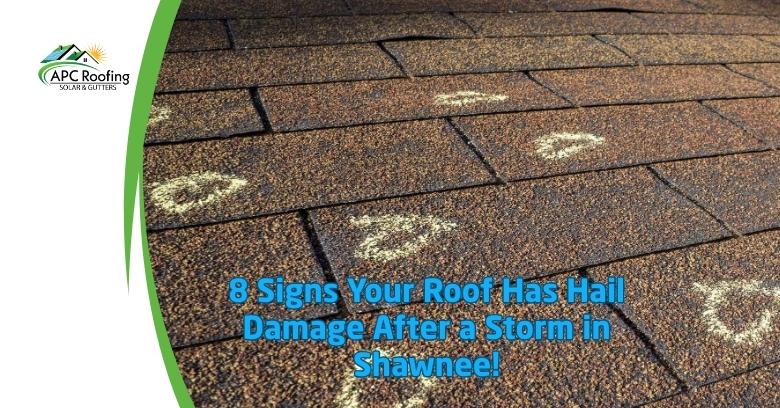
At the colder end of our territory, hail falls in many storm seasons, so shingle lines that stand up to it are common. Where a stone lands, the granules break away in a round mark, while a sharp jolt can split the mat itself.
The impact class on a bundle comes from a standard drop test with steel balls, and the better lines survive rough treatment more often. Plenty of makers use a polymer-modified coating, which lets the shingle flex instead of shattering.
Strong Gusts – The Damage Done
Force builds most at the eaves, the rakes and each corner, so any piece that has come unstuck shakes in each blast. A tab bent far back keeps a mark along the fold, and the damaged spot stays weak for good. Shingles harmed that way come out and new ones go in, while one that only lost its seal can be cemented back down.
Blown-off tabs leave the underlayment uncovered, and ultraviolet rays wear it down fast.
Roof Growth: Shade and Damp
Blackish trails are colonies of algae, and it thrives on the limestone mixed into the asphalt. At the humid end of our territory, faces under trees and out of the sun collect it soonest, and the film alone rarely shortens the life of the covering.
Moss is more serious, because it stays wet for days, and its roots creep under the tabs and pry them up. A jet under high pressure scours the protective stone off, so a mild product rinsed on softly is the better choice. Copper-bearing mineral is blended into algae-resistant lines, while rain running over a zinc band near the ridge holds the stain back.
What the Color Changes – Matching Bundles
Dark shingles soak up more sunlight and run hotter, while light ones reflect much of the light skyward. Certain companies make granules designed to scatter infrared rays, and a reflectance rating appears on the data sheet.
Material made on separate days is rarely a perfect match, so shingles from several bundles are mixed as the courses go on. A multi-tone blend disguises minor variations well, while plain shades display every one of them.
Getting Up There – Frost and Footing
By midday in warm weather the material becomes tender, and each tread can leave a mark. At the colder end of our territory, cold tabs grow brittle and crack when stepped on, while frost at dawn makes the footing treacherous.
Owners do best to stay off the ladder altogether, and a good pair of field glasses picks up loose or missing pieces.
A Second Layer: Pitfalls
Building rules in many places allow a new roof on top of an existing one, though not where two are already down or the sheathing is soft. Leaving the first layer on keeps the decking covered the whole time, so any weakened patch gets buried under the added courses.
Every ripple below telegraphs to the surface, and step and valley metal commonly remains in service. Two layers put more pounds on the rafters than they were planned to hold, while longer fasteners are needed to reach solid sheathing.
Signs on the House: Outside and In
- Mineral grains build up in the gutter troughs, and the heaps come back after each cleaning.
- Gaps appear where pieces have blown off, which tells you the glue line failed.
- Bottom corners curl upward, and the asphalt is drying out.
- Tabs show fine breaks from edge to edge, and the mat underneath takes on water.
- Dark, smooth patches appear on the surface, and bare asphalt now meets the weather.
- A rubber collar around a vent pipe has split, so moisture can track down inside.
- A strip of flashing at a dormer is rattling free, which lets wind-driven rain in behind it.
- A brown ring shows on a ceiling, and the source can lie well uphill of it.
How APC Roofing Approaches Asphalt Shingle Roofing in Orlando Florida: What to Expect
An inspection opens with a walk over every slope, with a close look at the valleys, vents, flashings and edges. The attic is checked from inside for stains and light coming through, and the underside of the deck shows where water has been.
Every fault is photographed, with measurements taken of the extent. A written summary lays out what was found, and each suggestion is explained. A small fix is described as small, and a worn-out covering is identified as such. What happens next is the owner's decision, and waiting is one of the options.
Asphalt Shingle Roofing in Orlando Florida – Help From People Who Know the Details
Reach us at 407-270-1129 to book a time.
Mending or Starting Over: Brittle Material
Changing a boot, resealing a flashing or swapping a few torn tabs is everyday repair work, and the sound shingles nearby stay in service. A replacement piece looks brighter than the aged ones around it, and the original product line may have been discontinued.
Stiff, dried-out shingles split when raised for nailing, so the pieces beside the work may need to come out too. Where the whole field is cupped and losing grit, replacement makes more sense than more patching.
Life Expectancy: What Moves the Number
Flat three-tab designs usually run fifteen to twenty years, while dimensional ones often manage a decade more. Ventilation, exposure and fastening decide where a given covering lands, while one bad storm can end the run early.
A look at the vent collars and metal details every so often makes sense, because minor gaps closed promptly spare the sheathing.
For a roofer's view of Asphalt Shingle Roofing in Orlando Florida, get hold of APC Roofing at 407-270-1129. The covering is inspected from the gutters to the ridge, and you get the findings in writing and choose.
Verified

Verified
Verified
Verified
Verified