Searching for Storm Damage Roofing for a House in Overland Park Kansas?
APC Roofing climbs onto the shingles once bad weather has passed through, reading the flashings and the vents along the way.
Reach us at 913-398-5020 to arrange a visit from a roofer.
What Fast Air Does to a Roof: a Detail Worth Knowing
The eaves, the rakes and the ridge carry the heaviest load of any gust, and a broad open middle carries far less of that duty. Air that gets under a raised lip pries at the shingle set above the lip, so a nail under a shingle ends up doing the whole job alone.
A corner of a house sits where two paths of wind meet, which is why an installer sets more attachment points into that area. A row of shingles at that outside edge carries more push than a row set farther out, and a closer-set fastener arrangement there is a direct answer to that pressure.
What the Crew Leaves to the Sun: No Machinery Involved
A bead of adhesive runs beneath every shingle, which is what keeps a shingle from lifting in a light breeze. Wind can undo a bond that summer heat put together, and the shingle shows no gap at all.
A broken seal stays quiet for the next windy spell, so nail heads take on whatever weather follows. A single shingle off a bond hurts nothing taken alone, but a cluster of parted shingles makes a real opening.
The Rating on a Bundle: Worth a Second Look
Technicians secure factory-fresh material to a sample and close every seal, and moving air is then driven across the surface at a measured speed. A covering installed for years responds differently on a rough day than unweathered material would, so an early rating speaks to day one, never to a roof much later.
Placing a fastener above the strip reduces how much surface a nail can grip, so a slope lets go sooner than a printed number suggests. A shingle ages from the moment installation finishes, and stiffness follows, which is why an early rating belongs to day one alone.
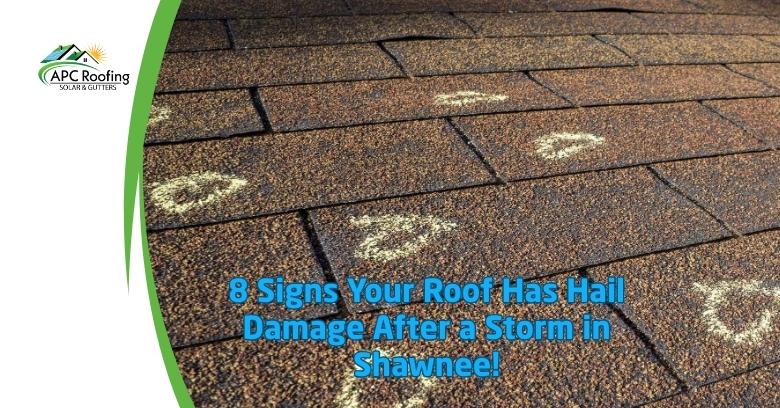
Hail Against a Shingle: More Than a Dimple
At the colder end of our territory, spring storms drop the heaviest stones, and the size eases as a storm tracks eastward. The force of a hailstone buries granules in the layer set below, and the struck spot goes soft under a thumb.
A shingle blocks water through an inner core, not the shingle's own face, so damage that deep counts as structural, not cosmetic. A hail-marked shingle gives up service life sooner than a sound shingle nearby, so a covering with widespread hail damage develops trouble in scattered places.
The Rest of a Roof's Hardware: Quiet Evidence After the Fact
What a thick shingle takes without complaint can bruise a light-gauge trim piece, and a mark left that way keeps the same shape for years. A collar broken by a strike quits sealing where a pipe passes through a roof, and a ceiling underneath is usually where that water first appears. A gutter knocked about at the front still moves water as designed, while a crimped downspout carries water over the leading lip without help.
Lighter items up on a roof get checked the same way as the shingles, which keeps a whole roof in one set of findings. Dented metal parts rarely turn up where the asphalt above escaped unharmed, so marked shingles hardly ever stand next to hardware with no marks at all.
What Ends Up in a Downspout: More Than Dirt
Small stones pressed into a shingle's face shield the material beneath the surface, and a sheet with nothing left on top goes brittle fast. Heavy rain sweeps freed grains down toward a downspout outlet, so a drift of sand at that point tells a roofer something worth knowing.
A section exposed like that shortens the years a covering has left, so a minor patch grows into a larger fault over time. Sand in a gutter run is material the roof no longer carries, and the quantity found says something about how hard a storm hit.
Rain That Arrives Sideways: a Different Kind of Path
Every overlap in a shingle assembly assumes gravity alone does the moving, but pressure coming from the side changes the entire calculation. A turbine housing passes rain through once wind reaches a certain speed, and dampness pulled in that way lands on the insulation nearby.
A Branch Across a Slope: Harder Than the Damage Looks
A concentrated load transmits pressure through only a few square inches of contact, and the framing takes the full brunt of that force. A board can crack even though the covering keeps a normal shape from above, so an inspection covers both the top of the slope and the space beneath.
Debris dragged by wind leaves a scraped trail across the roof, and the outline follows exactly where that motion carried. Repairing a fractured deck means opening the slope above the fracture, and the work grows once the true extent becomes clear.
What the Attic Shows: Simple to Follow
Brightness passing through the framing tells where the covering gave way, so a person can pin down the location before ever climbing outside. Moisture leaves rust at nail tips and a darkened trail through the wood, and following that mark upward usually leads to where water first got in.
A sunken patch in loose fill points to a regular drip somewhere overhead, because crushed fibers hold far less warmth than fibers left airy. A driven shower through a vent can wet framing at the gable end, so nothing on the covering needs disturbing at all in a case like that.
What Shows Up Indoors: Reading the Stain
Discolored edges spread outward from where rain finally let go, because the flow often runs along a rafter for some distance before falling. Peeling alongside a joint says the board underneath stayed damp for a while, and appearance on that surface says almost nothing about the size of a break.
Water near any electrical fixture is reason enough to cut power at the breaker, since the shock risk outweighs anything a bucket below can fix. Staining on both sides of a chase usually points at the metal overhead, which puts the search exactly where two different materials meet.
The Metal Details on a Roof: Quietly Doing Real Work
The wall component depends on staying lapped correctly as well as anchored firmly, so the entire system is only as strong as the weaker of the two parts. Wind lifting a rake edge can peel that length of metal back off the trim underneath, and the covering can begin to unzip from that corner inward.
Caps at the top of a roof face turbulence from both directions at once, and the seam stays unsealed the entire distance the instant that connection fails. Vent sections pulled free let weather straight into the space a vent once covered, which wets structure over a much longer run than the opening suggests.
Openings for Daylight – Not the Same as a Window
A built-up curb keeps the glazing above the level of the covering, because water must never arrive at that base head-on. A hailstone can star the top layer of glass and leave the lower layer whole, so a new cap goes in at the same time.
A polycarbonate cover can take a hit and end up scored across the surface, and warm weather can lengthen a split that started out tiny. Condensation locked inside a sealed unit cannot simply be wiped away, and that fixture gets swapped rather than dried out.
Too Much, Too Fast: Reading the Signs
A sudden downpour can pass along more volume at once than a trough can handle, which sends standing water toward the wall rather than clear of the house. Anything gathering on the roof can pile up at the single opening meant to move debris onward, which puts strain on brackets never designed to take that much moisture.
What Bridges the Gap: Made to Outlast the Wind
A patch of poly over a break can buy time until conditions allow proper work, so nobody should mistake that covering for a completed repair. A covering battened along every edge stays firm without further help, and each screw for that step reaches into the rafters underneath.
Loose weight on top rarely secures a sheet once the gusts pick up, which does more harm than leaving a gap exposed in the first place. Every penetration made in haste becomes one more spot to seal properly, which keeps the rest of a slope free of new punctures.
Sizing Up the Aftermath: a Simple Trail
A camera goes over the roof while the marks a storm left are still fresh, so a complete set of images exists from the very outset. Each damaged spot gets a number attached in ordinary figures, since scale is difficult to judge without a fixed reference.
Weather keeps working on an open roof within days of a storm passing, so waiting even a little loses detail nobody can get back afterward. Anyone reviewing the file sees the same pictures and notes a homeowner already has, and the record describes the roof, and nothing beyond the roof.
Strange Faces at the Curb: a Few Plain Questions
Out-of-town vans can tour a neighborhood once a storm has passed, and a share of that traffic does solid, honest work. Paperwork handed over on a driveway still counts as a real contract, and reading every line before agreeing is always worth the extra minute.
A contractor whose office sits nearby stays reachable long after the work is done, which is no small consideration when picking who does the work. Urgency coming from a salesperson rather than the condition of a roof deserves suspicion, and asking a second opinion before committing is always reasonable.
What a Repeat Visit Brings: Picking Up Where Things Left Off
A slope carrying broken seals meets the next gust already at a disadvantage, so the threshold for further failure drops with every fresh episode. A fold formed in one storm marks a weak line that never fully disappears, which no amount of resealing along the edge actually cures.
A second wave of runoff can travel past a roof deck and straight indoors, and the list of materials still needing work can lengthen quickly. Sheathing soaked more than once loses grip on the fasteners driven into the wood, so that section has to come off along with the shingles above.
What to Watch For After a Storm: Inside and Out
- Shingles out of line on a single plane, easy to spot from a sidewalk.
- Dents in a vent hood, a cap or a length of trim, unchanged by anything since the storm.
- Coarse sand lying in a trough, noticeable at cleaning time.
- Light where there should be none up top, anywhere along a ridge line.
- A wet patch upstairs that returns again and again, often in a top-floor room.
- Peeling near the top of a wall, appearing only after heavy weather.
- A cracked dome over a light shaft, once a storm has cleared.
- A length of gutter holding trapped water, after a heavy limb came down.
How APC Roofing Takes On Storm Damage Roofing in Overland Park Kansas: Plainly Explained
Our roofer opens with a slow circuit of the house from ground level, and dented gutters or downspouts get photographed up close from below. Every roof plane gets covered wherever the pitch allows safe footing, and the space beneath the deck gets examined from the attic.
Photographs, measurements and notes get written up and handed over in plain language, and every finding stays tied to a specific spot on the roof. Each recommendation arrives together with reasons that hold up under questions, and a homeowner decides from there without pressure either way.
Storm Damage Roofing in Overland Park Kansas – Help From People Who Know Shingles
Call 913-398-5020 to arrange a visit.
Snow on a Roof – A Sturdier Kind of Build
In the colder end of our territory, a deep white blanket bears down on the framing beneath, and rain soaking into the pile adds weight that dry powder never carried. Ice built up along an eave can hold meltwater back behind that ridge of frost, and water held back that way can find a path up under the lowest courses.
At the colder end of our territory, drifts pile up in valleys and beside dormers, and a heavy accumulation can weigh far more than an even layer spread across the whole roof. Material breaking free can damage anything sitting beneath the eave, and hangers can bend under strain from a sudden release like that.
The Toll Taken Near the Water: Hardware That Fails First
The coastal end of our territory sees systems that last from morning into evening, and gutters and flashing there can corrode faster given the salt in the air. Hours of steady pressure can rock nails back and forth within a fastener hole, and a covering can give way to wind late in an event that started far milder.
Rain driven sideways can get behind siding as well as under shingles during a hard storm, so leaks during that kind of storm can show up in spots that never see water otherwise. Coastal practice generally asks more of every roof edge, so replacement pieces go on using the stricter local pattern.
New Work Beside Old: What Homeowners Should Expect
Granules fade with age, so freshly made stock looks noticeably brighter, so a perfect match is never really on offer. A mended area on a visible elevation can show up as a distinct patch, and that contrast tends to soften somewhat as the new shingles settle in.
An older style no longer sold gets replaced with something comparable, so a gap in tone or texture remains even with careful selection. Scattered repairs across one plane tend to stand apart from a distance, and redoing the whole side is a suggestion worth considering, not a requirement.
The Completed Slope: What to Notice
Replacement shingles bed in as though installed on the original day, and the exposure lines up with the older courses nearby. Each flashing piece laps the piece set lower on the slope, which is what lets the whole assembly shed rain properly.
Every nail head on a mended spot sits beneath the next course up, which is what a wind rating assumes will happen. A dated photograph of a finished repair is worth a homeowner keeping on file, since a later inspection can see exactly what section was replaced and when.
If a search for Storm Damage Roofing brought you here after a storm in Overland Park Kansas, reach APC Roofing at 913-398-5020 and ask for a roofer to take a look. What is up there gets inspected, measured and photographed in full, and the next step gets described without any pressure attached.
Verified

Verified