Searching for Storm Damage for a House in Overland Park Kansas?
APC Roofing climbs onto the shingles once bad weather has passed through, recording what the recent weather left behind.
Phone 913-398-5020 and set a time for a roofer to stop by.
How Air Travels Over Shingles: Not Spread Out Evenly
Along the eaves, the rakes and the ridge the force runs highest, and a wide center area sees far lighter duty. Air that gets under a raised lip pries at the shingle set above the lip, and a fastener beneath a shingle is left holding on unaided.
A corner of a house sits where two paths of wind meet, and builders space the attachment points closer together at that spot. A course beside a structure's outside edge bears a heavier load than a course out in the open, and a crew's layout accounts for that extra pull in advance.
An Invisible Step in Every Install: Not Done at the Factory
A bead of adhesive runs beneath every shingle, which is what keeps a shingle from lifting in a light breeze. A strong blast can snap a bond without moving the shingle, while a section with a frayed seam still looks untouched from the ground.
A broken seal goes unnoticed until the wind returns, so nail heads take on whatever weather follows. A lone row loosened from a bond changes little alone, but a whole run of parted shingles is an opening for the weather.
A Manufacturer's Printed Figure: an Assumption Worth Checking
A test rig holds freshly made stock to a deck with every bond formed on purpose, and a known airspeed is pushed across the surface. Material carrying years of weather no longer performs the way recently bundled material performs, so an early rating speaks to day one, never to a roof much later.
A nail driven above the marked strip catches only the upper edge of a shingle, which puts the actual limit under a label's stated figure. Long exposure to sun leaves asphalt beneath the granules stiffer than new, and a fresh-stock rating cannot speak for a weathered roof.
Hail and What a Strike Leaves – a Mark With Depth
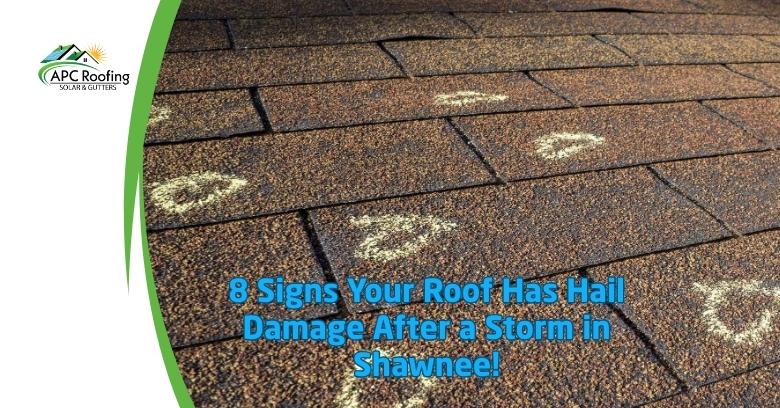
At the colder end of our territory, spring storms drop the heaviest stones, and a few minutes of that can change a covering for good. The force of a hailstone buries granules in the layer set below, and a dimple stays on a shingle after a storm passes.
A backing under the grit is where waterproofing happens, so damage that deep counts as structural, not cosmetic. A struck shingle weathers faster than a sound shingle nearby, which shortens the years a covering has left.
The Overlooked Fixtures – Damage With No Warning
A hit the asphalt handles fine dents soft metal beside a struck slope, and nothing pushes a bent surface back into shape once calm returns. Rubber torn at a pipe penetration sends rain straight past a boot's seal, and a ceiling underneath is usually where that water first appears. A dented gutter can still carry water as designed, but a flattened downspout holds a run's water behind a flattened point.
Every light-gauge piece up on a roof gets a separate look on the same trip, which keeps a whole roof in one set of findings. Small dings in the metal and craters in the asphalt tend to come from a single storm, so marked shingles hardly ever stand next to hardware with no marks at all.
A Trickle of Sediment: More Than Dirt
Colored granules bedded into a shingle block sunlight from reaching the asphalt below, which keeps a covered stretch flexible for years longer. A storm's runoff moves dislodged grains into the trough at the eave, and a pile of grit at that spot shows how much broke loose.
A shingle stripped of a protective coat starts to curl at the edges, and small trouble in one place tends to spread outward from there. Sand in a gutter run is material the roof no longer carries, so the next question is simply which face shed the most.
Wind-Blown Rain: Where Water Is Not Meant to Go
A shingle's lap directs a vertical descent down across the surface, which is why angled weather overwhelms defenses built only for a plumb, downward arrival. Off-ridge vents let spray past open baffles once wind picks up, which reads indoors like a fault in the shingles that is not really there.
What a Storm Drops From Above – Weighing the Impact
A concentrated load transmits pressure through only a few square inches of contact, and the framing bears force the finish alone never reveals. A board can crack even though the covering keeps a normal shape from above, which is why the attic gets a separate look after every storm.
A swaying bough polishes a bright curve into the granules a branch touches, and the outline stands out clearly once the pattern is known. A cracked plank is only reachable from the top of the roof, and the work grows once the true extent becomes clear.
Reading the Underside of a Deck – Quick to Check
A gleam higher up signals a gap in the roof, and the location is clear well before anyone climbs onto the roof. A wet section of decking darkens and rust often follows at fastener tips, which lets a roofer trace the mark back to the break above.
Insulation flattened in one place shows where runoff has settled again and again, and a room beneath that area can lose heat as a result. A louver can admit rain into the far end of an attic during a hard blow, and knowing that is worth confirming before anyone opens the slope.
What a Bubbling Ceiling Says: Tracing a Source Upward
Discoloration overhead turns up well beyond the leak, not right next to the start, since water can travel the framing for feet before letting go there. Blistered coating shows paint pushed away from behind by trapped moisture, and appearance on that surface says almost nothing about the size of a break.
A drip at a fan or a light is reason to cut the breaker without delay, since the shock risk outweighs anything a bucket below can fix. A dark line under a flue traces the outer face of the chase, and step flashing along that run gets looked at as well.
Metal at the Joints – Small and Critical
Every wall unit up there is fastened and lapped at the same time, so pressure acting under a slack seam undoes both requirements at once. Uplift at a gable can twist a strip of edge metal out of line, so the section above starts to go the same way once that piece lets go.
Caps at the top of a roof face turbulence from both directions at once, and the seam remains without any seal for the full distance when that happens. Vent sections pulled free let weather straight into the space a vent once covered, and framing well beyond that single spot can end up soaked as a result.
Glass Placed Into the Roof – Not the Same as a Window
Every skylight frame stands taller than the surrounding shingles, and courses step around that rise in a set sequence. A heavy jolt can ruin the upper pane without touching the seal below, so a new cap goes in at the same time.
A dome hit by a falling branch can crack as force travels through the material, and dampness can end up dripping into the shaft as seasons pass. Fogging inside a double-glazed skylight shows the seal around the glass has gone, and that fixture gets swapped rather than dried out.
Too Much, Too Fast: Reading the Signs
Half an inch of rain in a few minutes can overwhelm what sits at the eave, and whatever misses the channel runs down the siding underneath. Buildup at a drop point can turn an entire drain line into a stagnant pool, which puts strain on brackets never designed to take that much moisture.
What Bridges the Gap: Made to Outlast the Wind
A patch of poly over a break can buy time until conditions allow proper work, so nobody should mistake that covering for a completed repair. A covering laid over the high side and anchored on both slopes stays effective, which curbs a sudden surge from ripping the covering free.
A sheet weighted rather than tied down can lift the moment the wind returns, and a house can end up exposed again for anyone to see. Nailing a cover to a clean slope adds unnecessary work down the line, and the solid part of a roof stays untouched by that kind of work.
Sizing Up the Aftermath: a Simple Trail
Photographs are taken of the whole house while conditions still match what a storm left behind, and every face of the house gets included in that record. Measured lengths and a plain description accompany every damaged spot, because a mark's true size is hard to judge without a reference point.
The next rain shower can change what is visible on a damaged slope, so waiting even a little loses detail nobody can get back afterward. A request for documentation gets the same file kept on hand, and none of that material gets altered for anybody's benefit.
Strange Faces at the Curb – Slow Down Before Signing
Crews from far away can show up in numbers soon after severe weather, and a share of that traffic does solid, honest work. A deal reached at a front door carries the same weight as one signed indoors, and reading every line before agreeing is always worth the extra minute.
A roofer with a nearby yard is easy to track down if a question comes up, so a concern that comes up afterward has somewhere to go. Urgency coming from a salesperson rather than the condition of a roof deserves suspicion, and a reliable roofer has no trouble giving a homeowner time to decide.
How Weakness Builds Up – Reading a Pattern
A covering with parted bonds has less holding capacity in reserve, and less force is required with each fresh round of damage. A shingle bent back far enough to crease keeps a permanent line across the whole width, which no amount of resealing along the edge actually cures.
Runoff with an established route moves along that route with little resistance, and interior finishes end up part of the repair once that happens. Repeated soaking softens the wood fibers surrounding every fastener, which turns what should be a simple job into a larger, structural one.
What to Watch For After a Storm: Inside and Out
- Corners of shingles curled or torn loose, on any elevation of a house.
- Dents in a vent hood, a cap or a length of trim, unchanged by anything since the storm.
- Granules washing out where a gutter empties, noticeable at cleaning time.
- Daylight showing between roof boards overhead, near a vent or a stack.
- A wet patch upstairs that returns again and again, usually right under a roof plane.
- A soft spot in the wallboard near a corner, strongest on the side wind blew from.
- A cracked dome over a light shaft, on any unit facing the weather directly.
- A downspout crushed or pulled loose from a bracket, after a heavy limb came down.
How APC Roofing Approaches Storm Damage in Overland Park Kansas – Our Method
Everything begins at ground level, logging anything that fell before going up, so anything unusual gets flagged before the review wraps up. Each roof face gets covered on foot wherever conditions allow, while the underside of the deck gets a separate look from below.
The results get measured, pictured and set down in writing for the file, and every finding stays tied to a specific spot on the roof. Every suggestion carries the thinking behind that call, and the choice of what to do next belongs entirely to the homeowner.
Storm Damage for a House in Overland Park Kansas – Inspected and Measured
Dial 913-398-5020 and describe what is showing up indoors.
Snow Held Overhead – A Sturdier Kind of Build
Out at the colder end of our territory, a large fall remains on the rafters well after the weather has moved on, so the load stays in place long after the clouds clear. Frozen runoff at the roof's edge can pond meltwater on the slope, which the membrane at that edge is meant to guard against.
At the colder end of our territory, valleys and the sides of a dormer fill well past the general depth, which is often where sagging first becomes visible. A mass shedding off the eaves can strip away hardware never meant to hold that force, which is why guards get installed in some exposed spots.
Extra Wear Near the Shoreline: Checked More Often Out Here
Storms at the coastal end of our territory can keep blowing through long stretches of the day, while rain rides sideways for much of that span of time. Sustained force can tire sealant strips and nail holes alike, and a covering can give way to wind late in an event that started far milder.
Water thrown at a house again and again can test every joint in the building envelope, so leaks during that kind of storm can show up in spots that never see water otherwise. Construction near the coast uses stronger edge details as standard practice, which any patch in that region has to respect.
Bringing In a New Piece: Close, Not Exact
Even identical products change tone after years spent outdoors, and nothing leaves a factory looking weathered. A mended area on a visible elevation can show up as a distinct patch, though a season or two eases some of that mismatch.
A discontinued profile gets replaced with the closest style still in production, so a gap in tone or texture remains even with careful selection. Where one face of a house carries too many separate repairs, a patchwork look sets in, and an even surface is often the whole point of a full redo.
A Proper Result: Judging the Job
A mended section sits down without any visible ridges, and the reveal of each course matches the courses nearby. Metal at a wall gets tucked into place rather than glued to the surface, which is what lets the whole assembly shed rain properly.
Every nail head on a mended spot sits beneath the next course up, and the count per shingle matches the maker's specification. An image of new shingles taken soon after the work finishes makes a handy reference, as that record gives anyone looking later something firm to compare against.
If Storm Damage is what brought you here after rough weather in Overland Park Kansas, phone APC Roofing at 913-398-5020 and ask for a roofer to take a look. What the weather left behind gets examined closely and photographed, and the options get laid out along with the reasons for every option.
Verified

Verified