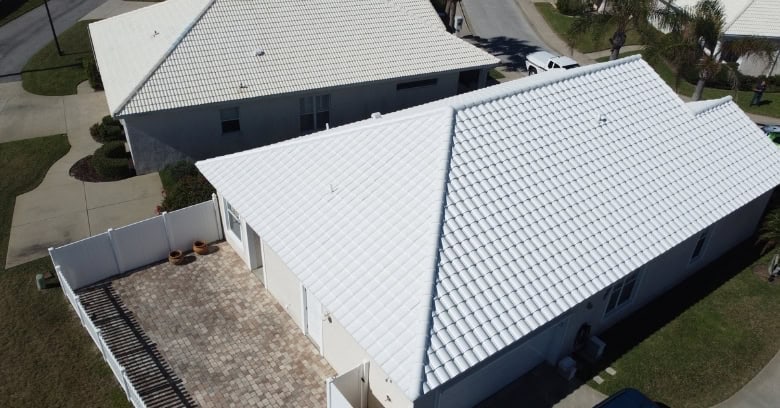
Looking for Roofing Services in Lee's Summit Missouri?
APC Roofing takes care of a routine checkup right up to a complete replacement, across shingle, metal and tile coverings.
Get in touch at 913-398-5020, and a roofer heads out for a look at the house.
What Keeps a Roof Working: What's Tucked Away
The surface a passerby notices is only the outer layer, and a water barrier, plywood and framing sit below the surface. Metal flashing seals the seam at a wall, a pipe or a valley, and trouble nearby seldom means a failure in the surrounding shingles.
Ventilation in the attic ranks as one more working part of the roof, as heat trapped under the boards shortens the life of the shingles above. A brown mark on a ceiling can originate at any level of the roof, so attention paid only to the outside can miss where the water entered.
A Roof at Work: Quiet but Constant
Gravity and overlap send each shower to the ground, while the fastening pattern stands up to uplift. What lies below carries the weight of everything on top, snow included at the colder end of our territory, and intake and exhaust let the attic breathe.
Water is the covering's job, and wind is the fastening's task, and holding the whole thing up falls to what is underneath. A failure in one part puts pressure on neighboring parts, and a lasting fix reaches back to where the fault began.
Small Components on a Roof: Different Timelines
The main covering is built for a long run, but a rubber collar at a vent pipe gives out far sooner. Runoff slips through and travels toward the room, and a ring shows up on the drywall beneath.
A line of caulk at a chimney shrinks with every hot season, and steel flashing corrodes from trimmed edges inward. Ridge caps split across the crease, since the crest takes more weather than the planes below.
Steps Before Heading Up: Near and Far
Seen from the sidewalk, the shape of the roof shows dips, sags and wavy planes, and the eave boards and downspouts can be sized up as well. Binoculars pick out torn collars, lifted tabs and bare patches, but a weak spot underfoot tells what optics cannot.
On the slope, a roofer works over every pipe connector and traces each flashing run, and the shingles are checked for brittleness and thin spots. A rain-slicked or very steep covering stays off limits underfoot, and the eave line, reached by ladder, becomes the vantage point.
Behind the Ceiling: Signs Worth Finding
A tide line on a rafter shows where rain has entered, and moisture felt by hand shows the water is still coming through. Daylight visible between the boards marks an opening, and the spot gets pinned down by distance from the ridge, ready for the outside check.
Nail points gone orange signal damp air, not a leak, and a flattened, discolored patch nearby carries the same message. Insulation stuffed into the eaves, or a bath fan ducted into the attic instead of outside, gets found only from inside, so a street-level glance never catches faults of that kind.
After the Roofer Leaves: the Basics
The visit produces photographs linked to particular spots on the roof, and a line of text says what each image shows. Good sections get the same plain treatment as sections that do not, and weak spots are ranked by how soon attention is needed.
Keeping an older report gives the next check something to compare against, and a pattern over time tells more than a single day ever could. Regular yearly checks keep an owner from being caught off guard, and a big repair signals trouble long before the work is urgent.
Seasonal Shingle Maintenance: a Short Rundown
New rubber boots go on the pipes ahead of any cracking, and brittle beads at the walls get cut out and run again. Needles and leaves get cleared from valleys and from behind chimneys, and downspouts get flushed so water moves through.
A shingle corner resealed in good weather takes little effort, but a season of neglect can end in a ceiling mark. A mat of moss holds water along the lower edges, and the growth gets treated and then brushed away, not blasted off.
A Regular Routine: What to Expect
A roofer's walk-through belongs on the calendar every year, placed right after the toughest season for roofs in that market. Catching things early is the whole point of a regular check, and nobody is left guessing about the roof's condition.
Between checks, a glance from the lawn after a storm is useful, and any new mark on an upstairs ceiling is worth noting. A flashlight trip into the attic twice a year pays off: discolored boards, light through the deck and damp insulation turn up long before anything reaches the space below.
A Roof's Age, Read From the Yard: From New to Worn
Newer asphalt lies smooth and uniform in tone, and past the midpoint the south-facing side lightens ahead of the others. Late in a roof's run, tabs cup and granules wash into the downspouts, and repairs stop holding.
An appraisal from the yard supplies a decent guide, but only a hands-on check settles the matter. A roof near the finish line is better replaced than patched again, and an honest contractor states that plainly, rather than pitching another repair.
A Blocked Channel: the Basics
A roof moves water only as far as the drip edge, and the gutter line handles the flow after that. A clogged or sagging channel pushes water back behind the fascia, and the framing at that spot decays.
A weak area there more often means bad drainage than a shingle issue, and replacing the roof leaves the real cause untouched. Gutter fall and downspout placement get checked together, and the flashing along the eave gets looked over for bent or missing pieces.
Keeping Things Working Underneath: The Basics
A balanced system draws air in low and releases air up high, and the draft clears warmth and humidity from under the sheathing. When that gets blocked, the attic overheats in summer and stays muggy through humid months, and the whole build's service life shortens.
A fan starved of intake draws air from the rooms below, not from outdoors, and two mismatched setups on one roof can work against each other. Swapping the surface with the vents untouched repeats the same problem, so the fix belongs in the same job as the new covering.
Weather Decides Every Job: What Shifts From Place to Place
Where winters bite hardest at the colder end of our territory, ice at the edge shapes the details, and a waterproof membrane covers the bottom few feet of deck. Nearest the coast, uplift resistance governs the fastening choices, and hurricane-rated edges and sealed flashing get specified.
Across the hail belt at the colder end of our territory, impact ratings matter, while intense sun dries out asphalt everywhere we work. The details get set by conditions at that specific location, not routine, and not whatever a past project called for.
Homes and Shops: How the Roofs Differ
A pitched covering sends water downhill by lap, and the surface is usually shingle, tile or metal. A store or warehouse shelters under a nearly flat, sealed membrane, and scuppers and equipment penetrate that same surface.
Many houses have a gently rising porch or addition, and a lapped product there lets water back up under the tabs. A spot shaped that way calls for a sheet membrane, tucked under the steeper roof above, and another layer of shingles there brings back the same problem.
Temporary Covers After Damage: What Lasts a Few Weeks
A sheet shields a gap for a little while, but nothing gets solved underneath. A properly installed cover wraps the ridge and gets pinned under wood strips, and the fabric gets stretched so no loose fold can catch the wind.
A tarp needs to extend well beyond the break, because rain slips in around a snug fit. A cover left up through a whole season holds heat against the surface, and whatever sits below begins to suffer.
Vertical Joints on a Roof: Getting the Work Right
Every course against a wall gets a dedicated step-flashing piece, and a cap of counterflashing laps down from above. A chimney has an apron below and metal run up against both edges, and a wide stack gets a cricket that divides the flow around back.
Sealant slathered on a weak spot lets go as the metal expands and contracts, so a rebuilt detail is the only answer that lasts. Eroded mortar joints let water into the brick above the flashing line, and a mason takes the stonework while a roofer takes the metal.
Getting the Scope in Writing: a Careful Look Before the Ink Dries
The plan for a job names every product by brand, and a plain line covers tearing off versus covering over. A firm outline settles ahead of time how bad wood gets handled, and new metal, vents and the cleanup work appear as separate items.
Offers from different contractors can be weighed point for point, and what one write-up covers and another skips becomes obvious. A roofer who will not put the plan down leaves the owner guessing, since a spoken promise cannot be checked later.
A Tear-Off and Rebuild: the Basic Sequence
Plants take tarps and hard surfaces take padding before the crew begins, and the old covering gets stripped into a trailer. With the old material gone, the plywood gets examined board by board, and any spongy spot gets swapped for new stock.
A water-resistant membrane, fresh flashing and ice protection get installed next, and the main covering, the ridge line and the vents finish the work. A magnet gets run over the lawn and the driveway when the work is done, and the gutters get checked and cleared of scraps.
Maintenance Beyond Asphalt: Particular Needs
Metal sheets held by visible fasteners stay dry because of the gasket under each fastener, and a leaking screw gets paired with a fresh washer. Concrete and clay tile get installed by mortar, by foam or by mechanical attachment, and the real water barrier is the underlayment, not the surface material.
A careless step snaps a piece easily, and a spare of the same profile goes in where one fails. Flat sections show trouble as standing water and raised seams, and clogged drains get cleaned out on a visit.
Signs Worth a Closer Look: From the Yard or the Attic
- Sand-like mineral grains in the gutter runs, in amounts that keep returning each season.
- Curled or lifting edges on the courses, most visible on the sunniest slope.
- Torn rubber where a pipe exits the deck, easy to miss without a zoom lens.
- A ceiling ring in a top-floor room, close to an outside wall or a chimney.
- Pinholes of light in the sheathing, beside a vent stack.
- Moss packed into the laps, holding moisture against the surface.
- A bulge that catches the light at dusk, often pointing to trouble in the deck beneath.
- Rust streaks below a metal joint, easy to spot from the yard.
Roofing Services Across Lee's Summit Missouri: How APC Roofing Works
Before anything gets suggested, a roofer takes in the whole covering and the attic together, and what turns up gets delivered as pictures along with a written explanation. What is holding up gets stated as clearly as what is not, and the next step is left to the homeowner.
Roofing Services in Lee's Summit Missouri: a Roofer Who Reads the Whole Roof
Phone 913-398-5020 and set a time for a visit.
Documentation for the Roof: Useful at Resale
Keeping the install date and the product names is a good start, and adding every inspection report to that folder grows the file. Including a line for every repair, the spot and the method, rounds out the picture, and after several years the weak spots become obvious.
When a house goes up for sale, a buyer's inspector asks about the roof, and a documented account settles the matter later. A second copy of the file, kept somewhere else, is worth having, since a spill or a move should not be able to wipe out everything.
Judging the Result: a Homeowner's Guide
The lines run true from eave to ridge, with rake cuts trimmed sharp, and nails stay covered by the layer above. At each wall and chimney, fresh metal gets set in as the flashing climbs higher, and no gob of roofing cement stands in for a missing piece.
The attic keeps intake and exhaust moving after the job, and the gutter runs finish straight and fastened. The yard gets swept with a magnet before the crew leaves, and wood shavings from a trimmed edge are the most common leftover from the work.
Anyone who came here searching for Roofing Services in Lee's Summit Missouri has one straightforward next step. Contacting APC Roofing at 913-398-5020 moves the scheduling forward. Every visit takes in the whole roof and the attic beneath, with nothing left unclear.
Verified

Verified