Planning Shingle Roof Repair Anywhere in Kansas City Metro Area?
APC Roofing mends torn, curled and lifted pieces and lays complete new coverings for homes of every age and size.
Call us at 913-398-5020 and someone will come out and explain what is up there.
Components and Construction: Plant to Pallet
A mat of glass fibers makes each shingle strong, and a saturant of asphalt seals out rain, and a dense layer of crushed rock granules takes the glare.
Products that seem alike from the driveway can vary a good deal underneath, and a heavier build generally adds years on a house. A display board reveals the shade and little else, but a specification sheet names the ratings.
Choosing a Profile: Appearance and Build
The three-tab type is a single sheet notched twice along the bottom, so the overall look is orderly. An architectural shingle has an irregular top ply fused to a whole base, and the covering appears textured and shadowed.
The double-ply build adds material and weight, and listed wind classes are generally higher. Fasteners on an architectural shingle must catch the overlap of both plies, and most manufacturers print guide lines there.
Strip Products in Use: A Narrow Niche
Three-tab commonly goes on a shed, a carport or a covered porch, while a repair on an older house of that type stays uniform. Fewer colors in that style are stocked than a generation ago, and a favorite shade may be gone for good.
A dimensional surface disguises minor unevenness in the sheathing, whereas straight single-ply lines reveal each flaw. Either style is laid over identical underlayment and metal details, and only the visible layer differs.
Surface Wear Over Time: Sun-Facing Slopes
Excess grains from the factory rinse off in the opening rains, and the amount tapers off quickly. A steady stream of grit from an aging covering shows the top layer is going, and exposed asphalt turns brittle and splits.
The sunniest exposures are the southern and western sides, so the black asphalt often shows through there sooner.
Courses Held Together: Resisting Uplift
Each shingle carries a stripe of heat-activated glue, and bright sunshine activates it so the row above clings. Adhered courses keep their bottom edges down in a gust, and nailing still carries the load year after year.
At the colder end of our territory, a covering installed in freezing temperatures can wait months to bond, so a windy day can fold back tabs that have not taken hold. Manufacturers' instructions call for dabs of roofing cement in that situation, and a printed label spells out quantity and spacing.
Holding Pieces Down: Tools and Technique
Every nail belongs inside a narrow stripe the manufacturer marks, so the shank ties in the row beneath too. Four fasteners per shingle is the standard schedule, while steep pitches and windy locations need six.
A nail driven high pins one layer instead of two, an overdriven head cuts into the mat, and a crooked shank makes a bump that wears through the shingle above it. A bundle's wind class holds only when the printed pattern is followed, and an out-of-adjustment tool spreads one error across a whole face.
The Structural Base – Replacing Weak Sections
Flat sheets of plywood or OSB make up the deck, since fasteners must bite into something continuous. Homes that once wore wood shakes may still have spaced slats up top, and full sheathing is added on top before any shingles.
Once the old covering is off, any soft or delaminated section is cut out and swapped for sound decking, since decayed material lets go of whatever is driven into it. Panels go down with a narrow space along each joint, as moisture makes the wood expand and ridge up when butted tight.
The Middle Layer: Known Limits
The deck gets a water-resistant membrane before shingles are laid, and its runs are lapped so water flows over each joint. Most roofers now use synthetic sheet instead of felt, because the newer product weighs less, tears less easily and lies flatter.
Rain that gets past a damaged shingle drains across the membrane rather than into the deck, but it was never designed to serve as the only covering.
Self-Adhered Eave Membrane: Width That Counts
At the colder end of our territory, attic warmth melts snow on the upper slope, and a frozen band builds along the chilly lower edge. Held back up the slope, water works its way under the tabs, where ordinary underlayment lets it through at every nail.
Where ice dams form, building codes require an adhered membrane at the eave, and it reaches up the slope past the inside line of the exterior wall. In all of our territory, installers also lay it in valleys and around penetrations, because runoff slows and gathers at those spots.
Finishing the Borders: Order of Layers
Every eave and rake gets a formed strip of metal, and a flange throws runoff away from the fascia. At the bottom of the roof, the flashing goes beneath the underlayment, whereas up the gable the sequence runs backward.
Edge metal around the whole perimeter is a code requirement in many towns, because runoff can cling and curl back toward the wood.
Beginning at the Gutter: Installation Order
The first exposed course rests on a dedicated starter strip, so sealant lands exactly where the covering stops. A regular field piece simply turned around leaves its adhesive well back from the gutter, so the lowest run relies entirely on its nails.
The sloped gable edges frequently get starter strips too, because wind catches the outer margins along with the eaves.
Where Slopes Meet: Choosing a Style
In an open design, a formed metal liner carries water down the valley, and the closed-cut type carries one side's courses through while the other side is cut back. Weaving is a long-standing technique for thin, flexible tab shingles, while makers generally advise against it for architectural shingles.
Installers keep nails several inches back from the centerline, while a self-sealing sheet runs beneath from top to bottom. Debris packed into a valley stays damp long after rain ends, so runoff may be forced beneath the cut side.
Brick and Framing Edges – Chimney Aprons
A separate step flashing is tucked under each course where the covering meets a wall, while the exterior finish overlaps the upright flange. An angled kickout sits at the foot of the house face, since water left alone tracks into the sheathing.
Chimney flashing combines a front apron, side steps and counterflashing cut into the brick joints, while a wide one gets a small peaked cricket behind it.
Where Drain Lines Exit – Upkeep Notes
A pipe boot is built from a flat base plate and a stretchy neoprene collar, and ultraviolet exposure dries the gasket out and cracks it. The top portion of the flange goes under the uphill shingles, so runoff flows across the downhill side instead of under it.
Neoprene collars regularly fail well before the field shingles do, so new boots come with every new covering.
Finishing the Apex – Vents Beneath
The ridge and every hip are closed with cap shingles, and architectural work uses a factory-made accessory. Improvised pieces from cut tabs are lighter and thinner, and on frigid days at the colder end of our territory the crease may crack.
An exhaust vent commonly sits under the ridge caps, and nail length is chosen to pass that gap and grip the boards.
Attic Airflow – Mixed Systems
Soffit vents are where outdoor air is supposed to enter, and a ridge exhaust lets it out. Loose-fill insulation piled into the corners can smother the flow, and baffles stapled between rafters maintain a clear lane.
An attic with poor airflow runs hot under the decking, and it traps humidity that drifts up from the living space. At the colder end of our territory, frost can form on the nail tips poking through overhead, and the water runs down as the day goes on. Two kinds of exhaust on one attic may work against each other, and the soffits stop doing their job.
Regional Demands – Humidity and Wind
Our markets take in mountain snow in one place and tropical heat in another, so the forces working on a shingle change from city to city. At the coastal end of our territory, a hurricane can drive powerful gusts for many hours, so a high-wind pattern with more nails is specified. Long seasons of strong sun dry out the oils in the coating, and lasting humidity gives algae room to grow.
At the colder end of our territory, ice forming in hairline cracks forces them apart, while snow cover keeps the eaves cold for weeks at a time.
Balls of Ice: Surface and Below
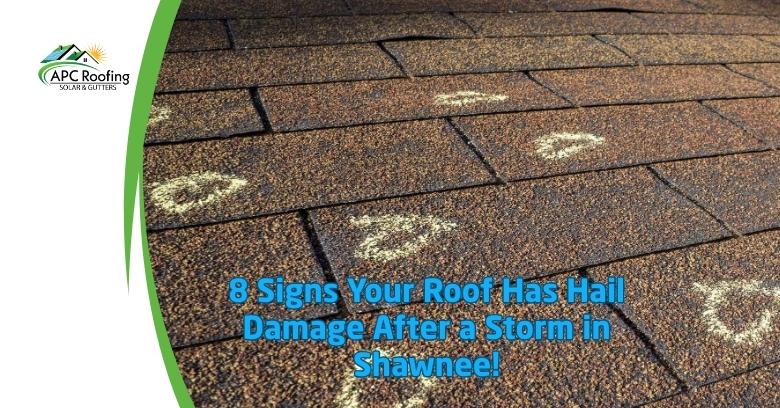
At the colder end of our territory, big hail visits many neighborhoods, and several makers build shingles meant to take the hits. A single stone can leave a dark circle where the granules came off, and a heavy blow may fracture the fiberglass below.
Laboratories rate impact resistance by dropping steel balls from set heights, and the stronger lines come through in better shape. Certain makers blend a rubbery polymer into the coating, so the surface gives a little under a strike.
Blowing Weather: Folded Tabs
Uplift concentrates at the outer margins and the corners, and a shingle no longer stuck down lifts again and again. A tab folded back far enough creases along its width, and it is liable to tear off later. A shingle hurt like that is replaced with a new one, but one that lifted cleanly can be stuck back down.
An empty spot in the courses puts the underlayment in direct sun, and it was never made to stand up to daylight.
Growth on the Surface – Cleaning Without Harm
The inky bands seen on so many houses come from algae, and it feeds on limestone filler in the shingle. Growth spreads quickest on shady faces at the humid end of our territory, though the staining does little harm on its own.
Moss matters more, since it keeps the courses damp, and thick cushions push the lower edges up. Pressure washing takes the granules along with the growth, so a gentle rinse with a cleaner made for roofing is the safer route. Algae-resistant designs mix copper into the surface, while a strip of zinc at the ridge helps keep the stains from returning.
Choosing a Color: Mixing Bundles
Darker shingles get noticeably hotter under a midday sun, while a light gray or tan stays cooler. Specially coated granules now come in a range of hues, and their performance is published as a reflectance value.
Shingles from separate production runs may not match exactly, and makers advise mixing bundles across a slope. A multi-tone blend disguises minor variations well, while a solid, even finish reveals them more readily.
Walking on Asphalt – Frost and Footing
By midday in warm weather the material becomes tender, and each tread can leave a mark. At the colder end of our territory, a frozen shingle can snap under a knee or a boot, while dew that freezes overnight leaves a slippery glaze.
Owners do best to stay off the ladder altogether, since a zoom lens on a phone catches a lot.
Covering What Is There: The Deck Question
Local regulations commonly accept an overlay over an old roof, though not where two are already down or the sheathing is soft. Leaving the first layer on keeps the decking covered the whole time, so a spongy section just stays put.
Curled edges underneath leave a lumpy look on top, and flashing past its prime is usually kept. Stacking one covering on another adds mass that the framing must bear, while longer fasteners are needed to reach solid sheathing.
Clues to Notice: Outside and In
- Grit collects at the foot of a downspout, and the drifts get deeper each season.
- Tabs stand up along one edge, so wind has broken the bond.
- Bottom corners curl upward, and the asphalt is drying out.
- Cracks run across the tabs, and the layer below begins to soak up water.
- Shiny black spots stand out against the color around them, and bare asphalt now meets the weather.
- The seal around a plumbing stack has cracked, and drips may reach the ceiling below.
- Flashing at a chimney has lifted off the brick, so a downpour can run in underneath.
- A brown ring shows on a ceiling, even though the leak may start far from the spot.
How APC Roofing Works on Shingle Roof Repair in Kansas City Metro Area – Plain and Careful
An inspection first covers every slope on foot, and the flashings, valleys, vents and edges get a close look along the way. Inside, the attic is checked for stains and daylight, since the underside of the deck keeps the marks of any old leak.
Any problem is photographed, and damaged areas are measured. The results are put in writing in everyday words, with a reason beside every recommendation. A little problem is never made to sound big, and a failing covering is not dressed up. The final say rests with the owner, and waiting is one of the options.
Shingle Roof Repair for Homes in Kansas City Metro Area: Findings in Plain Words
Reach us at 913-398-5020 to book a time.
Keep or Tear Off: Brittle Material
A failed vent collar, a lifted flashing or several damaged tabs calls for ordinary repair, and the remaining shingles are untouched. A replacement piece looks brighter than the aged ones around it, and the original product line may have been discontinued.
A sun-dried tab breaks as soon as it is pried back, so the disturbed zone keeps widening. If hard, curled courses run from eave to ridge, a patch simply moves the problem along.
How Long Shingles Last: What Moves the Number
Three-tab work generally holds up for fifteen to twenty years, while laminated lines often reach close to thirty. The ranges shift with attic ventilation, climate and installation care, while one bad storm can end the run early.
Checking the flashings and pipe seals now and then is sensible upkeep, because small faults caught in time never reach the deck.
For a roofer's opinion on Shingle Roof Repair in Kansas City Metro Area, phone APC Roofing at 913-398-5020. Every slope, edge and flashing gets a close look, and a plain written report puts the next step in your hands.