Looking for Shingle Roofing in Kansas City Metro Area?
APC Roofing re-covers slopes with laminated or flat strip products on ranch homes, two-story houses and detached garages.
Call 913-398-5020 and a trained eye will check the details and report back.
Components and Construction – Factory Details
Each shingle is built on a fiberglass mat for strength, while the asphalt in the sheet makes it waterproof, and a dense layer of crushed rock granules takes the glare.
Bundles that seem identical on the shelf can differ widely inside, and more heft commonly lets a covering weather more summers. Hue is all a sample chip can show, but the manufacturer's printed sheet gives the test results.
Flat or Dimensional – Setting Them Apart
A three-tab piece has one layer and two notches that divide its face into tabs, so the overall look is orderly. Architectural shingles are built as a base with a second, trimmed ply fused on top, and the staggered outline throws shadows that suggest depth.
The heavier laminated construction puts more asphalt on the deck, and published wind ratings are commonly higher as a result. Fasteners on an architectural shingle must catch the overlap of both plies, and a wrapper diagram shows the exact position.
Strip Products in Use: A Narrow Niche
Three-tab commonly goes on a shed, a carport or a covered porch, and an addition can blend with an older covering of that type. Selection has shrunk, since many brands have trimmed that style, and a favorite shade may be gone for good.
A dimensional surface disguises minor unevenness in the sheathing, whereas straight single-ply lines reveal each flaw. Underlayment and flashings are the same under either style, and the shingle itself is the only part that changes.
Loose Grit: Clues at Ground Level
A recently installed covering lets go of leftover grains for a while, which is harmless. On a covering with many years behind it, drifts of granules at the outlets mean real surface wear, and exposed asphalt turns brittle and splits.
Planes aimed south or west receive the harshest sun, so the damage is usually heaviest on them.
Courses Held Together: Limits in Cold Months
A narrow glue stripe runs across every shingle, and a stretch of warm, sunny days softens it until the overlying row sticks. An adhered course resists gusts that try to pry up its lower edge, and the nails stay just as essential for as many years as the covering lasts.
On a chilly job at the colder end of our territory, sealant may sit inactive until spring, and a stiff wind can raise a loose tab before then. For such work the makers' directions call for asphalt cement under each piece, and a printed label spells out quantity and spacing.
How Courses Are Attached: Height, Depth and Quantity
Nails are driven within a slim band set out by the manufacturer, so the shank also grabs the upper margin of the row beneath. Four fasteners per shingle is the standard schedule, while steep pitches and windy locations need six.
A nail set too high misses the row underneath, excess air pressure buries the head in the mat, and a crooked shank makes a bump that wears through the shingle above it. The wind resistance stated on the package depends on the specified pattern, while one misadjusted compressor can spoil every drive on a job.
What Supports the Covering: Soft Spots
Plywood or OSB panels form the deck under a shingle roof, and each shank has to land in solid material. Older houses sometimes keep the gapped boards once used under shakes, so a layer of sheathing comes before shingles.
Once the old covering is off, any soft or delaminated section is cut out and swapped for sound decking, since decayed material lets go of whatever is driven into it. Panels go down with a narrow space along each joint, as boards butted tightly lift into ridges when they absorb moisture.
Old Paper, New Fabric – What It Does
Shingles never go straight onto bare decking, since a water-resistant membrane comes between, and its runs overlap from the bottom edge upward. Synthetic material has taken over from traditional felt on most jobs, because the replacement is lighter to carry and harder to rip.
Rain forced past a loose shingle is shed by the membrane below, yet leaving it bare for long shortens its useful life.
Guarding Against Ice Dams – How Far Up
At the colder end of our territory, heat leaking from the house thaws the snow on the upper slope, and the meltwater refreezes at the unheated lower margin. Trapped water behind the blockage creeps higher beneath the courses, and regular underlayment offers no seal where nails penetrate.
Where ice dams form, building codes require an adhered membrane at the eave, and it extends upslope beyond the point directly above the heated interior. Across every part of our service area, valleys and skylight curbs frequently get it too, as water collects and lingers there.
Border Protection – Guarding the Trim Board
Prefinished drip edge follows each eave and each rake, and the lip carries water clear of the fascia. At the bottom of the roof, the flashing goes beneath the underlayment, whereas up the gable the sequence runs backward.
Edge metal around the whole perimeter is a code requirement in many towns, and without it water curls back under the shingles and soaks the deck.
Groundwork at the Eave – No Substitutes
The first exposed course rests on a dedicated starter strip, so sealant lands exactly where the covering stops. A regular field piece simply turned around leaves its adhesive well back from the gutter, and nails alone then keep the lowest tabs from lifting.
Most instruction sheets extend starter up both rakes, since uplift is not limited to the eaves.
Drainage Between Planes: Choosing a Style
An open valley leaves a metal trough visible in the middle, while in the closed-cut type one side crosses over and the opposite side is trimmed neatly. Interlacing rows from each plane suits single-layer products, while makers generally advise against it for architectural shingles.
Fasteners stay out of the center of the channel, and a waterproof underlayment is laid beneath along the full run. A mat of leaves lodged in a valley traps water and grime, and heavy rain can then spill sideways under the edges.
Roof-to-House Joints – Chimney Aprons
Step flashing along a wall is set one to a course, and the exterior finish hangs down across the standing half. Where the eave stops against the house, a kickout diverter goes in, and without one rain runs inside and rots the sheathing.
A chimney gets an apron across its front, steps along its sides and counterflashing let into the mortar joints, while stacks above a certain width require a cricket upslope.
Roof Penetrations: Aging Components
A pipe boot is built from a flat base plate and a stretchy neoprene collar, and sunlight gradually hardens that seal until it splits. The upper half of the flange tucks beneath the shingles above, so runoff flows across the downhill side instead of under it.
Collars frequently need attention while the rest of the covering is healthy, so replacing the shingles means replacing the boots too.
The Topmost Seams – Fastener Length
The ridge and every hip are closed with cap shingles, and laminated work calls for the maker's coordinated accessory. Improvised pieces from cut tabs are lighter and thinner, and at the colder end of our territory they can crack along the fold in freezing weather.
Many peaks hide an exhaust vent under the cap row, and nail length is chosen to pass that gap and grip the boards.
The Space Under the Deck – Heat and Moisture
Soffit vents are where outdoor air is supposed to enter, and it should leave high along the ridge. Insulation blown tight against the outer walls can choke the flow, so baffles are installed to keep a clear gap.
A stuffy attic adds heat beneath the deck, while indoor humidity collects there with nowhere to go. At the colder end of our territory, frost gathers on exposed nail points on a freezing night, and it drips onto the insulation once the day grows mild. Combining different exhaust types can make one vent pull air in through another, and the soffits stop doing their job.
One Product Everywhere – Sunlight and Storms
Our service area stretches from high plains to subtropical towns, and asphalt meets a different set of stresses in each. At the coastal end of our territory, big storms off the ocean send steady wind across a house, so manufacturers list a high-wind nailing schedule. Long seasons of strong sun dry out the oils in the coating, and moist air lets algae take hold.
At the colder end of our territory, water that seeps into a crack freezes and widens it, while deep snow loads the deck for weeks.
Balls of Ice – Reading the Strikes
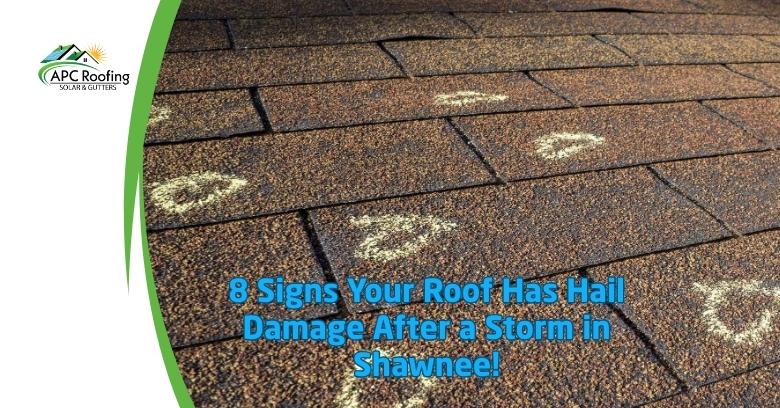
At the colder end of our territory, big hail visits many neighborhoods, so shingle lines that stand up to it are common. Where a stone lands, the granules break away in a round mark, and a violent one can split the reinforcement beneath.
Manufacturers earn an impact rating by dropping steel balls onto test panels, and a line that passes at the top level holds up better. Certain makers blend a rubbery polymer into the coating, so the material bends where an ordinary mix would crack.
Wind on Asphalt – Putting Things Right
Suction pulls hardest along the eaves, the rakes and the corners of a roof, so any piece that has come unstuck shakes in each blast. Once a tab is doubled back, a crease forms where it bent, and the break in the mat will not heal. A shingle in that condition gets replaced, while a loose but unharmed one takes a few dabs of cement.
Where a tab has blown away, the underlayment beneath lies open to the sun, and rain then has only that thin layer to get past.
Stains and Green Growth: Cause and Care
The inky bands seen on so many houses come from algae, and it feeds on limestone filler in the shingle. At the humid end of our territory, shaded north-facing roof planes grow it fastest, and the film alone rarely shortens the life of the covering.
Moss is more serious, because it stays wet for days, and its roots creep under the tabs and pry them up. A pressure washer blasts granules off along with the growth, so a light misting of a purpose-made solution is used instead. Some lines carry copper in the top layer to resist algae, while rain running over a zinc band near the ridge holds the stain back.
Picking a Hue: Looks and Lots
Darker shingles get noticeably hotter under a midday sun, and lighter shingles reflect more of the light. Some product lines use specially coated granules that turn back more radiation, and a tested reflectance figure goes with them.
Shingles from separate production runs may not match exactly, so maker directions say to draw from more than one bundle at a time. Multicolored designs keep slight differences from showing, while a solid, even finish reveals them more readily.
Climbing Onto the Courses – Weighing the Risk
Midday sun softens the surface noticeably, and a twisting heel tears the mineral layer. At the colder end of our territory, icy mornings leave the tabs ready to crack underfoot, and a glaze of ice leaves nothing to grip.
Owners do best to stay off the ladder altogether, since a zoom lens on a phone catches a lot.
Shingles Over Shingles: Pitfalls
Local regulations commonly accept an overlay over an old roof, though not where two are already down or the sheathing is soft. Leaving the first layer on keeps the decking covered the whole time, and weak spots stay just as they were.
An uneven base gives the new shingles a wavy face, and flashing past its prime is usually kept. Stacking one covering on another adds mass that the framing must bear, and every nail must travel through the old material before it grips.
Things That Turn Up – Worth a Closer Look
- Coarse granules wash onto the splash blocks, and the amount keeps growing year after year.
- Gaps appear where pieces have blown off, and wind has pried the adhesive apart.
- Shingle ends lift into curls, as years of sun shrink the top.
- Fractures cross the exposed face, and moisture soaks into the mat.
- Shiny black spots stand out against the color around them, and the asphalt now bakes in the sun.
- A pipe boot has gaps between its collar and the pipe, and drips may reach the ceiling below.
- The metal where a slope meets siding sits bent or pulled back, and gusts can push weather in behind it.
- Paint bubbles on a top-floor ceiling, though the entry is often some distance off.
APC Roofing and Shingle Roofing in Kansas City Metro Area: Our Method
An inspection begins with a walk across each slope, and the details at every valley, vent, flashing and edge are read. Up in the attic, stains and daylight are sought out, because darkened wood marks where water got in.
Trouble of any kind is photographed, and damage is measured where size matters. The findings are written up in plain language, with the reasons given for each recommendation. Small faults are labeled as small, and a failing covering is not dressed up. What happens next is the owner's decision, be it a repair, a replacement or no work yet.
Shingle Roofing Around Kansas City Metro Area: Findings in Plain Words
Phone 913-398-5020 and describe what you are seeing.
Mending or Starting Over: Brittle Material
A split collar, a gap at a wall or some torn tabs makes a routine repair, and the sound shingles nearby stay in service. Patched areas show a visible contrast at first, and that earlier shade may simply not exist anymore.
A sun-dried tab breaks as soon as it is pried back, so a small job can spread to the pieces next to it. If hard, curled courses run from eave to ridge, a full tear-off is the honest recommendation.
Time on the House: What Moves the Number
Three-tab work generally holds up for fifteen to twenty years, and laminated types frequently see nearly thirty. The ranges shift with attic ventilation, climate and installation care, and heavy weather can end the span ahead of schedule.
Boots, flashings and sealed joints are worth checking every few years, because minor gaps closed promptly spare the sheathing.
For a roofer's view of Shingle Roofing in Kansas City Metro Area, phone APC Roofing at 913-398-5020. Each slope is walked and every detail checked, and you get the findings in writing and choose.