Metal Roofing

Considering Standing Seam Metal Roofing Throughout Clermont Florida?

APC Roofing puts up and mends screw-down sheet and clip-held panels, on houses, garages, porches and outbuildings.

Dial 407-270-1129 and you will hear in plain words what condition the roof is in.


Telling Systems Apart: Hints in Plain Sight

Ribbed and corrugated panels take screws through a flat or a crest, whereas standing seam relies on clips that sit under locked joints. Steel with a protective coating covers most houses that have metal, though aluminum and copper have a place too.

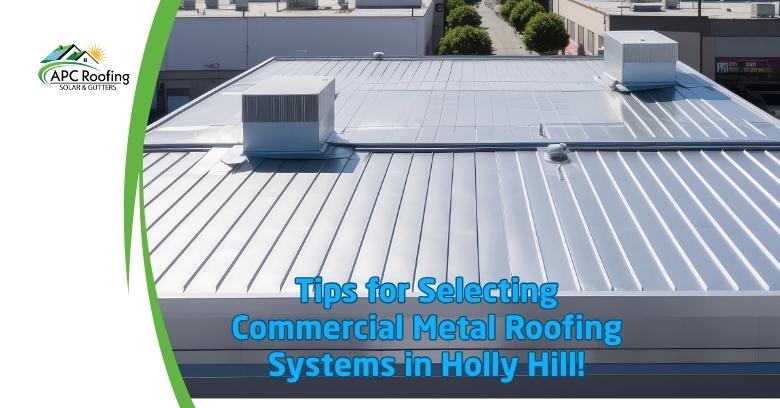
Screw heads marching in rows, easy to spot from below, point to exposed fasteners, while plain pans and tall ribs with nothing in sight are standing seam. Farm buildings and garages commonly have ribbed or wavy sheet, and houses carry both styles.

Rolled Shapes: Matching a Building

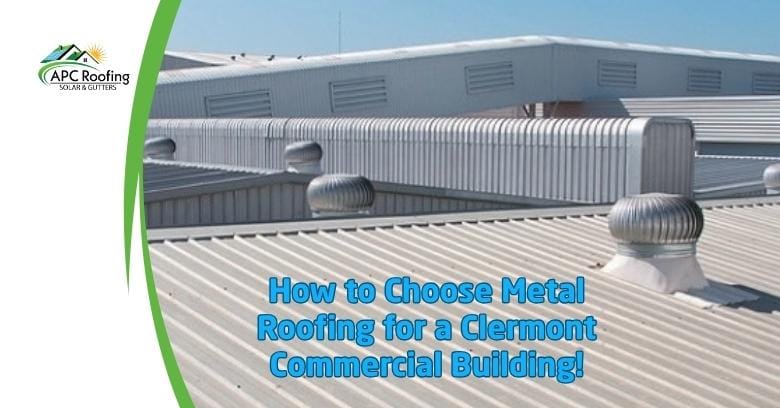
Corrugated material makes a run of soft, even undulations, whereas ribbed kinds stand up in squared ribs with flat stretches between. Each sheet laps over a neighbor along a long edge, and screw locations follow a published diagram.

A squared profile resists bending and reaches further between purlins, and corrugated remains popular for a traditional farm look. Taller ribs give runoff more room on a long slope, whereas a short porch covering gets by with a low pattern.

What Keeps Sheet Down: Every Detail Counts

Every screw draws a panel down onto a support, and a washer under each head keeps rain out. Rubber in steady sunlight hardens and cracks with age, and the panels usually last a great deal longer.

Too much torque flattens a washer at once, and a slack or crooked fastener leaks on one side.

Fresh Fasteners – Where Help Stops

On corrugated or ribbed sheet, every washer ages at one pace, so at some stage all seals get changed. Every existing fastener is removed, and a screw one size larger takes each place so threads grip solid material.

Re-screwing with new washers fixes leaks at screw heads and snugs down sheets that flutter, but corrosion, parted laps and bad flashing are left as found. Screw style depends on what lies beneath, with coarse threads for wood and self-drilling tips for steel, and a painted cap keeps new work inconspicuous.

Thermal Movement – Built to Allow Travel

A steel sheet grows in afternoon heat and shrinks back by dawn, and a long run adds up to a measurable distance, while aluminum goes about twice as far. Where nothing lets a panel slide, the metal elongates screw holes, and washers then stop sealing.

A tick from warming metal after sunrise is normal, and nothing is damaged where every detail allows for slack.

Under Upright Joints – Laid in Sequence

Each long pan is fixed solid in one short zone, while floating clips elsewhere allow the pan to slide. Flashing at an unanchored end is shaped with space beneath, while a pan fastened hard along every foot pulls loose or ripples.

A pan is positioned and clips are screwed to the deck beside a long edge, and an adjacent pan then covers every anchor point.

How Seams Close: Which Suits the House

One kind of rib clicks shut under a firm push, while other designs are crimped over by a machine. A double-locked joint stands up to gales and to water sitting against the metal, and published ratings run down to lower slopes.

Widths between ribs and the height of each rib differ by line, and a choice depends on the home and a preferred style. Accessories such as clips and closures fit a single system, so parts are not mixed between makers.

Choosing a Weight: Dents and Ripples

Coil for roofing is sold by gauge, and a smaller number means a thicker sheet. Twenty-nine is a regular sight on sheds and pole barns, while houses often take twenty-six or twenty-four.

Aluminum uses decimal figures rather than gauge, and with either metal, a stouter panel holds shape. Different grades look identical once installed, so a label or order sheet is what gets checked.

Rust Resistance: Choosing a Finish

Roofing steel leaves a mill with a zinc or aluminum-zinc layer over plain sheet, and a baked primer goes on before a color coat. Damage no deeper than paint is cosmetic, while a sheared edge or a deep gouge lets rust begin.

A PVDF finish stands up to sunlight for a long time, while polyester versions chalk and fade sooner. Uncured concrete and mortar harm an aluminum-zinc coating, so a gap or barrier separates panels from new block or stone.

Weighing Options: Salt Air

Aluminum carries less weight and does not redden, though a thicker grade is needed to resist dents. Close to salt water, at the coastal end of our range, metallic coatings break down faster, so a marine-grade finish is often chosen for homes near a beach.

Copper appears mainly as small roofs on bays and cupolas, and with nothing applied, color shifts over the years.

Incompatible Neighbors: Treated Lumber and Wrong Screws

Copper upslope of a steel covering sends corrosive runoff over the panels, and discoloration arrives well before a panel gives way. Chemicals in treated lumber pit any aluminum resting on top, and a mismatched fastener rusts quickly.

A new piece of flashing belongs in a metal that matches existing work, or a separator tape sits wherever unlike metals meet.

A Frequent Complaint: What Can Be Done

In trade terms, oil canning describes soft ripples across a broad flat between seams, and raking light early or late in the day brings out each rise and fall. An irregular-looking finish keeps weather out just as well, and nothing shortens the life of the roof.

Narrow pans, heavier stock and striated flats hold waves back, and a deck without humps or dips matters too. Photographs of finished houses show how noticeable oil canning can be, and you decide what to order.

Everyday Comfort – Day and Night

An outbuilding with bare framing under the metal makes a loud din in rain, because nothing there soaks up impact. A home has sheathing, a membrane and an insulated ceiling under steel panels, and in a living room few can pick out any change from shingles.

Cool-pigment coatings return the bulk of the sunshine, so the attic runs noticeably cooler. Deep shades absorb as much as dark asphalt, and venting and insulation under the deck do as much for comfort as color. After sunset, metal sheds stored warmth quickly, and an attic beneath follows suit.

Guard Rows: Above Entries and Paths

Across the colder end of our territory, snow does not cling to painted steel, and a whole mass may come down at once on anything under an eave. Retention bars keep a load up top to melt off gradually, and hardware sits over entries, paths and meters.

On standing seam, brackets clamp onto a rib without a hole, while exposed-fastener sheet takes mounts screwed into framing, and in milder markets roofs do without.

Pounding From the Sky – Photographs and Measurements

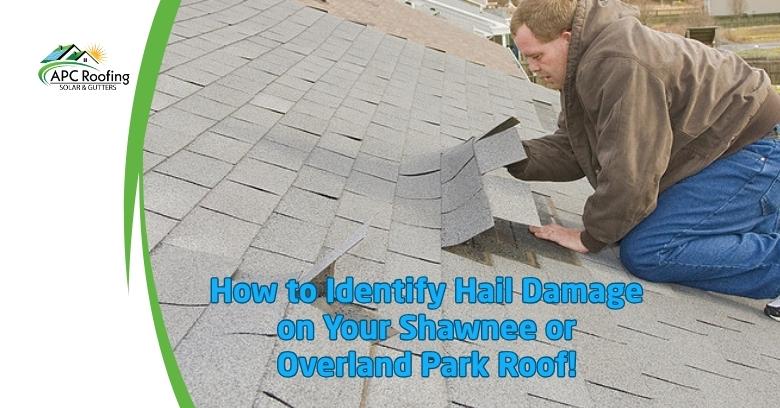
At the colder end of our territory, hail is a regular event, and thicker steel shows fewer dents. A strike sharp enough to break a finish lets rust start, while a buckled seam can part enough to admit water.

After any storm, each affected area is photographed and measured, with every dent pinned to a location on the roof.

Holding On in a Gale – A Denser Pattern

Suction gathers along rakes and eaves, and a blast under a raised lip can tear a panel away. Each finishing piece is folded back and locked over a full-length cleat, so a storm finds nothing to pry at.

Fasteners go in closer together near corners and a roof's rim, per manufacturer guidance for local conditions. Along the coastal end of our service area, hurricane risk raises fastener counts again, and only systems with a high wind rating qualify.

Openings in a Covering: Keeping Water Out

A flexible boot is formed around every rib and banded tight to a pipe, and a hole is cut in a flat, not through a seam. A chimney or skylight is built up on a curb with a cricket above, so no water dams up.

Sealant backs up flashing and never stands in for folded metal, since the steel outlasts any compound many times over.

Channels Between Roof Planes – Joining Long Runs

Each valley gets a separate pan in advance of the panels, and each sheet is cut to a matching angle. Every raw end is turned under and caught by a cleat, and no screw goes through any path where water flows.

Where a long run needs more than one length, a lap is sealed between layers, and screws go through both thicknesses at close spacing.

Shallow Sections: Gentle Spots on a House

Most ribbed sheet is specified for about three in twelve or steeper, since anything less lets rain back up at overlaps. Standing seam with double-locked joints goes much lower, with some lines cleared almost down to flat.

A barely tilted roof over a porch or addition is common on houses, and we measure pitch on site, and a part too low for any panel gets a membrane instead.

Under Everything: Checked on a Tear-Off

On a house, the panels go over solid sheathing, and a synthetic sheet rated for heat is sandwiched between, since ordinary felt dries out under sun-heated steel. Pole buildings commonly have metal spanning between purlins with air below, so support spacing and gauge are matched.

Once the deck is exposed, any board that gives underfoot comes out, as fasteners driven into mush pull straight out.

Going Over the Existing Roof: What Has to Be True

Many building codes allow metal over a single layer of asphalt shingles, and a yard is spared tear-off debris. At well under two pounds per square foot, steel is a light load, so reinforcement is rarely needed. Battens over a fresh membrane go across existing shingles, and fasteners are long enough to bite solid boards below.

A second layer already in place, soft decking or stains from past leaks mean a full tear-off, since trapped dampness under metal has no way to dry.

Small Parts at Edges: Vented or Solid

Closures matching a panel shape stop up hollows under each rib at both extremes, so wind-blown rain and nesting animals stay out. A ridge cap can be vented to let warm air escape or left solid, as existing ventilation requires.

Rake trim, drip edge and an apron into a gutter close off a roof's outline, so rain does not run down behind fascia.

On the Job: Where to Step

Standing seam panels are usually roll-formed to the full length of each slope, and one pan spans eave to ridge with no joint across. Carrying an extended panel takes people spaced along the metal, and a kinked pan is not usable.

On panels, a step belongs in a flat above a purlin or deck, because a raised joint dents and deforms under load. Morning dew alone can make metal treacherous, and a homeowner is better off staying on the ground.

Signs Worth a Call – No Ladder Needed

  • Brown rings at fastener heads, partway down a pitch.
  • Loose screws riding high, at an eave.
  • Flashing flapping in a breeze, facing prevailing wind.
  • A flue collar sitting crooked, on a back slope.
  • A sheared end streaked orange, in a valley.
  • Faded paint, on a sunny slope.
  • A leak tracking one line of fasteners, under a porch roof.
  • A gap along a rib, at the low end of a panel.

How APC Roofing Goes About Standing Seam Metal Roofing in Clermont Florida – Step by Step

We begin by figuring out which system is up there and how the panels are anchored, followed by every screw or clip, edge, boot, valley and lap. Thickness, coating and hardware style go into notes, and from inside, the attic shows any old leaks.

Every finding goes into a report with images, and a reason sits beside every recommendation. Where a reseal will do, a reseal is what we propose, and a roof at the end of service life is named as such.

Standing Seam Metal Roofing Around Clermont Florida: Plain Findings

Call 407-270-1129 and we will schedule an inspection.


Deciding on Scope – Knowing Limits

A panel torn by a falling limb can be changed individually, though new metal looks brighter than weathered neighbors. A properly resealed lap closes a drip, while re-fastening cures aged washers.

When corrosion has gone through across a whole field, a tear-off is due, and a covering failing at nearly every joint is in the same position. One tired face of the house can be redone alone, when harm is local.

Longevity – Upkeep Matters

A carefully installed panel system can pass forty years, and every estimate is approximate. A seamed pan roof has fewer parts that age, while ribbed sheet gets new fasteners once washers tire.

Dissimilar metals, raw edges and sealant used instead of proper flashing wear out a covering ahead of schedule, and a check every few years catches small faults early. Leaves and needles piled in a valley or behind a chimney keep the metal wet, and sweeping debris clear helps a finish.

Before deciding on Standing Seam Metal Roofing in Clermont Florida, dial APC Roofing at 407-270-1129. Someone will go over every panel, fastener and piece of trim, and findings come to you written up, with any choice left to you.

Jacqueline

Verified

★★★★★
Mike Ferrai was absolutely amazing from beginning thru the end..! Our roof looks awesome..!!! Couldn't be happier.! Would definitely recommend for all your roofing needs.. A++++++++

Frank Smith

Verified

★★★★★
Our experience with APC roofing began with an introduction and quote by Lucio. He came to our home, explained the process and immediately went on the roof to access the damage. As we began to inquire further about what to expect Lu got us in contact with Adrian. Now Adrian became an invaluable partner in very honestly and sincerely letting us know what APC could and couldn’t do to repair or replace our damaged roof. Hurricane Milton left us scrambling to come up with thousands to meet our deductible. Patiently and empathetically Adrian dispelled our apprehension about working with a contractor or being left incomplete and in need of legal help to resolve any disputes. He gave us his assurance that he would oversee the entire project. I have to admit that he kept his word. Even when we thought there would be a last minute hiccup with financing he put me in-touch with Lucy and she did not give up until we got the information and terms I wanted. This was a truly great team from start to…

JOHN WEBER

Verified

★★★★★
Our rep. Holly and this company did a wonderful job while staying within our budget! I highly recommend you work with this company and Holly in particular.

Tramale Suggs

Verified

★★★★★
Honest trustworthy company with great employees… hardworking and dedicated to providing great service….thank you Adrian

Mike Price

Verified

★★★★★
Everything went smooth on schedule nice clean job would recommend to anyone Mike Price was a great guy to work with