Considering Asphalt Shingle Roofing in Blue Springs Missouri?
APC Roofing puts down granule-surfaced coverings from the deck up on houses, garages and sheds.
Reach us at 913-398-5020 and a trained eye will check the details and report back.
Anatomy of a Covering: Plant to Pallet
A fiberglass mat gives each shingle its strength, and asphalt spread over the sheet stops water, and stone granules pressed into the upper face block sunlight.
Two lines that appear matched may be put together quite differently, and a heavier build generally adds years on a house. A display board reveals the shade and little else, while the maker's data sheet lists wind and impact ratings.
Choosing a Profile – Setting Them Apart
A three-tab shingle is one thin layer with two slots cut into its lower half, and courses laid this way form tidy straight bands. An architectural shingle glues a shaped overlay onto a full-width base, so the uneven profile casts shadows.
Thicker double-layer shingles weigh more across a slope, and a stronger wind class is commonly assigned. On a two-layer shingle, fasteners belong in the band where both plies overlap, and a printed guide shows the right position.
A Place for the Plain Option: A Narrow Niche
Three-tab regularly serves a workshop, a garage or a porch, and an addition can blend with an older covering of that type. Several makers now offer that style in fewer colors than before, and discontinued hues cannot be ordered at all.
Laminated shingles hide small dips in an older deck better, whereas straight single-ply lines reveal each flaw. Either style is laid over identical underlayment and metal details, so the difference lives entirely in the top layer.
The Granule Surface: New Versus Worn
A recently installed covering lets go of leftover grains for a while, and nothing about it signals a defect. Heavy grit at the downspouts of an older covering means the protective coat is thinning, and the unprotected asphalt soon cracks and curls.
Faces that point south and west take the strongest sun, and bald spots usually show up there ahead of the rest.
The Thermal Adhesive: Resisting Uplift
A narrow glue stripe runs across every shingle, and warm days melt it just enough to anchor the next row. An adhered course resists gusts that try to pry up its lower edge, but nails remain the main fastening for the life of the covering.
At the colder end of our territory, a covering installed in freezing temperatures can wait months to bond, so a windy day can fold back tabs that have not taken hold. Manufacturers' instructions call for dabs of roofing cement in that situation, and each package shows how much to use and where.
Securing Each Course: Tools and Technique
Every nail belongs inside a narrow stripe the manufacturer marks, so the shank ties in the row beneath too. Most shingles take four fasteners apiece, and six are required on steep slopes or in high-wind areas.
A nail set too high misses the row underneath, an overdriven head slices the fiberglass, and a skewed shank tents the shingle on top. Published wind ratings assume the manufacturer's pattern was followed exactly, and an out-of-adjustment tool spreads one error across a whole face.
The Structural Base: Types and Condition
Plywood or OSB panels form the deck under a shingle roof, and each shank has to land in solid material. Many older homes still have spaced boards left from a wood-shake era, so a layer of sheathing comes before shingles.
During a tear-off, weak or water-damaged pieces are swapped for sound ones, since decayed material lets go of whatever is driven into it. Adjacent sheets are spaced slightly apart at their edges, as boards butted tightly lift into ridges when they absorb moisture.
Old Paper, New Fabric – What It Does
Shingles never go straight onto bare decking, since a water-resistant membrane comes between, and it goes down in horizontal runs that lap downhill. Asphalt felt is less common now that synthetic sheet has taken hold, as the modern fabric is tougher and does not ripple after rain.
Rain forced past a loose shingle is shed by the membrane below, but it is meant for occasional water, not months of open sky.
Guarding Against Ice Dams: Trapped Runoff
At the colder end of our territory, snow over heated rooms melts even on a sub-zero day, and meltwater hardens again once it reaches the cold rim. Water pooling behind that buildup can back up under the shingles, and standard felt or synthetic sheet does not close around the nails.
Colder-market codes call for a peel-and-stick membrane along the lower edge, and it is carried upslope far enough to clear the heated part of the house. Across every part of our service area, valleys and skylight curbs frequently get it too, since runoff lingers at every such detail.
Border Protection – A Code Item
Every eave and rake gets a formed strip of metal, and a flange throws runoff away from the fascia. The underlayment covers the lower flashing, whereas up the gable the sequence runs backward.
Edge metal around the whole perimeter is a code requirement in many towns, and without it water curls back under the shingles and soaks the deck.
Groundwork at the Eave – Rakes Too
Under the first visible course lies a starter strip, so the sealant is positioned right at the lip. A rotated field piece strands the adhesive several inches up, so the outermost tabs are pinned by nails only.
Most instruction sheets extend starter up both rakes, because wind catches the outer margins along with the eaves.
The Low Seams: Debris and Flow
In an open design, a formed metal liner carries water down the valley, while the closed-cut type runs shingles from one side across and trims the other side along a chalk line. A woven junction interlaces rows from both planes, which works with three-tab, while makers generally advise against it for architectural shingles.
Fasteners stay out of the center of the channel, and a peel-and-stick liner covers the wood below. Leaves and pine needles that settle in a valley hold moisture against the shingles, which can push rain beneath the trimmed shingles.
Roof-to-House Joints: Transitions Between Materials
Along a sidewall, a bent L-shaped step flashing is woven in with each course, and a counterflashing or trim board covers the raised leg. An angled kickout sits at the foot of the house face, and without one rain runs inside and rots the sheathing.
The flashing around a chimney is an apron below, steps on each side and counterflashing embedded in mortar, and a wide stack also needs a cricket upslope to split the flow.
Roof Penetrations – Sequence and Laps
A pipe boot combines a flat metal or plastic base with a rubber collar around the pipe, and sunlight gradually hardens that seal until it splits. Shingles uphill cover the top of the flange, so runoff flows across the downhill side instead of under it.
Collars frequently need attention while the rest of the covering is healthy, so new boots come with every new covering.
Along the Peak – Vents Beneath
The ridge and every hip are closed with cap shingles, and a dimensional line comes with its own heavier companion product. Improvised pieces from cut tabs are lighter and thinner, and in a hard freeze at the colder end of our territory the bend can split.
The caps often conceal a vent along the peak, so longer fasteners go through it to anchor in the decking.
The Space Under the Deck: Common Problems
Outside air should come in through vents under the eaves, while a slot along the ridge lets it rise and exit. Insulation that spills into the narrow cavity over the walls can shut the passage, so baffles are installed to keep a clear gap.
An attic with poor airflow runs hot under the decking, and it also holds moisture rising from the house. At the colder end of our territory, frost gathers on exposed nail points on a freezing night, and the melt drips down when the sun comes out. A powered fan or gable vents alongside a ridge vent can scramble the pattern, because suction then draws from the nearest opening instead of the soffits.
Across Our Range – Humidity and Wind
The metros we serve run from freezing uplands to steamy lowlands, and each setting wears on asphalt differently. At the coastal end of our territory, the large storm systems blow for hours, and product instructions call for extra nails there. Months of intense sunshine slowly bake the binder, and lasting humidity gives algae room to grow.
At the colder end of our territory, water that seeps into a crack freezes and widens it, and packed snow sits on the slopes for days.
Frozen Pellets: Surface and Below
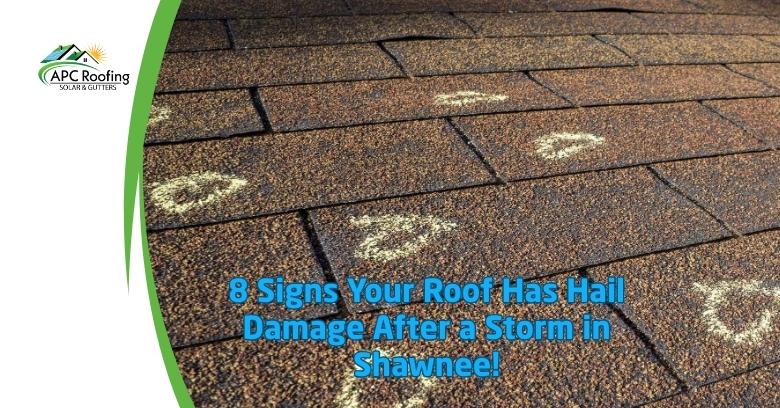
At the colder end of our territory, hail falls in many storm seasons, so shingles designed to resist impact are widely sold. A hailstone knocks granules loose where it lands, while a heavier blow may bruise right through to the mat.
Impact ratings come from a laboratory test that drops steel balls on the shingle, and a higher grade means passing a tougher trial. Modified asphalt with added rubber is used by several makers, so the material bends where an ordinary mix would crack.
Gusty Days – Putting Things Right
Uplift concentrates at the outer margins and the corners, so any piece that has come unstuck shakes in each blast. A tab bent far back keeps a mark along the fold, and the mat never regains its strength along that line. Shingles harmed that way come out and new ones go in, while one that only lost its seal can be cemented back down.
Where a tab has blown away, the underlayment beneath lies open to the sun, and ultraviolet light breaks that layer down quickly.
Stains and Green Growth: Slowing the Return
Black lines trailing down a slope are usually algae, which survives by feeding on limestone filler. Shady, slow-drying planes at the humid end of our territory tend to go dark soonest, though the color change is mainly cosmetic.
Moss poses a real threat, as it traps moisture against the courses, and as it creeps it breaks the tabs' seal. Power washing tears granules loose as it goes, so a gentle rinse with a cleaner made for roofing is the safer route. Some lines carry copper in the top layer to resist algae, while rain running over a zinc band near the ridge holds the stain back.
Shade and Color: Mixing Bundles
Deep tones take in more solar warmth and reach higher surface temperatures, while pale ones stay cooler. Certain companies make granules designed to scatter infrared rays, and a tested reflectance figure goes with them.
Material made on separate days is rarely a perfect match, and the recommended practice is to shuffle packs during installation. Variegated patterns make those changes hard to see, whereas single-shade shingles make them easier to spot.
Standing on a Slope: A Safer View
On a hot afternoon the coating turns soft, so treads rub the stone off in patches. At the colder end of our territory, a frozen shingle can snap under a knee or a boot, while dew that freezes overnight leaves a slippery glaze.
Owners do best to stay off the ladder altogether, since a zoom lens on a phone catches a lot.
Laying Over the Old Covering – Hidden Trade-Offs
Building rules in many places allow a new roof on top of an existing one, but never over two, or over boards that are wet or rotten. The current shingles stay on top of the decking throughout the job, and damaged sheets end up sealed beneath the added material.
Humps and hollows in the courses below show through, while aging flashing frequently stays put. A doubled covering rests on structure never meant for that weight, while longer fasteners are needed to reach solid sheathing.
Early Warnings: Outside and In
- Coarse granules wash onto the splash blocks, and the layer thickens with each storm.
- Gaps appear where pieces have blown off, so wind has broken the bond.
- Bottom corners curl upward, as years of sun shrink the top.
- Cracks run across the tabs, and the layer below begins to soak up water.
- Shiny black spots stand out against the color around them, because the granules there are gone.
- A flue or vent collar has turned brittle and torn, so water works its way indoors.
- Flashing at a chimney has lifted off the brick, and wind-driven storms can get behind it.
- Paint bubbles on a top-floor ceiling, while the opening outside can be several feet off.
APC Roofing and Asphalt Shingle Roofing in Blue Springs Missouri: Our Method
Every slope is walked first during an inspection, with a close look at the valleys, vents, flashings and edges. Inside, the attic is checked for stains and daylight, since discolored sheathing shows where water has traveled.
What turns up is photographed, with measurements taken of the extent. Everything found is set down in writing, with the reasons given for each recommendation. A minor job is presented as minor, while a covering at the end of its life is called that. The choice is the owner's, from a single repair to a full replacement.
Asphalt Shingle Roofing for Homes in Blue Springs Missouri: Findings in Plain Words
Reach us at 913-398-5020 and describe what you are seeing.
Small Fixes and Full Jobs – Reading the Signs
Trouble at a boot, a flashing or a few scattered tabs is normally dealt with by a repair, while everything else on the slope remains. Even the same color from the same maker looks different once the old shingles have weathered, and the original product line may have been discontinued.
Stiff, dried-out shingles split when raised for nailing, so the disturbed zone keeps widening. If hard, curled courses run from eave to ridge, a full tear-off is the honest recommendation.
Expected Service Life: Care Along the Way
On three-tab, fifteen to twenty years is normal, while dimensional ones often manage a decade more. The real number depends on sun, attic air movement and how the nails went in, while a hard storm can override every estimate.
Boots, flashings and sealed joints are worth checking every few years, because minor gaps closed promptly spare the sheathing.
When you are weighing Asphalt Shingle Roofing in Blue Springs Missouri, dial APC Roofing at 913-398-5020. Every slope, edge and flashing gets a close look, and a written report leaves the choice with you.
Verified

Verified