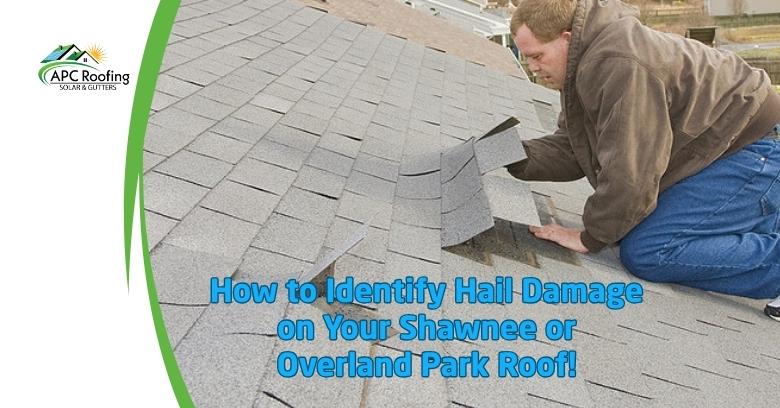
Your shingles looked fine when you bought the house. Now there’s grit piling up at the downspouts, a few corners curling on the south side and a dark patch where last spring’s hail hit hardest. You’re trying to figure out whether your shingle roofing in Blue Springs, MO needs a few repairs or a whole new roof, and which shingle makes sense if it’s the second one.
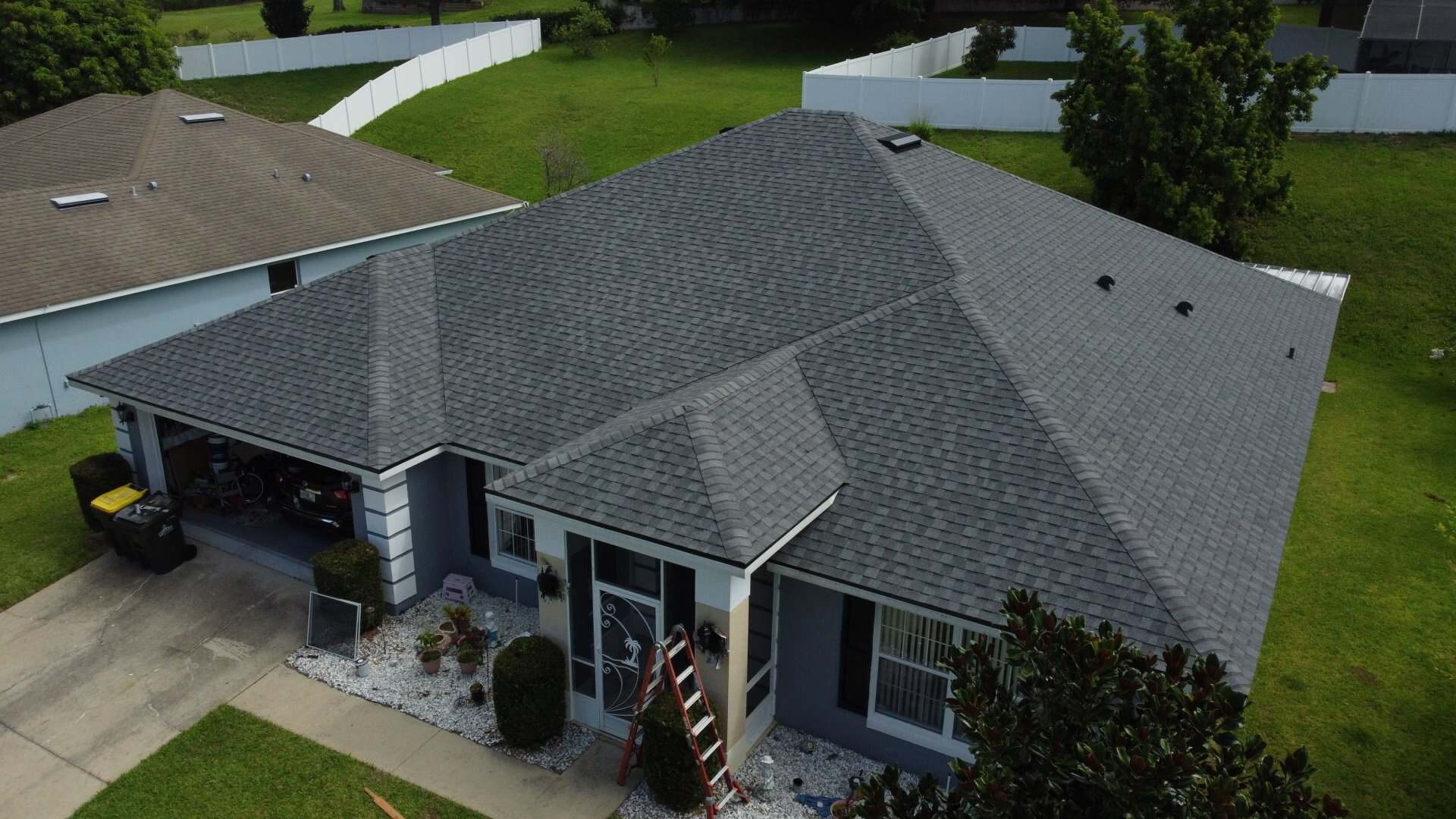
Shingles are confusing from the ground. Damage that matters can look like nothing, and harmless streaks can look alarming. You deserve someone who’ll get up there, show you photos and tell you straight what’s going on.
APC Roofing is GAF Certified, licensed and insured, and has been putting shingle roofs on Kansas City-area homes since 2017. Inspections and estimates are free. Call 913-398-5020 to have yours checked.
Shingle roofing options for Blue Springs homes
Asphalt shingles cover most houses in the area, and for good reason: they cost less than most other roofing, and they handle the local weather well when they’re installed right. There are three main types to know.
3-tab shingles
These are single-layer shingles with two notches along the bottom edge, which gives a flat, even, repeating look. They were the standard for decades and still show up on older homes, garages and sheds. They’re thinner and lighter than architectural shingles, and their wind ratings are generally lower. Some manufacturers offer fewer 3-tab colors than they used to. See 3-tab shingle roofing in Blue Springs.
Architectural shingles
Also called dimensional or laminated shingles, these bond two layers together for a thicker, textured look that casts shadows like wood shakes. They carry more asphalt, usually have higher wind ratings and hide small waves in the deck better than 3-tab. They’re the most common choice on homes today. See architectural shingle roofing in Blue Springs.
Impact-resistant shingles
These are built to stand up to hail better, often with rubberized asphalt that stays flexible in the cold. They’re rated by dropping steel balls on samples in a lab, and the higher-rated lines come through with less damage. That’s a real sign of toughness, but no shingle is hail-proof. If your roof has been replaced after a hailstorm before, they’re worth a serious look.
What Kansas City weather does to shingles
Hail
Spring and early-summer storms around Blue Springs regularly bring hail. A hard hit knocks the granules off a spot about the size of the stone and can crack the fiberglass mat underneath. Those bare spots then age faster in the sun. You often can’t see hail damage from the yard, which is why an inspection after a real storm is worth it.
Wind
Straight-line winds pull hardest along the eaves, rakes and corners. Shingles are held down by nails and a strip of adhesive that bonds to the shingle below. Once wind breaks that bond, the shingle tends to lift again with every gust. A shingle that lifted cleanly can sometimes be sealed back down, but one that’s been folded back and creased is weakened for good and should be replaced.
Freeze-thaw and ice dams
Water gets into small cracks, freezes, expands and widens them. Snow melting on the upper roof can refreeze at the eaves and build ice dams that push water up under the shingles. That’s why the ice and water barrier along the eaves matters so much on a shingle roof here.
Sun and heat
Summer sun slowly dries out the asphalt. South- and west-facing slopes usually show wear first, with granule loss and curling corners.
Streaks and moss
Those long black streaks on many roofs are algae. They look bad but usually do little harm. Moss is a bigger concern because it holds moisture and works under shingle edges. Either way, skip the pressure washer. It strips granules along with the growth. A gentle cleaner made for roofs is safer, and some shingle lines include copper granules that resist algae.
Repair or replace your shingle roof
Swapping a few damaged shingles, replacing a cracked pipe boot or resealing flashing is everyday shingle roof repair, and the rest of the roof stays put. New shingles may look a little different from faded ones at first, and an old color may no longer be made.
Replacement makes more sense when curling, cracking and bare spots cover most of the roof. Old shingles get brittle, and lifting one to reach its nails can crack its neighbors, so one repair turns into several. At that point, patching costs more over time than starting fresh.
Storm damage and insurance
If hail or wind damaged your shingles, you file the claim with your insurance company and you pay your own deductible. We document the damage with photos, give you a detailed estimate and work with your adjuster. Be wary of anyone who offers to waive or cover your deductible.
Financing is available through Aqua Finance, Fortifi, Hearth and Home Run Finance if you’d like to spread out the cost of a new roof.
How it works with APC Roofing
- Book your free inspection. Call 913-398-5020 or request a free online estimate.
- Get a clear, honest assessment and estimate. You’ll see photos of your shingles up close and get a plain answer on repair versus replacement.
- Get your roof done and the site cleaned up. Many residential projects are finished in a single day, and the property is left clean.
Shingle roofing questions from Blue Springs homeowners
Are architectural shingles worth it over 3-tab?
For most homes, yes. They’re thicker, generally rated for higher winds and usually outlast 3-tab shingles, which matters with the storms that come through here.
Why are there granules in my gutters?
A few after a new install is normal; extra granules from the factory wash off in the first rains. A lot of granules from an older roof means the shingles are wearing out, or that hail knocked them loose.
Can you match my existing shingles for a repair?
Often we can get close. Colors and product lines change over the years, so an exact match isn’t always possible on an older roof.
Does shingle color matter?
Lighter colors reflect more summer heat. Darker colors hide streaks better. Your house and your neighborhood’s look matter too, and we’ll show you samples.
A shingle roof you can stop worrying about
A few loose or hail-bruised shingles are a quick fix. Left alone, they let water reach the deck, and the job grows from shingles to wood to drywall.
Find out where your shingles stand. Then you can head into storm season with a sound roof, a dry house and a clear plan. Call 913-398-5020 to book your free inspection, or start your estimate online.