Trying to Find Roofing Companies in Blue Springs Missouri?
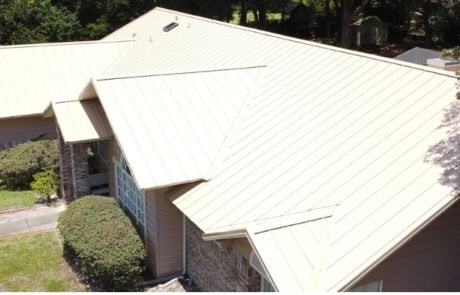
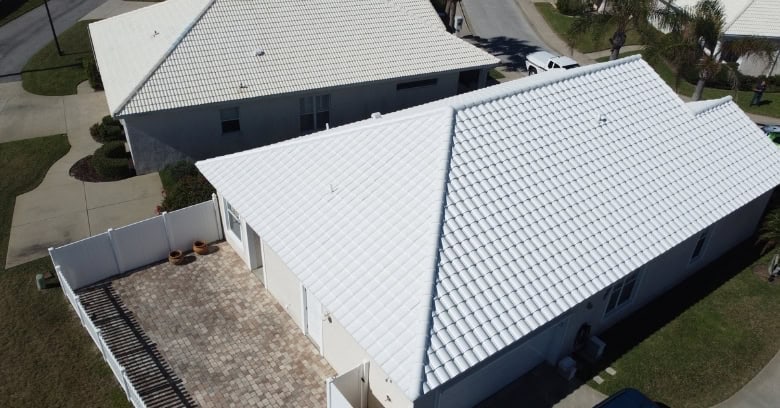
APC Roofing takes care of a routine checkup right up to a complete replacement, whether the covering is shingle, metal or tile.
Phone 913-398-5020, and a roofer comes out to see the house firsthand.
What a Roof Is Made Of: the Working Structure
The visible covering on top is only the outer layer, and a moisture barrier, sheathing and framing sit underneath. Metal flashing seals the seam at a wall, a pipe or a valley, and water there rarely traces back to worn shingles close by.
The space under the sheathing works as a component of the roof, too, because trapped heat and damp age the deck and shingles above. A drip inside a bedroom can come from any level of the roof, and a fix aimed only at the outer surface can leave the real source untouched.
Everyday Work of a Roof: More Than Meets the Eye
A pitched covering sends rain down toward the gutters, while the fastening pattern stands up to uplift. The framing bears the load above, snow included at the colder end of our territory, while vents give damp attic air a way out.
The covering deals with water, and nails and seal strips deal with wind, while what is underneath holds the whole thing steady, out of sight. A weak component shows up as a sign of trouble somewhere else on the roof, so repairs target the root, not the visible mark.
The Smaller Details Up Top: The First to Weaken
The shingled field is built to last for decades, but the flexible seal around a stack splits well before the shingles do. A path opens for water to travel down into the house, and a stain appears on the ceiling below.
Sealant along metal edges dries and shrinks in strong sun, and coated metal rusts once the coating wears through. Ridge caps split across the crease, as nothing shelters the peak from gusts and glare.
A Walk Around the Property Beforehand: Before Anyone Climbs
From the driveway, the outline of the roof shows dips, sags and wavy planes, and the eave boards and downspouts can be sized up as well. A pair of binoculars brings collars, lifted tabs and bare patches into focus, though failing sealant can stay hidden from the ground.
Once on the roof, a roofer checks every connector closely and follows the flashing at each wall, and the shingles are checked for brittleness and thin spots. Nobody walks a covering that is wet or too steep, and a ladder at the edge serves as the lookout instead.
The Underside of a Roof: Evidence to Look For
A tide line on a rafter shows where rain has entered, and a soft, wet feel means the entry point is still open. Daylight visible between the boards marks an opening, and a tape measure fixes the distance from the peak and gable wall.
Nail points gone orange signal damp air, not a leak, and a flattened, discolored patch nearby carries the same message. Insulation stuffed into the eaves, or a bath fan ducted into the attic instead of outside, gets found only from inside, so a check from the ground alone leaves that kind of fault hidden.
The Paper That Follows: An Overview
What turns up gets documented with photographs matched to locations on the roof, and a written line explains what each image shows. Sound parts get listed as plainly as anything that requires work, and trouble spots are ranked from most to least urgent.
A saved report from an earlier stop gives the next check a baseline, and how the covering is aging shows up better than a single day's reading. A roof checked on a steady yearly cycle seldom surprises the owner, and large jobs show warning signs well ahead of the work becoming pressing.
Routine Care for a Shingle Roof: a Short Rundown
Vent collars get replaced before splitting, and brittle beads at the walls get cut out and run again. Debris gets swept from the valleys and from the crickets, and sagging gutter hangers get tightened.
A raised corner glued down in time stays a simple repair, but a season of neglect can end in a ceiling mark. Moss on a shaded slope traps moisture under the courses, and the growth gets killed with a treatment and swept off by hand.
How Often the Checkup Should Happen: Consistency Pays Off
A trade professional should cover the roof on a yearly basis, set for just after the roughest local weather each season. Catching things early is the whole point of a regular check, and the homeowner learns roughly how much life the covering has left.
In the months between visits, a look from the driveway after high wind helps, and bedroom ceilings upstairs can be watched for fresh spots. Looking around the attic with a flashlight now and then makes sense: soft wood, tiny bright spots and soggy insulation surface long before anything reaches the space below.
A Roof's Age, Read From the Yard: What the Years Bring
Brand-new shingles look dark and consistent across every slope, and later in life the sun-exposed plane fades before the shaded side does. Late in a roof's run, tabs cup and granules wash into the downspouts, and each fix soon fails again.
What the lawn view suggests is a solid baseline, but only a hands-on check settles the matter. A roof near the finish line is better replaced than patched again, and an honest contractor states that plainly, rather than pitching another repair.
The Channel at the Bottom: What Homeowners Should Know
Shingles hand off rainfall at the drip edge and no farther, and the gutter line handles the flow after that. A clogged or sagging channel pushes water back behind the fascia, and the rafter tails nearby rot over seasons.
A give in that spot points more often to a backup than a shingle problem, and replacing the roof leaves the real cause untouched. Gutter pitch and downspout discharge get checked on a visit, and the drip edge gets looked over where the metal meets the fascia line.
Keeping Things Working Underneath: How the Design Works
Intake at the overhang and exhaust at the top keep air moving through the attic, and the draft clears warmth and humidity from under the sheathing. Where the opening gets sealed off, the attic runs hot in summer and stays sticky through humid stretches, and the covering wears out early.
A roof opening installed with no matching intake draws air from the living space below, and two mismatched setups on one roof can work against each other. A new covering placed over a poorly vented attic inherits the same fault, so the underlying issue belongs in the scope of any re-roofing plan.
Roofing That Fits Where You Live: Set by What's Nearby
Where winters bite hardest at the colder end of our territory, ice at the edge shapes the details, and a waterproof membrane covers the bottom few feet of deck. Nearest the coast, uplift resistance governs the fastening choices, and impact-and-wind-rated shingles and sealed seams get chosen.
Where hail falls hard at the colder end of our territory, an impact-rated covering is worth considering, while strong sun bakes asphalt across every market we serve. Specifications follow the weather at the house, not routine, and not whatever a past project called for.
Homes and Shops: Different Demands
Angle and overlap work together to move water off a pitched covering, and shingle, tile and metal all serve that role. A store or warehouse shelters under a nearly flat, sealed membrane, and scuppers and equipment penetrate that same surface.
Plenty of residences include a shallow section over an addition, and shingles over an area such as that leak because standing water finds a way under the laps. A spot built that way needs a sealed membrane tucked under the pitched roof above, and re-laying shingles there repeats the same fault.
Covering an Open Roof: What Lasts a Few Weeks
Plastic over a break keeps the rooms beneath dry for a time, but nothing gets solved underneath. A sound cover sits over the ridge and gets held down by wood battens screwed through the material, and the cover gets tensioned before the flapping starts.
A cover has to reach well past the damaged area, because rain travels sideways toward a gap that stops short. Material left on for a long stretch keeps the roof from drying out, and the shingles beneath start to deteriorate.
Doing the Vertical Joints Properly: Getting the Work Right
Along a wall, one bent piece of metal goes in under every course, and trim set higher up sheds water past that metal. A chimney gets an apron across the downhill face and metal tied in up each edge, and a broad stack gets a saddle set into the slope nearby.
Roof cement spread across an opening hardens and pulls away, so a fresh tie-in, installed correctly, is the dependable way to go. Eroded mortar joints let water into the brick above the flashing line, and part of that repair belongs to a mason, not a roofer.
A Contract Worth Reading: Nothing Left Vague
A signed agreement should identify the shingle, the underlayment and the metal by name, and the document states whether the old covering comes off. A dated form covers what happens if rotten boards turn up, and the metal, the ventilation and the yard cleanup are each called out.
Offers from different contractors can be weighed point for point, and the gaps between the two sets of paperwork come into view. A roofer who will not put the plan down leaves the owner guessing, and a spoken assurance proves nothing after the fact.
A Tear-Off and Rebuild: the Basic Sequence
Anything near the eaves that could get damaged gets protected ahead of time, and the existing covering gets removed completely. Once exposed, the sheathing gets a careful look for rot and breaks, and rotten sections get rebuilt before anything gets put back down.
Ice barrier, underlayment and new flashing go down across the deck, and the main covering, the ridge line and the vents finish the work. A magnet pass covers the grass and pavement at the end, and no debris gets left in the gutters.
Non-Shingle Roofing Care: What Owners Should Watch
A metal system with exposed fasteners relies on the gasket beneath every fastener, and a leaking screw gets paired with a fresh washer. Clay and concrete tile go down by more than one method, from mortar to foam to clips, and the membrane is what keeps the interior from taking on water.
A careless step snaps a piece easily, and a damaged unit gets lifted out and replaced with one of the same profile. On the shallow parts of a roof, lingering water and loose seams are worth watching, and debris gets cleared from drains and scuppers.
Things an Owner Can Spot: Easy to Act On
- Grit gathering at the downspout outlets, in amounts that keep returning each season.
- Curled or lifting edges on the courses, noticeable from across the street.
- A hardened gasket at a stack, easy to miss without a zoom lens.
- Paint blistering overhead after a storm, still visible once dry.
- Light leaking in near a valley or a pipe, on a sunny afternoon.
- Moss on a shaded slope, holding moisture against the surface.
- A sag along the ridge line, visible against the sky.
- Gaps opening where flashing meets siding, often after a hot summer.
Roofing Companies in Blue Springs Missouri: What APC Roofing Does
Before anything gets proposed, a roofer looks over the whole covering and the attic, and the evidence comes back as photographs and the verdict in writing. What is holding up gets stated as clearly as what is not, and the homeowner sets the order of any work.
Roofing Companies Around Blue Springs Missouri: Plain Talk, Careful Work
Phone 913-398-5020 to arrange a visit on site.
Documentation for the Roof: Useful at Resale
Writing down the installation date and the materials used is a smart habit, and each inspection report deserves a spot in the same folder. Tallying each repair, the location and the method, keeps things complete, and given enough time the pattern becomes clear.
Once a home hits the market, the roof's age and condition come up in conversation, and a folder of dated pages settles things quickly. A duplicate set, saved to a phone or a drive, is worth making, because a single set can be destroyed in a flood or a fire.
What Good Work Looks Like: Details to Check
Courses run straight and the cuts along the rakes come out clean, and nails stay covered by the layer above. Flashing at walls is new and set in properly, and caulk, where used at all, forms a thin, careful line.
The soffit vents breathe freely and the ridge vent stays clear, and the gutter runs finish straight and fastened. A final sweep with a magnet tidies the yard and drive, and a quick hose-down removes the last of the sawdust from a walkway.
Anyone comparing options for Roofing Companies in Blue Springs Missouri has one straightforward next step. Contacting APC Roofing at 913-398-5020 moves the scheduling forward. Every visit covers the roof and the attic together, with nothing left unclear.
Verified

Verified