
You can stand in the yard and stare at your roof all afternoon and still not know if last week’s hail did anything. From the ground, a bruised shingle looks like every other shingle. A roof inspection in Blue Springs, MO is how you trade that guessing for an answer.
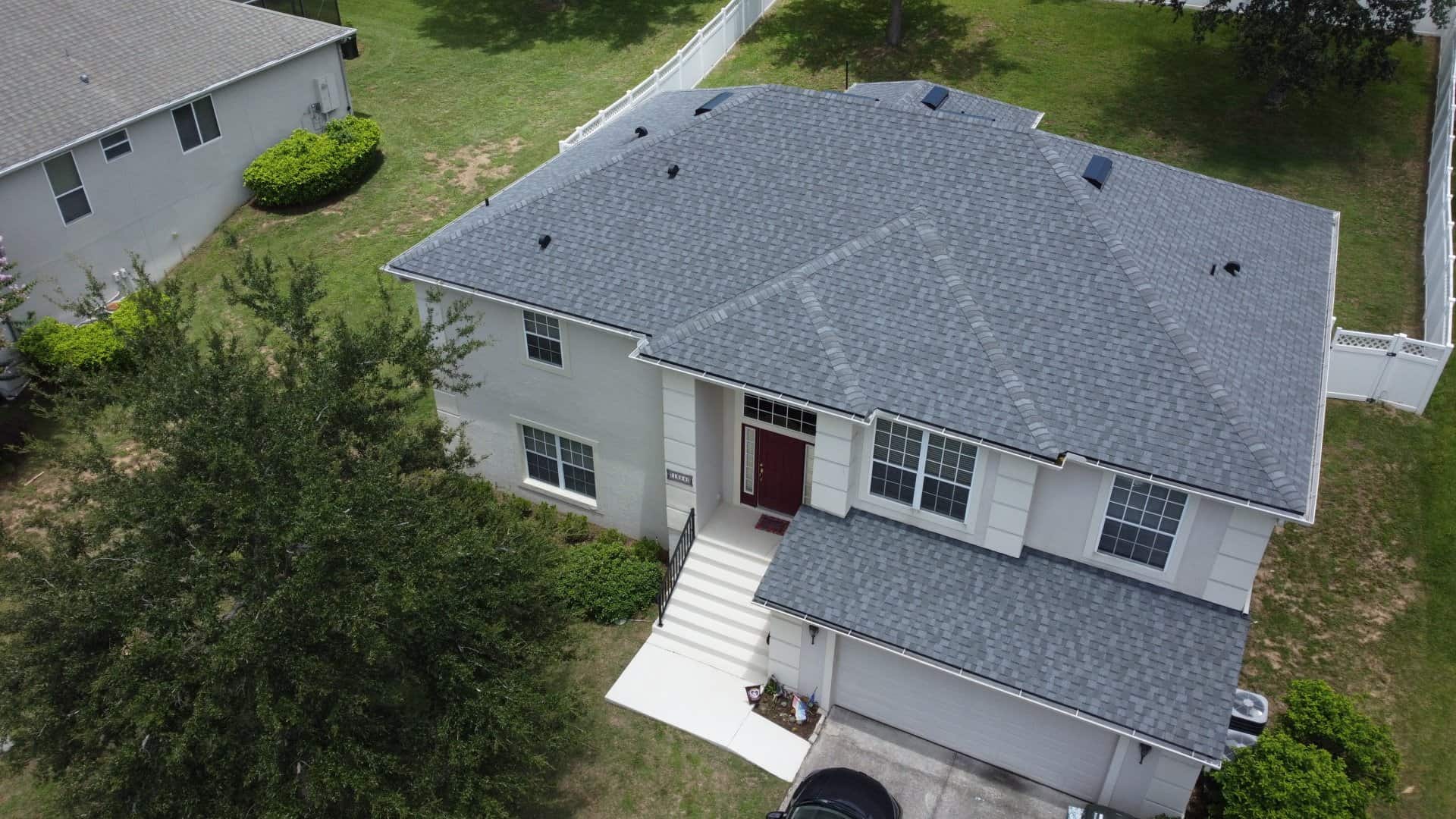
It’s a fair thing to worry about. Hail damage that goes unnoticed can shorten the life of a roof, and a slow leak can soak insulation for months before a stain shows up. On the other hand, nobody wants a roofer who finds a problem every time just to sell a job. You deserve someone who will tell you when your roof is fine.
APC Roofing has inspected roofs across the Kansas City area since 2017. We’re GAF Certified, licensed and insured, and your inspection is free. Call 913-398-5020 to set a time.
When a roof inspection makes sense
You don’t need one every month. These are the times it’s worth it:
- After a hailstorm or high winds. This is the big one around Blue Springs. Spring and early-summer storms can damage shingles in ways you can’t see from the ground.
- When you see a stain or a drip. The water you see inside usually entered somewhere else, so finding the source takes a look at the roof and the attic.
- Before you buy or sell a house. A clear report on the roof’s condition can save surprises at closing.
- When the roof is getting older. An inspection tells you roughly how much life is left, so you can plan instead of reacting.
- After a hard winter. Ice dams and freeze-thaw cycles open gaps around chimneys, vents and pipe boots.
What we check on the roof
A roofer walks each slope, if it’s safe to walk, and looks closely at the things that fail first:
Shingles
Hail hits show up as dark spots where granules are knocked loose, sometimes with a soft or cracked mat underneath. Wind damage shows as lifted, creased or missing shingles, usually along the edges and corners. Curling, cracking and bare patches point to age.
Flashing and pipe boots
Most leaks start where the roof meets something else: chimneys, walls, plumbing vents. The rubber collars on pipe boots crack in the sun long before the shingles wear out, and flashing can pull loose after years of freeze-thaw.
Valleys and edges
Valleys carry more water than any other part of the roof, so worn or damaged shingles there matter more. Along the edges we look at the drip edge and the fascia behind the gutters for soft or stained wood.
Gutters, downspouts and metal
Dents in gutters, downspouts and metal vents are one of the easier ways to spot hail. Piles of granules at the bottom of downspouts tell part of the story too.
What we check from the attic
The attic often tells you more than the roof does. From inside, a roofer looks for water stains on the rafters and decking, damp or matted insulation, and daylight coming through where it shouldn’t. Stains near a chimney or a vent pipe usually point straight at the leak.
What you get afterward
You get photos of what we found, tied to the spots on your roof, and a plain explanation of what’s sound, what needs attention and what can wait. If something needs fixing, you’ll get a written estimate. If your roof is fine, we’ll tell you that, too.
When there’s damage, the next step is usually a roof repair. If hail or wind is behind it, our hail damage roof repair page explains how that work goes. And if the roof is near the end, we’ll talk through roof replacement honestly.
Roof inspections and insurance claims
If storm damage turns up, you file the claim with your insurance company and you pay your own deductible. We document the damage with photos, provide a detailed estimate and work with your adjuster when they inspect the roof. Be wary of anyone who offers to waive or cover your deductible.
What you can check yourself, from the ground
You don’t need a ladder to spot early warning signs. Walk around the house after a storm and look for:
- Shingles or pieces of shingle in the yard
- Dented gutters, downspouts or window screens
- Granules collecting at the downspouts
- New stains on ceilings, especially near outside walls
A quick look in the attic with a flashlight is helpful too, if you can get up there safely. Leave the roof itself to a roofer.
How it works with APC Roofing
- Book your free inspection. Call 913-398-5020 or request a free online estimate.
- Get a clear, honest assessment and estimate. You’ll get photos and a plain answer, and an estimate only if something needs work.
- Get any work done and the site cleaned up. If you decide to move ahead, the repair or replacement follows the plan you agreed to, and the property is left clean.
Roof inspection questions from Blue Springs homeowners
Is the roof inspection really free?
Yes. The inspection and estimate are free, and there’s no obligation to hire us.
How long does a roof inspection take?
It varies with the size and pitch of the roof and whether there’s attic access. You’ll get a time estimate when you book.
Do I need to be home?
It helps, since the attic check means someone has to let the roofer in. If your schedule is tight, mention it when you book.
How often should a roof be inspected?
Many roofers suggest a check about once a year and after any major hail or wind storm. A roof that’s checked regularly rarely surprises its owner.
Know where your roof stands
A small problem found early is usually a small repair. The same problem found after a winter of leaks can mean new insulation, drywall and decking.
Get the answer while it’s still simple. Then you can stop wondering every time the clouds roll in, knowing your roof is sound and your house is dry. Call 913-398-5020 to book your free roof inspection, or start your estimate online.


















