Trying to Find Roofing Contractors in Blue Springs Missouri?
APC Roofing handles everything from a simple checkup to a full replacement, across asphalt, metal and tile alike.
Phone 913-398-5020, and a roofer comes out to see the house firsthand.
What a Roof Is Made Of: the Basics
The surface a passerby notices is only the outer layer, and underlayment, decking and structural framing sit out of view. Sheet-metal flashing takes over at each wall, stack and valley, and water there rarely traces back to worn shingles close by.
The attic air beneath the deck counts as part of the roof assembly, as heat trapped under the boards shortens the life of the shingles above. Water showing indoors may come from any level of the structure, so patching only what the yard shows can fail to reach the real cause.
What a Roof Does for a House, Component by Component
Gravity and overlap send each shower to the ground, and the fastening pattern resists wind uplift. Beams and boards carry the mass overhead, snow included at the colder end of our territory, and intake and exhaust let the attic breathe.
The covering handles water, and the fastening handles wind, while what is underneath answers for holding the roof up, unnoticed. A weak link puts strain on the parts around the weak spot, and the real remedy sits back where the fault started.
Small Parts of a Roof System: Not All Equal
Most of the slope is designed to hold up for decades, but a rubber collar at a vent pipe gives out far sooner. Rain finds a way down past the weak point, and a stain appears on the ceiling below.
Sealant along metal edges dries and shrinks in strong sun, and metal flashing rusts at bends and cut ends. The capping pieces craze down the center, since the crest takes more weather than the planes below.
Different Stages, Different Details: Near and Far
From the yard, the shape of the roof reveals dips, sags and wavy planes, and the eave boards and downspouts can be sized up as well. Binoculars pick out torn collars, lifted tabs and bare patches, though some faults cannot be judged without climbing onto the roof.
Once on the roof, a roofer checks every connector closely and follows the flashing at each wall, and the shingles are checked for brittleness and thin spots. A slippery or steep slope rules out walking, and the eave, reached by ladder, provides the vantage point instead.
Above the Ceiling: Evidence to Look For
A stained patch on the plywood shows water that got in before, and a soft, wet feel means the entry point is still open. Sunlight visible from inside marks a way in, and the distance from the ridge and gable gets measured so the spot can be found outside.
Corroded fasteners poking through mean the attic air runs humid, and a matted, gray patch backs up the same story. A soffit choked with insulation, or a bath fan venting into the attic space, is spotted only from inside, so ventilation trouble of that kind escapes a yard-only check.
A Homeowner's Take-Away: the Basics
A record of the visit takes the form of photographs keyed to spots on the roof, and a short note describes what each image covers. Good sections get the same plain treatment as sections that do not, and faults are ordered from most to least pressing.
Keeping an older report gives the next check something to compare against, and a pattern over time tells more than a single day ever could. Regular yearly checks keep an owner from being caught off guard, and a serious repair shows warning signs long before the work turns urgent.
Routine Care for a Shingle Roof: a Short Rundown
Worn boots around the stacks get exchanged for new ones, and dried sealant at walls and flues gets redone. Branches and leaf litter come off the low points and the chimney back side, and the gutters get kept running and secured.
A raised corner glued down in time stays a simple repair, but delay through a wet season can let water reach the ceiling below. Moss holds shingle edges up and traps water against the courses, and a gentle wash clears the growth, since a pressure washer strips granules.
How Often the Checkup Should Happen: a Homeowner's Part
An experienced roofer should read the covering once every year, timed for right after the season that is hardest on roofs locally. The goal is seeing deterioration ahead of any drip, and the homeowner learns roughly how much life the covering has left.
In the months between visits, a look from the driveway after high wind helps, and bedroom ceilings upstairs can be watched for fresh spots. Checking the attic with a lamp each season makes sense: damp wood, daylight and wet insulation are easy to see long before anything reaches the space below.
Judging a Roof's Age From Outside: From New to Worn
Newer asphalt lies smooth and uniform in tone, and later in life the sun-exposed plane fades before the shaded side does. At the very end, tabs turn brittle and crack, and each fix soon fails again.
What the lawn view suggests is a solid baseline, but a ladder and a closer look tell the fuller story. A roof near the finish line is better replaced than patched again, and a straightforward contractor says so directly, instead of selling one more fix.
The Trough Behind the Fascia: What to Watch For
The covering's job on water stops at the drip edge, and the gutter line handles the flow after that. A clogged or sagging channel pushes water back behind the fascia, and the wood close by swells and softens.
Trouble along that edge usually comes from standing water, not the covering, and new shingles will not cure a fault of that kind. Gutter fall and downspout placement get checked together, and the flashing along the eave gets looked over for bent or missing pieces.
How the Roof Breathes: Why the Details Matter
Fresh air is meant to come in at the soffits and exit along the ridge, and that path carries heat and moisture out of the attic. If the vents get blocked, the attic overheats each summer and stays sticky the rest of the year, and the tabs curl and the plywood softens ahead of schedule.
A fan starved of intake draws air from the rooms below, not from outdoors, and two mismatched setups on one roof can work against each other. A roof placed over bad ventilation inherits an existing weakness, so the fix belongs in the same job as the new covering.
Weather Decides Every Job: Different Choices for Different Homes
Toward the colder end of our territory, frozen gutters and heavy snow set the priorities, and a waterproof membrane covers the bottom few feet of deck. On the coastal side of our area, storm winds set the nail pattern, and reinforced edge metal and sealed seams get specified.
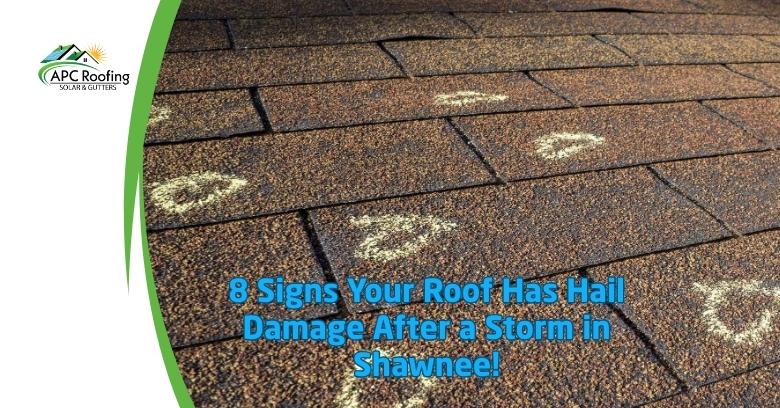
Where big hail is common at the colder end of our region, a harder surface earns consideration, while strong sun bakes asphalt across every market we serve. The details get set by conditions at that specific location, not routine or whatever was used on the last job.
Homes and Businesses: Different Structures Entirely
Angle and overlap work together to move water off a pitched covering, laid in asphalt, tile or metal. A store or warehouse shelters under a nearly flat, sealed membrane, and mechanical equipment and drains break through that surface.
Some houses have a gently sloped patch over a back room, and a lapped product there lets water back up under the tabs. A low spot like that calls for a sealed sheet, tucked beneath the steeper roof above, and putting shingles back on that spot solves nothing.
Tarps and Emergency Covers: Done the Right Way
A barrier keeps rain off a hole before repairs begin, but the trouble below stays untouched. A good cover goes up and over the peak and gets fastened with wood strips, and enough tension keeps gusts from finding any slack.
Extra reach past the opening matters on any temporary cover, since water runs sideways under a short edge. Film left in place for months holds heat and humidity against the deck, and the material underneath weakens over time.
Vertical Joints on a Roof: Getting the Work Right
Short metal steps get laced between the courses up the side of a dormer, and a strip of trim above turns down over the top edges. A chimney gets an apron across the downhill face and metal tied in up each edge, and a broad stack gets a diverter built into the roof behind.
Caulk troweled onto a bad seam lets go once temperatures shift the metal, and a proper tie-in, rebuilt from scratch, is what holds. Eroded mortar joints let water into the brick above the flashing line, and a mason may need to handle the stonework while a roofer handles the metal.
Putting Requirements on Paper: Nothing Left Vague
The rundown for a job should list every product by name, and the document says whether the existing roof gets stripped to the deck. The account spells out in advance how damaged plywood gets counted, and the metal, the ventilation and the yard cleanup are each called out.
Competing proposals listed in detail can be read side by side, and any gap between the two versions stands out. A crew that asks for trust instead of anything in hand has left out the part that matters, because nobody can confirm later what got said.
How a Re-Roof Unfolds: the Basic Sequence
Landscaping and paving get shielded before any tearing begins, and the old covering gets stripped into a trailer. Opened up, the decking gets checked for soft spots and breaks, and anything that flexes underfoot gets sawn out and patched.
Membrane at the eaves, underlayment across the field and new flashing all go down, and the covering, the ridge caps and the vents go on to finish the job. The yard and drive get a magnetic sweep before the crew leaves, and the gutters get checked and cleared of scraps.
Upkeep on Other Coverings: Notes by Covering Type
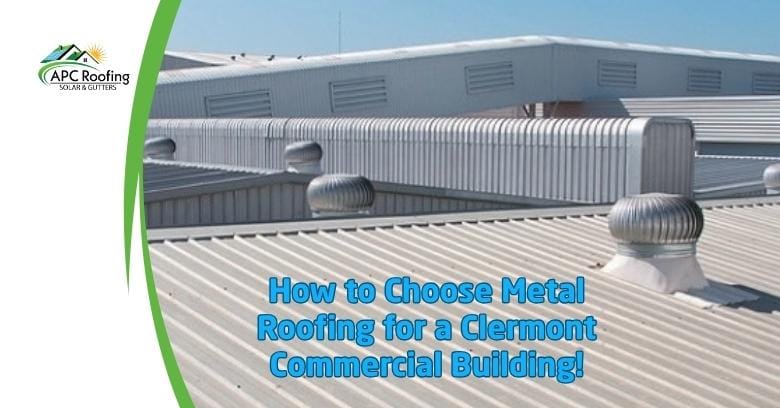
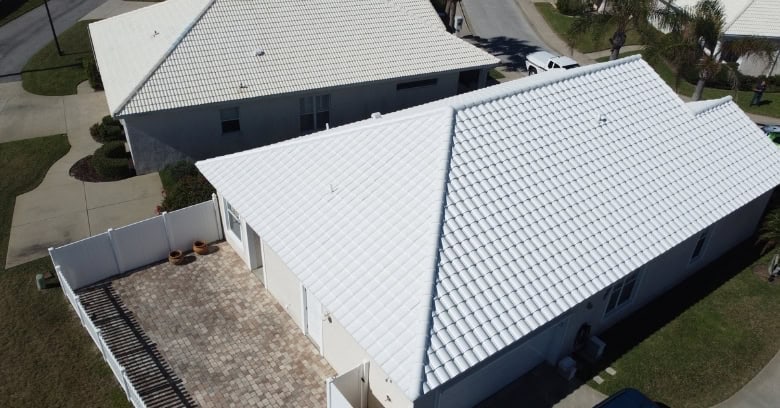
Screw-down metal panels depend on a gasket beneath each fastener, and a worn spot gets cured with a new screw rather than caulk. Across our markets, tile sets by mortar, by foam or by clips, based on the property, and the layer underneath carries the job of shedding water.
Weight placed wrong breaks a piece, and a damaged unit gets pulled and replaced to match the surrounding pattern. A modified-bitumen or single-ply section needs the seams and any puddling checked, and clogged drains get cleaned out on a visit.
What Owners Tend to Notice: Easy to Act On
- Sand-like mineral grains in the gutter runs, long after the covering was installed.
- Corners turned up across a slope, most visible on the sunniest slope.
- Torn rubber where a pipe exits the deck, easy to miss without a zoom lens.
- A ceiling mark that spreads with each downpour, new since the previous season.
- Light leaking in near a valley or a pipe, with the lamp switched off.
- Green growth along the north-facing side, pushing up the lower edges of the shingles.
- A hollow spot in an otherwise even stretch, seen best from across the street.
- Caulk cracked along a chimney, a sign that the tie-in needs attention.
Roofing Contractors Around Blue Springs Missouri: APC Roofing's Approach
Before anything gets proposed, a roofer looks over the whole covering and the attic, and the findings arrive as photographs with a written note. Good sections get the same plain treatment as problem areas, and the next step is left to the homeowner.
Roofing Contractors Around Blue Springs Missouri: Plain Talk, Careful Work
Call 913-398-5020 and set a time for a visit.
A Roof Timeline: Easy to Maintain
Writing down the installation date and the materials used is a smart habit, and each inspection report deserves a spot in the same folder. Tallying each repair, the location and the method, keeps things complete, and over time the pattern shows which areas keep needing attention.
Selling a property brings questions about what is overhead, and dated receipts make the answers easy to give. A scanned set of the same files, stored separately, guards against a misplaced original, since a spill or a move should not be able to wipe out everything.
A Neat Result, Up Close: Quality You Can See
Courses run straight and the cuts along the rakes come out clean, and the nailing stays out of sight across the roof. At each wall and chimney, fresh metal gets set in as the flashing climbs higher, and no gob of roofing cement stands in for a missing piece.
Ventilation openings stay in place and free of debris, and the gutter runs finish straight and fastened. The lawn and driveway get a magnetic pass at the end of the job, and sawdust near a cut line is the most common leftover once the work wraps up.
Anyone weighing choices for Roofing Contractors in Blue Springs Missouri has one straightforward next step. Reaching out to APC Roofing at 913-398-5020 puts a time on the books. Every visit covers the roof and the attic together, and nothing is left to guess at.
Verified

Verified