
You’ve made up your mind that a metal roof makes sense for your house. Then the quotes start coming in, and they’re full of terms like Galvalume, 26 gauge, PVDF and stone-coated. Two estimates for “a steel roof” can describe very different products, and it’s hard to compare them when you’re not sure what any of it means.
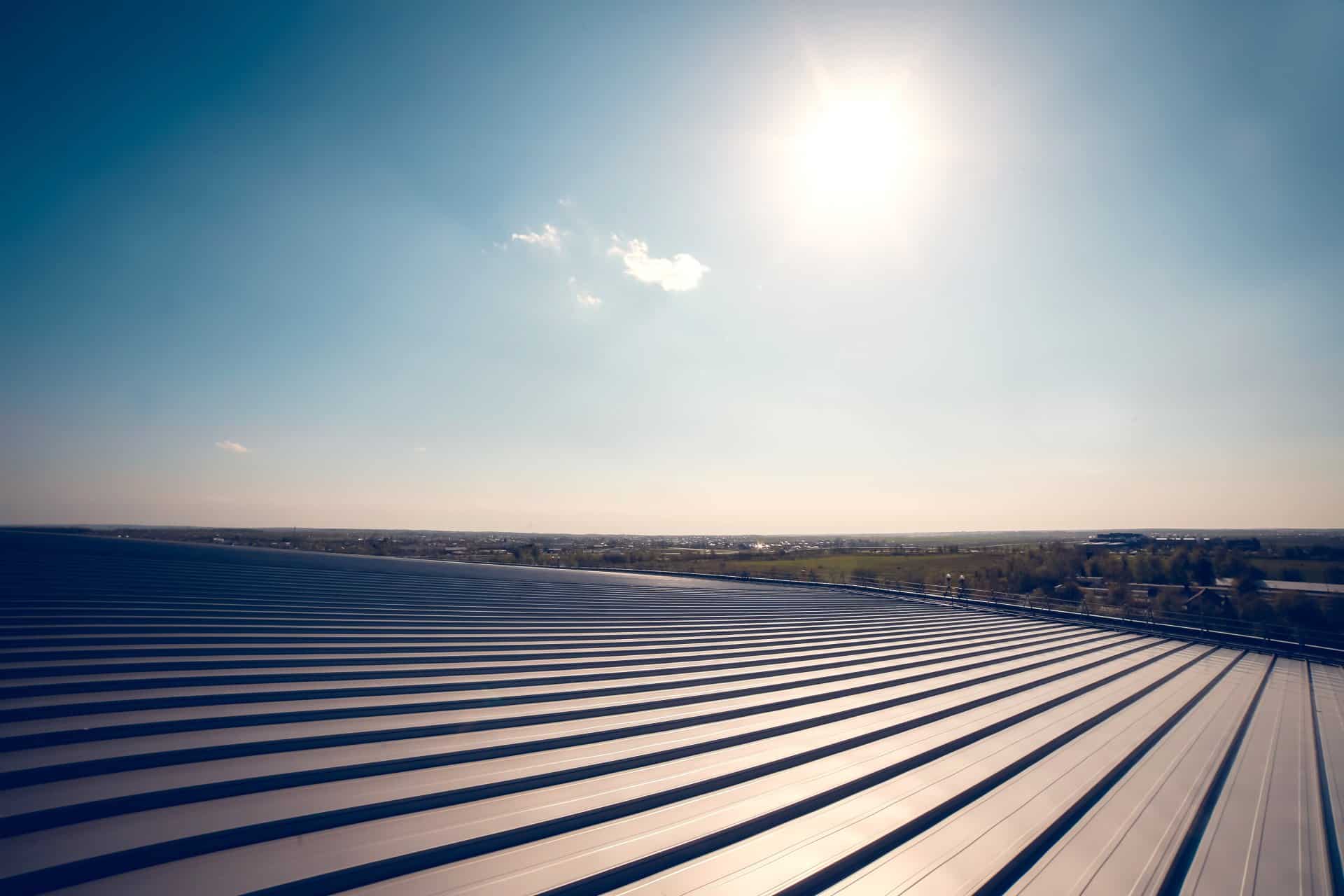
Steel roofing in Blue Springs is the most common kind of metal roof, but the steel underneath the paint varies a lot. Knowing a few basics helps you compare quotes and pick a roof that fits your home and your budget.
APC Roofing is GAF Certified, licensed and insured, and has been in business since 2017. Your inspection and estimate are free. Call 913-398-5020 to go over your options.
Why most metal roofs are steel
Steel is strong, widely available and costs less than copper or zinc. Aluminum is lighter and doesn’t rust, which makes it popular near salt water, but it’s softer and dents more easily. For a home in the Kansas City area, far from the coast and in hail country, coated steel is usually the sensible choice.
The three things that make one steel roof different from another
1. The metallic coating
Bare steel would rust fast, so roofing steel gets a metallic coating before it’s painted. The two you’ll see most:
- Galvanized steel is coated with zinc. Zinc protects the steel even at small scratches.
- Galvalume (aluminum-zinc) steel is coated with a blend of aluminum and zinc, which tends to hold up longer in normal weather. It shouldn’t sit in contact with wet concrete or fresh mortar.
Both are common on homes. The coating weight matters too, and a heavier coating generally lasts longer.
2. The paint finish
The color coat is what you see, and it’s the first thing to show age. Higher-grade finishes, often listed as PVDF or Kynar, resist fading and chalking in strong sun for longer. Lower-cost finishes, often listed as SMP, cost less up front and will fade sooner. On a barn that may not matter. On the front of your house, it usually does.
3. Gauge, or thickness
Steel thickness is measured in gauge, and a lower number means thicker steel. Homes commonly use 24, 26 or 29 gauge. Thicker steel resists dents from hail and foot traffic better and holds its shape on long panels. If two quotes list different gauges, that’s a real difference, not fine print.
The shapes steel roofing comes in
The same steel can be formed into very different roofs:
Standing seam. Long panels with raised seams and hidden fasteners. Clean and modern, with the least upkeep. See our standing seam metal roofing page.
Corrugated and ribbed panels. Exposed-fastener panels common on shops, barns and some homes. Lower cost, with screws that need periodic attention. See our corrugated metal roofing page.
Steel shingles. Stamped to look like shingles, slate or shake, with interlocking edges.
Stone-coated steel. Steel panels with stone granules bonded to the surface. From the street it can pass for shingles, shake or tile. The texture hides small dents well, and the granules soften the sound of rain.
How steel stands up to Blue Springs weather
Hail. This is the big one here. Steel doesn’t crack or lose granules like asphalt. Big hail can dent it, and smooth, thin panels show dents most. Thicker gauges and textured or stone-coated surfaces hold up better. Some steel roofing products carry impact ratings, which are worth asking about.
Freeze-thaw. Steel expands and contracts with every temperature swing. A good install allows for that movement so panels don’t buckle and fasteners don’t work loose.
Snow. Snow slides off steel quickly. Snow guards over entries and walkways keep it from dropping all at once.
Rust. Coated steel resists rust well, but cut edges, deep scratches and spots touching copper or wet treated lumber can rust over time. Careful cutting and the right fasteners and trim help prevent it.
When an older steel roof needs help
If you already have a steel roof that’s leaking, rusting at the edges or losing screws, it may not need replacing. Our metal roof repair in Blue Springs page covers what’s usually fixable.
How it works with APC Roofing
- Book your free inspection. Call 913-398-5020 or request a free estimate online.
- Get a clear, honest assessment and estimate. You’ll get a written estimate that names the coating, finish, gauge and panel style, so you can compare it fairly against any other quote.
- The roof goes on and the site gets cleaned up. Scrap metal and fasteners leave with the crew.
Financing is available through Aqua Finance, Fortifi, Hearth and Home Run Finance.
Steel roofing questions from Blue Springs homeowners
Will a steel roof rust?
The coating and paint protect it, so rust is uncommon on a well-installed roof. Cut edges, scratches and contact with incompatible metals are where it usually starts.
What gauge steel roof should I get?
For a home, 24 or 26 gauge is common. Thicker steel costs more but resists hail dents better.
Is stone-coated steel quieter than other metal?
The stone granules help dampen rain noise. Over a solid deck with underlayment and attic insulation, most steel roofs are quieter than people expect.
Is steel or aluminum better for a house in Missouri?
For most inland homes, coated steel. It’s stronger and resists dents better. Aluminum mainly earns its keep near salt water.
A steel roof you understand and trust
Two quotes that look the same can hide a thinner gauge or a finish that fades in a few summers, and you only find out once the roof is on.
Know what you’re buying, and you get a steel roof that shrugs off hail and snow, keeps its color and lets you stop worrying about storm season. Call 913-398-5020 or start your estimate online, and see our Blue Springs metal roofing overview for more options.


















