
You’ve decided you’re done with shingles that need replacing after every big hailstorm, and the clean lines of a standing seam roof caught your eye. It’s a serious investment, though, and you want to understand what you’re paying for: how it differs from the lower-cost panels you see on barns, and how it holds up to a Missouri winter.
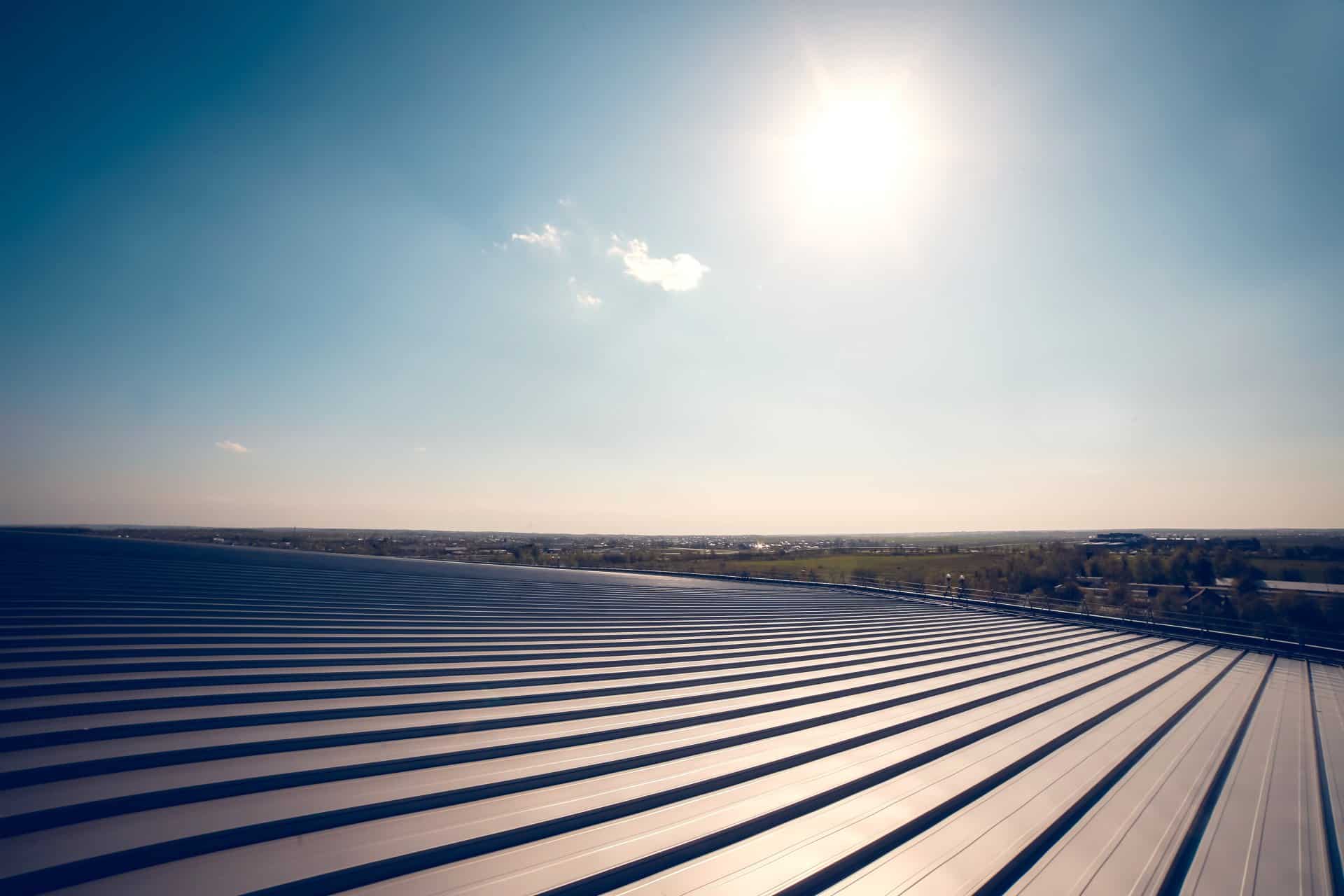
Standing seam metal roofing in Blue Springs is one of the most durable roofs you can put on a house. It’s also a roof where installation details matter a lot. Here’s what to know before you get quotes.
APC Roofing is GAF Certified, licensed and insured, and has been in business since 2017. Your inspection and estimate are free. Call 913-398-5020 to talk about your home.
How a standing seam roof works
Standing seam panels run in one piece from the ridge down to the eave. Where two panels meet, their edges turn up and lock together into a raised seam that stands an inch or more above the flat of the panel. That’s where the name comes from.
The big difference from other metal roofs is what you don’t see. The panels are held down by clips or fastener flanges hidden under the seams. No screws go through the face of the panel where rain runs. Exposed-fastener roofs, like corrugated metal roofing, depend on hundreds of rubber washers that age in the sun. Standing seam takes most of those potential leak points off the roof.
Snap-lock and mechanically seamed panels
There are two main ways the seams close. Snap-lock panels click together by hand pressure. They’re common on homes with a moderate to steep pitch. Mechanically seamed panels are folded shut with a seaming tool, which makes a tighter seam that’s better suited to low-slope sections like a porch or a shallow addition. The pitch of your roof largely decides which one fits.
Why it suits Blue Springs weather
Hail
Metal doesn’t crack or shed granules the way asphalt shingles do. Large hail can still dent standing seam panels, especially on smooth, flat sections. In most cases a dent is cosmetic and the roof keeps shedding water. Thicker panels and textured or striated finishes show dents less. Some panels carry impact ratings, and that’s worth asking about for a home in the Kansas City area.
Freeze-thaw and thermal movement
Steel panels grow on a hot summer day and shrink on a cold winter night. On a long panel that movement adds up. Good standing seam systems use clips that let the panel slide while holding it down. A roof pinned too tightly fights itself every day and can buckle or oil-can over time. Ask how the installer allows for movement.
Snow and ice
Snow slides off metal, often all at once on the first sunny day. Over doors, walkways, decks and lower roofs, snow guards keep it from coming down in one sheet. They’re a small detail that’s easy to skip and important not to.
Wind
Concealed clips spaced properly, with tighter spacing at the edges and corners, hold standing seam panels down in strong spring storms. Trim and ridge caps need the same attention.
The details that separate a good install
Underlayment. Metal gets hot, so a high-temperature underlayment belongs under it. It’s the backup layer if water ever gets past a panel.
Flashing. Chimneys, plumbing vents and roof-to-wall joints need flashing bent to fit the panels. This is where rushed installs leak.
Valleys and hips. Panels have to be cut and folded cleanly where roof planes meet, with no screws in the path of running water.
Panel finish. Higher-grade paint systems hold their color and resist chalking longer in strong summer sun. Ask what finish you’re getting. Our steel roofing page explains coatings, finishes and gauge in more detail.
Is standing seam right for your house?
It’s a strong fit if you plan to stay in your home for a long time, you’re tired of storm-season repairs, or you want a modern look. If you plan to sell in a few years, a quality shingle roof may make more financial sense, and you’ll hear that honestly. For a broader comparison of metal options, see our Blue Springs metal roofing overview. If you’re ready to move forward, our metal roof installation page explains the process.
How it works with APC Roofing
- Book your free inspection. Call 913-398-5020 or request a free estimate online.
- Get a clear, honest assessment and estimate. Your roof’s pitch, deck and details get checked, and you’ll see your panel and finish options side by side in a written estimate.
- The roof goes on and the site gets cleaned up. Scrap metal, old roofing and fasteners leave with the crew.
Financing is available through Aqua Finance, Fortifi, Hearth and Home Run Finance if you’d like to spread out the cost.
Standing seam questions from Blue Springs homeowners
Does a standing seam roof need snow guards?
Not over every part of the roof, but they’re a good idea anywhere sliding snow could land on a door, walkway, deck or lower roof.
Can standing seam go on a low-slope roof?
Mechanically seamed panels can handle lower slopes than snap-lock panels. Very flat areas still need a membrane roof instead.
Will a standing seam roof dent in hail?
Large hail can dent it. A dent usually doesn’t cause a leak, and thicker or textured panels show less damage.
Can solar panels go on a standing seam roof?
Often, yes. Solar mounts can clamp onto the raised seams, so the panels don’t need holes drilled through the roof.
A roof you stop thinking about
Shingle roofs in hail country can mean a new round of inspections and repairs every few springs, and that wears on you.
With a well-installed standing seam roof, storm season becomes something you watch from the window. Your home stays dry, the roof looks sharp, and you’ve made a decision you won’t second-guess. Call 913-398-5020 or start your estimate online to get started.


















