Looking for Commercial Roof Repair in Blue Springs Missouri?
APC Roofing installs and mends membrane and metal coverings on business buildings, down to the drains, edge trim and equipment curbs.
Dial 913-398-5020 and a roofer will climb up and look closely.
Above a Shop or Office: Setting the Scene
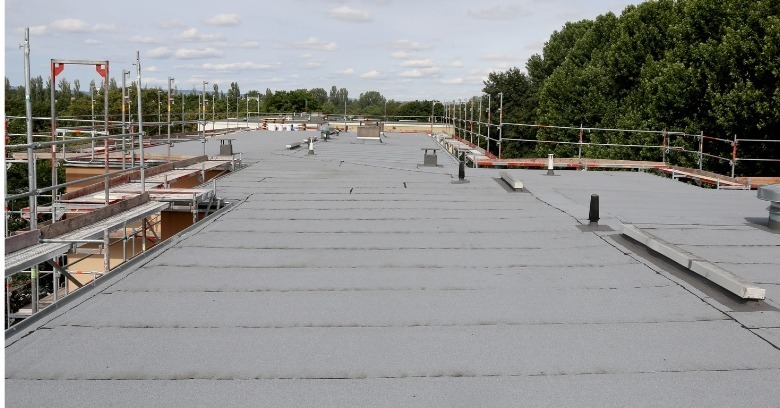
Employees, inventory and equipment are what the membrane protects, and seepage can empty an aisle or stall a packing station. A large building is usually topped by a broad, nearly level surface, so outlet sizes and wind design come from engineering figures.
Mechanical units, vents and satellite dishes share the space overhead, and every pipe, duct or support must have a sealed opening. How the building is used guides the specification, because a bakery and a document archive ask for different things.
Sheet Systems in Wide Use: Options on the Market
Single-ply means one factory-made layer of TPO, PVC or EPDM, modified bitumen is rubberized asphalt sold by the roll, and built-up roofing mops hot tar between plies of felt. The laps on a thermoplastic sheet are fused by a welding machine, whereas rubber splices rely on primer and adhesive tape.
Kitchen exhaust leaves a film of grease around a restaurant's fans, and oily residue softens asphalt and EPDM, so PVC usually covers the affected stretch. A stone-covered built-up system is weighty and tough, because the loose aggregate keeps ultraviolet light off the bitumen.
Commercial Steel: Where Trouble Shows
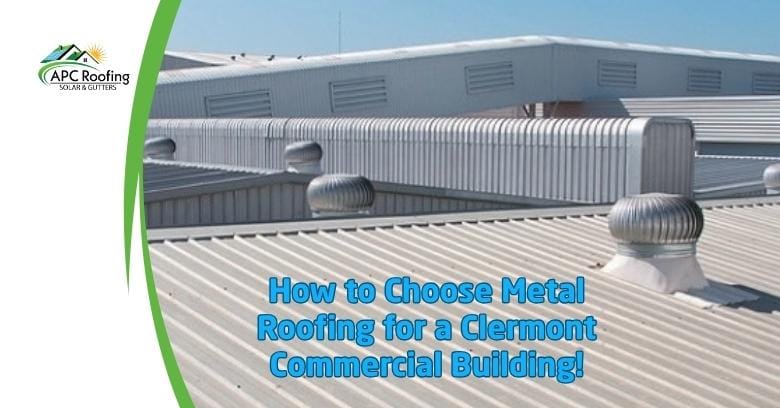
Exposed-fastener sheets are secured with screws through the flats, and the threads grip purlins or joists underneath. UV exposure cracks the rubber seal under every head, and daily heating and cooling gradually loosen the fasteners.
Clips concealed in the raised seams secure a standing-seam roof, and the pans shift slightly through the day. Corrosion gathers where sheets overlap and at trimmed ends, and a coating over steel that is still sound can slow the damage.
Deck Types – What to Check
How the system is held down is set by the structure under the insulation, and a reroof almost never replaces the framing. Steel with flutes holds screws securely, concrete is glued or drilled for anchors, and wood planking takes ring-shank nails or plates.
Rust from old leaks can leave soft spots in metal decking, and a weakened section is taken out and replaced before new layers go down. From inside, the underside is inspected wherever the ceiling allows, and exploratory openings from above reveal the remainder.
Anchoring the Membrane – Pros and Cons
A fastened install uses plates and screws in the overlaps, fully adhered systems are glued across the whole underside, and ballasted sheets lie free beneath river rock or concrete pavers. Height, exposure and the deck below guide the selection, and an engineer confirms the framing can carry any added weight.
Between the plates, a fastened sheet balloons in stiff gusts, whereas a glued sheet holds steady on a clean, dry substrate. Ballast makes any inspection slow, because gravel or pavers must come off before anyone sees a joint.
Wind Forces Overhead: Planning the Attachment
The strongest suction lands at each corner, since air accelerates on rolling over the perimeter. The strip down each side carries a smaller share, and the middle of the field takes a small fraction.
Attachment rows tighten on the approach to corners and edges, as set out in engineering tables for height and wind speed. A thinly anchored outer angle can peel back, and the opening grows as each gust gets beneath.
Rigid Foam – an Overlooked Component
Polyiso sheets are laid across the deck with joints staggered, and a firm cover board spreads concentrated weight. Insulation keeps conditioned temperatures indoors, and tapered stock tilts the finished surface toward the drains.
A saturated panel no longer holds back heat, and trapped water weighs on the structure and corrodes steel. Scanning at dusk, with a few cores for proof, marks out the damage, and nothing ruined is left under a new covering.
Where Runoff Exits – Parts of the System
A basket-shaped strainer caps each interior opening, so debris stays out of the leader below. Silt plastered over the grate cuts the flow to a dribble, so a shallow lake forms across the low area.
A raised overflow waits above each primary drain, so a gush at the upper spout means the normal path is shut. Rain held across a wide area can put tons onto the beams, and a puddle that survives two days hints at settling or a choked strainer.
Tracing a Leak – Patience Pays
Ceiling stains record where rain finally came through inside, but the fault on the surface can lie a long way off. Steel decking guides runoff down the corrugations, and joints between boards lead a trickle further still.
On the membrane, every lap, curb and outlet on the high side gets examined, and a flood test on a small section can reveal a stubborn leak. Repairs aimed at the spot directly over the drip tend to miss, and the next rain brings the trouble back.
Rooftop Mechanical Units: Where Care Is Needed
A sturdy curb holds each machine clear of the membrane, and flashing wraps the sides up to a sheet-metal cover. Each folded inside corner takes careful work to stay watertight, and a pinhole at the crease lets rain run down behind.
A replacement condenser frequently arrives on an adapter curb nobody flashes, and stains appear below a few storms later. A trickle from a condensate pipe wears a streak of slime into the membrane, so the flow should be carried to a drain.
Everything Else That Passes Through: Details That Add Up
A preformed boot, cinched with a band, covers each round stack, and anything irregular is dammed with a pan and filled with pourable sealer. The compound shrinks and cracks as the years pass, and a top-up is standard upkeep.
Runs of conduit and gas line rest on unattached blocks, because a mount fastened through the sheet lets rain in. Each base needs a protective pad beneath, so heat and vibration scuff the buffer instead of the membrane.
Openings With Lids: What Wears
Plastic bubbles on older units go cloudy and brittle under sunlight, and splits appear around the screws along the rim. A shrunken gasket or a separated miter lets water through, and the covering gets accused of a fault in the glazing.
The access hatch is lifted on every service visit, and hinges, springs and weatherstrip wear from constant opening. Automatic smoke vents are built to burst open during a fire, so flashing and materials stay clear of the swing path.
Parapets on Commercial Buildings – Getting the Details Right
At the vertical face, the sheet climbs as base flashing, a termination bar grips the upper end, and counterflashing hangs down to shield the fastened line. A coping cap crowns the parapet and throws rain clear, though a cracked seam beneath lets runoff in.
Brick and block soak up a long downpour, and the ceiling stain that follows mimics a membrane problem. Inspection extends past the sheet to the coping, the flashings and the wall, and cracked mortar gets repointed rather than smeared with sealant.
Perimeter Trim on Open Edges – Parts and Purpose
A continuous cleat is fixed along the eave and locks the hem of the flange, and a cover strip ties the sheet to the upper face. Tested wind ratings decide which profile suits a given height, since a bent clip can let a gust peel a whole stretch.
Gutters along a long eave take a huge volume in a storm, and the hangers, joints and leaders must be sized generously. Bent or lifted trim belongs on the repair list, and fastening down loose runs helps stop the membrane peeling away.
Foot Traffic From Technicians: Protecting the Sheet
Mechanics who tend the condensers make the same trip many times a year, and the direct path slowly abrades the covering. An abandoned screw gets forced through the sheet by a passing boot, and a toolbox dragged across the top tears the surface.
Heavy walkway pads laid along the route show where to tread, and the abuse lands on something made to take the wear. A note at the ladder can ask every trade to stay on the protected strips, and a bucket for scraps and screws keeps the membrane clear.
Upkeep Through the Year: Timing and Tasks
Twice annually is a sensible rhythm for a walk-through of a commercial system, and heavy wind is reason for an extra check. Upkeep includes emptying every strainer, the seams are traced with a probe, and sealant at pockets and terminations is pressed for give.
Before the stormy part of the year, attention goes to outlets and perimeter flashing, and a return after rough weather finds what shifted. Each small defect found is logged with the location on a plan, which lets repairs be scheduled instead of rushed.
Roof Records: Knowledge That Lasts
A useful dossier includes a plan with every unit, drain and hatch marked, and a written build-up traces each component from the deck to the membrane. Photos with dates accompany every repair entry, and new moisture findings are added over the years.
Countless older buildings reach new owners with no history attached, so each contractor has to learn the build-up from scratch. Documentation stays with the building, so a later buyer or manager starts out informed.
Repair, Restore or Replace – Matching Work to Condition
A sound membrane with a handful of local faults simply gets patched, while a tired but dry surface can carry a silicone or acrylic layer. Extensive saturated boards make the job a replacement, and so do seams that crack wherever flexed, though age on paper proves nothing.
Any restoration coating depends on a washed, repaired substrate, and material below that holds water never dries out. A partial tear-off of the spoiled areas can be a reasonable compromise, provided the rest of the field has good years left.
Routes to a Reroof – Picking a Direction
Recovering adds another membrane on top of the current roof, and a board is placed between old and new. An overlay is allowed by code over no more than a single existing covering, as long as the insulation below is dry.
Tearing off takes the assembly back to the bare structure, and damaged sections of deck are mended while exposed. New tapered insulation can correct ponding during the same project, and crickets set between outlets push runoff aside.
Signs Worth Reporting – Deserving a Closer Look
- Water pouring from an overflow scupper during rain, which signals a clogged primary drain.
- Discolored ceiling panels that darken after wet weather, which shows moisture has worked through the insulation.
- Blotches or efflorescence on brick under the coping, which can come from open joints up top.
- Edge metal visibly bent or lifted from the ground, which can expose the border to uplift.
- Standing water in the same place long after a downpour, which hints at a low area in the structure or a slow drain.
- A yellowed, brittle skylight lens, which is ready to fail at the frame or under a load.
- Drops falling onto shelving during a downpour, which shows a leak traveling inside the assembly.
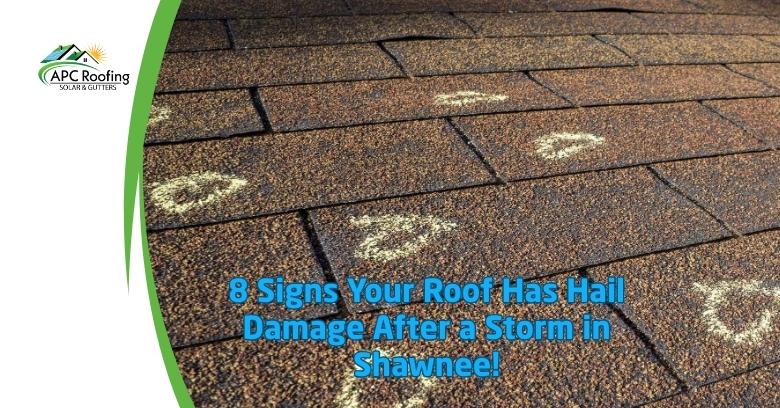
- A gutter that overflows along the front edge in rain, which can signal a blockage or a separated seam.
How APC Roofing Plans Commercial Roof Repair in Blue Springs Missouri – Step by Step
We begin with every drain, scupper and overflow, and the laps, curbs and perimeter come next. A leak brings a moisture survey of the insulation, so nothing is proposed until the results are in.
Everything we find is written up with photographs and a sketch, and each problem is labeled with a location. Each proposal names a choice: repair, restore or replace, and the why is explained in terms you can verify.
Commercial Roof Repair Throughout Blue Springs Missouri – A Clear Picture First
Phone 913-398-5020 and a time to look things over gets agreed.
Sharing the Building – Planning Together
Power fastening through steel echoes through the space beneath, and adhesive vapors may be pulled in by the air handlers. The loud stages are planned with the building manager ahead of time, and nearby vents can be closed off during curing.
Old membrane and foam are lowered by hoist or dropped through a covered chute, and tarps can go over whatever sits below. Solvent adhesives carry a strong smell that water-based products lack, so the softer-smelling kind is common above occupied rooms.
Section by Section: Avoiding Surprises
Crews remove only as much old covering as can be made watertight by evening, and each bare part gets fresh boards before more is taken up. A night seal links the finished part to the untouched field, and the stopgap is lifted at the restart.
The forecast sets how much covering comes off, so an approaching storm means a smaller opening. Unprotected boards caught in a cloudburst soak through, and runoff may find a path to the offices underneath.
Our Service Area's Range: Timing and Materials
At the colder end of our territory, hail and snow load both count, so impact-resistant cover boards and a framing check make sense. Strong sun across every town we serve slowly bakes a membrane, and a pale surface sends much of the radiation back.
At the coastal end, hurricane wind pushes attachment requirements up, and heavy tropical rain calls for extra overflows. Some adhesives will not cure below a set temperature, whereas welded seams can go down in cool weather but never onto a wet deck.
Guarding Against Falls: Practical Precautions
A knee-high parapet or a bare perimeter leaves a sheer drop, and anyone near the edge works inside warning lines or clipped to anchors. A dome breaks through easily under a misplaced step, so a screen or guardrail at each opening prevents a plunge.
Permanent anchors left in place serve the technicians who come later, and a gate at the ladder top adds protection. Our findings mention any guard that is lacking, as a single-story drop can still cause grave harm.
When Commercial Roof Repair in Blue Springs Missouri is on your list, speak with APC Roofing at 913-398-5020. A roofer will inspect the drainage, the seams and the flashings, and everything goes down on paper while the decision stays yours.
Verified

Verified