Searching for Metal Roofing Here in Hidden Harbour Neighborhood Florida?
APC Roofing lays new panels and brings worn coverings back into shape, whether for a shop, a porch or a whole house.
Phone 407-270-1129 and a roofer will look closely and explain plainly what is up there.
Sorting Out Types: Clues From Below
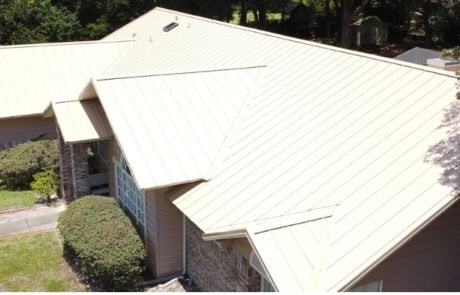
Ribbed and corrugated panels take screws through a flat or a crest, but standing seam is anchored by clips concealed beneath upright folds. Coated steel is what the great majority of metal-roofed homes carry, and aluminum and copper are less frequent choices.
Screw heads marching in rows, easy to spot from below, point to exposed fasteners, while plain pans and tall ribs with nothing in sight are standing seam. Pole buildings, sheds and porches frequently get ribbed sheet, and homes turn up with both.
Cross-Section Choices – Reach Between Supports
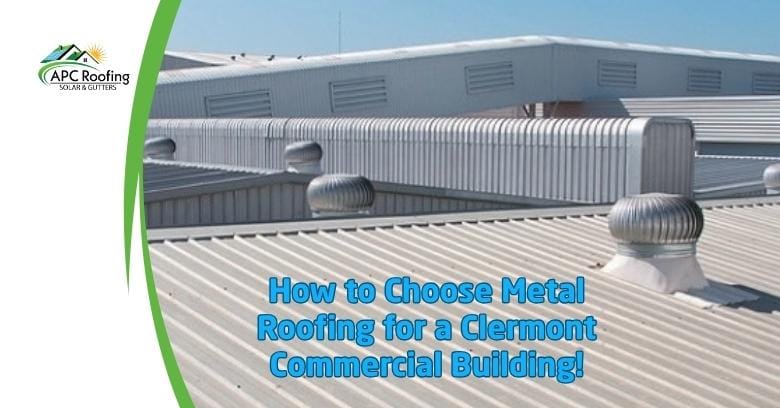
Corrugated sheet ripples in smooth, repeating curves, and a ribbed panel has trapezoid ribs separated by broad pans. Neighboring sheets overlap at a side edge by a single crest, and every screw lands where a maker's layout calls for.
Ribbed stock is stiffer and spans further between supports, and corrugated remains popular for a traditional farm look. High ribs carry a heavy downpour across an extended slope, whereas a short porch covering gets by with a low pattern.
Fastener Hardware: Small Parts, Big Job
Each screw draws a panel snug against a rafter or purlin, and a washer under each head keeps rain out. Sun and temperature swings dry out neoprene over time, long before the painted metal gives out.
Overdriving tears a washer and dishes the metal, and a shallow or off-square setting never seals fully.
Fastener Replacement: Part of Upkeep
Washers dotted across a ribbed field grow old together, so eventually a full new set of seals is needed. Every existing fastener is removed, and an oversized screw returns to every hole to catch undamaged fibers or metal.
A re-screw stops drips around screw heads and draws lifting sheets back down, but corrosion, parted laps and bad flashing are left as found. Thread type follows whatever support lies below, since lumber and steel purlins take different screws, and tops painted in a panel color keep new work from standing out.
Expansion and Contraction: Why Slack Matters
Sunshine stretches steel slightly and a chilly night pulls the metal back, and a long run can gain a quarter inch between noon and midnight, and aluminum reaches about double. Metal held too rigidly wears fastener holes into slots, and seals start to fail.
Creaks as the day warms come from steel adjusting, and a roof built with slack is unharmed.
Beneath Raised Seams – Laid in Sequence
A long pan gets one fixed point, often near a ridge or an eave, and sliding clips everywhere else let the metal move with temperature. A finishing piece at an opposite end has room built in underneath, and rigid fastening over a big pan shears or wrinkles the metal.
A pan is positioned and clips are screwed to the deck beside a long edge, so each new pan conceals all hardware below.
Seam Styles: A Choice With Consequences
A snap-together rib engages when an installer presses down, while other designs are crimped over by a machine. A double-locked joint stands up to gales and to water sitting against the metal, and maker approvals cover shallower slopes.
Profiles come in different widths and heights, and building shape and personal taste steer a buyer. Accessories such as clips and closures fit a single system, so any repair hinges on knowing exactly which panel is installed.
Light or Heavy – Beyond Appearances
A steel panel is rated by gauge, and a smaller number means a thicker sheet. A shop or barn frequently has twenty-nine, and homes typically get twenty-six or twenty-four.
Aluminum is called out in decimal inches, and in both cases a heftier panel stays straighter and tougher. A view from below reveals nothing about grade, so a label on a bundle shows what was delivered.
Rust Resistance – Aging in Sunlight
Roofing steel leaves a mill with a zinc or aluminum-zinc layer over plain sheet, and a primer and a colored enamel are baked over the metal. A scratch that stays within paint does no harm, while a sheared edge or a deep gouge lets rust begin.
High-end fluoropolymer finishes keep a bright look for years, and polyester types chalk white sooner. Uncured concrete and mortar harm an aluminum-zinc coating, and a separator goes wherever panels touch new brick.
Picking an Alloy: Near the Water
Aluminum is light and free of red rust, but softness means a heavier grade for equal toughness. At the coastal end of our territory, salt spray breaks down galvanized coatings faster, and some makers limit steel products by distance from a shoreline.
Copper usually goes on small accent roofs over bays and entries, and the metal is left bare to weather.
Chemistry on a Rooftop: A Slow Chemical Fight
Rain rinsing off a copper detail wears through coated steel downhill, and streaks appear years ahead of perforation. Treated wood touching aluminum pits the metal at each contact, and an ordinary screw of an unsuited alloy fails as well.
Any added flashing or trim should be the same metal as what is up there, or an isolating layer separates unlike metals.
An Appearance Question – Why Installation Counts
Oil canning means a slight bow in a wide stretch between seams, and raking light early or late in the day brings out each rise and fall. A panel that looks uneven sheds rain as well as a perfect sheet, and service life is unaffected.
Striations, heavier stock and narrower pans keep rippling in check, and an installer who does not overdrive clips helps as well. Pictures of completed homes give a sense of how visible oil canning gets, and you decide what to order.
Comfort Below: Rattle and Warmth
Metal spanning open rafters, with air beneath, is what clatters, since one thin layer is all that stands between sky and interior. On a house, a solid deck, underlayment and ceiling insulation sit below the panels, and indoors most people hear little more than on shingles.
Light tones and cool pigments bounce a large share of sunlight away, and the attic takes in far less. A deep hue absorbs heat like any dark surface, and ventilation and insulation underneath matter as much as finish. Within an hour of sundown, a metal covering is cool, and the attic below catches up before long.
Guard Rows: Above Entries and Paths
In the snowier part of our service area, a metal roof sheds snow fast, and an avalanche off an eave can flatten shrubs, gutters or anyone underneath. Rows of cleats hold a load back until melting clears the roof, and typical spots are above doors, walks, decks and gas meters.
On standing seam, brackets clamp onto a rib without a hole, while screw-down sheet takes mounts fastened into framing with sealed screws, and in our warmer markets a house goes without.
Storm Marks – A Record of What Happened
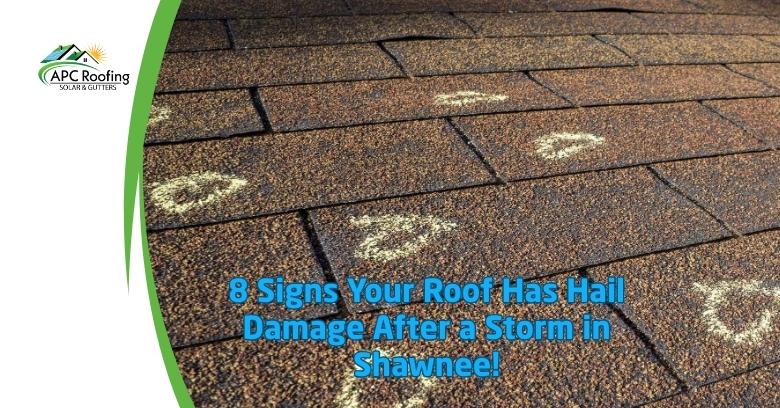
Hail visits the colder end of our range with some regularity, and stouter panels with striations hold shape better. Where a blow splits paint, bare metal can corrode, while a seam or trim edge pushed out of line may open.
After any storm, each affected area is photographed and measured, with every dent pinned to a location on the roof.
Resisting Uplift: Trim Held Tight
Perimeter bands of a roof take a heavier pull than a central field, and a loose flange gives moving air a handle. Finishing trim is hemmed and caught on a cleat for a whole run, leaving nothing for a storm to seize.
Fasteners go in closer together near corners and a roof's rim, per manufacturer guidance for local conditions. Along the coastal end of our service area, hurricane risk raises fastener counts again, and a whole assembly has to carry a matching rating.
Where Something Pokes Through: Sealant as Backup
A flexible boot is formed around every rib and banded tight to a pipe, and a hole is cut in a flat, not through a seam. Square penetrations take a curb and a cricket on a high side, so no water dams up.
Sealant backs up flashing and never stands in for folded metal, as ultraviolet light turns soft compounds brittle in a few seasons.
Changes of Direction – No Screws in the Water
Valley metal is laid before a single panel, and sheets are cut on a diagonal to suit. Raw ends are folded under and locked to a cleat, so no fastener sits where water collects.
On a run too long for one sheet, an endlap joins pieces with sealant between, and uphill metal always goes on top, screwed through.
Shallow Sections: Gentle Spots on a House
Makers of exposed-fastener sheet commonly list three in twelve, and on a gentler slope, overlaps start to let water through. A mechanically locked seam can be installed far lower, and product literature states an exact minimum.
Houses frequently include a porch or wing with a gentle roof, and a measured angle decides what goes on, and below every panel limit, a membrane goes on.
What Lies Underneath: Checked on a Tear-Off
On a house, the panels go over solid sheathing, and a synthetic barrier made for high heat sits on top, since felt paper cooks under summer metal. Sheds and barns often fasten directly to purlins, and wider spacing calls for heavier stock.
On a tear-off, soft or rotted boards are cut out and replaced, as fasteners driven into mush pull straight out.
When the Old Roof Stays: Condition Decides
Panels can often go on top of one shingle layer where code permits, so the house is spared a tear-off and debris. At well under two pounds per square foot, steel is a light load, so most framing takes extra weight without reinforcement. Furring strips and a new underlayment go down over existing shingles, and every fastener is sized to reach solid wood.
A roof that was recovered once before, or a deck with decay underneath, comes off entirely, since dampness sealed beneath panels goes on rotting structural lumber.
Finishing Off – Tight Against Weather
Strips cut to match a profile close off space under each rib at high and low points, and wind-driven rain, wasps and birds stay out. A ridge cover can include a vent or be solid, and attic ventilation is what decides.
Trim at every rake plus a drip edge over a gutter finish a roof's border, so rain does not run down behind fascia.
Care With the Metal: Slick When Wet
Standing seam panels are formed at full slope length, and nothing overlaps partway up. An extended panel needs enough hands under the metal to stay straight, and a creased pan should not be installed.
Feet go in a flat where something solid lies below, as a seam under a boot can bend open. A damp or dew-covered pan gives a shoe nothing to hold, and a homeowner is better off staying on the ground.
What Homeowners Can Spot: Without Climbing Up
- Orange halos at fasteners, low on a slope.
- Hardware sticking up, at an eave.
- A rake edge torn free, facing prevailing wind.
- A boot pulled away from a pipe, close to a ridge.
- Rust creeping from a trimmed end, at a hip.
- Uneven fading, where afternoon light hits.
- Water marks lined up on drywall, in a garage.
- A gap along a rib, at the low end of a panel.
APC Roofing and Metal Roofing in Hidden Harbour Neighborhood Florida – Our Method
Everything begins with identifying which panel system is installed and how the panels are fastened, and next come screw locations, perimeter trim, pipes, valleys and overlaps. Thickness, coating and hardware style go into notes, while the underside of the deck is inspected from the attic.
Findings come to you in a report with pictures, and every item comes with the why. Where a reseal will do, a reseal is what we propose, and a roof at the end of service life is named as such.
Metal Roofing for Property Owners in Hidden Harbour Neighborhood Florida – Details Read Closely
Dial 407-270-1129 and we will pick a time together for a visit.
Repair or Replacement: Piece by Piece
A lone bad pan can be taken out and exchanged, and a difference in shade stays visible. A properly resealed lap closes a drip, while a re-screw takes care of hardened washers.
Once red rust has eaten through large areas, patching no longer makes sense, and a covering the wind has twisted out of shape is in the same position. Redoing one face of the house is a middle path, if everything else is sound.
Longevity: What Cuts Life Short
Good metal work frequently reaches forty years, though any figure is an estimate, not a promise. Standing seam, with no holes through a pan, gets by on less maintenance, while ribbed sheet gets new fasteners once washers tire.
Mixed metals, raw cut edges and caulk doing the job of flashing all shorten a roof's service, and regular inspection turns up faults while minor. Pine needles packed into a valley trap water against coated steel, so removal pays off in longer-lasting paint.
Before deciding on Metal Roofing in Hidden Harbour Neighborhood Florida, dial APC Roofing at 407-270-1129. Someone will climb up and read how the panels are attached, along with every edge and opening, and you get photographs, notes and a recommendation to consider.