Considering Metal Roofing in Altamonte Springs Florida?
APC Roofing installs panel coverings and mends worn sheet, whether for a shop, a porch or a whole house.
Phone 407-270-1129 and a roofer will come out and describe what the metal shows.
Telling Systems Apart – A Glance Up
Ribbed and corrugated panels take screws through a flat or a crest, but standing seam is anchored by clips concealed beneath upright folds. Most metal on houses is coated steel, with aluminum and copper turning up less often.
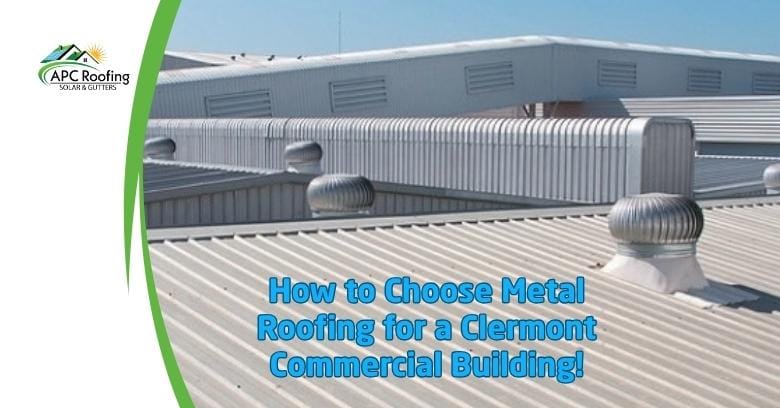
Seen from a sidewalk, dotted lines of screws signal an exposed-fastener system, and clean flats between raised joints, bare of hardware, belong to standing seam. Barns, workshops and porches often wear corrugated or ribbed sheet, though a house can suit either.
Profile Options – Span and Style
Corrugated sheet rises and falls in rounded, evenly spaced waves, whereas ribbed kinds stand up in squared ribs with flat stretches between. Neighboring sheets overlap at a side edge by a single crest, and a maker's pattern says where screws go.
Ribbed stock is stiffer and spans further between supports, and a rounded wave appeals on older or rustic structures. Rib height governs how much water a long slope can move, while modest runs need little depth.
Exposed Hardware: Aging in Sunlight
Each screw draws a panel snug against a rafter or purlin, while a washer at each head keeps rain from following a shank. Years of sun and heat stiffen synthetic rubber until cracks form, and the panels can go on for decades more.
Driving a screw past snug crushes a washer and dimples the metal, while too little pressure or a crooked angle leaves an opening.
Fastener Replacement – Where Help Stops
Washers dotted across a ribbed field grow old together, so a complete re-screw comes due at some point. Each original fastener is taken out, and a slightly fatter screw goes into each hole so a thread bites fresh wood or steel.
Re-screwing with new washers fixes leaks at screw heads and snugs down sheets that flutter, yet rusted panels, opened laps and poor flashing still need separate repairs. Thread type follows whatever support lies below, since lumber and steel purlins take different screws, and a factory color on every top suits most finishes.
Expansion and Contraction: Why Slack Matters
Sunshine stretches steel slightly and a chilly night pulls the metal back, and a long run adds up to a measurable distance, and aluminum changes nearly twice as much. A tightly fixed panel enlarges fastener holes a little with every cycle, and a washer stops sealing.
Snapping sounds at sunrise come from panels shifting against clips, and nothing is damaged where every detail allows for slack.
Beneath Raised Seams – Laid in Sequence
One short stretch of every long pan is pinned tight, and floating clips everywhere else let the pan glide. Trim at an unanchored end leaves a gap for travel, whereas a pan with no play lets go or distorts.
As a pan is laid, clips are driven into the deck along one leg, and a neighboring pan locks over every anchor.
Seam Styles: Choosing Between Options
Snap-together panels latch by hand, while machine-rolled designs get folded over by a motorized seamer. Double-lock construction resists uplift and ponding, and a gentler pitch is allowed.
Every product line has distinct spacing and rib size, so the house and a preferred look guide a decision. Hardware and trim are sold for one system only, so any repair hinges on knowing exactly which panel is installed.
How Much Material Is Up There – Worth Confirming
Steel is described by gauge rather than inches, and a smaller number means a thicker sheet. Pole buildings frequently carry twenty-nine, and residential work leans on twenty-six and twenty-four.
For aluminum, sheet is sized in thousandths, and more material means fewer marks and less waviness. A view from below reveals nothing about grade, so only a maker's label or data sheet can confirm what was bought.
Factory Protection – Aging in Sunlight
Coil stock is dipped in molten zinc or an aluminum-zinc alloy, and a primer and a colored enamel are baked over the metal. Paint scuffed but not broken through is fine, but an unprotected cut or a gouge to bare steel is where red rust starts.
A PVDF finish stands up to sunlight for a long time, while polyester grades dull faster in strong sun. Wet mortar and fresh concrete attack an aluminum-zinc coating, so metal and new brick are kept apart.
Choosing the Metal: Near the Water
Aluminum is light and free of red rust, but softness means a heavier grade for equal toughness. Along the coastal end of our service area, salt in the air shortens the life of zinc-based coatings, and some makers limit steel products by distance from a shoreline.
A copper accent over a bay window is a familiar touch, and left unpainted, the metal darkens with age.
Chemistry on a Rooftop: A Slow Chemical Fight
Runoff from copper eats through coated steel downhill, and streaks appear years ahead of perforation. Pressure-treated framing corrodes aluminum laid directly on top, and an incompatible screw causes slow damage nearby.
New flashing or trim has to match the metals already in place, or a separator tape sits wherever unlike metals meet.
A Matter of Taste: Setting Expectations
Oil canning names shallow dips and bulges across a flat pan, and faint hollows show at sunrise and fade by noon. A slightly distorted pan sheds rain like any other, and service life is unaffected.
Stiffening ribs, a stouter grade and a smaller pan width lessen waves, and careful handling on a true deck makes a difference. Pictures of completed homes give a sense of how visible oil canning gets, and the decision on profile rests with you.
Inside the House: Noise and Heat
A racket many recall comes from sheet over open framing, since one thin layer is all that stands between sky and interior. A home has sheathing, a membrane and an insulated ceiling under steel panels, and indoors, few people notice more noise than under asphalt.
A light-colored panel sheds much of the sun's warmth, so upstairs spaces bake less. A charcoal or black panel gets hot, and venting and insulation under the deck do as much for comfort as color. Within an hour of sundown, a metal covering is cool, so upstairs rooms settle sooner at night.
Guards and Placement – Clamped or Fastened
In the snowier part of our service area, a metal roof sheds snow fast, and a heavy sheet coming off in one piece can hurt a person or tear away a gutter. Retention bars keep a load up top to melt off gradually, and a doorway, walkway or meter below decides placement.
On standing seam, brackets clamp onto a rib without a hole, while ribbed or corrugated sheet takes mounts driven into structure with sealing washers, and homes where snow seldom falls go without.
Blows From Above: Documented Plainly
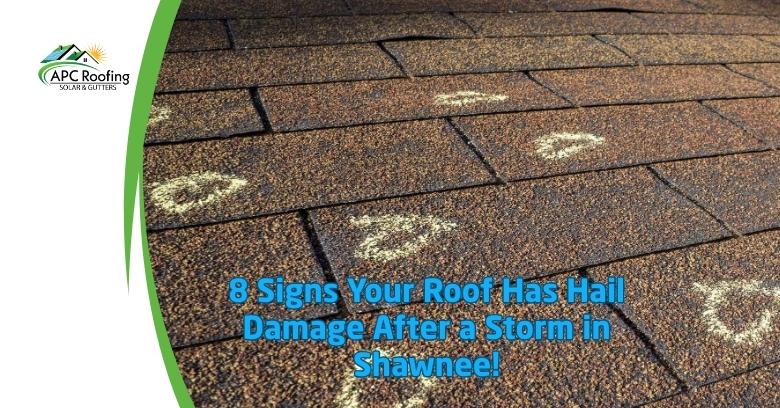
Hail is common across the colder end of our territory, and a heavier gauge or striated pans resist dents better. Paint knocked off at a crease leaves base metal exposed to corrosion, and a flattened rib or a shifted cap can leak.
Once a storm has passed, a roofer photographs and measures every mark, and each dent and damaged panel is located.
Staying Put in a Blow: Layout Matters
Gusts tug harder at corners and along a perimeter, and a blast under a raised lip can tear a panel away. Trim hooks over a continuous strip fastened to the deck, so a storm finds nothing to pry at.
Fasteners go in closer together near corners and a roof's rim, following a maker's layout for a site's exposure. On the hurricane coast at the far end of our territory, fastening counts rise again, and a whole assembly has to carry a matching rating.
Breaking Through the Metal – Careful Detailing
A round pipe receives a rubber or silicone boot molded to follow each rib, and a hole is cut in a flat, not through a seam. A skylight, chimney or larger unit sits on a raised curb with a cricket uphill, and runoff is parted to either flank.
Sealant finishes a joint already made watertight by folded metal, because a compound shrinks and pulls away with time.
Changes of Direction – No Screws in the Water
A valley pan goes down ahead of any panel, and panels are sheared to a matching slant. Exposed ends are bent back and gripped by cleats, so no hole sits where runoff gathers.
Long runs made of more than one piece get an endlap with sealant sandwiched inside, and fasteners through both thicknesses keep water from backing up.
How Low Metal Can Go – When a Membrane Wins
Screw-down panels typically call for roughly three in twelve, and at anything less, rain creeps sideways across laps toward screws. Machine-folded seams go much lower, with some lines cleared almost down to flat.
Many homes have a gentle stretch over a porch or a later addition, and we measure pitch on site, and anything under a panel's limit is finished in a membrane.
Support for the Roof – Purlins on Outbuildings
Metal on a dwelling is installed over full sheathing, and a high-temperature synthetic underlayment goes between, because traditional felt degrades quickly up there. On a barn or shop, panels often span open purlins, and distance between supports sets a minimum gauge.
Once the deck is exposed, any board that gives underfoot comes out, because screws in decay have nothing to grip.
A Recover Instead of a Strip: What Has to Be True
Local codes commonly accept metal set over a lone shingle layer, so waste is kept out of a landfill. At well under two pounds per square foot, steel is a light load, and typical framing carries a little extra easily. A synthetic underlayment and rows of battens come next, and panels are fastened through into sound wood.
If the decking flexes, or earlier leaks show from the attic, the old roof comes off, because moisture trapped under new metal keeps doing damage.
Perimeter Details – Tight Against Weather
Strips cut to match a profile close off space under each rib at high and low points, and driving rain and wasps are blocked. A ridge cap may be vented or sealed, and attic airflow needs are what decide.
Gutter aprons and rake trim wrap up a roof's outline, and runoff is steered clear of a fascia board.
Working at Height – Sheet by Sheet
A seamed panel comes off a forming machine cut to the length of a run, so a single piece covers eave to ridge without an endlap. A long panel calls for several people spaced along the metal, and a crimped or creased pan is no longer usable.
A foot goes only in flats directly above supports, as a seam under a boot can bend open. Morning dew alone can make metal treacherous, and a homeowner is better off staying on the ground.
Clues to Watch: Easy to Notice
- Orange halos at fasteners, low on a slope.
- Screws backed out of holes, on a south exposure.
- Trim bent up at a corner, over a front door.
- A flue collar sitting crooked, beside a chimney.
- A sheared end streaked orange, next to a skylight.
- Uneven fading, across one face of the house.
- Spots on a ceiling in a row, in a garage.
- A joint gaping open, above a gutter.
APC Roofing and Metal Roofing in Altamonte Springs Florida – Step by Step
We begin by figuring out which system is up there and how the panels are anchored, followed by every screw or clip, edge, boot, valley and lap. Gauge, finish and hardware are noted as we go, and the attic is searched for water marks.
Findings come to you in a report with pictures, and each recommendation carries reasons. If a covering needs only new screws, we say exactly that, and a roof past saving is described plainly.
Metal Roofing in Altamonte Springs Florida – Careful Assessments
Phone 407-270-1129 and a visit gets put on the calendar.
Fix or Redo: Piece by Piece
A panel torn by a falling limb can be changed individually, though new metal looks brighter than weathered neighbors. Replacing a cracked boot deals with water at a pipe, while a re-screw takes care of hardened washers.
Rust through sheet after sheet calls for a new covering, and a covering riddled with failed seams is no better off. Redoing one face of the house is a middle path, when damage stays in one place.
Looking Down the Road – Upkeep Matters
Properly installed panels regularly reach forty years, but estimates of service are a rough guide only. Standing seam, with no holes through a pan, gets by on less maintenance, while ribbed sheet gets new fasteners once washers tire.
Metals of different kinds touching, unhemmed cuts and sealant used in place of flashing shorten a roof's service, and a visit now and then spots trouble early. Piles of leaves behind a chimney keep a patch of metal damp for days, and sweeping debris clear helps a finish.
When you are weighing Metal Roofing in Altamonte Springs Florida, phone APC Roofing at 407-270-1129. Someone will climb up and read how the panels are attached, along with every edge and opening, and you get photographs, notes and a recommendation to consider.
Verified

Verified
Verified
Verified
Verified