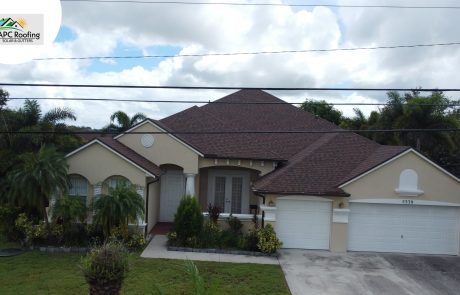
Planning Architectural Shingle Roofing Anywhere in Blue Springs Missouri?
APC Roofing re-covers slopes with laminated or flat strip products, on a bungalow, a split-level or a colonial.
Call us at 913-398-5020 and someone will come out and explain what is up there.
How the Pieces Are Made: The Makeup Explained
A fiberglass mat gives each shingle its strength, while asphalt soaked through the sheet turns rain away, and a layer of granules on top screens out ultraviolet light.
Two lines that appear matched may be put together quite differently, and weight per square often tracks with durability. Hue is all a sample chip can show, but a specification sheet names the ratings.
Choosing a Profile: How the Designs Differ
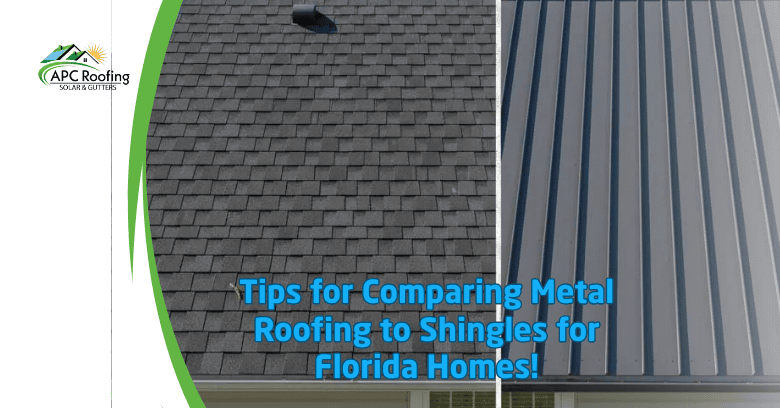
A three-tab shingle is one thin layer with two slots cut into its lower half, and the result is a regular brick-like pattern. An architectural shingle glues a shaped overlay onto a full-width base, and the covering appears textured and shadowed.
A laminated bundle holds considerably more asphalt than a strip bundle, and a higher wind rating typically comes along. Nails on a dimensional shingle go through the zone where the plies meet, and the manufacturer's markings set the target.
The Case for Strip Shingles – Practical Niches
Little outbuildings and back porches are typical spots for three-tab, and an addition can blend with an older covering of that type. Makers have pared back their tabbed lines, and a favorite shade may be gone for good.
Textured shingles mask slight waves in the boards beneath, whereas a single-ply strip telegraphs each bump. Either style goes over the same underlayment and flashings, and the shingle itself is the only part that changes.
Surface Wear Over Time: Sun-Facing Slopes
Shingles fresh from the bundle drop leftover grains in their opening months, and the amount tapers off quickly. Heavy grit at the downspouts of an older covering means the protective coat is thinning, and exposed asphalt turns brittle and splits.
Faces that point south and west take the strongest sun, so the damage is usually heaviest on them.
Sealant Lines: Limits in Cold Months
A narrow glue stripe runs across every shingle, and a stretch of warm, sunny days softens it until the overlying row sticks. A stuck course stands up to gusts that would otherwise flip its edge, and nailing still carries the load year after year.
At the colder end of our territory, shingles laid in late fall may not seal for weeks, so tabs stay at risk from wind for a while. Manufacturers' instructions call for dabs of roofing cement in that situation, and a printed diagram marks the spots and their spacing.
Placement on the Shingle – Frequent Errors
Roofing nails go into a narrow band marked by the manufacturer, so the shank ties in the row beneath too. The basic schedule calls for four fasteners on each shingle, and high-wind or steep work moves the number to six.
A nail set too high misses the row underneath, a head sunk too deep tears the fiberglass, and a tilted shank props up the shingle resting on it. Every wind rating on a wrapper presumes the pattern was met, while one misadjusted compressor can spoil every drive on a job.
The Wood Below – Replacing Weak Sections
Flat sheets of plywood or OSB make up the deck, since fasteners must bite into something continuous. Older houses sometimes keep the gapped boards once used under shakes, so sheathing is laid across them before shingles.
Once the old covering is off, any soft or delaminated section is cut out and swapped for sound decking, because nails in weakened material back out over time. A small gap is left between neighboring panels, as moisture makes the wood expand and ridge up when butted tight.
A Backup Barrier: Modern Options
Building rules in most places require a water-resistant membrane over the deck, and it goes down in horizontal runs that lap downhill. Most roofers now use synthetic sheet instead of felt, because the newer product weighs less, tears less easily and lies flatter.
Moisture that sneaks beneath a shingle is carried off by the membrane, but it is meant for occasional water, not months of open sky.
Self-Adhered Eave Membrane: Seasonal Detail
At the colder end of our territory, a heated attic thaws rooftop snow, and meltwater goes solid again where the roof extends past the wall. Water pooling behind that buildup can back up under the shingles, where ordinary underlayment lets it through at every nail.
A self-sealing ice barrier goes down along the bottom of each slope where winters freeze, and it runs past the interior face of the outside wall. Across every part of our service area, valleys and skylight curbs frequently get it too, since runoff lingers at every such detail.
Where the Deck Ends: Sequence Matters
A metal drip edge wraps the eaves and the rakes, and a flange throws runoff away from the fascia. The lower flashing sits under the underlayment, whereas up the gable the sequence runs backward.
Edge metal around the whole perimeter is a code requirement in many towns, because runoff can cling and curl back toward the wood.
Base Row Details – No Substitutes
A starter strip goes down beneath the first visible course, so sealant lands exactly where the covering stops. A rotated field piece strands the adhesive several inches up, so nothing but nails holds the lowest border down.
Many manufacturers call for starter along the rakes as well, because gusts pry at a roof's perimeter.
Where Slopes Meet: Choosing a Style
In an open design, a formed metal liner carries water down the valley, while the closed-cut version clips one side's courses along a snapped line. Weaving rows from both planes together suits single-layer tab products, but thick laminated shingles bend poorly that way.
No nails are driven near the middle of the crease, and an adhered membrane lies underneath the whole length. A mat of leaves lodged in a valley traps water and grime, and diverted water can work under the neighboring courses.
Vertical Surfaces – Frequent Leak Points
Every course that meets a wall gets its own folded step flashing, and a counterflashing or trim board covers the raised leg. A kickout diverter belongs where the lowest course runs into the face of the house, and skipping it sends water into the studs.
Around a chimney, step pieces line the sides, an apron covers the front and counterflashing is set into the masonry, and a broad stack calls for a saddle upslope.
Roof Penetrations – Upkeep Notes
Every pipe boot pairs a flat base of metal or plastic with a snug neoprene collar, and years of sun leave the seal brittle and split. The top portion of the flange goes under the uphill shingles, and water running down the slope passes over the exposed lower part.
Rubber collars commonly split long before the field gives out, so new boots come with every new covering.
At the Summit – Vents Beneath
A line of cap shingles covers the ridge and the hips, and a dimensional line comes with its own heavier companion product. Homemade substitutes trimmed from three-tab carry less material, and in winter at the colder end of our territory the fold is prone to cracking.
Many peaks hide an exhaust vent under the cap row, and longer nails are needed to reach through it into the deck.
Circulation Upstairs: Common Problems
Outside air should come in through vents under the eaves, and the ridge releases it. Blown fill crowding the corners can cut off movement, so a baffle in each rafter bay keeps the way clear.
An attic with poor airflow runs hot under the decking, while indoor humidity collects there with nowhere to go. On frigid nights at the colder end of our territory, condensation freezes on the nail tips, and it drips onto the insulation once the day grows mild. Mixing a ridge vent with gable louvers or a powered fan can short-circuit the flow, because suction then draws from the nearest opening instead of the soffits.
Across Our Range: Wind, Sun and Winter
Our service area stretches from high plains to subtropical towns, and asphalt meets a different set of stresses in each. At the coastal end of our territory, hurricanes bring hours of sustained wind, and makers publish a tougher fastening pattern for that exposure. Strong sun, season after season, makes the coating brittle, and moist air lets algae take hold.
At the colder end of our territory, ice forming in hairline cracks forces them apart, and the weight of drifted snow adds its own strain.
Balls of Ice – Reading the Strikes
At the colder end of our territory, big hail visits many neighborhoods, and several makers build shingles meant to take the hits. A strike strips the coating from a spot about the size of the stone, while a heavier blow may bruise right through to the mat.
Impact ratings come from a laboratory test that drops steel balls on the shingle, and a higher grade means passing a tougher trial. Some companies add rubber polymers to the asphalt, and the extra give absorbs part of each blow.
Storm Winds – Replace or Reseal
Force builds most at the eaves, the rakes and each corner, so a piece with a failed bond begins to lift and drop. Once a tab is doubled back, a crease forms where it bent, and the damaged spot stays weak for good. Shingles harmed that way come out and new ones go in, but one that lifted cleanly can be stuck back down.
An empty spot in the courses puts the underlayment in direct sun, and it was never made to stand up to daylight.
Streaks and Moss: Slowing the Return
Blackish discoloration in long vertical bands is algae, and it thrives on the limestone mixed into the asphalt. At the humid end of our territory, the shady side of a building is where it spreads, though the color change is mainly cosmetic.
Moss behaves differently, soaking up rain like a sponge, and it works under the edges and raises them. High-pressure spraying rips the grit away with the growth, so a gentle rinse with a cleaner made for roofing is the safer route. Copper-bearing mineral is blended into algae-resistant lines, and zinc bands near the top release traces that discourage regrowth.
Shade and Color – Blends and Batches
A dark covering gains more warmth from sunshine, while light ones reflect much of the light skyward. Some brands coat their granules to bounce back more heat, and a measured reflectance number comes with them.
Stock can vary from one production lot to another, and the recommended practice is to shuffle packs during installation. Blends that combine many colors mask small mismatches, while plain shades display every one of them.
Going Up Top: A Safer View
Midday sun softens the surface noticeably, and a twisting heel tears the mineral layer. At the colder end of our territory, cold tabs grow brittle and crack when stepped on, while dew that freezes overnight leaves a slippery glaze.
Owners do best to stay off the ladder altogether, and a good pair of field glasses picks up loose or missing pieces.
Covering What Is There: Pitfalls
Building rules in many places allow a new roof on top of an existing one, though not where two are already down or the sheathing is soft. Leaving the first layer on keeps the decking covered the whole time, so any weakened patch gets buried under the added courses.
Curled edges underneath leave a lumpy look on top, and weathered flashings are often reused rather than replaced. A second layer's load sits on framing chosen decades ago, while the fasteners need more length to bite into the boards.
Things to Watch For – Worth a Closer Look
- Grit collects at the foot of a downspout, and the heaps come back after each cleaning.
- Gaps appear where pieces have blown off, which means the seal has let go.
- Shingle ends lift into curls, because the material has lost its flexibility.
- Tabs show fine breaks from edge to edge, and the layer below begins to soak up water.
- Some spots look dull and flat, so the base is bare to sunlight.
- The gasket at a vent has shrunk away from the stack, and rain slips through into the house.
- Counterflashing at a chimney has worked out of its joint, and wind-driven storms can get behind it.
- A damp patch shows up on the ceiling after heavy rain, even though the leak may start far from the spot.
How APC Roofing Works on Architectural Shingle Roofing in Blue Springs Missouri: What to Expect
Every slope is walked first during an inspection, and each valley, vent, flashing and edge is looked at closely. From inside, the attic is searched for water stains and pinholes of light, and darkened boards on the underside show past leaks.
Anything wrong is photographed, with measurements taken of the extent. A plain written account follows, and every recommendation comes with its reasons. A little problem is never made to sound big, and a failing covering is not dressed up. Which way to go is up to the homeowner, from a single repair to a full replacement.
Architectural Shingle Roofing Across Blue Springs Missouri: a Careful Look Before Any Advice
Reach us at 913-398-5020 and describe what you are seeing.
Small Fixes and Full Jobs: Knowing the Limit
A split collar, a gap at a wall or some torn tabs makes a routine repair, and the remaining shingles are untouched. Patched areas show a visible contrast at first, while the manufacturer may have retired that design.
Old shingles snap when they are bent up to free a fastener, and one fix can turn into several. When shedding and fractures appear on every face, a new covering is the sensible answer.
Time on the House: What Moves the Number
Flat three-tab designs usually run fifteen to twenty years, and dimensional products often go a decade longer. Attic airflow, sun exposure and the quality of the nailing move that figure, while one bad storm can end the run early.
The vent collars and flashings deserve an occasional look, since a crack caught in time stays a small job.
If you are thinking about Architectural Shingle Roofing in Blue Springs Missouri, phone APC Roofing at 913-398-5020. The covering is inspected from the gutters to the ridge, and you get the findings in writing and choose.
Verified

Verified
Verified
Verified
Verified