In Need of Standing Seam Metal Roofing Across Blue Springs Missouri?
APC Roofing works on ribbed sheet and concealed-clip panels alike, for houses as well as workshops and barns.
Reach us at 913-398-5020 and a roofer will come out and describe what the metal shows.
Telling Systems Apart: Clues From Below
Exposed-fastener roofing is pinned by screws passing through every panel, but standing seam is anchored by clips concealed beneath upright folds. Nearly every residential job uses coated steel, and aluminum or copper appears now and then.
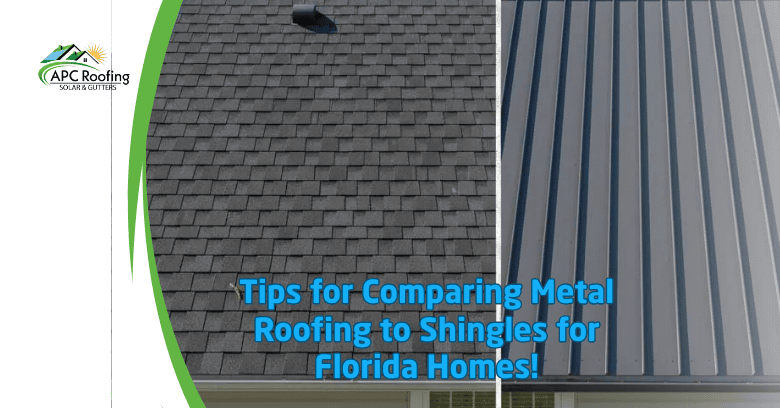
Seen from a sidewalk, dotted lines of screws signal an exposed-fastener system, and smooth pans between tall ribs with nothing poking through are standing seam. Corrugated sheet is a regular choice on barns, shops and porches, and dwellings use both.
Profile Options – Span and Style
Corrugated sheet rises and falls in rounded, evenly spaced waves, and a ribbed panel has trapezoid ribs separated by broad pans. One length rides over a neighbor at a side lap, and fastener placement follows a published pattern.
Ribs make a stiffer panel that crosses longer spans, and a rounded wave appeals on older or rustic structures. High ribs carry a heavy downpour across an extended slope, and a lean-to or porch manages fine with a gentle pattern.
Fasteners in the Open: Small Parts, Big Job
A screw pulls the metal tight against a purlin or the deck, and a gasketed washer under each head does the sealing. Ultraviolet light slowly bakes neoprene brittle, long before the painted metal gives out.
Overdriving tears a washer and dishes the metal, and a slack or crooked fastener leaks on one side.
Swapping Out Hardware: Scope and Limits
Rubber rings across a ribbed or corrugated field wear out together, and a whole-roof re-screw is routine over the years. Worn hardware is taken out in turn, and a screw one size larger takes each place so threads grip solid material.
Re-screwing with new washers fixes leaks at screw heads and snugs down sheets that flutter, but corrosion, parted laps and bad flashing are left as found. Screw length and thread are chosen for what sits below, wood or a steel purlin, and tops painted in a panel color keep new work from standing out.
Thermal Movement: Oval Holes and Loose Seals
A steel sheet grows in afternoon heat and shrinks back by dawn, and a longer run shifts farther still, while aluminum goes about double. Metal held too rigidly wears fastener holes into slots, and a washer stops sealing.
Ticking heard as morning sun lands on steel is ordinary expansion, and a well-built roof takes no harm from some noise.
Holding Down a Seamed Covering: Tucked Away
Every lengthy pan is secured firmly in only one zone, and floating clips everywhere else let the pan glide. Trim at an end that travels is bent with clearance underneath, and metal with no play winds up torn or kinked.
A pan is positioned and clips are screwed to the deck beside a long edge, so no fastener head is left out in the weather.
Quick-Fit or Heavy-Duty: Which Suits the House
Some profiles snap together under hand pressure as each pan goes down, and mechanical versions are turned over with a powered seamer. A double-lock grips harder against wind-driven rain, and published ratings run down to lower slopes.
Pan width and rib height vary from product to product, and architecture and a buyer's eye decide. Accessories such as clips and closures fit a single system, so any repair hinges on knowing exactly which panel is installed.
Stock Weight: Barn or Residence
A steel panel is rated by gauge, and a low figure signals thick metal. Outbuildings commonly get twenty-nine, and residential work leans on twenty-six and twenty-four.
Aluminum uses decimal figures rather than gauge, and in both cases a heftier panel stays straighter and tougher. Different grades look identical once installed, so a label on a bundle shows what was delivered.
Protection Built In – Finishes That Hold Up
Coil stock is dipped in molten zinc or an aluminum-zinc alloy, and baked-on primer and color follow. Paint scuffed but not broken through is fine, but a cut that reaches base steel is where corrosion takes hold.
PVDF systems keep color and gloss for decades, while polyester grades dull faster in strong sun. An aluminum-zinc surface is damaged by contact with fresh mortar, so a gap or barrier separates panels from new block or stone.
Weighing Options: Matching a Location
An aluminum panel is light and immune to red rust, though an impact leaves a deeper mark. Beside salt water at the coastal end of our range, protective layers wear away faster, and makers restrict certain products near surf.
Copper turns up chiefly on bay windows, dormers and entry roofs, and the metal weathers to a natural patina with no paint.
Metals That React: Separation Helps
Rain rinsing off a copper detail wears through coated steel downhill, and streaks appear years ahead of perforation. Aluminum on pressure-treated boards turns white and pits, and a bare steel screw in soft sheet breaks down too.
A new piece of flashing belongs in a metal that matches existing work, or a plastic barrier divides unmatched metals.
Looks, Not Leaks: Choices That Help
Oil canning means a slight bow in a wide stretch between seams, and a midday sun hides what a low evening sun reveals. A panel that looks uneven sheds rain as well as a perfect sheet, and nothing shortens the life of the roof.
Striations, heavier stock and narrower pans keep rippling in check, and an even deck beneath helps as well. Pictures of completed homes give a sense of how visible oil canning gets, and the decision on profile rests with you.
Inside the House: What Reaches Living Space
Panels laid straight over bare purlins ring out in a downpour, because a single thin skin vibrates freely. On a house, a solid deck, underlayment and ceiling insulation sit below the panels, and loudness indoors is close to what asphalt gives.
A light-colored panel sheds much of the sun's warmth, and the attic beneath stays cooler on a summer afternoon. A deep hue absorbs heat like any dark surface, and vents and insulation weigh as heavily as the choice of color. Within an hour of sundown, a metal covering is cool, and the attic eases off soon afterward.
Protecting Whoever Is Below: Position Matters
At the colder end of our range, snow lets go of a metal surface easily, and a single release can take out a gutter or strike someone nearby. Retention bars keep a load up top to melt off gradually, and positions are chosen where anything below could be hit.
On standing seam, brackets clamp onto a rib without a hole, while ribbed or corrugated sheet takes mounts driven into structure with sealing washers, and in milder markets roofs do without.
What Ice Does – A Record of What Happened
Hail is a fact of life at the colder end of our service area, and thicker steel shows fewer dents. Paint knocked off at a crease leaves base metal exposed to corrosion, and a bent seam or a dislodged trim piece can let water in.
After any storm, each affected area is photographed and measured, so the size and position of each dent are known.
Uplift – A Denser Pattern
Suction gathers along rakes and eaves, and air that gets under a loose edge can peel a sheet back. Finish trim is hemmed and caught on a cleat, so nothing sticks out to be grabbed.
Screw and clip spacing tightens at corners and around a perimeter, as manufacturer tables call for at each site. Along the coastal end of our service area, hurricane risk raises fastener counts again, and panel and hardware are rated as one assembly.
Openings in a Covering: Detail Work
A round pipe receives a rubber or silicone boot molded to follow each rib, and a hole is cut in a flat, not through a seam. A chimney or skylight is built up on a curb with a cricket above, so no water dams up.
Sealant backs up flashing and never stands in for folded metal, since weather hardens and splits any compound long before the panels are done.
Channels Between Roof Planes – Joining Long Runs
A broad flashing lines each valley in advance, and each sheet is cut to a matching angle. Ends are hemmed and held by cleats, and no screw goes through any path where water flows.
A sealed endlap connects consecutive lengths on an extended run, and screws go through both thicknesses at close spacing.
Shallow Sections – When a Membrane Wins
Screw-down panels typically call for roughly three in twelve, and on flatter roofs, water works under side laps. Mechanically seamed panels are approved much lower, with some lines cleared almost down to flat.
A barely tilted roof over a porch or addition is common on houses, and a measurement comes before any panel is named, and where metal does not belong, a membrane does.
Support for the Roof: Wood or Open Framing
A home gets metal over a continuous plywood or OSB deck, and a high-temperature underlayment sits beneath the panels, since felt paper cooks under summer metal. Pole buildings commonly have metal spanning between purlins with air below, and wider spacing calls for heavier stock.
With an old roof gone, damaged sheathing is cut away and rebuilt, because screws in decay have nothing to grip.
Going Over the Existing Roof: Condition Decides
Local codes commonly accept metal set over a lone shingle layer, and the mess and hauling of removal are avoided. New steel adds well under two pounds per square foot, and typical framing carries a little extra easily. Battens over a fresh membrane go across existing shingles, and clips or screws go down into solid structure.
Soft spots, old leak stains in the attic or a second layer rule out an overlay, since trapped dampness under metal has no way to dry.
Completing the Job: Done Properly
Strips cut to match a profile close off space under each rib at high and low points, so wind-blown rain and nesting animals stay out. A ridge cap can be vented to let warm air escape or left solid, and attic ventilation is what decides.
Trim at every rake plus a drip edge over a gutter finish a roof's border, and fascia boards are kept out of runoff.
Working at Height: Handling and Footing
A seamed panel comes off a forming machine cut to the length of a run, and one pan spans eave to ridge with no joint across. An extended panel needs enough hands under the metal to stay straight, and a kinked pan is not usable.
On panels, a step belongs in a flat above a purlin or deck, since a heel on a rib crushes a fold. Wet or dewy panels offer almost no grip, and nobody without a harness should go up.
Warning Signs – A Look From Below
- Brown rings at fastener heads, partway down a pitch.
- Hardware sticking up, mid-panel.
- Trim bent up at a corner, after a windstorm.
- A collar gapping around a stack, close to a ridge.
- A sheared end streaked orange, next to a skylight.
- Uneven fading, on a south exposure.
- A ceiling stain in a straight line, in a garage.
- A joint gaping open, at the low end of a panel.
APC Roofing and Standing Seam Metal Roofing in Blue Springs Missouri: What Happens on a Visit
The first thing we do is identify which panel system is on the house and what holds the panels down, before each fastener, edge, boot, valley and lap is read in sequence. Thickness, coating and hardware style go into notes, and a trip into the attic catches past leaks.
A report with photos sets out what is up there, and each repair is explained. When a small fix works, nobody pushes a bigger job, while replacement comes up only when a roof is truly spent.
Standing Seam Metal Roofing Around Blue Springs Missouri: A Careful Look
Phone 913-398-5020 and we will book a day that suits you.
Keeping the Roof: Weighing Choices
A single ruined panel can come out and a sound panel go in, though fresh color will not match weathered neighbors. Resealing a lap or replacing a boot stops a local leak, and a full set of screws fixes tired rubber.
When corrosion has gone through across a whole field, a tear-off is due, and a covering with every joint and collar given out is no different. Sometimes one weathered side is re-covered alone, when damage stays in one place.
Aging Gracefully: What Cuts Life Short
Properly installed panels regularly reach forty years, and an estimate varies from house to house. Standing seam asks for less attention, with no hardware exposed, whereas exposed-fastener sheet needs a re-screw partway through.
Metals of different kinds touching, unhemmed cuts and sealant used in place of flashing shorten a roof's service, and an occasional walk-over catches problems promptly. Leaves and twigs that collect against a curb or in a valley hold moisture against coated steel, so getting debris off the panels is worth the effort.
For a roofer's view on Standing Seam Metal Roofing in Blue Springs Missouri, dial APC Roofing at 913-398-5020. Every screw or clip, edge and boot gets a close look, and findings come to you written up, with any choice left to you.
Verified

Verified
Verified
Verified
Verified