In Search of Roofing Contractors in Greater Daytona Beach Metro Area?
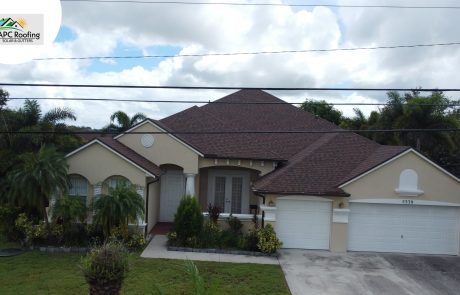
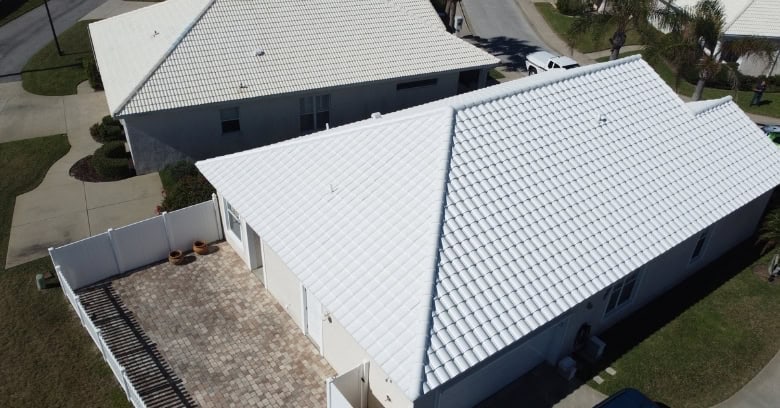
APC Roofing takes on jobs ranging from a basic checkup to a full replacement, on asphalt, steel and clay coverings alike.
Dial 386-356-2111, and a roofer sets a time to come look at the house.
The Roof's Working Parts: What's Tucked Away
The visible covering on top is only the outer layer, and a water barrier, plywood and framing sit below the surface. Sheet-metal flashing takes over at each wall, stack and valley, and water there rarely traces back to worn shingles close by.
The space under the sheathing works as a component of the roof, too, since heat and humidity held there wear down the wood and covering overhead. A brown mark on a ceiling can originate at any level of the roof, so attention paid only to the outside can miss where the water entered.
The Duties of a Roof: Behind the Shingles
The slope on the building sends runoff toward the gutters, and the nailing keeps gusts from lifting the courses. Beams and boards carry the mass overhead, snow included at the colder end of our territory, and intake and exhaust let the attic breathe.
Water is the covering's job, and wind is the fastening's task, while gravity's pull goes to what is underneath. A failure in one part puts pressure on neighboring parts, so the trail gets followed back before anything gets mended.
Small Components on a Roof: What Falls Behind First
An asphalt surface is expected to serve for decades, but a rubber collar at a vent pipe gives out far sooner. Moisture gets behind the covering and moves toward the room, and a brown patch forms on the ceiling underneath.
The bead where two materials meet cracks after enough hot seasons, and galvanized flashing corrodes at folds and nail holes. Hip and ridge caps open at the center crease, because the highest point stands open to glare and gusts.
Steps Before Heading Up: Standing Back and Then Closer
At a distance, the outline of the roof gives away dips, sags and wavy planes, and the gutters, fascia and trim come into view at the same time. Through binoculars, torn collars, lifted tabs and bare patches come into focus, though failing sealant can stay hidden from the ground.
On the slope, a roofer works over every pipe connector and traces each flashing run, and the shingles are checked for brittleness and thin spots. Wet shingles and sharp pitches rule out getting up there safely, and the view comes instead from a ladder at the gutter line.
Above the Ceiling: What Owners Can Find
A dark ring on the sheathing shows water has come through, and a soft, wet feel means the entry point is still open. A pinpoint of sky through the boards marks a gap, and the spot gets pinned down by distance from the ridge, ready for the outside check.
Rust on the nail shanks comes from moisture in the house, not rain, and a matted, faded patch nearby confirms the same condition. Fill pushed into the eave opening, or a fan duct ending in the attic, turns up only from inside, so ventilation trouble of that kind escapes a yard-only check.
A Homeowner's Take-Away: What Gets Handed Over
Findings arrive as photographs tied to specific places on the roof, and a short note describes what each image covers. Solid sections are treated in the same plain language as sections that are not, and trouble spots are ranked from most to least urgent.
A filed report from an earlier check-up serves as a reference going forward, and a trend across seasons is clearer than a single day's snapshot. A covering looked at on a regular schedule rarely catches the owner off guard, and a large job gets seen coming well ahead of time.
Seasonal Shingle Maintenance: the Basic List
Worn pipe gaskets get swapped out before failure, and dried sealant at walls and flues gets redone. Needles and leaves get cleared from valleys and from behind chimneys, and the gutters get kept running and secured.
A lifted tab sealed down early stays a small job, but a season of neglect can end in a ceiling mark. A mat of moss holds water along the lower edges, and a biocide treatment clears the growth, with no pressure washer involved.
A Regular Routine: the Basics
Somebody trained in the trade should go over the roof once a year, set for just after the roughest local weather each season. Catching things early is the whole point of a regular check, and the household gets a fair sense of the remaining service life.
After rough weather, anyone can scan the roof from the yard, and any new mark on an upstairs ceiling is worth noting. Climbing to the attic hatch with a flashlight twice a year is a smart move: damp wood, daylight and wet insulation are easy to see long before anything reaches the space below.
A Roof's Age, Read From the Yard: From New to Worn
A shingle surface in the first seasons looks crisp and even, and approaching midlife the sunniest side fades before the rest. Near the end, corners curl and granules gather in the gutters, and a repair rarely holds for long at that stage.
An appraisal from the yard supplies a decent guide, but the true condition shows only from up top. A covering that has reached the end of a normal service life raises a replacement question, and a reliable contractor says so outright, instead of offering another fix.
A Channel That Has Given Up: What to Watch For
The covering carries runoff only to the lower edge, and from there a gutter does the remaining work. A run choked with leaves sends overflow behind the trim board, and the rafter tails nearby rot over seasons.
A weak patch there usually traces to a stopped-up drain, not the shingles, and reroofing alone will not solve a fault at that spot. The slope of every gutter and where each downspout empties get checked, and the drip-edge metal and the overlap at each joint get looked over as well.
A Two-Way Exchange: What Homeowners Should Know
Outside air should enter under the eaves and leave near the peak, and the draft clears warmth and humidity from under the sheathing. Where the opening gets sealed off, the attic runs hot in summer and stays sticky through humid stretches, and the shingles age prematurely.
A powered fan with too little inlet area draws cooled air through the ceiling, and competing setups on one roof can leave the lower attic stagnant. A roof placed over bad ventilation inherits an existing weakness, so the underlying cause gets addressed in the plan for the new roof.
Weather Decides Every Job: Set by What's Nearby
At the colder end of the markets we serve, snow load and ice at the edge drive the design, so a self-sealing membrane runs up from the edge. Near the coast, wind pressure sets how every panel gets nailed, and storm-rated trim metal and taped seams get called for.
Where big hail is common at the colder end of our region, a harder surface earns consideration, while ultraviolet light ages granules in every market we serve. Specifications follow the weather at the house, not habit or a standard default.
Residential and Commercial Roofs: How the Roofs Differ
A pitched covering sheds water through overlapping courses, and shingle, tile and metal all serve that role. A business roof relies on one continuous sealed sheet, and internal drains and heating units share space on that roof.
Many houses have a gently rising porch or addition, and shingles in that spot often leak because runoff moves too slowly. A spot built that way needs a sealed membrane tucked under the pitched roof above, and re-laying shingles there repeats the same fault.
Temporary Covers After Damage: What Lasts a Few Weeks
Plastic over a break keeps the rooms beneath dry for a time, but a quick layer does not mend anything below. A well-set cover laps over the peak and gets battened along the edges, and enough tension keeps gusts from finding any slack.
Extra reach past the opening matters on any temporary cover, because rain slips in around a snug fit. Material left on for a long stretch keeps the roof from drying out, and the shingles beneath start to deteriorate.
The Detail Where a Roof Meets Something Upright: Where Leaks Start
Step flashing gets woven in with each course along a wall, and trim set higher up sheds water past that metal. Every chimney needs an apron at the front and metal carried up across each edge, and a wide stack gets a cricket that divides the flow around back.
Roof cement spread across an opening hardens and pulls away, and a proper tie-in, rebuilt from scratch, is what holds. A failing chimney crown lets moisture into the stack above the roofline, and a mason takes the stonework while a roofer takes the metal.
The Written Scope: a Careful Look Before the Ink Dries
The rundown for a job should list every product by name, and the document says whether the existing roof gets stripped to the deck. A dated form covers what happens if rotten boards turn up, and every vent, every flashing piece and the haul-away get called out individually.
Offers from different contractors can be weighed point for point, and what one write-up covers and another skips becomes obvious. A roofer who will not put the plan down leaves the owner guessing, and memory is a poor record of what got agreed.
What a Re-Roof Involves: the Basic Sequence
Beds, bushes and walkways get protected before demolition begins, and the old shingles get pulled off in pieces. Once exposed, the sheathing gets a careful look for rot and breaks, and weak areas get cut out and replaced with sound lumber.
Ice barrier, underlayment and new flashing go down across the deck, and the main covering, the ridge line and the vents finish the work. A magnet pass covers the grass and pavement at the end, and a last look confirms the gutters are clear.
Care for Non-Shingle Roofs: Particular Needs
A metal system with exposed fasteners relies on the gasket beneath every fastener, and a cracked washer gets replaced along with a fresh screw. Based on the house, tile may be mortar-set, foam-set or clipped directly, and the underlayment handles the water, not the surface material.
A foot planted wrong breaks off a piece, and a damaged unit gets pulled and replaced to match the surrounding pattern. On a low-slope section, standing water and open seams are the things to watch, and grit and leaves get cleared from the scuppers.
Signs Worth a Closer Look: From the Yard or the Attic
- Granules collecting in the gutters, long after the covering was installed.
- Tabs curling at the corners, noticeable from across the street.
- A pipe boot with an open gap, easy to spot with binoculars.
- A ceiling ring in a top-floor room, soft at the center.
- Daylight through the attic boards, on a sunny afternoon.
- Clumps of moss under overhanging trees, soaking up water after every rain.
- A dip between rafters, new since the previous year.
- Rust streaks below a metal joint, easy to spot from the yard.
Roofing Contractors in Greater Daytona Beach Metro Area: What APC Roofing Does
Before a scope gets drawn up, a roofer examines the whole covering and the attic, and the findings arrive as photographs with a written note. Solid parts get described as directly as weak ones, and the next step is left to the homeowner.
Roofing Contractors in Greater Daytona Beach Metro Area: Straight Answers About the Roof
Get in touch at 386-356-2111 and get a date on the calendar.
A Roof's Paperwork: a Few Minutes a Year
Saving the install date and the product names on the invoice pays off later, and adding every inspection report to that folder grows the file. Marking down every repair, with the location and the work done, leaves useful detail, and a decade on, the trend stands out clearly.
A buyer's home inspector almost always asks about the roof's history, and a folder of dated pages settles things quickly. A backup copy of the whole file keeps one bad day from erasing the whole thing, because a single set can be destroyed in a flood or a fire.
Judging the Result: Details to Check
The field reads as straight bands, with crisp cuts where each slope ends, and no nail head shows on the finished surface. Metal against any wall or chimney rests flush and secure, and no gob of roofing cement stands in for a missing piece.
The attic keeps intake and exhaust moving after the job, and every gutter ends up hanging correctly. The property gets checked with a magnet for stray fasteners, and sawdust from a trimmed board is the most common leftover, easy to rinse from a walkway.
Anyone who arrived looking into Roofing Contractors in Greater Daytona Beach Metro Area has one straightforward next step. Picking up the phone for APC Roofing at 386-356-2111 sets the process moving. Every visit looks at the roof as a whole, not one spot alone, and no part of the roof goes unchecked.