Trying to find TPO Roofing in Greater Daytona Beach Metro Area?
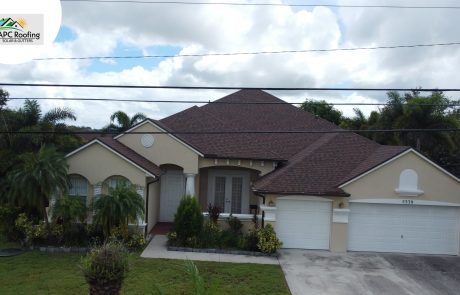
APC Roofing lays new membranes and patches worn ones, and on a home the work usually sits over a porch, a garage or an addition.
Call 386-356-2111 and a roofer will climb up and give you a plain account.
Runoff in Mind – Settled in the Structure
A flat roof is made to tip a little toward a drain or a scupper, and codes commonly ask for at least a quarter inch of drop per foot. Rafters shimmed on one side can make the change in height, or tapered foam on the deck can supply the difference where carpentry never did.
Rain leaves a steep roof almost as fast as the drops land, but the low part of the house needs far more time to dry off, which puts extra strain on each joint. A ridge called a cricket turns runoff aside at a chimney or curb, so no pool can build on the uphill side.
Where Shingles Stop Working: a Rule of the Trade
Codes set two inches of rise per foot as the floor for asphalt tabs, and clay and concrete tile need steeper planes yet. Below the limit, a gusty storm pushes water upward beneath each course, and the plywood soaks up moisture and softens.
A shingled home often has a garage or addition covered in membrane, since the steepness under each section decides the covering. A sheet roof works as a single watertight skin, so standing rain has no overlap to slip under.
Materials for a Near-Flat Deck – What Each Is
TPO and EPDM each go down from broad factory rolls, while modified bitumen is asphalt blended with polymers in narrower strips, and built-up roofing puts gravel over felt and tar. A light membrane asks little of porch and garage framing, and the joins can be checked from end to end.
TPO usually comes as a white plastic sheet, whereas EPDM is a black synthetic rubber. Deck type, outlet layout and rooftop units steer the choice, and we put forward a recommendation, and the decision stays with the homeowner.
Closing the Joins – Matched to the Material
The open field of a membrane rarely leaks, but the places where widths overlap are where faults appear. TPO seams are melted into one piece by a machine blowing hot air, and a probe pulled the full length of the joint reveals any opening.
Each EPDM lap is sealed with primer and tape, and moisture or grime trapped at installation leaves weak adhesion. An aged black-rubber join often curls up at a corner, and a cover strip laid across the gap puts the barrier right.
Color Choices: the Practical Side
A reflective TPO sheet sends a large share of solar heat back up, so the space under a porch or addition runs cooler. EPDM in black takes in radiant energy, so the layers beneath rise in temperature through the day. A bright surface helps a lot in the hot parts of our service area, but the difference is modest at the colder end of our territory.
How Thick to Go – Where the Difference Shows
A mil, one thousandth of an inch, is the unit for membranes, and 60 sits a step above 45 for house work, and heavier rolls exist for roofs that see traffic. A beefier membrane shrugs off a dropped screw better, and the additional body holds up longer against sunlight. From the yard, a slim grade and a heavy grade look alike, so the mil number is written into the scope.
Out of View Up There – Piece by Piece
The membrane usually rests on a thin cover board, and rigid insulation comes next, and the deck supports everything above. Foam keeps summer heat out and winter warmth in, and greater depth raises the R-value. Insulation that takes on water loses the benefit and grows heavy, and dampness below a sealed membrane stays put for years. A thermal scan, a meter or a core cut outlines the affected area, because the membrane can appear sound from end to end.
Where Shingles Give Way: Layering Done Right
At a sloped roof, the membrane extends upward under the asphalt tabs, and rain sheds from above onto the membrane. The sheet's highest edge faces no direct rain, and caulk plays no part as the barrier.
A membrane laid over the lowest course instead catches runoff behind the lip, and a downpour sends moisture into the wall framing. Stains in the ceiling angle next to the house often come from a reversed junction, and relaying the detail correctly is the fix.
Securing the Border – Held Tight
On a low roof, suction builds at the corners and the perimeter, and a lifted piece can let the membrane be ripped away. Edge metal screwed through the sheet holds the rim firm, and a drip lip turns runoff down into the gutter.
Where the membrane ends against a wall, a termination bar fixes the top in place, and a bead of sealant along the upper side keeps water from running behind, while counterflashing higher up sheds rain over the whole detail. Bent trim or nails backing out along the rim are a repair item, since tightening everything keeps wind from prying underneath.
Low Walls Around the Deck: Sealed at the Crest
The membrane turns up the inner face as base flashing, and a counterflashing strip covers the turned-up edge. A coping covers the upper surface of the parapet, with an inward tilt that sends rain onto the roof rather than down the exterior.
Separated joints along the crest channel rainfall into the wall, and the leak can appear a long way from the source. Where the structure is brick, loose mortar is repointed too, and a stucco-covered frame needs sealed corners and a tight top.
Drains: Keeping the Flow Moving
Water from a low roof goes out through an inside outlet, a scupper or a gutter along the edge, and leaves or grit can choke any opening. The interior drain rests in a shallow sump beneath a dome-shaped strainer, and a pipe takes the flow down through the house to the yard or a storm line.
An overflow opening is placed above the main outlet, and a roof enclosed by parapets needs a second way out under the code. Maintenance means lifting debris off strainers and out of gutter throats, and a dome that has moved is fastened back down.
Pools That Linger: Slow Harm
Any rain still on the membrane forty-eight hours after a storm is a defect by trade standards, and a dip in the framing or a blocked outlet is the source. Days underwater wear out the sheet faster, and algae and silt take hold on the wet stretch. The mass of a broad, shallow puddle presses the framing down a little, so the sag grows each time rain gathers.
A new membrane alone does not cure a roof that ponds, and tapered insulation, a cricket or a new drain handles the correction instead. The suitable remedy turns on the structure and where piping can go, and a level laid across the low area confirms the plan.
Unplanned Openings: Common Culprits
A single-ply membrane can be sliced through while still new, and a dropped screw or a dragged ladder foot is enough. Large hail at the colder end of our territory can crack a brittle old membrane, and branches carried by wind can gouge a surface anywhere.
A minor opening spotted early is a straightforward patch, but a wet season of leaking waterlogs the insulation below. Finding pinholes means a slow walk across every foot of the field, and a look from the ladder top misses tiny punctures.
Protected Paths – a Sacrificial Layer
A membrane is a watertight skin and was never meant as flooring, and each technician's trip to the air conditioner on the roof roughens the surface slightly. Dense pads are welded or glued along the approach to the units, so the strips absorb the abrasion instead of the membrane. The scope adds traffic protection wherever a roof holds mechanical gear, and heating and cooling crews are asked to keep to the marked lane.
Decking Up Top: Access for Repairs
Pavers on adjustable pedestals keep chairs and tables off the membrane, and rain runs underneath to the outlets. Planters full of soil need the joists checked beforehand, since soaked earth gets much heavier after rain.
Every paver can be raised by hand one at a time, so the membrane below can be reached without tearing anything out.
Penetrations – Where the Surface Is Broken
A plumbing pipe is wrapped in a molded boot of matching membrane, and a stainless clamp tightens the collar around the stack. Curbs raised off the deck carry skylights and units, and metal capping covers the upturned membrane on each side. Brackets, cable bundles and other odd supports go into a pitch pocket, which is a small dam packed with sealant.
The fill pulls back and cracks as seasons pass, and topping up is routine upkeep.
Repair or Start Fresh: How the Call Is Made
A leaking membrane generally has one small point of entry, and a matching piece sealed around the gap restores the surface. TPO overlays are heat-welded and probed along the edges, and EPDM covers are primed and taped with rounded corners.
Replacement is the better choice once many seams are failing, or the membrane has hardened and split, or big areas of insulation are wet through. We tell you directly which course is sound, and pictures and meter results sit behind the verdict.
Layer On or Strip Off – Choosing the Route
An existing roof can take a new membrane on top with a separator board, and the code restricts the method to roofs with just one covering. An overlay calls for insulation that is dry, since moisture sealed in keeps rotting the wood.
A tear-off takes the assembly back to the bare deck, and soft spots can be mended and given proper fall, and the method is mandatory once two coverings are in place. Moisture readings and the number of layers on the house settle the route, and the findings come in writing before the owner chooses.
Aging Up Top: the Forces Involved
A membrane slowly degrades under ultraviolet light, temperature swings and pooled rain, and service traffic scuffs trails across the field. Yearly attention to strainers and pitch pockets lengthens the working span, and small cuts patched early keep the insulation dry.
Warning Signs Worth Knowing – Early Notice
- A brown ring on a ceiling beneath the low roof, proof that rain has reached past the insulation.
- Water spilling from an overflow scupper during rain, usually because the main outlet is stopped.
- Trim sitting loose after a blustery day, which gives the membrane a place to start peeling.
- A green film at the edge of the roof, which reveals runoff that never clears.
- A dip in the roofline from the yard, which may mean the deck is carrying ponded weight.
- Raised blisters spotted from a window over the membrane, usually a result of moisture underneath or a lost bond.
- Vertical staining on siding under a parapet, commonly caused by open coping joints.
- A drip where a porch ceiling meets the house, usually a clue the tie-in has opened.
How APC Roofing Goes About TPO Roofing in Greater Daytona Beach Metro Area – the Sequence Up Top
We look first at the drainage: outlets, strainers and low spots, and the laps follow, probed along the full run. Curbs, pitch pockets, parapets and edge metal are examined afterward, and if something leaks, a meter and a small core test the insulation.
Findings are set out in a written report with pictures, and each item gets a plain assessment. If patching solves the problem, we recommend patching, and a failing membrane is described frankly.
TPO Roofing Around Greater Daytona Beach Metro Area: Roofers Who Know Membranes
Dial 386-356-2111 and someone will arrange a visit to the property.
Roof Coatings: Honest Limits
An existing membrane can take a rolled or sprayed fluid, and the liquid dries into one unbroken skin. A coat over a sound membrane adds reflectance and some years, but on a worn-out roof the layer covers damage instead of solving anything.
Silicone tolerates standing water, whereas acrylic deteriorates wherever puddles remain. Cleaning and mending beforehand make up the bulk of the effort, since nothing bonds well to a dusty or chalky membrane. We tell you directly when a coating is a sensible choice, and when the membrane needs repair or replacement instead.
The Right Conditions – Choosing Suitable Days
The primer and tape used on EPDM need a dry surface, and cold slows how quickly the adhesive grabs. Welding TPO with hot air works on brisk mornings, but any rain puts membrane installation on hold.
A small patch fits a brief dry spell, whereas a full replacement needs several settled days. Work areas are closed watertight before the crew leaves each evening, so no rain reaches the house after hours.
For TPO Roofing in Greater Daytona Beach Metro Area, get in touch with APC Roofing at 386-356-2111. A roofer goes over the membrane, the outlets and the edge metal, and the findings come to you in writing, with the choice yours.