Looking for Roof Inspection in Springfield Missouri?
APC Roofing takes care of a routine checkup right up to a complete replacement, on shingle, metal and tile alike.
Dial 913-398-5020, and a roofer heads out for a look at the house.
The Roof's Inner Build-Up: What Holds a House Together
The surface a passerby notices is only the outer layer, and a water barrier, plywood and framing sit below the surface. Bent metal covers the gap at a chimney, a pipe or a valley, and trouble nearby seldom means a failure in the surrounding shingles.
The space under the sheathing works as a component of the roof, too, since heat and humidity held there wear down the wood and covering overhead. Water showing indoors may come from any level of the structure, and work confined to the outside can miss the real source.
Everyday Work of a Roof: Behind the Shingles
Laps and pitch steer rainfall toward the gutters, while the fastening pattern stands up to uplift. What lies below carries the weight of everything on top, snow included at the colder end of our territory, while airflow through the attic moves damp air out.
Water is a job for the covering, and wind is a task for the fastening, and holding the whole thing up falls to what is underneath. A problem in one material reads as damage on a different part of the roof, so the cause gets traced instead of the symptom being patched.
Small Parts of a Roof System: Not All Equal
An asphalt surface is expected to serve for decades, but the gasket around a vent pipe hardens within a fraction of that span. Moisture gets behind the covering and moves toward the room, and a ring shows up on the drywall beneath.
Sealant around a skylight loses hold after enough summers, and metal flashing rusts at bends and cut ends. Hip and ridge caps open at the center crease, as nothing shelters the peak from gusts and glare.
A Walk Around the Property Beforehand: Before Anyone Climbs
From across the street, the profile of the roof exposes dips, sags and wavy planes, and the fascia and gutter runs are visible at the same time. Binoculars pick out torn collars, lifted tabs and bare patches, though some faults cannot be judged without climbing onto the roof.
Once on the roof, a roofer checks every connector closely and follows the flashing at each wall, and every course is checked for edges that have come loose. A rain-slicked or very steep covering stays off limits underfoot, and the eave, reached by ladder, provides the vantage point instead.
The Underside of a Roof: Signs Worth Finding
Discolored wood around a fastener points to water that beat the covering, and dampness under the fingers shows the entry is still active. Light passing through the decking reveals a breach, and the spot gets pinned down by distance from the ridge, ready for the outside check.
Rust on the nail shanks comes from moisture in the house, not rain, and a matted, faded patch nearby confirms the same condition. A soffit choked with insulation, or a bath fan venting into the attic space, is spotted only from inside, so a look from the yard alone misses ventilation faults of that kind.
After the Roofer Leaves: What Gets Handed Over
A record of the visit takes the form of photographs keyed to spots on the roof, and a line of text says what each image shows. Parts in fine shape are covered as plainly as parts that are not, and weak spots are ranked by how soon attention is needed.
A saved report from an earlier stop gives the next check a baseline, and how the covering is aging shows up better than a single day's reading. A roof tracked across each year brings few surprises, and large jobs show warning signs well ahead of the work becoming pressing.
Upkeep on a Shingle Roof: the Basic List
Stiffened collars at the plumbing vents get changed early, and the joints at each flue get resealed. Needles and leaves get cleared from valleys and from behind chimneys, and the gutter runs along the eaves get straightened.
A shingle corner resealed in good weather takes little effort, but delay through a wet season can let water reach the ceiling below. Moss along a north-facing slope wedges under the laps, and the growth gets killed with a treatment and swept off by hand.
A Simple Habit Worth Building: The Payoff
A roofer's walk-through belongs on the calendar every year, set for just after the roughest local weather each season. The point is finding small faults before a leak forms, and the family hears plainly where the roof stands.
After rough weather, anyone can scan the roof from the yard, and top-floor rooms are worth checking for fresh stains. Climbing to the attic hatch with a flashlight twice a year is a smart move: damp wood, daylight and wet insulation are easy to see long before anything reaches the space below.
Judging a Roof's Age From Outside: From New to Worn
Newer asphalt lies smooth and uniform in tone, and past the midpoint the south-facing side lightens ahead of the others. Late in a roof's run, tabs cup and granules wash into the downspouts, and new leaks appear in different spots.
A reading from the ground supplies a fair estimate, but a walk on the roof is what confirms the condition. When shingles are exhausted, the candid conversation turns to replacement, and a trustworthy contractor gives a plain answer, rather than selling more mending.
A Blocked Channel: What Homeowners Should Know
The covering carries runoff only to the lower edge, and the gutter line handles the flow after that. A channel hung the wrong way holds a pool against the house, and the material there softens over time.
A weak patch there usually traces to a stopped-up drain, not the shingles, and a new covering will not fix what backed-up water caused. The direction of fall along each gutter gets checked, together with the outlets, and the drip-edge metal gets looked over for reach past the fascia.
What Ventilation Is For: An Overview
Fresh air is meant to come in at the soffits and exit along the ridge, and the draft clears warmth and humidity from under the sheathing. Where the opening gets sealed off, the attic runs hot in summer and stays sticky through humid stretches, and the shingles age prematurely.
Adding roof openings without matching intake draws air from the rooms beneath, and competing setups on one roof can leave the lower attic stagnant. A roof placed over bad ventilation inherits an existing weakness, so the underlying issue belongs in the scope of any re-roofing plan.
Roofing That Fits Where You Live: How Choices Differ
Toward the colder end of our territory, frozen gutters and heavy snow set the priorities, and a sticky underlayment protects the lowest courses. Near the coast, wind pressure sets how every panel gets nailed, and storm-rated trim metal and taped seams get called for.
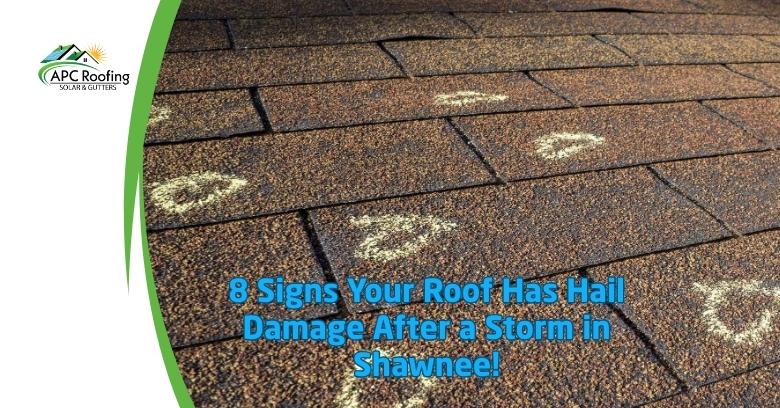
Where hail falls hard at the colder end of our territory, an impact-rated covering is worth considering, while sun and heat age coverings everywhere we work. Every material choice answers to the weather at that house, not routine or whatever was used on the last job.
Family Homes and Business Buildings: How the Roofs Differ
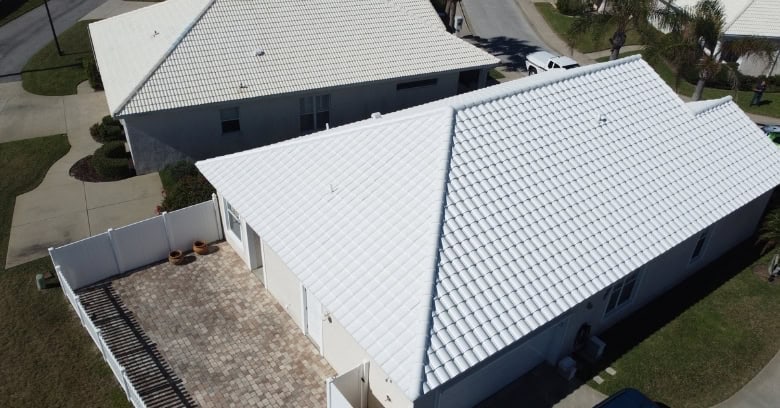
A pitched covering sheds water through overlapping courses, laid in asphalt, tile or metal. A commercial building usually has a nearly flat, sealed membrane, and rooftop units and drains get set directly into the surface.
Some houses have a gently sloped patch over a back room, and shingles in that spot often leak because runoff moves too slowly. A spot like that needs a welded or adhered membrane, laced under the pitched covering above, and re-shingling that spot only repeats the trouble.
Temporary Covers After Damage: What Holds Up
A sheet shields a gap for a little while, but the trouble below stays untouched. A cover done right crosses the ridge and gets screwed down through battens, and the cover gets tensioned before the flapping starts.
Extra reach past the opening matters on any temporary cover, since water slips in under any edge that ends too soon. A cover left up through a whole season holds heat against the surface, and mildew and rot follow underneath.
Where the Roof Changes Direction: No Room for Guesswork
Step flashing gets woven in with each course along a wall, and an overlapping strip above keeps runoff off that metal. A chimney gets an apron across the downhill face and metal tied in up each edge, and a wide stack gets a cricket that divides the flow around back.
Sealant slathered on a weak spot lets go as the metal expands and contracts, so a fresh tie-in, installed correctly, is the dependable way to go. Crumbling mortar lets rain soak into the masonry higher up, and some leaks like that need a mason as well as a roofer.
Putting Requirements on Paper: Nothing Left Vague
The plan for a job names every product by brand, and a plain line covers tearing off versus covering over. The account explains how rotten decking gets handled if any turns up, and new metal, vents and the cleanup work appear as separate items.
Bids laid out in full are easy to check against each other, and any gap between the two versions stands out. A business that keeps every particular verbal gives an owner nothing to hold onto, and memory is a poor record of what got agreed.
Replacing a Roof, Step by Step: What a Homeowner Sees
Shrubs, flower beds and the driveway get protected ahead of the work, and the old shingles get pulled off in pieces. The bare deck gets checked plane by plane once the old covering is off, and rotten sections get rebuilt before anything gets put back down.
Ice barrier, underlayment and new flashing go down across the deck, and shingles or panels, capped at the ridge, complete the installation. A magnet pass covers the grass and pavement at the end, and the gutters get checked and cleared of scraps.
Maintenance Beyond Asphalt: What Differs by Material
A metal system with exposed fasteners relies on the gasket beneath every fastener, and a hardened washer gets swapped out along with a new screw. Based on the house, tile may be mortar-set, foam-set or clipped directly, and the layer underneath carries the job of shedding water.
Walking on the wrong spot cracks a piece, and a damaged unit gets pulled and replaced to match the surrounding pattern. A modified-bitumen or single-ply section needs the seams and any puddling checked, and debris gets cleared from drains and scuppers.
Clues That Point to Trouble: From the Yard or the Attic
- Granules collecting in the gutters, from a covering that is no longer new.
- Tab ends that curl instead of lying flat, on planes that face the afternoon sun.
- A vent seal that has pulled loose, easy to miss without a zoom lens.
- A ceiling ring in a top-floor room, darker around the rim.
- A glimpse of sky from under the deck, beside a vent stack.
- Green growth along the north-facing side, growing thicker every spring.
- A dip between rafters, seen best from across the street.
- Rust streaks below a metal joint, easy to spot from the yard.
Roof Inspection for Springfield Missouri Households: APC Roofing, Step by Step
Before any advice gets given, a roofer goes over the whole covering and the attic, and the report shows up as photographs and a clear written account. What is holding up gets stated as clearly as what is not, and the choice of what to do next stays with the homeowner.
Roof Inspection Near Springfield Missouri: a Roofer Who Reads the Whole Roof
Dial 913-398-5020 to schedule a visit to the property.
A Roof's Paperwork: Best Done Early
Keeping the install date and the product names is a good start, and each inspection report deserves a spot in the same folder. Marking down every repair, with the location and the work done, leaves useful detail, and a decade on, the trend stands out clearly.
When a house goes up for sale, a buyer's inspector asks about the roof, and dated receipts make the answers easy to give. A second copy of the file, kept somewhere else, is worth having, because a single set can be destroyed in a flood or a fire.
A Neat Result, Up Close: Details to Check
The lines run true from eave to ridge, with rake cuts trimmed sharp, and nails stay covered by the layer above. Flashing at walls is new and set in properly, and any sealant used is a neat bead, never a smear.
Ventilation openings stay in place and free of debris, and the gutter runs finish straight and fastened. A final sweep with a magnet tidies the yard and drive, and a light scatter of sawdust near any cut line rinses off a walkway in seconds.
Anyone who came here searching for Roof Inspection in Springfield Missouri can get a straight answer without more digging. Getting in touch with APC Roofing at 913-398-5020 sets the process moving. Every stop covers the full roof, top to bottom, with nothing left to chance.
Verified

Verified
Verified
Verified