Thinking About Steel Roofing in Springfield Missouri?
APC Roofing puts up and mends screw-down sheet and clip-held panels, for houses as well as workshops and barns.
Reach us at 913-398-5020 and a visit ends with a straight account of what was found.
Naming a System: Hints in Plain Sight
Exposed-fastener roofing is pinned by screws passing through every panel, while standing seam is attached with clips tucked inside raised joints. On homes the metal is usually coated steel, and aluminum and copper are less frequent choices.
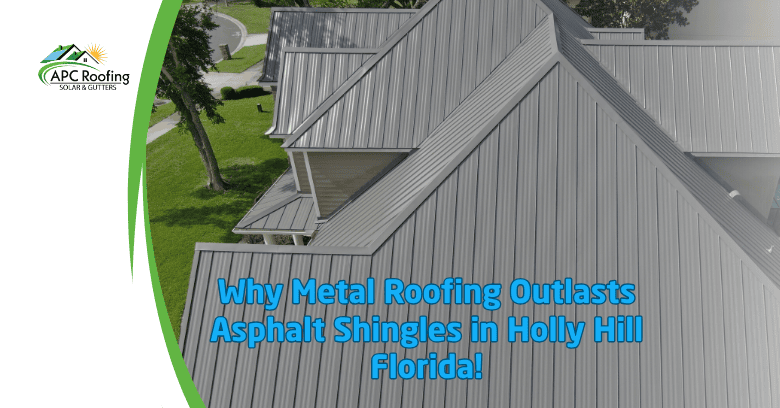
Seen from a sidewalk, dotted lines of screws signal an exposed-fastener system, while flat pans divided by upright folds with no hardware showing are standing seam. Barns, workshops and porches often wear corrugated or ribbed sheet, and homes turn up with both.
Cross-Section Choices: Matching a Building
Corrugated sheet ripples in smooth, repeating curves, whereas ribbed kinds stand up in squared ribs with flat stretches between. One length rides over a neighbor at a side lap, and screw locations follow a published diagram.
With deep ribs, a ribbed panel bridges wider spacing, while corrugated fits a period barn or a farmhouse style. A tall rib keeps heavy rain inside a channel on a broad roof plane, and a shallow pattern is plenty for a small porch or shed.
Fasteners in the Open: Aging in Sunlight
Each screw clamps a panel down onto wood or steel framing, and a washer under each head stops water getting in. Years of sun and heat stiffen synthetic rubber until cracks form, and the panels can go on for decades more.
Too much torque flattens a washer at once, while an underdriven or tilted fastener never seals all the way around.
Refreshing Hardware – Benefits and Gaps
Rubber rings across a ribbed or corrugated field wear out together, and a whole-roof re-screw is routine over the years. Each original fastener is taken out, and an oversized screw returns to every hole to catch undamaged fibers or metal.
A full re-screw with new washers closes leaks at each head and tightens loose sheets, though perforations, split laps and faulty trim remain as before. Replacements are chosen for whatever framing lies underneath, lumber or steel, and a factory color on every top suits most finishes.
A Covering in Motion – Stress at Screw Holes
Sunshine stretches steel slightly and a chilly night pulls the metal back, and a long run can gain a quarter inch between noon and midnight, with aluminum going about twice as far. Metal screwed down with no give wears each hole into an oval, and seals start to fail.
Popping and clicking on a sunny morning is expansion at work, and a properly detailed roof suffers no harm.
Beneath Raised Seams: Out of the Weather
A long pan is locked down at a single band, while floating clips elsewhere allow the pan to slide. At an unanchored end, trim is bent with clearance, and rigid fastening over a big pan shears or wrinkles the metal.
Each pan is set in place, and clips are driven through into the deck along one side, and a neighboring pan locks over every anchor.
Quick-Fit or Heavy-Duty – Wind and Water
Snap-together panels latch by hand, while other designs are crimped over by a machine. Double-lock construction resists uplift and ponding, and maker approvals cover shallower slopes.
Manufacturers offer a range of pan widths and rib heights, and a home's design and a buyer's taste guide selection. Closures, clips and flashings match one panel only, and a mismatch shows up as gaps and loose joints.
Heavier and Lighter Stock: Barn or Residence
A steel panel is rated by gauge, and a low figure signals thick metal. Pole buildings frequently carry twenty-nine, while a dwelling generally takes twenty-six or twenty-four.
Aluminum sheet is measured in decimal inches, and across the board thicker goods resist dents and ripple less. From the ground, light and heavy metal look alike, so a label or order sheet is what gets checked.
Factory Protection – Aging in Sunlight
Roofing steel leaves a mill with a zinc or aluminum-zinc layer over plain sheet, and a color coat is baked on afterward. A scratch that stays within paint does no harm, whereas a gouge through to bare metal soon shows red.
High-end fluoropolymer finishes keep a bright look for years, while polyester versions chalk and fade sooner. Uncured concrete and mortar harm an aluminum-zinc coating, so panels are kept away from a new chimney or stone wall.
Choosing the Metal: Salt Air
Aluminum is lighter than steel and never forms red rust, but a dropped tool or a falling branch dents a soft sheet sooner. Close to salt water, at the coastal end of our range, metallic coatings break down faster, so a marine-grade finish is often chosen for homes near a beach.
Copper usually goes on small accent roofs over bays and entries, and with nothing applied, color shifts over the years.
Metals That React: Treated Lumber and Wrong Screws
Copper upslope of a steel covering sends corrosive runoff over the panels, and streaks appear years ahead of perforation. Chemicals in treated lumber pit any aluminum resting on top, and an ordinary screw of an unsuited alloy fails as well.
New flashing or trim has to match the metals already in place, or a strip of membrane goes between dissimilar metals.
Looks, Not Leaks: Choices That Help
What the trade calls oil canning is a mild wave in a flat pan, and raking light early or late in the day brings out each rise and fall. A panel that looks uneven sheds rain as well as a perfect sheet, and service life is unaffected.
Striations, heavier stock and narrower pans keep rippling in check, and a smooth, straight base under the panels counts. Pictures of completed homes give a sense of how visible oil canning gets, and the decision on profile rests with you.
Indoor Comfort – Day and Night
Panels laid straight over bare purlins ring out in a downpour, because a single thin skin vibrates freely. A home has sheathing, a membrane and an insulated ceiling under steel panels, and indoors most people hear little more than on shingles.
Light tones and cool pigments bounce a large share of sunlight away, so upstairs spaces bake less. A deep hue absorbs heat like any dark surface, and vents and insulation weigh as heavily as the choice of color. After sunset, metal sheds stored warmth quickly, and the attic eases off soon afterward.
Guard Rows: Chosen With Care
Across the colder end of our territory, snow does not cling to painted steel, and a heavy sheet coming off in one piece can hurt a person or tear away a gutter. Guards break a load into small harmless chunks, and a doorway, walkway or meter below decides placement.
Standing seam takes clamp-on brackets that grip each rib without piercing the metal, while ribbed or corrugated sheet takes mounts driven into structure with sealing washers, and homes where snow seldom falls go without.
Storm Marks – A Record of What Happened
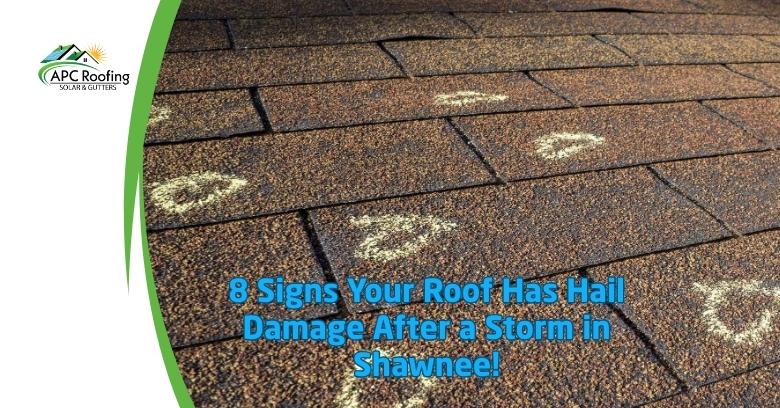
Hail visits the colder end of our range with some regularity, and stouter panels with striations hold shape better. A crease that cracks paint exposes bare metal to rust, while a seam or trim edge pushed out of line may open.
Once a storm has passed, a roofer photographs and measures every mark, and the depth of each dent is gauged.
Staying Put in a Blow: Layout Matters
Gusts tug harder at corners and along a perimeter, and air that gets under a loose edge can peel a sheet back. Finishing trim is hemmed and caught on a cleat for a whole run, leaving nothing for a storm to seize.
Clips and screws are packed closer in high-load zones near corners, as manufacturer tables call for at each site. Along the coastal end of our service area, hurricane risk raises fastener counts again, and only systems with a high wind rating qualify.
Penetrations: Sealant as Backup
A flexible boot is formed around every rib and banded tight to a pipe, and a flat location lets a flange bed down evenly. A skylight, chimney or larger unit sits on a raised curb with a cricket uphill, so runoff is steered aside.
Sealant backs up flashing and never stands in for folded metal, since the steel outlasts any compound many times over.
Changes of Direction: Built to Drain
Valley metal is laid before a single panel, and panels are sheared to a matching slant. Every raw end is turned under and caught by a cleat, so no hole sits where runoff gathers.
Long runs made of more than one piece get an endlap with sealant sandwiched inside, and screws go through both thicknesses at close spacing.
Shallow Sections: Where Locked Seams Help
Most ribbed sheet is specified for about three in twelve or steeper, since anything less lets rain back up at overlaps. Double-lock standing seam is rated for far shallower roofs, with some lines cleared almost down to flat.
Porches, additions and back rooms often carry a barely tilted section, and a measured angle decides what goes on, and below every panel limit, a membrane goes on.
What Lies Underneath: Checked on a Tear-Off
On a house, the panels go over solid sheathing, and a synthetic barrier made for high heat sits on top, because old felt bakes and sticks under hot steel. Farm buildings frequently carry metal over bare purlins, so support spacing and gauge are matched.
With an old roof gone, damaged sheathing is cut away and rebuilt, since a clip in decayed wood holds nothing.
An Overlay – Battens and Underlayment
A single layer of shingles can usually remain under new metal, code permitting, so waste is kept out of a landfill. Sheet steel is light, at well under two pounds a square foot, so reinforcement is rarely needed. Furring strips and a new underlayment go down over existing shingles, and screws reach through into solid wood.
Soft spots, old leak stains in the attic or a second layer rule out an overlay, because a problem covered with steel keeps growing out of sight.
Finishing Off – Tight Against Weather
Profile-cut closures fill openings beneath each rib at the upper and lower lines of a run, and driving rain and wasps are blocked. A ridge cover can include a vent or be solid, as existing ventilation requires.
Trim at every rake plus a drip edge over a gutter finish a roof's border, and fascia boards are kept out of runoff.
Day of Installation: Handling and Footing
Each seamed pan is rolled out to reach a whole slope, and nothing overlaps partway up. A long panel calls for several people spaced along the metal, and a pan that gets bent should not go on the roof.
Each step should land in a flat with support right underneath, since pressure on a rib bends the metal out of shape. Wet or dewy panels offer almost no grip, so the safest place for the household is indoors.
What to Watch For – A Look From Below
- Orange halos at fasteners, partway down a pitch.
- A row of lifted screws, on long panels.
- Edge metal curled back, facing prevailing wind.
- A boot pulled away from a pipe, by a bathroom fan.
- A sheared end streaked orange, in a valley.
- Blotchy color, where afternoon light hits.
- A ceiling stain in a straight line, in a garage.
- A gap along a rib, where slopes meet.
How APC Roofing Approaches Steel Roofing in Springfield Missouri: Our Routine
Everything begins with identifying which panel system is installed and how the panels are fastened, and then every screw or clip, edge, opening, valley and lap is checked. We note thickness, coating and hardware along the way, while the underside of the deck is inspected from the attic.
A report with photos sets out what is up there, and a reason sits beside every recommendation. If new fasteners are enough, that is what we suggest, while a worn-out roof is named as such.
Steel Roofing for Springfield Missouri Homes – Careful Assessments
Call 913-398-5020 and a visit gets put on the calendar.
Repair or Replacement: Piece by Piece
A single ruined panel can come out and a sound panel go in, though fresh color will not match weathered neighbors. A new pipe boot or a resealed lap ends a local drip, and new screws restore a roof full of aged seals.
Widespread perforation puts replacement on the table, and a covering riddled with failed seams is no better off. One tired face of the house can be redone alone, when damage stays in one place.
Planning Ahead – Upkeep Matters
Coated steel put on properly often gives forty years or better, but estimates of service are a rough guide only. A seamed pan roof has fewer parts that age, while ribbed sheet gets new fasteners once washers tire.
Dissimilar metals, raw edges and sealant used instead of proper flashing wear out a covering ahead of schedule, and regular inspection turns up faults while minor. Pine needles packed into a valley trap water against coated steel, and sweeping debris clear helps a finish.
Before deciding on Steel Roofing in Springfield Missouri, dial APC Roofing at 913-398-5020. Someone will climb up and read how the panels are attached, along with every edge and opening, and you get photographs, notes and a recommendation to consider.
Verified

Verified
Verified
Verified