In Need of Metal Roofing Within Springfield Missouri?
APC Roofing puts up and mends screw-down sheet and clip-held panels, across homes as well as sheds and barns.
Call 913-398-5020 and a roofer will come out and describe what the metal shows.
Identifying a System: Clues From Below
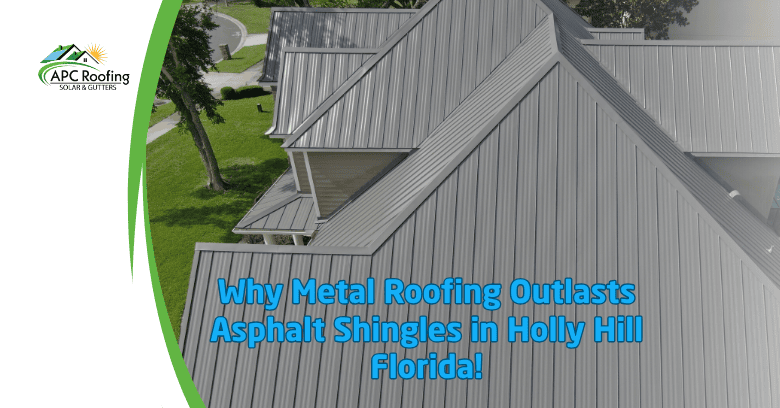
Exposed-fastener roofing is pinned by screws passing through every panel, while standing seam is attached with clips tucked inside raised joints. On homes the metal is usually coated steel, though aluminum and copper have a place too.
A glance from a lawn at lines of screw heads points to a through-fastened roof, and uninterrupted pans separated by raised folds mean standing seam. Outbuildings and porches lean toward ribbed or corrugated sheet, and houses carry both styles.
Rolled Shapes: Which Suits a Building
Corrugated goods swell and dip in gentle, repeating arcs, while ribbed designs show angular ribs and wide flats. One length rides over a neighbor at a side lap, and a maker's pattern says where screws go.
Ribs make a stiffer panel that crosses longer spans, while corrugated keeps a place on vintage buildings and farmhouse designs. A tall rib keeps heavy rain inside a channel on a broad roof plane, and a shallow pattern is plenty for a small porch or shed.
Exposed Hardware: Aging in Sunlight
A single screw pins the metal firmly to framing below, and a washer under each head stops water getting in. Ultraviolet light slowly bakes neoprene brittle, and the panels can go on for decades more.
An overdriven screw squashes a washer flat, and a fastener stopped short or angled leaves a gap for rain.
Refreshing Hardware: Part of Upkeep
Washers on corrugated or ribbed panels give out as a group, so at some stage all seals get changed. Old fasteners are backed out one at a time, and a screw one size larger takes each place so threads grip solid material.
Re-fastening stops water at every head and holds down sheets that lift, though perforations, split laps and faulty trim remain as before. New screws are matched to whatever framing lies beneath, with wood threads for lumber and drill points for steel, and color-matched tops blend in with a painted finish.
Thermal Movement – Stress at Screw Holes
Steel swells with heat and draws back as temperatures fall, and a forty-foot run can shift a quarter inch or more, with aluminum going about twice as far. A panel pinned at both ends slowly slots every screw opening, and a washer stops sealing.
Popping and clicking on a sunny morning is expansion at work, and a roof built with slack is unharmed.
Under Upright Joints: Hidden Hardware
A long pan gets one fixed point, often near a ridge or an eave, while floating clips elsewhere allow the pan to slide. A finishing piece at an opposite end has room built in underneath, and rigid fastening over a big pan shears or wrinkles the metal.
A pan is positioned and clips are screwed to the deck beside a long edge, and a neighboring pan locks over every anchor.
Quick-Fit or Heavy-Duty – Wind and Water
Snap-together panels latch by hand, while other designs are crimped over by a machine. A double-locked joint stands up to gales and to water sitting against the metal, and approvals extend to flatter roofs.
Widths between ribs and the height of each rib differ by line, so the house and a preferred look guide a decision. Closures, clips and flashings match one panel only, so a repair calls for knowing exactly which panel is up there.
Choosing a Weight: Dents and Ripples
A steel panel is rated by gauge, and numbers fall as sheet gets thicker. Pole buildings frequently carry twenty-nine, and residential work leans on twenty-six and twenty-four.
Aluminum sheet is measured in decimal inches, and in both cases a heftier panel stays straighter and tougher. A view from below reveals nothing about grade, so a label or order sheet is what gets checked.
Factory Protection – Aging in Sunlight
Coil stock is dipped in molten zinc or an aluminum-zinc alloy, and baked-on primer and color follow. A scratch that stays within paint does no harm, but an unprotected cut or a gouge to bare steel is where red rust starts.
High-end fluoropolymer finishes keep a bright look for years, and polyester types chalk white sooner. Lime in fresh concrete eats into an aluminum-zinc layer, so metal and new brick are kept apart.
Choosing the Metal: Matching a Location
Aluminum is lighter than steel and never forms red rust, but softness means a heavier grade for equal toughness. At the coastal end of our territory, salt spray breaks down galvanized coatings faster, and some makers limit steel products by distance from a shoreline.
Copper is usually kept to small accent roofs over a bay or a porch, and years outdoors take bare metal to brown and then green.
Incompatible Neighbors: A Slow Chemical Fight
Runoff from copper eats through coated steel downhill, and staining shows up well ahead of pinholes. Chemicals in treated lumber pit any aluminum resting on top, and an ordinary screw of an unsuited alloy fails as well.
Any added flashing or trim should be the same metal as what is up there, or a separator tape sits wherever unlike metals meet.
An Appearance Question – Why Installation Counts
Oil canning is a gentle waviness across the flat of a standing seam pan, and low sun at dawn or dusk shows up every hollow. A warped look in the metal lets no rain through, and the roof lasts no less.
Striations, heavier stock and narrower pans keep rippling in check, and a deck without humps or dips matters too. Pictures of completed homes give a sense of how visible oil canning gets, and you make the call on profile.
Everyday Comfort: Rattle and Warmth
Metal spanning open rafters, with air beneath, is what clatters, since one thin layer is all that stands between sky and interior. Residential metal goes over plywood and underlayment, with insulation above each ceiling, and occupants notice only a slight change from shingles.
Cool-pigment coatings return the bulk of the sunshine, and the attic beneath stays cooler on a summer afternoon. Deep shades absorb as much as dark asphalt, and ventilation and insulation underneath matter as much as finish. Metal loses daytime warmth shortly after the sun sets, so evenings indoors feel better sooner.
Holding a Load Up There: Chosen With Care
In the snowier part of our service area, a metal roof sheds snow fast, and a single release can take out a gutter or strike someone nearby. Rows of cleats hold a load back until melting clears the roof, and typical spots are above doors, walks, decks and gas meters.
A standing seam roof gets brackets that squeeze an upright joint rather than pierce a pan, while exposed-fastener sheet takes mounts screwed into framing, and in milder markets roofs do without.
Blows From Above: Documented Plainly
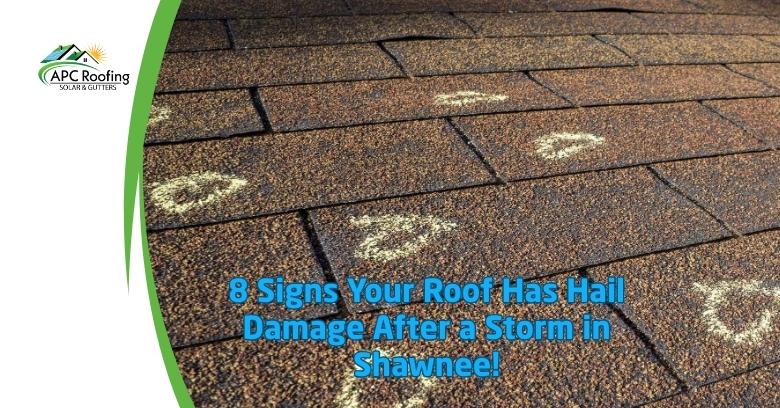
Hail is common across the colder end of our territory, and a heavier gauge or striated pans resist dents better. A strike sharp enough to break a finish lets rust start, and a flattened rib or a shifted cap can leak.
Once a storm has passed, a roofer photographs and measures every mark, and the depth of each dent is gauged.
Staying Put in a Blow – A Denser Pattern
Perimeter bands of a roof take a heavier pull than a central field, and a loose flange gives moving air a handle. Finish trim is hemmed and caught on a cleat, so nothing sticks out to be grabbed.
Clips and screws are packed closer in high-load zones near corners, following a maker's layout for a site's exposure. Along the coastal end of our service area, hurricane risk raises fastener counts again, and panels carry an uplift rating to suit.
Openings in a Covering: Detail Work
A pliable-based collar is shaped to fit a panel and clamped onto a pipe, and a level stretch, not a peak, is chosen for a hole. A skylight, chimney or larger unit sits on a raised curb with a cricket uphill, and water cannot pool at an upper edge.
A bead of sealant supports a properly formed detail rather than working alone, since the steel outlasts any compound many times over.
Where Slopes Meet: Built to Drain
A valley pan goes down ahead of any panel, and sheets are cut on a diagonal to suit. Every raw end is turned under and caught by a cleat, so no fastener sits where water collects.
An endlap on a long run holds sealant between overlapping sheets, and screws pass through both thicknesses, upper over lower.
Limits Near Flat: Where Locked Seams Help
Most ribbed sheet is specified for about three in twelve or steeper, and on flatter roofs, water works under side laps. Double-lock standing seam is rated for far shallower roofs, and a few products go almost to flat.
A barely tilted roof over a porch or addition is common on houses, and we measure pitch on site, and an area that metal cannot serve is given a membrane.
Under Everything: Checked on a Tear-Off
On a house, the panels go over solid sheathing, and a high-temperature underlayment sits beneath the panels, since felt paper cooks under summer metal. An outbuilding may have nothing but purlins under the metal, and wider spacing calls for heavier stock.
On a tear-off, soft or rotted boards are cut out and replaced, because crumbling plywood cannot anchor a clip.
When the Old Roof Stays – Battens and Underlayment
Panels can often go on top of one shingle layer where code permits, so the house is spared a tear-off and debris. New steel adds well under two pounds per square foot, and typical framing carries a little extra easily. Battens over a fresh membrane go across existing shingles, and fasteners are long enough to bite solid boards below.
A roof that was recovered once before, or a deck with decay underneath, comes off entirely, because a problem covered with steel keeps growing out of sight.
Completing the Job – Tight Against Weather
Closures matching a panel shape stop up hollows under each rib at both extremes, so wind-blown rain and nesting animals stay out. A ridge cap can be vented to let warm air escape or left solid, according to how an attic sheds heat and moisture.
Gutter aprons and rake trim wrap up a roof's outline, and fascia boards are kept out of runoff.
Care With the Metal – Carrying and Stepping
Standing seam panels are usually roll-formed to the full length of each slope, and nothing overlaps partway up. An extended panel needs enough hands under the metal to stay straight, and a pan that gets bent should not go on the roof.
On panels, a step belongs in a flat above a purlin or deck, because ribs and seams crush under a boot. Dew or rain makes coated steel as slick as glass, so owners do better keeping off the roof.
Signs Worth a Call: Easy to Notice
- Brown rings at fastener heads, near the top of a run.
- Hardware sticking up, on a south exposure.
- A rake edge torn free, after a windstorm.
- A boot pulled away from a pipe, over a kitchen.
- Corrosion along a cut, at the bottom of a run.
- Color gone patchy, on one panel more than on panels nearby.
- Spots on a ceiling in a row, down a hallway.
- A gap along a rib, at the low end of a panel.
How APC Roofing Goes About Metal Roofing in Springfield Missouri – Our Method
We begin by figuring out which system is up there and how the panels are anchored, followed by every screw or clip, edge, boot, valley and lap. We note thickness, coating and hardware along the way, and a trip into the attic catches past leaks.
Findings come to you in a report with pictures, and a reason sits beside every recommendation. A sound covering is called sound, while replacement comes up only when a roof is truly spent.
Metal Roofing Across Springfield Missouri: A Careful Look
Call 913-398-5020 and someone will arrange to stop by.
Deciding on Scope – When a Tear-Off Makes Sense
A panel torn by a falling limb can be changed individually, but brand-new paint stands out against faded neighbors. Replacing a cracked boot deals with water at a pipe, while a re-screw takes care of hardened washers.
Rust through sheet after sheet calls for a new covering, and a covering failing at nearly every joint is in the same position. Redoing one face of the house is a middle path, when damage stays in one place.
Looking Down the Road – Upkeep Matters
Coated steel put on properly often gives forty years or better, but estimates of service are a rough guide only. Standing seam, with no holes through a pan, gets by on less maintenance, whereas exposed-fastener sheet needs a re-screw partway through.
Dissimilar metals, raw edges and sealant used instead of proper flashing wear out a covering ahead of schedule, and regular inspection turns up faults while minor. Pine needles packed into a valley trap water against coated steel, and sweeping debris clear helps a finish.
Whenever Metal Roofing in Springfield Missouri comes up, dial APC Roofing at 913-398-5020. Every screw or clip, edge and boot gets a close look, and findings come to you written up, with any choice left to you.
Verified

Verified
Verified
Verified