Your roof isn’t leaking, and you’d like to keep it that way. Maybe it’s 8 or 10 years old, you’ve been through a few hurricane seasons, and you have no idea what it looks like up there. Roof maintenance in Sanford is about finding the cracked pipe boot or the lifted shingle while it’s still a small fix, instead of finding it as a stain on the ceiling.
Most homeowners only call a roofer when something’s already wrong, and that’s understandable. Nobody wants a sales pitch for a new roof when they were just asking for a checkup. You deserve someone who’ll look, tell you what’s fine, and point out the few things worth fixing.
APC Roofing is GAF Certified, licensed in Florida (CCC1337030) and insured, and inspections are free. Call 407-270-1129 to set up a visit.
What wears out first on a Sanford roof
Roofs rarely fail all at once. They fail at the small parts, and in Seminole County those small parts age faster than the shingles around them.
The rubber boots around plumbing vent pipes are usually first. Year-round sun dries them out until they crack, and water runs down the pipe into the attic. It’s one of the most common roof leaks in Florida, and one of the simplest to fix if it’s caught early.
Sealant around flashing and roof vents goes next, for the same reason. Then there are the factory seal strips that glue each shingle to the one below it. A strong summer gust or a hurricane passing well south of Sanford can break that bond without tearing anything off, and the loose shingle waits for the next storm to lift it.
Humidity does its damage out of sight. If the attic doesn’t vent well, trapped heat and moisture age the roof deck from underneath, and you won’t see it from the yard.
What an annual roof tune-up covers
A yearly roof tune-up in Sanford isn’t a quick glance from the ladder. A proper one goes slope by slope and looks at the details where leaks start:
- Shingles or tiles that are lifted, creased, cracked, slipped or missing
- Pipe boots, roof vents and their seals
- Flashing at walls, chimneys and valleys
- Exposed or popped nail heads
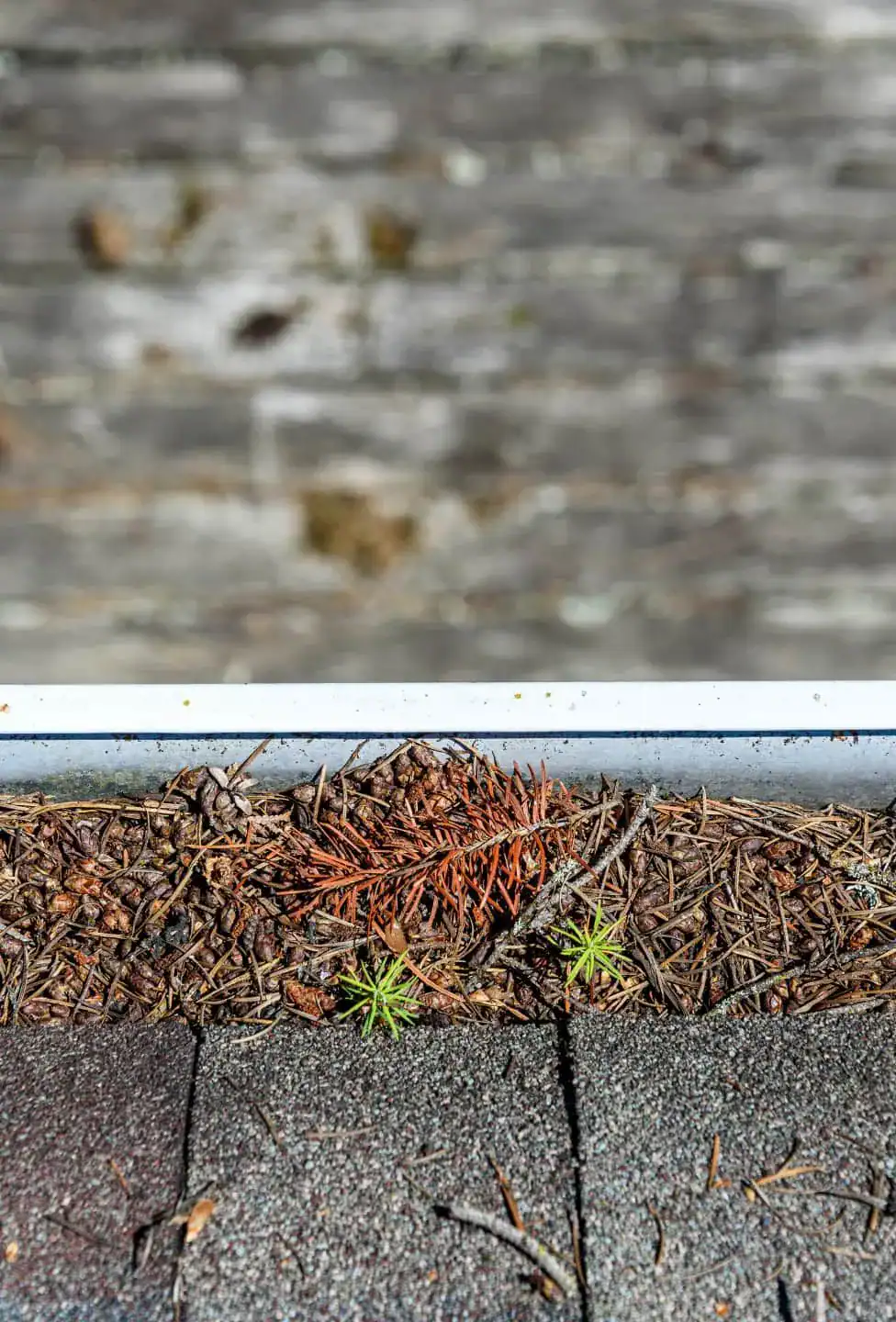
- Granule loss, which shows up as bald spots on shingles and grit in the gutters
- Gutters and downspouts, and whether they drain
- The attic, from inside: stains, damp wood, daylight and how well it’s venting
Then you get photos. Most homeowners have never seen their own roof up close, so a photo of the cracked boot next to one of the healthy slope tells you more than a written list does.
When to schedule roof maintenance in Sanford
The best time for a yearly check is late spring, before hurricane season starts. Anything loose gets secured before the storms show up, and the oak leaves and tassels that drop in spring can be cleared out of valleys and gutters at the same time.
The second time to call is after any storm strong enough to put shingles, tile pieces or big branches in your yard. Storm damage is easier to spot and document while it’s fresh, and a shingle with a broken seal is a much smaller repair before the next storm finishes the job.
Small sealing jobs that keep water out
A lot of what people search for as roof waterproofing is really this kind of upkeep: resealing around vents and flashing, replacing a cracked pipe boot, re-securing lifted shingles and replacing the few that are creased. These are small, inexpensive fixes that stop the most common leaks before they start. When a roof needs more than that, you’ll hear it plainly, with photos.
What you can do from the ground
You don’t need to climb a ladder to keep an eye on your roof. A few times a year, and after any big storm, walk around the house and look for:
- Shingles that look out of line, or dark patches where shingles used to be
- Pieces of shingle, tile or metal in the yard
- Lots of granules piling up at the bottom of downspouts
- Branches touching or hanging over the roof
- Water stains on ceilings, especially near outside walls and around light fixtures
Keep tree limbs trimmed back from the roof. Branches that rub in the wind scrape off granules, and leaves pile up in valleys where they hold moisture.
One thing to skip: pressure washing. It’s tempting with those black algae streaks, but high pressure strips granules off shingles and can crack tile. Gentle cleaning methods made for roofs are the safer route.
Maintenance by roof type
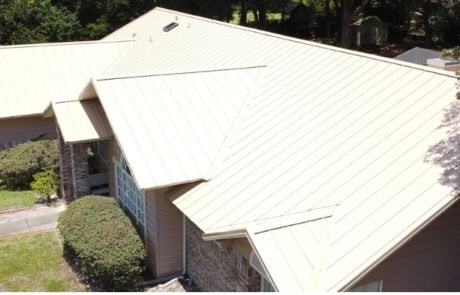
Shingle roofs mostly need the checks above. Tile roofs need cracked or slipped tiles replaced and the underlayment watched, since that layer underneath does the real waterproofing. Metal roofs need fasteners and their seals checked, because screws can back out as the panels expand and contract in the heat. Flat and low-slope sections, like those over porches and Florida rooms, need drains kept clear so water doesn’t stand on them.
How it works
- Book your free inspection. Call 407-270-1129 or request a free online estimate.
- Get a clear, honest assessment and estimate. You get photos and a plain list of anything that needs attention now, anything to watch, and what’s in good shape.
- The small fixes get done and the site gets cleaned up. If repairs are needed, they’re quoted up front and handled cleanly.
Skipping maintenance rarely saves money. A failed pipe boot can let water into the decking for months before a ceiling stain appears, and by then the fix includes wood and insulation, not just a rubber boot.
Roof maintenance questions
How often should a roof be inspected in Sanford?
Once a year, plus after any storm strong enough to leave roofing debris or big branches in the yard.
Does regular maintenance help with insurance?
Many Florida insurers look at roof age and condition. Dated inspection photos and a record of repairs give you a clear history if questions come up at renewal or when you sell.
Can maintenance make an old roof last longer?
It can help a roof reach the end of its normal life instead of failing early, mainly by stopping small leaks from rotting the deck. It can’t make a worn-out roof new again. If your roof is near the end, the inspection will show it.
What if the tune-up finds storm damage?
It gets documented with photos and measurements. If you file an insurance claim, you file it yourself and pay your own deductible, and APC Roofing provides the estimate and works with your adjuster. See our Sanford storm damage page for more.
A roof you don’t have to wonder about
The goal is knowing where your roof stands, fixing small things while they’re small, and heading into hurricane season without that nagging worry. Call 407-270-1129 to book your free inspection. If a repair turns up, our shingle roof repair in Sanford page explains the usual fixes, and you can see everything else we do on our Sanford roofing services page.