Searching for Roofing Services in Sanford Florida?
APC Roofing covers everything from a routine checkup to a complete replacement, on shingle, metal and tile alike.
Dial 407-270-1129, and a roofer sets a time to come look at the house.
What Keeps a Roof Working: the Working Structure
The shingles or panels on top form the outer layer, and a water barrier, plywood and framing sit below the surface. Metal flashing seals the seam at a wall, a pipe or a valley, and a drip there rarely points to worn shingles on the slope.
The attic air beneath the deck counts as part of the roof assembly, because moisture trapped up there softens plywood and rusts nails overhead. Water showing indoors may come from any level of the structure, and a fix aimed only at the outer surface can leave the real source untouched.
The Duties of a Roof: an Owner's Overview
Laps and pitch steer rainfall toward the gutters, while nails and seal strips resist the pull of gusts. What lies below carries the weight of everything on top, snow included at the colder end of our territory, while vents let damp air leave the attic.
Shedding water is the covering's task, and resisting wind is the fastening's job, while gravity's pull goes to what is underneath. A weak component shows up as a sign of trouble somewhere else on the roof, so repairs target the root, not the visible mark.
Minor Roof Components: Different Timelines
The main covering is built for a long run, but a rubber collar at a vent pipe gives out far sooner. Moisture gets behind the covering and moves toward the room, and a brown patch forms on the ceiling underneath.
A line of caulk at a chimney shrinks with every hot season, and metal flashing rusts at bends and cut ends. Cap shingles break along the seam, because the highest point stands open to glare and gusts.
Different Stages, Different Details: Before Anyone Climbs
At a distance, the outline of the roof gives away dips, sags and wavy planes, and the eave boards and downspouts can be sized up as well. Good binoculars show up torn collars, lifted tabs and bare patches, yet a few conditions still need a hand on the surface.
Out on the roof, a roofer presses on every connector and follows each run of flashing, and the shingles are checked for brittleness and thin spots. Wet shingles and sharp pitches rule out getting up there safely, and the view comes instead from a ladder at the gutter line.
Behind the Ceiling: a Homeowner's Tour
A stained patch on the plywood shows water that got in before, and a clammy touch means the problem is ongoing. Daylight visible between the boards marks an opening, and a tape measure fixes the distance from the peak and gable wall.
Nail points gone orange signal damp air, not a leak, and a matted, faded patch nearby confirms the same condition. Insulation crammed against the eave, or an exhaust fan dumping into the attic, comes to light only from inside, so a check from the ground alone leaves that kind of fault hidden.
After the Roofer Leaves: An Overview
Findings arrive as photographs tied to specific places on the roof, and a written line explains what each image shows. Good sections get the same plain treatment as sections that do not, and faults are ordered from most to least pressing.
A report kept on file lets the next check be measured against a known starting point, and movement across seasons reads more directly than one day's condition. A roof tracked across each year brings few surprises, and a big repair signals trouble long before the work is urgent.
Routine Care for a Shingle Roof: What Gets Done
Worn pipe gaskets get swapped out before failure, and aging caulk at skylights gets cut out and redone. Pine straw and twigs get picked out of the valleys, and downspouts get flushed so water moves through.
A slipped shingle put back early is easy work, but delay through the wet months lets water get in from below. Lichen keeps the surface damp and works in under the shingles, and the growth gets treated and brushed off, never pressure-washed.
A Simple Habit Worth Building: a Homeowner's Part
A roofer should walk the roof once a year, placed right after the toughest season for roofs in that market. The aim is spotting aging before rain gets through, and the family hears plainly where the roof stands.
Following a storm, a walk around the house with eyes on the roof is a good habit, and upstairs ceilings deserve a look for new marks. Climbing to the attic hatch with a flashlight twice a year is a smart move: soft wood, tiny bright spots and soggy insulation surface long before anything reaches the space below.
Reading a Roof's Age: What the Years Bring
A shingle surface in the first seasons looks crisp and even, and by mid-life the sun-facing side fades ahead of the shaded side. Toward the end, granules collect in the gutters and the mat starts to show, and mending one area seems to open another.
Judging from the street supplies a reasonable idea, but the true condition shows only from up top. A roof near the finish line is better replaced than patched again, and a reliable contractor says so outright, instead of offering another fix.
A Blocked Channel: What Homeowners Should Know
A roof moves water only as far as the drip edge, and a gutter takes the water the rest of the way. A hanger that has given way tips the run toward the wall, and the wood underneath begins to rot.
A weak area there more often means bad drainage than a shingle issue, and a new covering will not fix what backed-up water caused. Gutter fall and downspout placement get checked together, and the flashing along the eave gets looked over for bent or missing pieces.
What Ventilation Is For: Why the Details Matter
Outside air should enter under the eaves and leave near the peak, and the draft clears warmth and humidity from under the sheathing. Where the opening gets sealed off, the attic runs hot in summer and stays sticky through humid stretches, and the covering wears out early.
Exhaust hardware installed with no matching intake draws conditioned air up from the rooms below, and a mismatched pairing at the ridge and gables can cut the draft short. Fresh shingles laid over stale, trapped heat age nearly as fast as the old ones did, so a proper replacement addresses the same issue at the same time.
Specifications That Follow the Weather: An Overview
At the colder end of our territory, ice at the eaves and the weight of snow shape the build, so an adhered barrier goes under the lowest rows. Closest to the ocean, gusts decide how the covering gets anchored, and impact-and-wind-rated shingles and sealed seams get chosen.
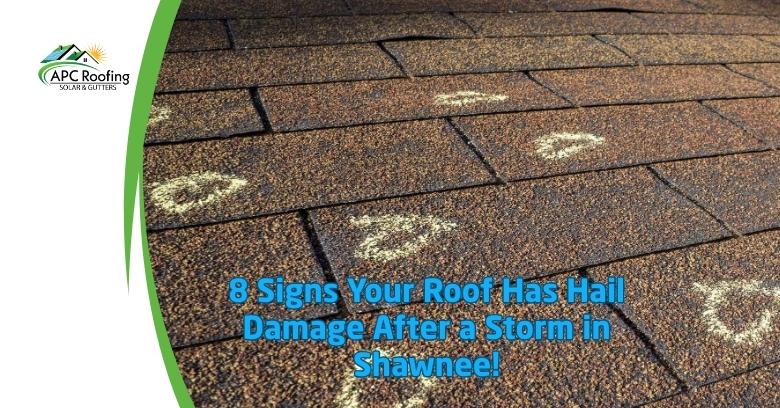
Where big hail is common at the colder end of our region, a harder surface earns consideration, while ultraviolet light ages granules in every market we serve. Specifications follow the weather at the house, not routine, and not whatever a past project called for.
Houses and Commercial Buildings: Split by Structure Type
A sharply angled pitch sheds water course over course, and shingle, tile and metal all serve that role. Most commercial buildings use a single-ply or built-up membrane, and internal drains and heating units share space on that roof.
Plenty of residences include a shallow section over an addition, and a shingled surface there lets rain linger long enough to work under the courses. A low spot like that calls for a sealed sheet, tucked beneath the steeper roof above, and re-shingling that spot only repeats the trouble.
Protecting a Damaged Roof for Now: What Holds Up
A sheet shields a gap for a little while, but nothing gets solved underneath. A sound cover sits over the ridge and gets held down by wood battens screwed through the material, and the cover gets tensioned before the flapping starts.
A cover needs a wide border around the hole, since water runs sideways under a short edge. A membrane left up too long traps moisture against the covering, and mildew and rot follow underneath.
Doing the Vertical Joints Properly: an Explanation
Along a wall, one bent piece of metal goes in under every course, and counterflashing tucked into the masonry covers that metal from above. A brick chimney gets an apron downhill and metal set in up each edge, and a wide stack gets a cricket built into the slope nearby.
Tar smeared over a gap gives way as the metal moves, and a proper tie-in, rebuilt from scratch, is what holds. Eroded mortar joints let water into the brick above the flashing line, and that kind of trouble calls for a mason alongside a roofer.
A Contract Worth Reading: What to Look For
The rundown for a job should list every product by name, and the document states whether the current layer stays or goes. A dated form covers what happens if rotten boards turn up, and every vent, every flashing piece and the haul-away get called out individually.
Thorough scopes from rival bidders can be checked point by point, and the real differences between the two documents come into view. A roofer who waves off the specifics gives no genuine protection, because nobody can confirm later what got said.
A Tear-Off and Rebuild: Start to Finish
Plants take tarps and hard surfaces take padding before the crew begins, and the existing layers get torn off into a dumpster. Opened up, the decking gets checked for soft spots and breaks, and anything that flexes underfoot gets sawn out and patched.
A protective membrane, new flashing and full underlayment get installed, and the covering, the ridge caps and the vents go on to finish the job. A magnet pass covers the grass and pavement at the end, and nothing from the cleanup stays behind in the gutters.
Maintenance Beyond Asphalt: Particular Needs
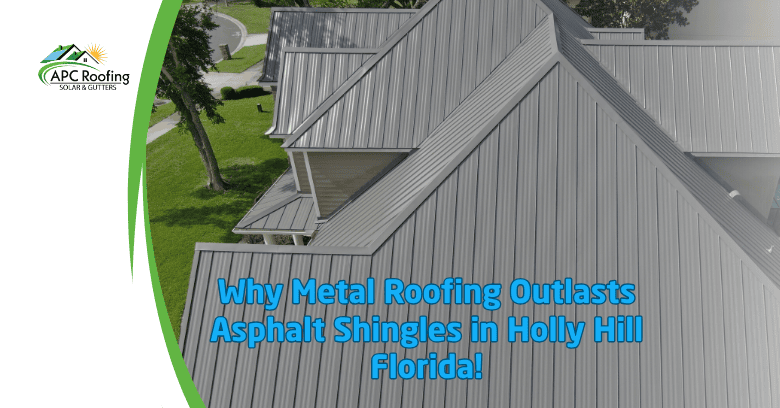
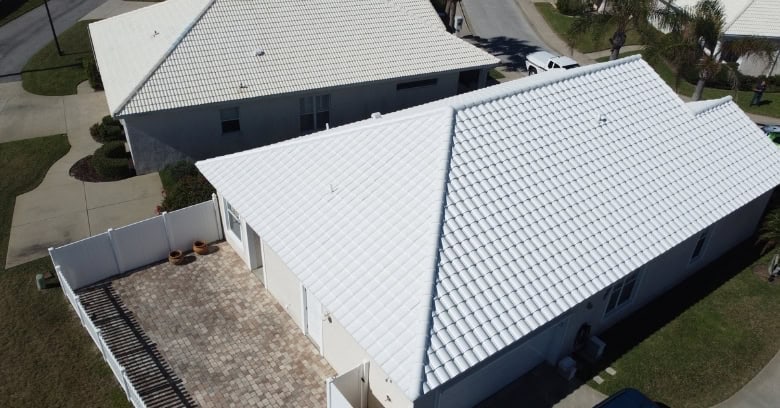
Where panels get fastened through the face, a gasket under the head keeps rain out, and a brittle washer gets replaced whole, never smeared with anything extra. Tile in our markets gets set by several methods, including mortar, foam adhesive and mechanical clips, and the underlayment does the actual waterproofing.
Weight placed wrong breaks a piece, and a spare of the same profile goes in where one fails. On a low-slope section, standing water and open seams are the things to watch, and grit and leaves get cleared from the scuppers.
Warning Signs Around a House: Outside and In
- Coarse grains washing out after every rain, in amounts that keep returning each season.
- Curled or lifting edges on the courses, noticeable from across the street.
- A hardened gasket at a stack, above a bathroom or a kitchen exhaust.
- A brown patch on upstairs drywall, darker around the rim.
- Daylight through the attic boards, spotted during a flashlight check.
- Green growth along the north-facing side, pushing up the lower edges of the shingles.
- A hollow spot in an otherwise even stretch, new since the previous year.
- Dried beads separating at a skylight, worth a closer look before the next storm.
Roofing Services Across Sanford Florida: How APC Roofing Works
Before any recommendation gets made, a roofer walks the whole covering and checks the attic, and the findings arrive as photographs with a written note. Good sections get the same plain treatment as problem areas, and the homeowner decides what happens from there.
Roofing Services Around Sanford Florida: a Full Look, Not a Guess
Reach us at 407-270-1129 and book a visit to the property.
Documentation for the Roof: Useful at Resale
Keeping the install date and the product names is a good start, and every yearly report can go into the same file. Marking down every repair, with the location and the work done, leaves useful detail, and given enough time the pattern becomes clear.
Once a home hits the market, the roof's age and condition come up in conversation, and paperwork with dates carries more weight than recollection. A duplicate set, saved to a phone or a drive, is worth making, since a spill or a move should not be able to wipe out everything.
Judging the Result: Small Things, Handled Properly
The lines run true from eave to ridge, with rake cuts trimmed sharp, and nails stay covered by the layer above. The wall joints carry new flashing, tucked to match the way water runs, and caulk, where used at all, forms a thin, careful line.
Air can move from the eaves to the peak without obstruction, and the drainage runs at least as well as before. The lawn and driveway get a magnetic pass at the end of the job, and a light scatter of sawdust near any cut line rinses off a walkway in seconds.
Anyone who came here searching for Roofing Services in Sanford Florida is closer to an answer than a listings page ever gives. Getting in touch with APC Roofing at 407-270-1129 gets a date on the calendar. Every stop covers the full roof, top to bottom, and nothing is left to guess at.
Verified

Verified
Verified
Verified
Verified