Asking About Storm Damage for a House in Sanford Florida?
APC Roofing goes over the shingles once the sky has cleared, checking every edge and photographing what is there.
Reach us at 407-270-1129 and describe what you are seeing from indoors.
Wind Against a Roofline – an Uneven Push
The eaves, the rakes and the ridge carry the heaviest load of any gust, while an open middle section stays comparatively calm. Blowing air working under a raised flap lifts the shingle set above the flap, so a nail under a shingle ends up doing the whole job alone.
A corner of a house sits where two paths of wind meet, and builders space the attachment points closer together at that spot. A row nearest a projecting edge takes on more force than a row set well off to the side, and a crew's layout accounts for that extra pull in advance.
What the Crew Leaves to the Sun: Not Done at the Factory
A strip of sealant under every shingle grips the course sitting beneath, and that formed hold is what stops rain from working up under a lap. A hard gust can break a bond across a stretch of roof, and a parted shingle rests unmoved for the moment, nothing showing on the surface.
A broken seal stays quiet for the next windy spell, so nail heads take on whatever weather follows. A single shingle adrift on a wide slope is a small matter alone, but a cluster of parted shingles makes a real opening.
The Rating on a Bundle: Worth a Second Look
A test rig holds freshly made stock to a deck with every bond formed on purpose, before a controlled gust is brought to bear on the assembly. A covering installed for years responds differently on a rough day than unweathered material would, so an early rating speaks to day one, never to a roof much later.
A nail set too far up misses the layer a shingle relies on for a full hold, and a section can then give way at a wind speed below the figure on the wrapper. A weathered mat behaves differently from the sample once tested at a factory, so a rating measured on fresh stock says little about a roof carrying years of weather.
Hail Against a Shingle: Under the Surface
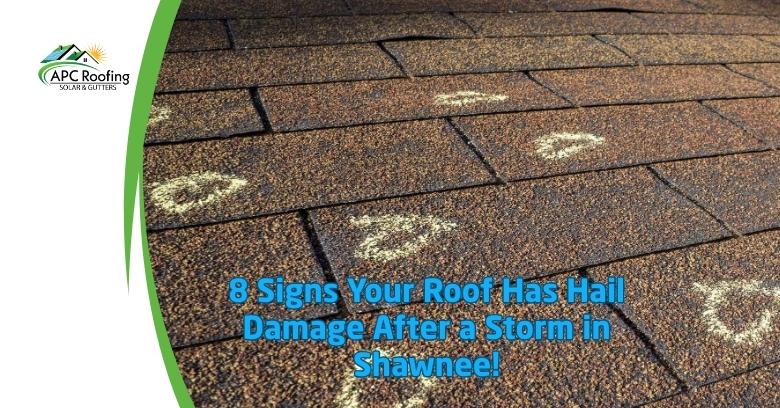
Stones grow largest in storms that cross the colder end of our territory, and the size eases as a storm tracks eastward. A strike drives surface granules down into the asphalt underneath, so a hollow forms where the surface gave way.
The core doing real waterproofing lies under a shingle's visible face, so damage that deep counts as structural, not cosmetic. A struck shingle weathers faster than a sound shingle nearby, and a slope carrying many such spots fails unevenly over time.
The Overlooked Fixtures: Where a Blow Registers
What a thick shingle takes without complaint can bruise a light-gauge trim piece, because bent material never straightens back out without help. A split boot at a plumbing stack lets water run down the outside of a pipe, and a ceiling below takes drips within a day or two. Marks on a gutter's surface rarely stop a gutter from working, but a flattened downspout holds a run's water behind a flattened point.
Every light-gauge piece up on a roof gets a separate look on the same trip, which keeps a whole roof in one set of findings. Dented metal parts rarely turn up where the asphalt above escaped unharmed, and the state of that hardware often hints at how hard the shingles were struck.
What Ends Up in a Downspout: Where the Sand Came From
Small stones pressed into a shingle's face shield the material beneath the surface, because an uncovered stretch dries out and cracks quickly. A downpour carries loosened grains along the slope into a gutter run, and a handful scooped from that spot says plenty about the roof.
Asphalt left bare stiffens and splits as the seasons pass, which is why small failures on a slope tend to add up. A drift of grit at a downspout fell from the roof plane overhead, and tracing grains back to that slope is straightforward for a roofer.
Rain That Arrives Sideways – Up, Under and In
A shingle's lap directs a vertical descent down across the surface, but pressure coming from the side changes the entire calculation. A turbine housing passes rain through once wind reaches a certain speed, so the deck nearby can darken with no tear anywhere on the slope.
Debris From a Tree – Small Mark, Real Harm
A concentrated load transmits pressure through only a few square inches of contact, so structural members absorb the shock directly. A board can crack even though the covering keeps a normal shape from above, and a roofer finds the break by tapping the deck and by checking from the attic.
A swaying bough polishes a bright curve into the granules a branch touches, and the outline follows exactly where that motion carried. Getting to a split panel calls for removing the covering above the crack first, and the finished patch ends up wider than the mark visible above.
The View From the Rafters – Quick to Check
A gleam between the boards signals a gap somewhere in the covering, and noting the location from within saves time once outdoors. Wet plywood darkens, and the tips of nearby nails often show rust, so tracing the mark toward the highest point reveals the source.
Matted fiberglass under a rafter says seepage has been arriving there for a while, and material packed down that way stops insulating long before the fibers look worn. A gable vent can let driven rain reach framing well away from any break in the covering, and the answer in that case is a baffle behind the slats, not a repair to the surface.
Evidence Inside the House: Signs Worth Tracing
A blotch overhead turns up where a trickle gave out, not where the leak began farther up, and the true entry point can lie well uphill of the visible blemish. A seam that has opened shows the panel swelled and then dried out, which is why nobody should judge a covering by what shows up below.
A light fixture that drips calls for cutting power to that circuit at once, because live wiring beside standing water is the greater danger. A dark patch next to a chimney chase often shows moisture running down against the masonry, and step flashing along that run gets looked at as well.
Where Surfaces Come Together: Quietly Doing Real Work
The assembly at a wall junction depends on staying tucked beneath the shingle layers while nailed in place at once, so pressure acting under a slack seam undoes both requirements at once. Air sliding under a gable edge can roll that length of metal upward, which turns a small opening into a bare run of exposed flashing.
Caps at the top of a roof face turbulence from both directions at once, so a flaw at the crown means the seam stays unsealed for the full distance. A section that lifts leaves an unbroken slot running the same length, which wets structure over a much longer run than the opening suggests.
Glass Placed Into the Roof – Not the Same as a Window
A curb under a skylight is built above deck level for a reason, and courses step around that rise in a set sequence. The outside glass of a unit can break while the inside layer holds, and the assembly comes out complete rather than in pieces.
A dome struck by hail can splinter into a web of fine lines, and warm weather can lengthen a split that started out tiny. Condensation locked inside a sealed unit cannot simply be wiped away, and the surrounding curb is a separate matter from that fault.
A Rate Nothing Can Match: the Overshoot
A short, heavy burst can deliver more water than a gutter section was built to carry, and the surplus pours over the front lip instead of down a downspout. Buildup at a drop point can turn an entire drain line into a stagnant pool, which puts strain on brackets never designed to take that much moisture.
Not the Final Answer – Anchored, Not Weighted
A tarp over an opening can hold the line for a few days at most, because anything temporary is meant to come off once real repairs begin. A covering run over the ridge and down both slopes moves water downhill as designed, so a support strip backed by lumber spreads the load across a wider stretch.
A sheet left loose at the corners can turn into a sail in a stiff wind, so the damage from a failure can extend beyond the first weak point. Nailing a cover to a clean slope adds unnecessary work down the line, and the solid part of a roof stays untouched by that kind of work.
A Plain-Language Summary of the Damage: Useful Later On
Every affected area gets photographed before anything is disturbed, and every face of the house gets included in that record. A short account describes the shape and extent of each damaged spot, because a mark's true size is hard to judge without a reference point.
A broken covering rarely stays exactly as the first storm left the surface, so waiting even a little loses detail nobody can get back afterward. What gets requested for review comes across precisely as the paperwork shows, and the record describes the roof, and nothing beyond the roof.
A Line of Unmarked Rigs: Take a Moment First
Unfamiliar trucks can move street by street once skies have cleared, but not every outfit working the area is a problem. A deal reached at a front door carries the same weight as one signed indoors, and nobody should feel rushed through terms that matter.
A business rooted in the area tends to stay put once a season passes, and a fresh look stays possible if new facts turn up. Pressure to sign a contract before anyone has been on the roof is worth resisting, and asking a second opinion before committing is always reasonable.
Another Blow Lands: Back Again
A covering with parted bonds has less holding capacity in reserve, and a lighter storm can then do what a harder one did before. A shingle bent back far enough to crease keeps a permanent line across the whole width, and warm weather afterward does nothing to erase that kind of damage.
Runoff with an established route moves along that route with little resistance, and interior finishes end up part of the repair once that happens. Delamination can begin wherever dampness settles between the layers underneath, and that is exactly where leaving early damage unaddressed shows up later.
Things Worth Checking After a Storm – From the Yard to the Attic
- Corners of shingles curled or torn loose, on any elevation of a house.
- Soft metal marked where a stone or a branch made contact, unchanged by anything since the storm.
- A heap of mineral grains under a spout, in amounts that keep returning.
- Daylight showing between roof boards overhead, near a vent or a stack.
- A brown ring on a ceiling that grows after rain, however small a mark looks at first.
- Peeling near the top of a wall, appearing only after heavy weather.
- Glass in a skylight chipped or broken, after a violent night of weather.
- A length of gutter holding trapped water, after a heavy limb came down.
The Way APC Roofing Works on Storm Damage in Sanford Florida: Plainly Explained
Everything begins at ground level, logging anything that fell before going up, so anything unusual gets flagged before the review wraps up. Each roof face gets covered on foot wherever conditions allow, and the framing gets checked from inside once the surface pass is done.
The results get measured, pictured and set down in writing for the file, and each page gets built so a reader can trace every point on the house. Every suggestion carries the thinking behind that call, and the choice of what to do next belongs entirely to the homeowner.
Storm Damage for a House in Sanford Florida – Help From People Who Know Shingles
Dial 407-270-1129 to have a roofer come out.
Snow Held Overhead: Standing Up to More
In the colder end of our territory, a deep white blanket bears down on the framing beneath, and wet, packed snowpack weighs far more than dry powder ever does. Ice built up along an eave can hold meltwater back behind that ridge of frost, and a ceiling near the outside wall can stain as a result.
At the colder end of our territory, drifts pile up in valleys and beside dormers, and pressure in that spot concentrates well beyond the surrounding area. Material breaking free can damage anything sitting beneath the eave, which is why guards get installed in some exposed spots.
A Harder Environment Near the Shoreline – Strain That Builds Fast
A house at the coastal end of our territory can face a gale from breakfast to dark, and metal surfaces along the coast face more frequent exposure to salt spray. A drawn-out shove can flex every shingle tab thousands of times over a day, and fastening along the edges carries much of that extended strain.
Spray blown against a wall can find every lap in the exterior finish, and the attic is far from the only place moisture like that turns up. Codes at the coastal end of our territory call for more fasteners per shingle, and new work in that area follows the pattern already set locally.
Old Section, New Section: Close, Not Exact
Material from a current production run differs in tone from shingles baked by years of sun, and nothing leaves a factory looking weathered. New shingles near the front of a house can stand out as a separate block, while work on the back of a house draws far less attention.
Where the original product is gone, the closest current shape takes over, so a gap in tone or texture remains even with careful selection. A slope covered in individual patches tends to read as pieced-together rather than one continuous surface, so a homeowner sometimes chooses to redo one full side instead of patching further.
What a Homeowner Should See Afterward – the Details That Hold Up
New shingles settle smoothly into place once installation finishes, and the joints stagger the same way the earlier courses did. New flashing gets woven into the shingles rather than smeared over the surface, and the overlaps alone do the real work of keeping water out.
Every nail head on a mended spot sits beneath the next course up, which is what a wind rating assumes will happen. A picture of a fixed section during the first week is worth filing away, as that record gives anyone looking later something firm to compare against.
If Storm Damage is what brought you here after rough weather in Sanford Florida, get in touch with APC Roofing at 407-270-1129 to have the shingles looked over in person. The covering gets checked from end to end and the findings get written down, and a homeowner gets walked through exactly what was found.
Verified

Verified
Verified
Verified
Verified