Planning 3-Tab Shingle Roofing Throughout Republic Missouri?
APC Roofing strips worn coverings and lays fresh courses in their place, from a small cottage to a large two-story house.
Call us at 913-398-5020 and a trained eye will check the details and report back.
Anatomy of a Covering – Raw Ingredients
A fiberglass mat gives each shingle its strength, while an asphalt coating keeps water out, and a layer of granules on top screens out ultraviolet light.
Bundles that seem identical on the shelf can differ widely inside, and weight per square often tracks with durability. Hue is all a sample chip can show, while a technical sheet sets out performance figures.
Strip Versus Laminated: The Practical Contrast
A three-tab piece has one layer and two notches that divide its face into tabs, and the result is a regular brick-like pattern. An architectural shingle has an irregular top ply fused to a whole base, and the covering appears textured and shadowed.
Thicker double-layer shingles weigh more across a slope, and the rated wind resistance usually rises too. Nails on a dimensional shingle go through the zone where the plies meet, and a printed guide shows the right position.
Keeping the Traditional Look – Narrower Choices
A detached garage, a shed or a porch often suits three-tab well, and a patch can match the rest of an older house. Several makers now offer that style in fewer colors than before, and a favorite shade may be gone for good.
Uneven plywood is less noticeable under a dimensional product, while flat courses make any hollow obvious. The two styles share the same underlayment and edge metal, while the shingle alone sets the two apart.
Aging of the Top Coat: Sun-Facing Slopes
A freshly laid covering releases surplus grains during its opening months, and that shedding is expected. On a covering with many years behind it, drifts of granules at the outlets mean real surface wear, and asphalt left bare hardens and fractures in the heat.
The sunniest exposures are the southern and western sides, and bald spots usually show up there ahead of the rest.
The Factory Sealant Band: Resisting Uplift
A shingle comes from the plant with a glue stripe already applied, and heat from sunshine turns it tacky enough to grip the row above. Once the courses are stuck together, gusts struggle to lift the exposed edges, but nails remain the main fastening for the life of the covering.
In the cold months at the colder end of our territory, sealing can take many weeks to happen, and wind can peel back the tabs before then. Dabs of asphalt cement applied by the installer are what makers specify in that case, and each bundle label marks the right locations.
Attachment Basics – Why Accuracy Counts
Nails are driven within a slim band set out by the manufacturer, so the shank also grabs the upper margin of the row beneath. Four fasteners per shingle is the standard schedule, and six are required on steep slopes or in high-wind areas.
A nail set too high misses the row underneath, excess air pressure buries the head in the mat, and a crooked shank makes a bump that wears through the shingle above it. Every wind rating on a wrapper presumes the pattern was met, and an out-of-adjustment tool spreads one error across a whole face.
The Structural Base – Older Houses
Plywood or OSB panels form the deck under a shingle roof, since shanks need continuous solid material to stay put. Homes that once wore wood shakes may still have spaced slats up top, and new sheathing bridges them before any shingles.
Rotted and spongy spots are replaced while the framing is open during a tear-off, since decayed material lets go of whatever is driven into it. Panels go down with a narrow space along each joint, as moisture makes the wood expand and ridge up when butted tight.
Underlayment Basics: Known Limits
Building rules in most places require a water-resistant membrane over the deck, and its runs are lapped so water flows over each joint. Synthetic sheet has largely replaced asphalt-saturated felt, because the replacement is lighter to carry and harder to rip.
A membrane catches wind-driven rain that slips under the shingles, but it was never designed to serve as the only covering.
Membrane at the Eaves: Trapped Runoff
Across the colder end of our territory, snow over a warm attic turns to water, and a frozen band builds along the chilly lower edge. Trapped water behind the blockage creeps higher beneath the courses, and nails through ordinary underlayment give it an easy path.
Where cold winters bring ice dams, a sticky rubberized barrier is applied at the eaves, and it reaches up the slope past the inside line of the exterior wall. Across every part of our service area, valleys and skylight curbs frequently get it too, because runoff slows and gathers at those spots.
The Outer Rim: Order of Layers
A metal drip edge wraps the eaves and the rakes, and a flange throws runoff away from the fascia. At the bottom of the roof, the flashing goes beneath the underlayment, whereas up the gable the sequence runs backward.
Codes across much of the country list edge metal as required on every perimeter of the covering, since rain creeps back onto the decking where nothing guards it.
Base Row Details: Installation Order
A purpose-made starter strip lines the bottom of every slope, so sealant lands exactly where the covering stops. Flipping an ordinary piece around keeps the adhesive away from where it is needed, and the tabs at the low border are held only by nails.
Makers often specify a starter product up the gable sides too, since uplift is not limited to the eaves.
Junctions of Adjoining Planes – Methods Compared
A valley can be built open, with a metal channel left exposed down its center, and the closed-cut approach laps one side across and trims the other straight. Weaving rows from both planes together suits single-layer tab products, while makers generally advise against it for architectural shingles.
Installers keep nails several inches back from the centerline, and a waterproof underlayment is laid beneath along the full run. Needles and grit gathered in a valley act like a dam, so water starts finding a path under the sides.
Tie-Ins to the Structure: Steering Water Past
A separate step flashing is tucked under each course where the covering meets a wall, and a counterflashing or trim board covers the raised leg. An angled kickout sits at the foot of the house face, and skipping it sends water into the studs.
A chimney gets an apron across its front, steps along its sides and counterflashing let into the mortar joints, while stacks above a certain width require a cricket upslope.
Holes for Plumbing: Timing a Swap
A typical boot is a metal or plastic plate carrying a flexible collar that grips the pipe, and the sealing ring stiffens and cracks as it weathers. The top portion of the flange goes under the uphill shingles, and the exposed foot lets water pass over rather than behind.
Collars frequently need attention while the rest of the covering is healthy, so a full reshingling normally includes fresh boots.
Where Slopes Crest – Fastener Length
Cap shingles close the ridge and each hip, and on a laminated covering the manufacturer supplies a thicker matching version. Pieces cut from strip shingles are much thinner, and at the colder end of our territory a freeze can open splits along the bend.
A ridge vent often runs beneath the cap row, and longer nails are needed to reach through it into the deck.
Circulation Upstairs – Blocked Paths
Fresh air is meant to enter low through soffit vents, and it should leave high along the ridge. Blown fill crowding the corners can cut off movement, so a baffle in each rafter bay keeps the way clear.
An attic with poor airflow runs hot under the decking, and it traps humidity that drifts up from the living space. At the colder end of our territory, frost can coat every protruding nail, and the melt drips down when the sun comes out. A powered fan or gable vents alongside a ridge vent can scramble the pattern, and the soffits stop doing their job.
Across Our Range: Wind, Sun and Winter
Our markets take in mountain snow in one place and tropical heat in another, so the forces working on a shingle change from city to city. At the coastal end of our territory, a hurricane can drive powerful gusts for many hours, so a high-wind pattern with more nails is specified. Strong sun, season after season, makes the coating brittle, while streaks spread faster where the air stays sticky.
At the colder end of our territory, ice forming in hairline cracks forces them apart, and packed snow sits on the slopes for days.
Pelting From Above: Surface and Below
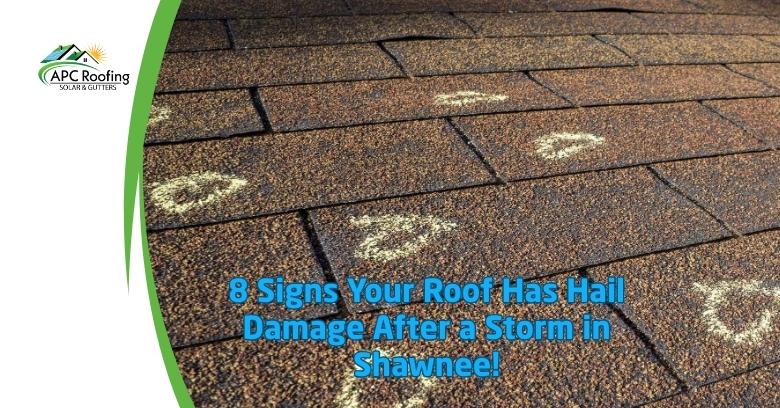
At the colder end of our territory, big hail visits many neighborhoods, so shingle lines that stand up to it are common. A strike scatters the grit from a small round area, while a heavier blow may bruise right through to the mat.
Manufacturers earn an impact rating by dropping steel balls onto test panels, and a tougher product shows less damage afterward. Plenty of makers use a polymer-modified coating, and the extra give absorbs part of each blow.
Gusty Days: Bare Patches of Sheet
Force builds most at the eaves, the rakes and each corner, and a shingle whose seal has let go starts to flap. A tab bent far back keeps a mark along the fold, and the damage leaves it permanently weakened. A shingle in that condition gets replaced, but a piece that simply came unstuck can be glued down by hand.
Blown-off tabs leave the underlayment uncovered, and ultraviolet rays wear it down fast.
Streaks and Moss – Copper and Zinc
The inky bands seen on so many houses come from algae, which feeds on crushed limestone mixed into the product. Growth spreads quickest on shady faces at the humid end of our territory, but the streaking by itself is largely about looks.
Moss is a different matter, since it holds water against the surface, and as clumps thicken they wedge the tabs upward. A jet under high pressure scours the protective stone off, while a soft rinse with a roof-safe cleaner does the job without damage. Shingles sold as algae-resistant carry copper in their top layer, while a strip of zinc at the ridge helps keep the stains from returning.
Shade and Color: Looks and Lots
Deep tones take in more solar warmth and reach higher surface temperatures, while pale ones stay cooler. Some product lines use specially coated granules that turn back more radiation, and a tested reflectance figure goes with them.
Shingles from separate production runs may not match exactly, so maker directions say to draw from more than one bundle at a time. Blends that combine many colors mask small mismatches, while a solid, even finish reveals them more readily.
Standing on a Slope – Weighing the Risk
Midday sun softens the surface noticeably, so a shoe sole scrapes away grit. At the colder end of our territory, cold tabs grow brittle and crack when stepped on, while frost at dawn makes the footing treacherous.
Staying down below is wiser for a homeowner, since binoculars reveal nearly everything worth seeing.
Laying Over the Old Covering – Weight and Nails
Building rules in many places allow a new roof on top of an existing one, but not where two are already stacked or the wood is damp and decayed. Nothing about a layover uncovers the decking, so any weakened patch gets buried under the added courses.
Every ripple below telegraphs to the surface, while aging flashing frequently stays put. Two layers put more pounds on the rafters than they were planned to hold, and every nail must travel through the old material before it grips.
Early Warnings: A Short List
- Coarse granules wash onto the splash blocks, and more arrives after every heavy rain.
- A few tabs sit raised above their neighbors, which tells you the glue line failed.
- The lower margins cup into a shallow dish, since age and heat have stiffened the material.
- Tabs show fine breaks from edge to edge, and the mat underneath takes on water.
- Dark, smooth patches appear on the surface, and the asphalt now bakes in the sun.
- A rubber collar around a vent pipe has split, so water works its way indoors.
- The metal where a slope meets siding sits bent or pulled back, so every storm can find a weak point.
- A brown ring shows on a ceiling, though the entry is often some distance off.
APC Roofing and 3-Tab Shingle Roofing in Republic Missouri: What to Expect
An inspection begins with a walk across each slope, taking in the valleys, the vents, the flashings and the edges. From inside, the attic is searched for water stains and pinholes of light, because darkened wood marks where water got in.
Any problem is photographed, and damage is measured where size matters. A plain written account follows, and each recommendation carries its reasons. A modest problem is presented as modest, and a tired covering is spoken of honestly. The homeowner decides what comes next, be it a repair, a replacement or no work yet.
3-Tab Shingle Roofing for Homes in Republic Missouri – Help From People Who Know the Details
Call us at 913-398-5020 to have someone come out.
Mending or Starting Over – Matching Old and New
Trouble at a boot, a flashing or a few scattered tabs is normally dealt with by a repair, and the sound shingles nearby stay in service. Even the same color from the same maker looks different once the old shingles have weathered, and the tone that went on years ago may be out of production.
Stiff, dried-out shingles split when raised for nailing, so a small job can spread to the pieces next to it. When curling edges and bald spots cover most slopes, repairs no longer hold for long.
Useful Lifetime – Estimates, Not Promises
Three-tab work generally holds up for fifteen to twenty years, while dimensional ones often manage a decade more. Attic airflow, sun exposure and the quality of the nailing move that figure, while one bad storm can end the run early.
Seals around pipes and walls benefit from a periodic check, as prompt fixes keep water out of the wood.
If you are thinking about 3-Tab Shingle Roofing in Republic Missouri, call APC Roofing at 913-398-5020. Each slope is walked and every detail checked, and you get the findings in writing and choose.
Verified

Verified
Verified
Verified