Hoping to find Commercial Roofing in Palm Coast Florida?
APC Roofing builds and mends the wide, low coverings above places of work, down to the drains, edge trim and equipment curbs.
Call us at 386-356-2111 and a roofer will go up top and check every part.
Business Property: Setting the Scene
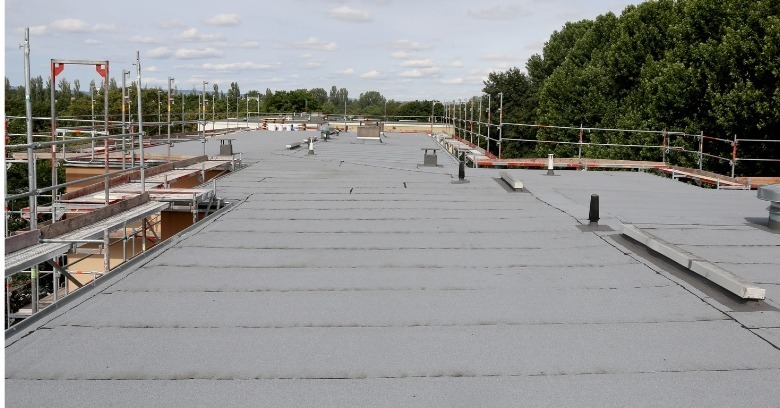
Workers, merchandise and equipment depend on a sound covering, so a drip can shut down a shift instead of staining a tile. Across a large building, the upper surface is broad and barely sloped, so outlet sizes and wind design come from engineering figures.
Mechanical units, vents and satellite dishes share the space overhead, and each duct, line or support passes through the waterproofing. The activity indoors steers the selection of materials, so a refrigerated plant is specified unlike a clinic.
Membrane Families: a Short Guide
A single-ply job uses one layer of TPO, PVC or EPDM, modified bitumen is asphalt blended with polymer and rolled out, and built-up roofing mops hot tar between plies of felt. The laps on a thermoplastic sheet are fused by a welding machine, but rubber gets primer and tape at every splice.
Cooking vents on a restaurant leave fat beside the fans, and oily residue softens asphalt and EPDM, so PVC usually covers the affected stretch. A stone-covered built-up system is weighty and tough, and the surfacing blocks sun that would dry out the bitumen.
Panel Roofs on Low Buildings: Upkeep Notes
On an exposed-fastener system, screws pass straight through the face of each sheet, and each shank is set into a purlin or joist. The sealing washers age and harden on a hot, sunny surface, and thermal movement works the fasteners loose over time.
On standing seam, concealed clips hold each rib to the deck, and the pans slide freely along the length. Corrosion sets in at side laps and sawn ends, and an elastomeric coating over sound metal can keep the damage in check.
Decking on Big Buildings: Grip and Strength
Attachment methods are limited by what the original builders put in, and the framing normally stays through every reroof. Formed steel grips a screw well, concrete wants adhesive or expansion anchors, and wood planking takes ring-shank nails or plates.
Water held against a metal deck for years can thin the sheet, and a weakened section is taken out and replaced before new layers go down. The underside can be viewed from below where no ceiling blocks the view, and a few test openings from the surface fill in the gaps.
Anchoring the Membrane: Matching the Choice to the Site
Mechanically fastened sheets carry rows of plates and screws in the laps, adhered work is stuck down across the full surface, and ballasted sheets stay put under a blanket of stone. Height, exposure and the deck below guide the selection, and extra weight is used only where the structure can bear the load.
Gusts make a screwed membrane ripple between the fastener lines, whereas glue keeps a sheet calm only over a dry, clean base. Ballast makes any inspection slow, since the stone or pavers must be carried off to reach the laps.
Gusts and the Membrane – a Matter of Engineering
Each corner feels the hardest pull, since air accelerates on rolling over the perimeter. The strip down each side carries a smaller share, and the middle of the field takes a small fraction.
More plates per square foot go in at corners and edges, and published wind tables fix the spacing for each height. A thinly anchored outer angle can peel back, and a blow-off can run well across the field.
Foam Insulation: Doing Double Duty
Polyisocyanurate panels cover the deck with offset joints, and a tough cover board over the stack takes foot traffic. Good insulation trims the demand on the HVAC system, and tapered stock tilts the finished surface toward the drains.
A saturated panel no longer holds back heat, and the added weight and dampness corrode metal decking. Infrared scans, capacitance meters and core cuts map the affected area, and nothing ruined is left under a new covering.
Where Runoff Exits: Clogs and Standing Water
A domed strainer sits over every interior sump, so debris stays out of the leader below. Once silt coats the grate, flow drops sharply, and a wide pool gathers in the surrounding field.
An overflow scupper sits a little higher than the main drain, and a stream from the upper spout shows the ordinary route has stopped. Standing water loads the frame with weight beyond the design, and a pool that outlasts a downpour by two days marks a low spot or a fouled strainer.
Tracing a Leak – Patience Pays
A stained ceiling tile marks only where the drops fell, but the fault on the surface can lie a long way off. The valleys in a steel deck steer seepage lengthwise, and joints between foam panels open more paths.
On the membrane, every lap, curb and outlet on the high side gets examined, and a low-voltage test can trace an elusive leak. Guesswork patches above the ceiling spot usually miss, and the next rain brings the trouble back.
Package Units Overhead – a Closer Look
Each large machine stands on a raised curb, and a flashing sleeve climbs the walls to a formed metal hood. Tight inside corners resist neat work, and a rushed job leaves gaps for rain.
When a heating contractor swaps a machine, an adapter curb often goes on unflashed, and stains appear below a few storms later. A condensate tube emptying onto the sheet keeps a patch constantly damp, and the fix is carrying the flow to a drain.
Penetrations Through the Field – the Small Stuff
A snug molded boot slides over each round stack, while oddly shaped items get a metal pan poured full of sealant. The compound shrinks and cracks as the years pass, and adding fresh material is ordinary maintenance.
Conduit and gas lines belong on free-standing supports, as a stand screwed into the deck punctures the waterproofing. A walkway-grade pad under each base spreads the load, and the cushion saves the sheet from abrasion as the piping moves.
Glazing and Access Points – How Leaks Begin
Plastic bubbles on older units go cloudy and brittle under sunlight, and the screwed-down rim is where cracks start. Water gets in through a hardened gasket or a loose frame joint, and the drip is often charged to the covering.
The hatch at the top of the ladder sees daily traffic on some buildings, and constant use loosens hinges and flattens the weatherstrip. Smoke vents release automatically when a fusible link melts, and no roofing work may block the mechanism.
Masonry Above the Roofline – Sealing the Junction
Base flashing carries the membrane up the inside face, a termination bar holds the top margin, and a strip of counterflashing overlaps from higher up. Coping along the crest keeps rain out of the core of the parapet, yet a gap between sections funnels runoff downward.
Unsealed brick draws water in and carries moisture indoors, so the stain that appears gets blamed on the membrane. Inspection extends past the sheet to the coping, the flashings and the wall, and open mortar joints are repointed instead of caulked.
Fascia Metal at the Outer Edge: What to Inspect
Along the eave, a long cleat grips the hemmed lip of the flange, and a cover strip of membrane is laid over the upper face. Gauge and profile are matched to the wind exposure at the building's height, and an underrated section can let go in a gale.
Commercial gutters catch far more runoff than a house ever sends, and the hangers, joints and leaders must be sized generously. Bent or lifted trim belongs on the repair list, because a firm refastening spares the sheet a blow-off.
Other Trades Overhead: Protecting the Sheet
Mechanics who tend the condensers make the same trip many times a year, and a path gets a little more scuffed each season. Screws left lying about are pushed into the membrane by work boots, and a cabinet panel leaned on a corner cuts a slit.
Walkway pads outline a lane from the hatch to each unit, and the abuse lands on something made to take the wear. A note at the ladder can ask every trade to stay on the protected strips, and screws and scraps can be bagged and taken down.
Maintenance Visits – Staying Ahead of Leaks
A commercial system benefits from a walk-through twice annually, plus a further check after a storm with high wind. Upkeep includes emptying every strainer, seam edges are tested with a probe, and brittle sealant gets marked for replacement.
Preparing for the stormy months means close scrutiny of outlets and perimeter metal, and a second pass seeks out what heat or heavy rain disturbed. Little defects go into a log, each tied to a spot on the plan, and repairs can be grouped and timed sensibly.
Keeping Track of a System – Notes That Help
A sketch of the whole area places each unit, drain and hatch, and a layer-by-layer description runs from the deck upward. Photos with dates accompany every repair entry, and new moisture findings are added over the years.
Plenty of older buildings arrive with no history at all, and every crew works out the layers again. A roof log stays with the site, so a future manager or purchaser inherits a copy.
Mend, Coat or Start Over: The Main Signals
Isolated defects on an otherwise healthy membrane call for patches, while a tired but dry surface can carry a silicone or acrylic layer. Waterlogged insulation across large areas points toward a new covering, and so do seams that have turned brittle everywhere, but the calendar alone is no verdict.
Pressure washing and repairs have to precede the coating, because trapped moisture beneath gets locked in. Swapping only the ruined sections is sometimes a sensible middle course, as long as the remaining membrane has plenty of service ahead.
The Reroofing Decision: What Codes Allow
In a recover, a fresh membrane goes directly over the old surface, and a thin board keeps the surfaces apart. Code permits a second covering, never a third, provided the insulation beneath is dry.
A complete strip-off clears away every layer, so rusted or soft decking gets fixed in the open. A new tapered layout can shed standing water, and saddles between drains steer water sideways.
Clues Around the Building – Before Leaks Spread
- Splashing from the upper overflow opening, which suggests a plugged strainer.
- A damp patch over a desk or shelf that returns, which confirms a path through the assembly.
- Peeling paint high on the exterior wall, which can come from open joints up top.
- Edge metal visibly bent or lifted from the ground, which can give wind a place to pry.
- Ponding visible from a higher window days after rain, which hints at a low area in the structure or a slow drain.
- A skylight bubble with hairline fractures, which can shatter under a person's weight.
- Water trickling down an interior column in a storm, which tells of moisture moving along the flutes.
- Downspouts that gush at the joints, which can mean a clog or an undersized run.
How APC Roofing Approaches Commercial Roofing in Palm Coast Florida: What Happens and When
The first thing we examine is each drain, scupper and overflow, and after the outlets we move to the laps, curbs and edge metal. When a leak is present, the boards beneath are scanned, since the condition underneath shapes the advice.
Each visit ends with a written account, a plan sketch and photographs, and each problem is labeled with a location. Each proposal names a choice: repair, restore or replace, and each reason is spelled out for the owner.
Commercial Roofing Across Palm Coast Florida: What Needs Doing Up Top
Phone 386-356-2111 and we will fix a time to see the building.
Working Above Occupants: Noise, Odor and Debris
Every screw driven into steel decking is heard indoors, and adhesive vapors may be pulled in by the air handlers. Noisy tasks are scheduled with the manager's input, and vents near the work can be shut while the cement cures.
Old membrane and foam are lowered by hoist or dropped through a covered chute, and stock under the open area can be covered over. Low-odor adhesives cut down the smell considerably, so gentle formulas are often specified above working space.
Sequencing a Big Replacement – Protecting the Interior
Crews remove only as much old covering as can be made watertight by evening, and new insulation and membrane go onto the opened area in the same pass. A holding seal ties the completed edge to the untouched field each night, and the stopgap is lifted at the restart.
The forecast sets how much covering comes off, so an approaching storm means a smaller opening. Bare foam hit by a downpour absorbs a great deal of water, and leaks can then reach stock and staff below.
Regional Conditions: How Specifications Adapt
The colder end of our territory adds hail and snow load to the list, so impact-resistant cover boards and a framing check make sense. Sunlight and heat wear down a membrane in all of our markets, so a bright, reflective finish reduces solar gain.
Hurricane wind at the coastal end demands tighter anchoring, and torrential rain makes backup outlets essential. Low temperatures slow or stop many adhesives from curing, while hot-air welding copes with cool days but not with showers.
Keeping People Safe Overhead: Rules on the Job
Short parapets and bare perimeters leave nothing between a worker and the ground, so a warning line keeps crews back from the edge. Skylight lenses cannot take a body falling onto the plastic, and fixed screens rule out a plunge into the space below.
Anchor points installed for good serve every trade that follows, and a self-closing safety gate beside the hatch adds a barrier. Our findings mention any guard that is lacking, because a drop from a single floor can badly hurt someone.
When Commercial Roofing in Palm Coast Florida is on your list, contact APC Roofing at 386-356-2111. A roofer will walk the membrane, the drains and the perimeter, and you receive the findings in writing and decide from there.
Verified

Verified
Verified
Verified