Considering Architectural Shingle Roofing in Overland Park Kansas?
APC Roofing mends torn, curled and lifted pieces and lays complete new coverings, from a small cottage to a large two-story house.
Dial 913-398-5020 and you will hear in plain terms what is needed.
Inside the Product – Factory Details
Each shingle is built on a fiberglass mat for strength, while an asphalt coating keeps water out, and a dense layer of crushed rock granules takes the glare.
Products that seem alike from the driveway can vary a good deal underneath, and weight per square often tracks with durability. A display board reveals the shade and little else, but a specification sheet names the ratings.
Flat or Dimensional – Weight and Wind
Each three-tab unit is a lone layer slotted in two places near the bottom, and a slope covered this way shows even, repeating rows. An architectural shingle has an irregular top ply fused to a whole base, and the offset design reads as depth from the street.
The double-ply build adds material and weight, and the rated wind resistance usually rises too. On a two-layer shingle, fasteners belong in the band where both plies overlap, and a printed guide shows the right position.
A Place for the Plain Option – Practical Niches
Three-tab regularly serves a workshop, a garage or a porch, while a repair on an older house of that type stays uniform. Several makers now offer that style in fewer colors than before, so an exact replacement can be hard to find.
An architectural surface conceals small humps in an aging deck, while single-ply rows show every ripple. Either style goes over the same underlayment and flashings, while the shingle alone sets the two apart.
Mineral Grit and Aging – Normal or Worrying
A freshly laid covering releases surplus grains during its opening months, and nothing about it signals a defect. Heavy grit at the downspouts of an older covering means the protective coat is thinning, and exposed asphalt turns brittle and splits.
The sunniest exposures are the southern and western sides, and dull patches gather there.
Sealant Lines: Limits in Cold Months
A narrow glue stripe runs across every shingle, and on a hot day it softens and grips the row laid over it. Adhered courses keep their bottom edges down in a gust, and nailing still carries the load year after year.
On a chilly job at the colder end of our territory, sealant may sit inactive until spring, so a windy day can fold back tabs that have not taken hold. The manufacturer's sheet calls for hand-applied cement, and each bundle label marks the right locations.
How Courses Are Attached: Tools and Technique
Roofing nails go into a narrow band marked by the manufacturer, and from there the shank reaches the top of the underlying row too. The basic schedule calls for four fasteners on each shingle, and high-wind or steep work moves the number to six.
A misplaced high nail leaves the lower course loose, an overdriven head slices the fiberglass, and a crooked shank makes a bump that wears through the shingle above it. Published wind ratings assume the manufacturer's pattern was followed exactly, and a pneumatic tool set wrong makes the same mistake again and again.
The Wood Below: Types and Condition
Plywood or OSB panels form the deck under a shingle roof, since fasteners must bite into something continuous. Older houses sometimes keep the gapped boards once used under shakes, so a layer of sheathing comes before shingles.
Sections that are soft, delaminated or rotted get cut out and replaced during a tear-off, because fasteners in decayed stock work free. Adjacent sheets are spaced slightly apart at their edges, because wood swells in humid weather and buckles without room to move.
Old Paper, New Fabric – What It Does
Building rules in most places require a water-resistant membrane over the deck, and it goes down in horizontal runs that lap downhill. Felt paper has mostly given way to synthetic underlayment, as the modern fabric is tougher and does not ripple after rain.
Moisture that sneaks beneath a shingle is carried off by the membrane, though sunlight breaks it down if it stays exposed too long.
Guarding Against Ice Dams – Around Every Shank
At the colder end of our territory, snow over heated rooms melts even on a sub-zero day, and meltwater goes solid again where the roof extends past the wall. Water pooling behind that buildup can back up under the shingles, and standard felt or synthetic sheet does not close around the nails.
A rubberized self-adhering membrane is laid along the eave where ice dams form, and it continues until it passes the wall line inside the house. Across every part of our service area, valleys and skylight curbs frequently get it too, as water collects and lingers there.
Perimeter Flashing – A Code Item
A bent metal drip edge runs along the eaves and up the rakes, and a flange throws runoff away from the fascia. The lower flashing sits under the underlayment, but on the gable sides the order reverses.
A modern code commonly calls for edge metal along every border, as water tends to wrap under an unprotected rim.
Beginning at the Gutter: Installation Order
The first exposed course rests on a dedicated starter strip, and it places sealant right at the drip line. Flipping an ordinary piece around keeps the adhesive away from where it is needed, and nails alone then keep the lowest tabs from lifting.
A starter run along each rake is common practice under current instructions, because wind catches the outer margins along with the eaves.
Inside Corners: Debris and Flow
In an open design, a formed metal liner carries water down the valley, and the closed-cut approach laps one side across and trims the other straight. A woven junction interlaces rows from both planes, which works with three-tab, while makers generally advise against it for architectural shingles.
No nails are driven near the middle of the crease, and an adhered membrane lies underneath the whole length. Needles and grit gathered in a valley act like a dam, so water starts finding a path under the sides.
Masonry Connections – Frequent Leak Points
A separate step flashing is tucked under each course where the covering meets a wall, and siding or counterflashing laps down over its upright leg. At the low corner by the house, a kickout piece bends outward, and without one rain runs inside and rots the sheathing.
A chimney gets an apron across its front, steps along its sides and counterflashing let into the mortar joints, and a broad stack calls for a saddle upslope.
Plumbing Protrusions: Timing a Swap
Standard boots join a flat metal or plastic plate to a rubber sleeve, and sunlight gradually hardens that seal until it splits. The top portion of the flange goes under the uphill shingles, so runoff flows across the downhill side instead of under it.
Rubber collars commonly split long before the field gives out, and a tear-off is the natural time to change every boot.
Along the Peak – Final Courses
Cap shingles close the ridge and each hip, and architectural work uses a factory-made accessory. Tabs cut from single-layer shingles make a thinner substitute, and on frigid days at the colder end of our territory the crease may crack.
The caps often conceal a vent along the peak, so longer fasteners go through it to anchor in the decking.
Attic Airflow – Heat and Moisture
Fresh air is meant to enter low through soffit vents, and the ridge releases it. Loose-fill insulation piled into the corners can smother the flow, and baffles stapled between rafters maintain a clear lane.
Without airflow, an attic bakes the boards from below, and it traps humidity that drifts up from the living space. On frigid nights at the colder end of our territory, condensation freezes on the nail tips, and the thaw sends droplets onto the ceiling. A powered fan or gable vents alongside a ridge vent can scramble the pattern, because suction then draws from the nearest opening instead of the soffits.
Regional Demands – Storms and Algae
Our service area stretches from high plains to subtropical towns, so a shingle ages in its own way depending on the setting. At the coastal end of our territory, the large storm systems blow for hours, and product sheets set out an enhanced nailing method. Long seasons of strong sun dry out the oils in the coating, while streaks spread faster where the air stays sticky.
At the colder end of our territory, ice forming in hairline cracks forces them apart, and heavy snow adds weight on top of that.
Stones Out of a Thunderhead: Surface and Below
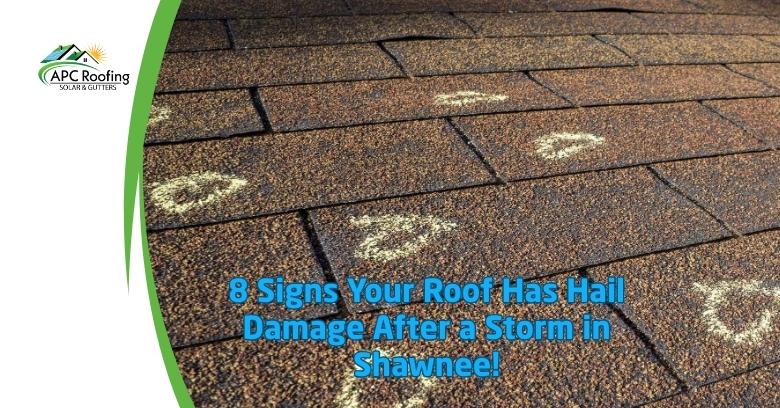
At the colder end of our territory, big hail visits many neighborhoods, and manufacturers offer lines built to resist it. Where a stone lands, the granules break away in a round mark, while a sharp jolt can split the mat itself.
Laboratories rate impact resistance by dropping steel balls from set heights, and a higher grade means passing a tougher trial. Modified asphalt with added rubber is used by several makers, so the surface gives a little under a strike.
Gusty Days – Replace or Reseal
Force builds most at the eaves, the rakes and each corner, so a piece with a failed bond begins to lift and drop. A tab folded back far enough creases along its width, and the mat never regains its strength along that line. A shingle hurt like that is replaced with a new one, but a piece that simply came unstuck can be glued down by hand.
A missing tab leaves bare underlayment facing the sky, and ultraviolet rays wear it down fast.
Roof Growth: Shade and Damp
Blackish discoloration in long vertical bands is algae, and it thrives on the limestone mixed into the asphalt. Shady, slow-drying planes at the humid end of our territory tend to go dark soonest, and the stain itself is mostly a cosmetic problem.
Moss matters more, since it keeps the courses damp, and it works under the edges and raises them. High-pressure spraying rips the grit away with the growth, so a mild product rinsed on softly is the better choice. Many makers offer algae-resistant lines with copper in the coating, and a zinc strip near the crest slows the streaks' return.
What the Color Changes: Beyond Looks
A dark covering gains more warmth from sunshine, while light ones reflect much of the light skyward. Some product lines use specially coated granules that turn back more radiation, and a reflectance rating appears on the data sheet.
Material made on separate days is rarely a perfect match, so shingles from several bundles are mixed as the courses go on. A multi-tone blend disguises minor variations well, while a solid, even finish reveals them more readily.
Standing on a Slope: Knowing When to Stay Down
Strong sunshine warms the bitumen until it goes pliable, and each tread can leave a mark. At the colder end of our territory, cold tabs grow brittle and crack when stepped on, and a skin of frost leaves the pitch slick.
A homeowner is far safer staying on the ground, since a zoom lens on a phone catches a lot.
Re-Covering Without a Tear-Off – Weight and Nails
Many jurisdictions let a new roof go directly onto an earlier roof, but not where two are already stacked or the wood is damp and decayed. A layover keeps the worn shingles sitting on top, so any weakened patch gets buried under the added courses.
Humps and hollows in the courses below show through, and flashing past its prime is usually kept. A second covering adds weight to rafters that were sized for one, while the fasteners need more length to bite into the boards.
Early Warnings: A Short List
- Granules pile up in the gutters, and the amount keeps growing year after year.
- Gaps appear where pieces have blown off, so the adhesive strip has given way.
- Corners turn up like an old leaf, as years of sun shrink the top.
- Splits open across the middle of a tab, and rain then finds a path to the mat.
- Bald areas look black and shiny, and the asphalt now bakes in the sun.
- The seal around a plumbing stack has cracked, so water works its way indoors.
- Metal along a wall has pulled loose, which lets wind-driven rain in behind it.
- A damp patch shows up on the ceiling after heavy rain, though the entry is often some distance off.
How APC Roofing Takes On Architectural Shingle Roofing in Overland Park Kansas – Plain Talk, Clear Photos
Every slope is walked first during an inspection, taking in the valleys, the vents, the flashings and the edges. Inside the house, the attic is searched for stains and daylight, because darkened wood marks where water got in.
Trouble of any kind is photographed, with measurements taken of the extent. A plain written account follows, and each suggestion is explained. A modest problem is presented as modest, while a spent covering is named for what it is. The final say rests with the owner, whether that means a repair, a replacement or waiting.
Architectural Shingle Roofing for Homes in Overland Park Kansas – Inspected, Photographed and Explained
Call 913-398-5020 to arrange a visit.
Keep or Tear Off: Brittle Material
A failed vent collar, a lifted flashing or several damaged tabs calls for ordinary repair, while the surrounding shingles are left alone. Fresh shingles stand out against faded neighbors at first, and the tone that went on years ago may be out of production.
Stiff, dried-out shingles split when raised for nailing, so the disturbed zone keeps widening. Once wear like that reaches across the covering, repairs no longer hold for long.
Time on the House: Extending the Span
Flat three-tab designs usually run fifteen to twenty years, while laminated lines often reach close to thirty. Heat, ventilation and fastening all push the number up or down, while one bad storm can end the run early.
Checking the flashings and pipe seals now and then is sensible upkeep, because minor gaps closed promptly spare the sheathing.
For a roofer's view of Architectural Shingle Roofing in Overland Park Kansas, call APC Roofing at 913-398-5020. Every slope, edge and flashing gets a close look, and the written findings let you decide.
Verified

Verified