Metal Roofing

Thinking About Metal Roof Repair Throughout Orlando Florida?

APC Roofing installs panel coverings and mends worn sheet, for houses as well as workshops and barns.

Call 407-270-1129 and someone who knows the trade will come out to take a look.


Naming a System – A Glance Up

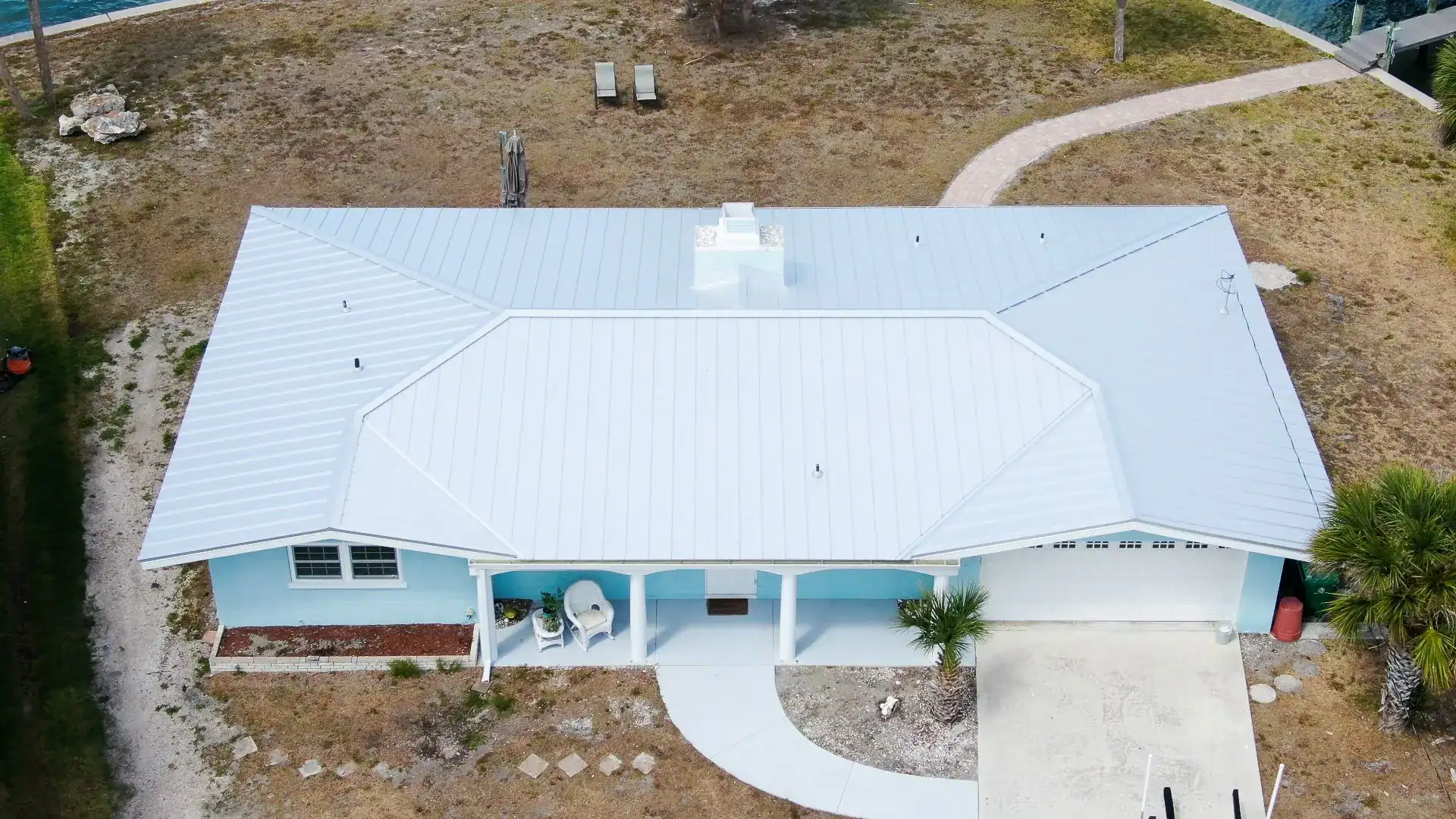
Corrugated and ribbed sheet is held down by screws driven straight through the metal, while standing seam is attached with clips tucked inside raised joints. Steel with a protective coating covers most houses that have metal, and aluminum and copper are less frequent choices.

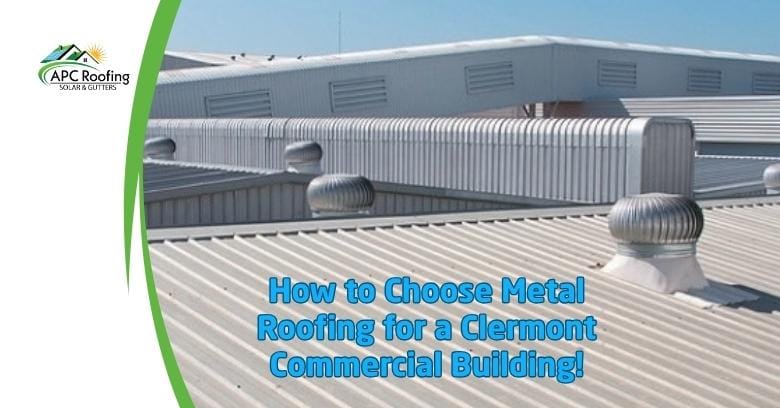
Seen from a sidewalk, dotted lines of screws signal an exposed-fastener system, and smooth pans between tall ribs with nothing poking through are standing seam. Barns, workshops and porches often wear corrugated or ribbed sheet, though a house can suit either.

Rolled Shapes – Span and Style

Corrugated material makes a run of soft, even undulations, and a ribbed panel has trapezoid ribs separated by broad pans. Neighboring sheets overlap at a side edge by a single crest, and a printed fastening schedule sets where screws land.

With deep ribs, a ribbed panel bridges wider spacing, while corrugated fits a period barn or a farmhouse style. High ribs carry a heavy downpour across an extended slope, while a low pattern handles short runs like a porch or lean-to.

Fasteners in the Open – Why Installation Matters

A screw pulls the metal tight against a purlin or the deck, and a gasketed washer under each head does the sealing. Ultraviolet light slowly bakes neoprene brittle, and the panels can go on for decades more.

Driving a screw past snug crushes a washer and dimples the metal, and a fastener stopped short or angled leaves a gap for rain.

Swapping Out Hardware: Scope and Limits

Washers dotted across a ribbed field grow old together, and a whole-roof re-screw is routine over the years. Each original fastener is taken out, and a screw one size larger takes each place so threads grip solid material.

Re-screwing with new washers fixes leaks at screw heads and snugs down sheets that flutter, but corrosion, parted laps and bad flashing are left as found. Screw length and thread are chosen for what sits below, wood or a steel purlin, and color-matched tops blend in with a painted finish.

Thermal Movement – Built to Allow Travel

Steel swells with heat and draws back as temperatures fall, and a forty-foot run can shift a quarter inch or more, and aluminum reaches about double. Metal held too rigidly wears fastener holes into slots, and water gets past a washer.

Snapping sounds at sunrise come from panels shifting against clips, and a careful installation suffers no damage.

Holding Down a Seamed Covering – Out of Sight

One short stretch of every long pan is pinned tight, while clips on every other section permit movement. At an unanchored end, trim is bent with clearance, and a pan held rigid throughout tears loose or buckles.

A pan is positioned and clips are screwed to the deck beside a long edge, and an adjacent pan then covers every anchor point.

How Seams Close – Suited to Pitch

One kind of rib clicks shut under a firm push, while other designs are crimped over by a machine. A double-lock grips harder against wind-driven rain, and approvals extend to flatter roofs.

Manufacturers offer a range of pan widths and rib heights, and building shape and personal taste steer a buyer. Parts made for one system rarely suit a rival brand, so parts are not mixed between makers.

Heavier and Lighter Stock – Worth Confirming

Panel thickness in steel is stated in gauge, and a smaller number means a thicker sheet. Farm structures often use twenty-nine, while twenty-six and twenty-four are typical choices for houses.

Aluminum uses decimal figures rather than gauge, and more material means fewer marks and less waviness. Standing in a yard, nobody can judge weight by eye, so printed product data gives a firm answer.

Corrosion Defense: Choosing a Finish

Coil stock is dipped in molten zinc or an aluminum-zinc alloy, and a primer and a colored enamel are baked over the metal. Damage no deeper than paint is cosmetic, while a sheared edge or a deep gouge lets rust begin.

Fluoropolymer finishes remain true to color for many years, but silicone-modified polyester goes dull and powdery earlier. Lime in fresh concrete eats into an aluminum-zinc layer, and a barrier belongs wherever panels meet new stonework.

Which Metal Suits: Near the Water

Aluminum has less mass than steel and cannot turn red with rust, though a thicker grade is needed to resist dents. Close to salt water, at the coastal end of our range, metallic coatings break down faster, and manufacturers set limits on how near a shoreline a product may go.

Copper usually goes on small accent roofs over bays and entries, and the metal is left bare to weather.

Metals That React: Treated Lumber and Wrong Screws

Runoff from copper eats through coated steel downhill, and discoloration arrives well before a panel gives way. Chemicals in treated lumber pit any aluminum resting on top, and an ordinary screw of an unsuited alloy fails as well.

A new piece of flashing belongs in a metal that matches existing work, or a separator tape sits wherever unlike metals meet.

An Appearance Question: Choices That Help

Oil canning is a gentle waviness across the flat of a standing seam pan, and a midday sun hides what a low evening sun reveals. A panel that looks uneven sheds rain as well as a perfect sheet, and the roof ages no faster.

Narrow pans, heavier stock and striated flats hold waves back, and a deck without humps or dips matters too. Photographs of finished houses show how noticeable oil canning can be, and you decide what to order.

Comfort Below – Sound and Temperature

A racket many recall comes from sheet over open framing, since one thin layer is all that stands between sky and interior. A home has sheathing, a membrane and an insulated ceiling under steel panels, and occupants notice only a slight change from shingles.

A light-colored panel sheds much of the sun's warmth, and the attic takes in far less. Dark finishes on metal get as hot as black shingles, and airflow and insulation lower down count just as much. After sunset, metal sheds stored warmth quickly, so evenings indoors feel better sooner.

Retention Hardware: Position Matters

In the snowier part of our service area, a metal roof sheds snow fast, and a slab arriving all at once can injure someone or rip a gutter off. Stops attached to the metal let a load leave slowly, and typical spots are above doors, walks, decks and gas meters.

Standing seam takes clamp-on brackets that grip each rib without piercing the metal, while exposed-fastener sheet takes mounts screwed into framing, and in milder markets roofs do without.

What Ice Does: What a Hit Can Open

At the colder end of our territory, hail is a regular event, and stouter panels with striations hold shape better. Where a blow splits paint, bare metal can corrode, while a seam or trim edge pushed out of line may open.

Once a storm has moved on, affected spots get photographed and measured, and each dent and damaged panel is located.

Staying Put in a Blow: Layout Matters

Perimeter bands of a roof take a heavier pull than a central field, and a loose flange gives moving air a handle. Trim along every outer line is hemmed and hooked onto a continuous cleat, and no gap is left to work into.

Fasteners go in closer together near corners and a roof's rim, according to a published schedule for how sheltered a site is. Where hurricanes reach, at the coastal end of our territory, the number of fasteners goes up again, and only systems with a high wind rating qualify.

Openings in a Covering: Keeping Water Out

A plumbing pipe gets a flexible boot with a base that bends to a panel profile, and a level stretch, not a peak, is chosen for a hole. A skylight, chimney or larger unit sits on a raised curb with a cricket uphill, and water from higher up is divided and sent past.

A bead of sealant supports a properly formed detail rather than working alone, because a compound shrinks and pulls away with time.

Where Slopes Meet: Made to Shed

Each valley gets a separate pan in advance of the panels, and panels are sheared to a matching slant. Ends are hemmed and held by cleats, and fasteners stay clear of wherever rain concentrates.

On a run too long for one sheet, an endlap joins pieces with sealant between, and screws go through both thicknesses at close spacing.

Additions and Wings – When a Membrane Wins

Most ribbed sheet is specified for about three in twelve or steeper, and at anything less, rain creeps sideways across laps toward screws. A mechanically locked seam can be installed far lower, and a few products go almost to flat.

Porches, additions and back rooms often carry a barely tilted section, and pitch is measured rather than judged by eye, and anything under a panel's limit is finished in a membrane.

Under Everything – Purlins on Outbuildings

On a house, the panels go over solid sheathing, and a high-temperature synthetic underlayment goes between, because old felt bakes and sticks under hot steel. Sheds and barns often fasten directly to purlins, and support distance dictates grade.

With an old roof gone, damaged sheathing is cut away and rebuilt, because screws in decay have nothing to grip.

A Recover Instead of a Strip: What Has to Be True

A single layer of shingles can usually remain under new metal, code permitting, and a yard is spared tear-off debris. New steel adds well under two pounds per square foot, so reinforcement is rarely needed. Battens on top of a synthetic membrane are laid across existing shingles, and clips or screws go down into solid structure.

A second layer already in place, soft decking or stains from past leaks mean a full tear-off, since trapped dampness under metal has no way to dry.

Finishing Pieces: Vented or Solid

Closure strips shaped to a panel profile plug hollows under every rib where a run starts and stops, and driving rain and wasps are blocked. A ridge cover can include a vent or be solid, depending on how an attic is ventilated.

Drip edge, rake trim and a gutter apron finish every outer line, and fascia boards are kept out of runoff.

Day of Installation: Where to Step

Standing seam panels are formed at full slope length, and no cross joint interrupts runoff. Big panels need a team so nothing buckles in transit, and a crimped or creased pan is no longer usable.

Feet go in a flat where something solid lies below, since a heel on a rib crushes a fold. Dew or rain makes coated steel as slick as glass, so owners do better keeping off the roof.

Warning Signs: Easy to Notice

  • Rust rings around screw heads, on a slope facing afternoon sun.
  • Screws no longer tight against metal, mid-panel.
  • A peeled drip edge, after a windstorm.
  • A boot pulled away from a pipe, by a bathroom fan.
  • Rust creeping from a trimmed end, in a valley.
  • Blotchy color, across one face of the house.
  • A drip that follows a row of screws, in an upstairs bedroom.
  • A lock pulled apart, beside a hip.

APC Roofing and Metal Roof Repair in Orlando Florida – Step by Step

Our starting point is pinning down which system is up there and how the panels are secured, and then every screw or clip, edge, opening, valley and lap is checked. Thickness, coating and hardware style go into notes, and the attic is searched for water marks.

What we find goes into a report with photographs, and a reason sits beside every recommendation. Where a reseal will do, a reseal is what we propose, while replacement comes up only when a roof is truly spent.

Metal Roof Repair for Orlando Florida Homes: Plain Findings

Call 407-270-1129 and someone will arrange to stop by.


Keeping the Roof – Knowing Limits

One badly damaged sheet can be swapped alone, though fresh color will not match weathered neighbors. A properly resealed lap closes a drip, while a re-screw takes care of hardened washers.

Rust through sheet after sheet calls for a new covering, and a covering the wind has twisted out of shape is in the same position. Somewhere in between, a single worn plane of the roof can be redone, as long as nothing else shows wear.

The Long View – Upkeep Matters

Properly installed panels regularly reach forty years, and an estimate varies from house to house. Standing seam, with no holes through a pan, gets by on less maintenance, whereas exposed-fastener sheet needs a re-screw partway through.

Mixed metals, raw cut edges and caulk doing the job of flashing all shorten a roof's service, and regular inspection turns up faults while minor. Leaves and twigs that collect against a curb or in a valley hold moisture against coated steel, so clearing debris away helps paint last.

For a roofer's view on Metal Roof Repair in Orlando Florida, reach APC Roofing at 407-270-1129. We will inspect all hardware, every edge and each penetration, and a written summary lays out what we saw so you can choose.

Frank Smith

Verified

★★★★★
Our experience with APC roofing began with an introduction and quote by Lucio. He came to our home, explained the process and immediately went on the roof to access the damage. As we began to inquire further about what to expect Lu got us in contact with Adrian. Now Adrian became an invaluable partner in very honestly and sincerely letting us know what APC could and couldn’t do to repair or replace our damaged roof. Hurricane Milton left us scrambling to come up with thousands to meet our deductible. Patiently and empathetically Adrian dispelled our apprehension about working with a contractor or being left incomplete and in need of legal help to resolve any disputes. He gave us his assurance that he would oversee the entire project. I have to admit that he kept his word. Even when we thought there would be a last minute hiccup with financing he put me in-touch with Lucy and she did not give up until we got the information and terms I wanted. This was a truly great team from start to…

Mike Price

Verified

★★★★★
Everything went smooth on schedule nice clean job would recommend to anyone Mike Price was a great guy to work with

Tom Lewis

Verified

★★★★★
This company does fantastic work from start to finish. I couldn’t be more pleased and will refer anyone I know to APC Roofing!
★★★★★
APC Roofing recently installed a beautiful new roof on our home. Our experience, from the first visit by Lance, the APC salesman through to the finished product, was absolutely great. Their crew arrived in the morning and prepared the site, covering everything around the house so no damage would be done. They finished the job by late afternoon. The crew was polite, worked quickly, and all surrounding areas were meticulously cleaned. From the salesmen, to the hard-working roofing crew, to the team in the office, I couldn't be more satisfied. My sincere thanks to you all.

Elsa Kate Nichols

Verified

★★★★★
They were very helpful in working through and explaining the insurance process beforehand. The crew arrived earlier in the day both days than promised and worked hard. The roof and details are beautiful and everyone, from the gentleman delivering the trash trailer to the roofers to the manager, treated our property with respect and care protecting plants and cleaning up nicely.