
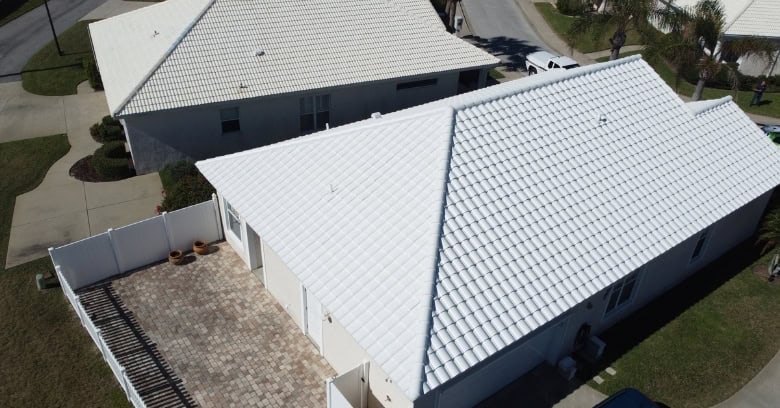
Trying to Find Residential Roofing in Mineola Florida?
APC Roofing takes on anything from a checkup to a full replacement, on shingle, metal and tile alike.
Dial 407-270-1129, and a roofer sets a time to come look at the house.
What a Roof Is Made Of: the Basics
The visible covering on top is only the outer layer, and underlayment, decking and rafters sit beneath the surface. Bent metal covers the gap at a chimney, a pipe or a valley, and a leak at that spot rarely points to failed shingles nearby.
The attic air beneath the deck counts as part of the roof assembly, as heat trapped under the boards shortens the life of the shingles above. A brown mark on a ceiling can originate at any level of the roof, so a repair aimed only at the surface can miss the real cause.
A Roof at Work: Quiet but Constant
The slope on the building sends runoff toward the gutters, and the fastening pattern resists wind uplift. What lies below carries the weight of everything on top, snow included at the colder end of our territory, and intake and exhaust let the attic breathe.
Water is a job for the covering, and wind is a task for the fastening, and what is underneath keeps the whole structure standing. A failure in one part puts pressure on neighboring parts, so the trail gets followed back before anything gets mended.
Minor Roof Components: A Shorter Story
The main covering is built for a long run, but the rubber boot at a drain stack wears through much earlier. Rain finds a way down past the weak point, and a mark spreads across the ceiling beneath.
A line of caulk at a chimney shrinks with every hot season, and aluminum flashing pits at the bends in salt air. Shingles bent into caps split at the seam, since the crest takes more weather than the planes below.
Different Stages, Different Details: Standing Back and Then Closer
Seen from the sidewalk, the shape of the roof shows dips, sags and wavy planes, and the fascia and gutter runs are visible at the same time. A zoom lens singles out torn collars, lifted tabs and bare patches, yet a few conditions still need a hand on the surface.
On the slope, a roofer works over every pipe connector and traces each flashing run, and the shingles are checked for brittleness and thin spots. Nobody walks a covering that is wet or too steep, and a ladder at the edge serves as the lookout instead.
Above the Ceiling: Clues From Below
A stained patch on the plywood shows water that got in before, and a wet surface under the hand means water is still getting in. A glow through the planking in daytime marks a hole, and a measurement from the peak locates the spot for the outside look.
Corroded fasteners poking through mean the attic air runs humid, and a darkened patch under the deck tells the same story. A soffit choked with insulation, or a bath fan venting into the attic space, is spotted only from inside, so a yard-only look passes over faults like that.
The Follow-Up Paperwork: a Plain Account
The visit produces photographs linked to particular spots on the roof, and a line of text says what each image shows. Good sections get the same plain treatment as sections that do not, and faults are ordered from most to least pressing.
A filed report from an earlier check-up serves as a reference going forward, and change over time is easier to judge than condition on a single day. A roof checked on a steady yearly cycle seldom surprises the owner, and a serious repair shows warning signs long before the work turns urgent.
Upkeep on a Shingle Roof: What Gets Done
Worn pipe gaskets get swapped out before failure, and brittle beads at the walls get cut out and run again. Anything the trees drop gets brushed out of the channels, and the gutter runs along the eaves get straightened.
A shingle corner resealed in good weather takes little effort, but delay through the wet months lets water get in from below. Moss holds shingle edges up and traps water against the courses, and a gentle wash clears the growth, since a pressure washer strips granules.
A Regular Routine: What to Expect
Somebody trained in the trade should go over the roof once a year, placed right after the toughest season for roofs in that market. The purpose is catching wear before a leak develops, and the homeowner learns roughly how much life the covering has left.
Between checks, a glance from the lawn after a storm is useful, and bedroom ceilings upstairs can be watched for fresh spots. A few minutes under the deck with a lamp each season pay off: damp wood, daylight and wet insulation are easy to see long before anything reaches the space below.
How Age Shows on a Roof: What Changes Over Time
Freshly laid, a shingle covering is flat and evenly toned, and past the midpoint the south-facing side lightens ahead of the others. Late in a roof's run, tabs cup and granules wash into the downspouts, and each fix soon fails again.
An impression formed from outside has real value, but only a hands-on check settles the matter. A covering that has reached the end of a normal service life raises a replacement question, and a good contractor gives that answer plainly, rather than selling another repair.
A Channel That Has Given Up: A Quick Look
A sloped roof delivers water only to the eave, and the gutter takes over from that point. Blocked outlets send overflow over the back lip of the channel, and the rafter tails nearby rot over seasons.
A weak patch there usually traces to a stopped-up drain, not the shingles, and reroofing alone will not solve a fault at that spot. Gutter pitch and downspout discharge get checked on a visit, and the flashing along the eave gets looked over for bent or missing pieces.
A Two-Way Exchange: What Homeowners Should Know
A balanced system draws air in low and releases air up high, and that path carries heat and moisture out of the attic. When that gets blocked, the attic overheats in summer and stays muggy through humid months, and the whole build's service life shortens.
Adding roof openings without matching intake draws air from the rooms beneath, and competing setups on one roof can leave the lower attic stagnant. Reroofing with poor airflow left alone carries the fault forward, so the fix belongs in the same job as the new covering.
Roofing That Fits Where You Live: How Choices Differ
Toward the colder end of our territory, frozen gutters and heavy snow set the priorities, so an adhered barrier goes under the lowest rows. Nearest the coast, uplift resistance governs the fastening choices, and reinforced edge metal and sealed seams get specified.
Where hail falls hard at the colder end of our territory, an impact-rated covering is worth considering, while sun and heat age coverings everywhere we work. Specifications follow the weather at the house, not habit or a standard default.
Family Homes and Business Buildings: Split by Structure Type
Angle and overlap work together to move water off a pitched covering, and shingle, tile and metal all serve that role. A store or warehouse shelters under a nearly flat, sealed membrane, and mechanical equipment and drains break through that surface.
Some houses have a gently sloped patch over a back room, and shingles there tend to leak because water lingers before running off. A spot built that way needs a sealed membrane tucked under the pitched roof above, and re-shingling that spot only repeats the trouble.
Protecting a Damaged Roof for Now: What Works and What Fails
A secured sheet keeps rain out while repairs get scheduled, but the broken parts stay broken all the same. A properly installed cover wraps the ridge and gets pinned under wood strips, and the cover gets tensioned before the flapping starts.
A cover needs a wide border around the hole, because rain slips in around a snug fit. A cover left up through a whole season holds heat against the surface, and the covering underneath ages faster than expected.
Doing the Vertical Joints Properly: an Explanation
Step flashing gets woven in with each course along a wall, and counterflashing tucked into the masonry covers that metal from above. Every chimney needs an apron at the front and metal carried up across each edge, and any stack wider than a small one calls for a cricket set into the slope uphill.
Roof cement spread across an opening hardens and pulls away, and only a correct rebuild ends things for good. Soft mortar lets water into the brick above the flashing, and a mason takes the stonework while a roofer takes the metal.
What a Proposal Should Say: Nothing Left Vague
The rundown for a job should list every product by name, and the document says whether the existing roof gets stripped to the deck. The account explains how rotten decking gets handled if any turns up, and the metal, the ventilation and the yard cleanup are each called out.
Thorough scopes from rival bidders can be checked point by point, and any gap between the two versions stands out. A crew that asks for trust instead of anything in hand has left out the part that matters, and memory is a poor record of what got agreed.
How a Re-Roof Unfolds: Start to Finish
Anything near the eaves that could get damaged gets protected ahead of time, and the old covering gets stripped into a trailer. Once exposed, the sheathing gets a careful look for rot and breaks, and weak areas get cut out and replaced with sound lumber.
Membrane at the eaves, underlayment across the field and new flashing all go down, and the surface material, the ridge caps and the vents close out the job. A magnetic sweep covers the yard and the drive at the end of the workday, and no debris gets left in the gutters.
Upkeep on Other Coverings: What Differs by Material
Where panels get fastened through the face, a gasket under the head keeps rain out, and a worn spot gets cured with a new screw rather than caulk. Across our markets, tile sets by mortar, by foam or by clips, based on the property, and the underlayment handles the water, not the surface material.
A heavy step on an unsupported piece causes a crack, and a spare of the same profile goes in where one fails. Where part of a roof runs nearly flat, ponding and split seams are the warning signs, and grit and leaves get cleared from the scuppers.
What Owners Tend to Notice: Caught Early
- Granules collecting in the gutters, long after the covering was installed.
- Curled or lifting edges on the courses, spread across more than one row.
- Torn rubber where a pipe exits the deck, easy to spot with binoculars.
- A brown patch on upstairs drywall, soft at the center.
- Light glowing between the planks, with the lamp switched off.
- Moss on a shaded slope, in spots that stay damp longest.
- A wave running across a plane, new since the previous year.
- Sealant pulling away at a wall, left behind by an earlier patch.
Residential Roofing Near Mineola Florida: APC Roofing, Step by Step
Before a scope gets drawn up, a roofer examines the whole covering and the attic, and the report shows up as photographs and a clear written account. Good sections get the same plain treatment as problem areas, and the choice of what to do next stays with the homeowner.
Residential Roofing Across Mineola Florida: a Close Look at the Roof
Dial 407-270-1129 and book a visit to the property.
An Archive for the Roof: Best Done Early
Keeping the install date and the product names is a good start, and every yearly report can go into the same file. Logging each repair by spot and by task builds a fuller picture, and given enough time the pattern becomes clear.
A buyer's home inspector almost always asks about the roof's history, and a folder of dated pages settles things quickly. A duplicate set, saved to a phone or a drive, is worth making, so nothing depends on one paper version alone.
Judging the Result: Quality You Can See
Rows sit true across each plane, with tidy trimming at the gable edges, and nails stay covered by the layer above. Metal against any wall or chimney rests flush and secure, and any sealant appears sparing and neat.
Intake and exhaust vents stay open and unblocked, and the gutter runs finish straight and fastened. The yard gets swept with a magnet before the crew leaves, and sawdust from a trimmed board is the most common leftover, easy to rinse from a walkway.
Anyone who arrived looking into Residential Roofing in Mineola Florida can get a straight answer without more digging. Getting in touch with APC Roofing at 407-270-1129 moves the scheduling forward. Every visit covers the roof and the attic together, with nothing left unclear.
Verified

Verified
Verified
Verified
Verified


















