Trying to Find Roofing Contractors in Lee's Summit Missouri?
APC Roofing takes care of a routine checkup right up to a complete replacement, whether the covering is shingle, metal or tile.
Call 913-398-5020, and a roofer arranges a visit to the house.
The Roof's Inner Build-Up: a Plain Guide
The shingles or panels on top form the outer layer, and a moisture barrier, sheathing and framing sit underneath. Metal flashing seals the seam at a wall, a pipe or a valley, and water there rarely traces back to worn shingles close by.
Airflow through the attic belongs to the roof system as much as any material, because trapped heat and damp age the deck and shingles above. Water showing indoors may come from any level of the structure, so patching only what the yard shows can fail to reach the real cause.
What a Roof Does for a House: More Than Meets the Eye
A pitched covering sends rain down toward the gutters, and the nailing keeps gusts from lifting the courses. The trusses and sheathing support the load above, snow included at the colder end of our territory, and intake and exhaust let the attic breathe.
Water is the covering's job, and wind is the fastening's task, while what is underneath holds the whole thing steady, out of sight. A weak link puts strain on the parts around the weak spot, and the real remedy sits back where the fault started.
The Minor Pieces of a Roof: Different Timelines
The main covering is built for a long run, but a neoprene sleeve at a pipe fails well ahead of that span. Moisture gets behind the covering and moves toward the room, and a stain appears on the ceiling below.
Caulk along a wall joint hardens and pulls away in the heat, and metal flashing rusts at bends and cut ends. Ridge caps split across the crease, since the peak catches more weather than the rest of the roof.
Steps Before Heading Up: Standing Back and Then Closer
From the driveway, the outline of the roof shows dips, sags and wavy planes, and the gutters and trim can be checked in the same glance. Through binoculars, torn collars, lifted tabs and bare patches come into focus, though some faults cannot be judged without climbing onto the roof.
Once on the roof, a roofer checks every connector closely and follows the flashing at each wall, and the surface is checked for cracking, granule shedding and curled edges. Wet shingles and sharp pitches rule out getting up there safely, and the eave, reached by ladder, provides the vantage point instead.
Behind the Ceiling: Evidence to Look For
A tide line on a rafter shows where rain has entered, and dampness under the fingers shows the entry is still active. A glow through the planking in daytime marks a hole, and the position gets noted by measurement before anyone climbs.
Rust on the nail shanks comes from moisture in the house, not rain, and a compressed, faded patch nearby points to the same cause. Insulation crammed against the eave, or an exhaust fan dumping into the attic, comes to light only from inside, so a yard-only look passes over faults like that.
The Follow-Up Paperwork: An Overview
The visit produces photographs linked to particular spots on the roof, and a caption states what each picture reveals. Good sections get the same plain treatment as sections that do not, and trouble spots are ranked from most to least urgent.
A saved report from an earlier stop gives the next check a baseline, and a trend across seasons is clearer than a single day's snapshot. Regular yearly checks keep an owner from being caught off guard, and a large job gets seen coming well ahead of time.
Maintenance Tasks: Small Jobs, Done Often
Vent collars get replaced before splitting, and brittle beads at the walls get cut out and run again. Pine straw and twigs get picked out of the valleys, and downspouts get flushed so water moves through.
A slipped shingle put back early is easy work, but delay through the wet months lets water get in from below. Lichen keeps the surface damp and works in under the shingles, and the growth gets killed with a treatment and swept off by hand.
How Often the Checkup Should Happen: a Homeowner's Part
A roofer's walk-through belongs on the calendar every year, set for just after the roughest local weather each season. The point is finding small faults before a leak forms, and nobody is left guessing about the roof's condition.
Between visits, an owner can look at the roof from the yard after rough weather, and top-floor rooms are worth checking for fresh stains. A flashlight trip into the attic twice a year pays off: dark spots, daylight and matted insulation turn up long before anything travels any further.
Reading a Roof's Age: From New to Worn
Brand-new shingles look dark and consistent across every slope, and past the midpoint the south-facing side lightens ahead of the others. Near the end, corners curl and granules gather in the gutters, and new leaks appear in different spots.
An impression formed from outside has real value, but the true condition shows only from up top. A covering that has reached the end of a normal service life raises a replacement question, and a trustworthy contractor gives a plain answer, rather than selling more mending.
The Trough Behind the Fascia: What Homeowners Should Know
A sloped roof delivers water only to the eave, and the gutter picks up the flow at the edge. A run choked with leaves sends overflow behind the trim board, and the rafter tails nearby rot over seasons.
A weak patch there usually traces to a stopped-up drain, not the shingles, and a fresh covering does nothing for a fault at the edge. How each gutter runs and where the water discharges get checked, and the metal at the drip edge gets looked over for gaps and poor overlap.
Why the Area Above Needs to Work Right: How the Design Works
Intake at the overhang and exhaust at the top keep air moving through the attic, and that movement removes heat and moisture from under the deck. Where the opening gets sealed off, the attic runs hot in summer and stays sticky through humid stretches, and the covering wears out early.
Exhaust hardware installed with no matching intake draws conditioned air up from the rooms below, and one high point pulling toward a nearby high point can choke flow at the soffits. Swapping the surface with the vents untouched repeats the same problem, so the fix belongs in the same job as the new covering.
What Gets Chosen and Why: What Shifts From Place to Place
At the colder end of our territory, ice at the eaves and the weight of snow shape the build, and a sticky underlayment protects the lowest courses. On the coastal side of our area, storm winds set the nail pattern, and impact-and-wind-rated shingles and sealed seams get chosen.
In towns at the colder end of our territory, where hailstones run large, a harder product makes sense, while heat takes a toll on roofs everywhere we work. What goes on a given roof depends on local conditions, not routine, and not whatever a past project called for.
Residential and Commercial Roofs: Split by Structure Type
Angle and overlap work together to move water off a pitched covering, and the surface is usually shingle, tile or metal. A commercial building usually has a nearly flat, sealed membrane, and internal drains and heating units share space on that roof.
Many houses have a gently rising porch or addition, and shingles there tend to leak because water lingers before running off. A low spot like that calls for a sealed sheet, tucked beneath the steeper roof above, and a second round of shingles there fails the same way.
Covering an Open Roof: a Short-Lived Patch
A barrier over a torn area keeps water out in the meantime, but the underlying trouble waits for a crew. A properly installed cover wraps the ridge and gets pinned under wood strips, and the material gets drawn tight enough to hold quiet in a gale.
A cover has to reach well past the damaged area, because rain slips in around a snug fit. Plastic left in place for months traps heat and moisture against the deck, and the covering underneath ages faster than expected.
Doing the Vertical Joints Properly: Getting the Work Right
Step flashing gets woven in with each course along a wall, and an overlapping strip above keeps runoff off that metal. A chimney gets an apron across the downhill face and metal tied in up each edge, and a wide stack gets a cricket built into the slope nearby.
Tar smeared over a gap gives way as the metal moves, and a proper tie-in, rebuilt from scratch, is what holds. Soft mortar lets water into the brick above the flashing, and a mason takes the stonework while a roofer takes the metal.
Getting the Scope in Writing: Comparing Bids
A clear plan identifies every material, from the shingle to the metal, by name, and the document says whether the existing roof gets stripped to the deck. A firm outline settles ahead of time how bad wood gets handled, and the metal, the ventilation and the yard cleanup are each called out.
Two written proposals can be compared line by line, and the true difference between the two shows plainly. A roofer who waves off the specifics gives no genuine protection, and memory is a poor record of what got agreed.
Replacing a Roof, Step by Step: What Happens
Plants take tarps and hard surfaces take padding before the crew begins, and the existing covering gets removed completely. Opened up, the decking gets checked for soft spots and breaks, and weak areas get cut out and replaced with sound lumber.
Underlayment, new metal and ice-and-water membrane go on across the open deck, and shingles or panels, capped at the ridge, complete the installation. The yard and drive get a magnetic sweep before the crew leaves, and the gutters get checked and cleared of scraps.
Non-Shingle Roofing Care: Details by Material Type
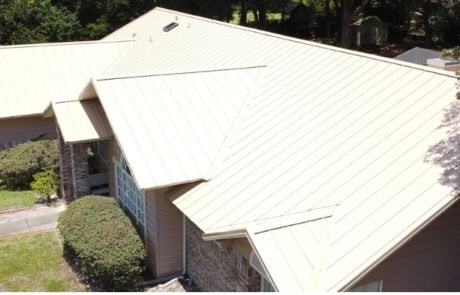
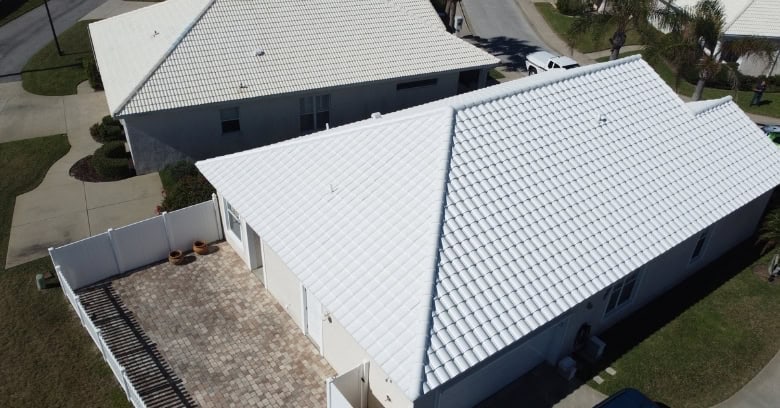
Metal sheets held by visible fasteners stay dry because of the gasket under each fastener, and a brittle washer gets replaced whole, never smeared with anything extra. Clay and concrete tile go down by more than one method, from mortar to foam to clips, and the underlayment handles the water, not the surface material.
A heavy step on an unsupported piece causes a crack, and a damaged unit gets lifted out and replaced with one of the same profile. On a low-slope section, standing water and open seams are the things to watch, and debris gets cleared from drains and scuppers.
Warning Signs Around a House: From the Yard or the Attic
- Coarse grains washing out after every rain, well beyond what a new roof sheds.
- Tab ends that curl instead of lying flat, in patches that widen every year.
- A vent seal that has pulled loose, above a bathroom or a kitchen exhaust.
- Discoloration on a bedroom ceiling, darker around the rim.
- Pinholes of light in the sheathing, spotted during a flashlight check.
- Moss on a shaded slope, growing thicker every spring.
- A wave running across a plane, seen best from across the street.
- Rust streaks below a metal joint, often after a hot summer.
Roofing Contractors Across Lee's Summit Missouri: How the Visit Works
Before anything gets suggested, a roofer takes in the whole covering and the attic together, and the evidence comes back as photographs and the verdict in writing. What is holding up gets stated as clearly as what is not, and the decision belongs to the homeowner, not the crew.
Roofing Contractors Around Lee's Summit Missouri: a Full Look, Not a Guess
Phone 913-398-5020 and book a visit to the property.
A Roof's Own History: Easy to Maintain
Noting when the covering went on, along with the brands used, is worth doing, and each report from a follow-up visit joins the same file. Including a line for every repair, the spot and the method, rounds out the picture, and after several years the weak spots become obvious.
When a house goes up for sale, a buyer's inspector asks about the roof, and paperwork with dates carries more weight than recollection. A second copy of the file, kept somewhere else, is worth having, since paper can be damaged or destroyed over the years.
Standards Worth Holding a Crew To: Quality You Can See
Courses run straight and the cuts along the rakes come out clean, and no nail head shows on the finished surface. At each wall and chimney, fresh metal gets set in as the flashing climbs higher, and caulk, where used at all, forms a thin, careful line.
The attic keeps intake and exhaust moving after the job, and the gutter runs finish straight and fastened. A final sweep with a magnet tidies the yard and drive, and sawdust near a cut line is the most common leftover once the work wraps up.
Anyone researching Roofing Contractors in Lee's Summit Missouri is one step away from a straight answer. A call to APC Roofing at 913-398-5020 sets the process moving. Every stop takes in the whole roof, not just the part in question, and nothing is left to guess at.
Verified

Verified