Thinking About Metal Roof Repair Within Lee's Summit Missouri?
APC Roofing puts up and mends screw-down sheet and clip-held panels, for houses as well as workshops and barns.
Dial 913-398-5020 and a roofer will come out and describe what the metal shows.
Sorting Out Types: Clues From Below
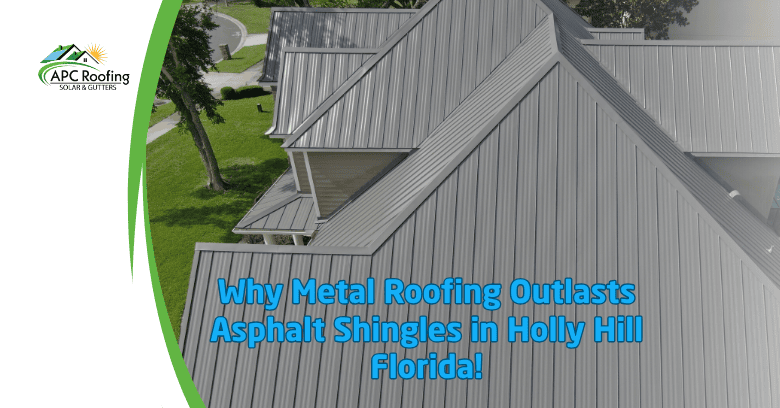
Corrugated and ribbed sheet is held down by screws driven straight through the metal, whereas standing seam hangs on clips hidden under tall ribs. Coated steel is what the great majority of metal-roofed homes carry, and aluminum and copper are less frequent choices.
Rows of fastener heads, visible from the street, give away a screw-down roof, and uninterrupted pans separated by raised folds mean standing seam. Pole buildings, sheds and porches frequently get ribbed sheet, and homes turn up with both.
Shapes Rolled Into Steel: Matching a Building
Corrugated sheet ripples in smooth, repeating curves, whereas ribbed kinds stand up in squared ribs with flat stretches between. Side by side, adjoining lengths overlap by one crest, and screw locations follow a published diagram.
Ribbed stock is stiffer and spans further between supports, and corrugated remains popular for a traditional farm look. A tall rib keeps heavy rain inside a channel on a broad roof plane, whereas a short porch covering gets by with a low pattern.
Exposed Hardware – Driven Right or Wrong
Each screw clamps a panel down onto wood or steel framing, and a gasketed washer under each head does the sealing. Sun and temperature swings dry out neoprene over time, though the coated metal nearby stays sound far longer.
Too much torque flattens a washer at once, and a slack or crooked fastener leaks on one side.
Swapping Out Hardware – Where Help Stops
On corrugated or ribbed sheet, every washer ages at one pace, so at some stage all seals get changed. Tired fasteners are pulled one by one, and a bigger diameter is driven in to grip where an old thread stripped.
Re-screwing with new washers fixes leaks at screw heads and snugs down sheets that flutter, though perforations, split laps and faulty trim remain as before. Replacements are chosen for whatever framing lies underneath, lumber or steel, and tops come painted to suit a colored finish.
A Covering in Motion: Why Slack Matters
Sunshine stretches steel slightly and a chilly night pulls the metal back, and a long run adds up to a measurable distance, and aluminum changes nearly twice as much. A tightly fixed panel enlarges fastener holes a little with every cycle, and seals start to fail.
Ticking heard as morning sun lands on steel is ordinary expansion, and a careful installation suffers no damage.
Anchoring Standing Seam – Laid in Sequence
A long pan is locked down at a single band, while clips on every other section permit movement. Trim at an unanchored end leaves a gap for travel, whereas a pan with no play lets go or distorts.
Clips are screwed to the deck along one edge of every pan as work proceeds, so nothing that holds the roof down is left exposed.
Quick-Fit or Heavy-Duty: Which Suits the House
A snap-together rib engages when an installer presses down, and heavier-duty versions are folded over by a motorized tool. A double-lock seam rides out storms and sheds pooled water, and a gentler pitch is allowed.
Every product line has distinct spacing and rib size, and building shape and personal taste steer a buyer. Hardware and trim are sold for one system only, so parts are not mixed between makers.
Stock Weight – Beyond Appearances
Panel thickness in steel is stated in gauge, and a smaller number means a thicker sheet. Twenty-nine is a regular sight on sheds and pole barns, while a dwelling generally takes twenty-six or twenty-four.
Aluminum sheet is measured in decimal inches, and in either metal thicker stock dents less and lies flatter. Standing in a yard, nobody can judge weight by eye, so a label or order sheet is what gets checked.
Factory Protection: When Damage Matters
Coil stock is dipped in molten zinc or an aluminum-zinc alloy, and an oven-cured primer and color coat are applied on top. Damage no deeper than paint is cosmetic, but an unprotected cut or a gouge to bare steel is where red rust starts.
PVDF systems keep color and gloss for decades, but silicone-modified polyester goes dull and powdery earlier. Lime in fresh concrete eats into an aluminum-zinc layer, and a separator goes wherever panels touch new brick.
Weighing Options: Matching a Location
Aluminum carries less weight and does not redden, but a dropped tool or a falling branch dents a soft sheet sooner. Along the coastal end of our service area, salt in the air shortens the life of zinc-based coatings, and makers restrict certain products near surf.
Copper turns up chiefly on bay windows, dormers and entry roofs, and left unpainted, the metal darkens with age.
Incompatible Neighbors: Treated Lumber and Wrong Screws
Runoff from copper eats through coated steel downhill, and a stain shows up before a leak does. Chemicals in treated lumber pit any aluminum resting on top, and an incompatible screw causes slow damage nearby.
Replacement flashing should come from a metal already present, or a separator tape sits wherever unlike metals meet.
An Appearance Question: Choices That Help
In trade terms, oil canning describes soft ripples across a broad flat between seams, and raking light early or late in the day brings out each rise and fall. Metal with a visible warp stays just as watertight, and the roof lasts no less.
Thicker metal, a slimmer width and striations rolled into every pan tame rippling, and careful handling on a true deck makes a difference. Pictures of completed homes give a sense of how visible oil canning gets, and the final pick is yours.
For People Inside: What Reaches Living Space
An outbuilding with bare framing under the metal makes a loud din in rain, since a single skin is the only barrier. A home has sheathing, a membrane and an insulated ceiling under steel panels, and in a living room few can pick out any change from shingles.
A light-colored panel sheds much of the sun's warmth, and the attic takes in far less. Dark finishes on metal get as hot as black shingles, and vents and insulation weigh as heavily as the choice of color. Metal loses daytime warmth shortly after the sun sets, and the attic below catches up before long.
Guards and Placement – Only Where Needed
At the colder end of our range, snow lets go of a metal surface easily, and a slab arriving all at once can injure someone or rip a gutter off. Retention bars keep a load up top to melt off gradually, and hardware sits over entries, paths and meters.
A standing seam roof gets brackets that squeeze an upright joint rather than pierce a pan, while screw-down sheet takes mounts fastened into framing with sealed screws, and where snowfall is rare, nothing is added.
Damage From Above: Documented Plainly
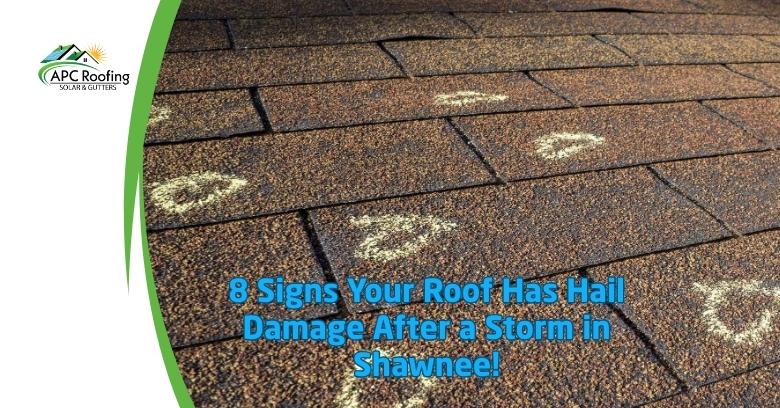
Hail is a fact of life at the colder end of our service area, and heavier grades with stiffening ribs shrug off more stones. A sharp blow that chips a color coat leaves metal bare to weather, and a trim piece pushed out of place can channel rain inside.
Once a storm has moved on, affected spots get photographed and measured, with every dent pinned to a location on the roof.
Holding On in a Gale – Rated Assemblies
Gusts tug harder at corners and along a perimeter, and air that gets under a loose edge can peel a sheet back. Finishing trim is hemmed and caught on a cleat for a whole run, leaving nothing for a storm to seize.
Fasteners go in closer together near corners and a roof's rim, as manufacturer tables call for at each site. At the coastal end of our territory, hurricane country asks for more holding power still, and only systems with a high wind rating qualify.
Vents and Stacks: Sealant as Backup
A round pipe receives a rubber or silicone boot molded to follow each rib, and a hole is cut in a flat, never across a crown. A chimney or skylight is built up on a curb with a cricket above, and water cannot pool at an upper edge.
Sealant backs up flashing and never stands in for folded metal, because sunlight dries and cracks sealing compounds within a few years.
Changes of Direction: Built to Drain
Each valley receives a wide flashing before panels arrive, and every sheet is trimmed on the skew. Each raw end is hemmed back and hooked onto a cleat, and fasteners stay clear of wherever rain concentrates.
Where a long run needs more than one length, a lap is sealed between layers, and uphill metal always goes on top, screwed through.
How Low Metal Can Go: Gentle Spots on a House
Corrugated and ribbed sheet usually needs around three inches of rise in every foot, and at anything less, rain creeps sideways across laps toward screws. Machine-folded seams go much lower, and a few products go almost to flat.
Houses frequently include a porch or wing with a gentle roof, and a measurement comes before any panel is named, and a part too low for any panel gets a membrane instead.
What Lies Underneath – Purlins on Outbuildings
Metal on a dwelling is installed over full sheathing, and a synthetic barrier made for high heat sits on top, because traditional felt degrades quickly up there. Pole buildings commonly have metal spanning between purlins with air below, and support distance dictates grade.
A stripped roof is probed, and weak sections are replaced, because screws in decay have nothing to grip.
An Overlay: What Has to Be True
Many building codes allow metal over a single layer of asphalt shingles, and noise and a dumpster are avoided. Steel panels weigh well under two pounds per square foot, and ordinary framing copes without trouble. An underlayment topped with a grid of furring strips goes over existing shingles, and clips or screws go down into solid structure.
A second layer already in place, soft decking or stains from past leaks mean a full tear-off, since dampness sealed beneath panels goes on rotting structural lumber.
Perimeter Details – Fillers and Trim
Shaped closures fill spaces under every rib at an upper line and a lower line, and rain, insects and birds cannot get under the panels. A ridge piece either breathes or is left solid, and attic airflow needs are what decide.
Trim at every rake plus a drip edge over a gutter finish a roof's border, and runoff is steered clear of a fascia board.
Working at Height: Where to Step
A seamed panel comes off a forming machine cut to the length of a run, so a single piece covers eave to ridge without an endlap. A long panel calls for several people spaced along the metal, and a pan that gets bent should not go on the roof.
On panels, a step belongs in a flat above a purlin or deck, as a seam under a boot can bend open. Wet or dewy panels offer almost no grip, so climbing up for a look is unwise.
Warning Signs: Easy to Notice
- Orange halos at fasteners, just above a gutter line.
- Hardware sticking up, on a south exposure.
- Flashing flapping in a breeze, facing prevailing wind.
- A collar gapping around a stack, beside a chimney.
- Red streaks at a raw end, at the bottom of a run.
- Blotchy color, on a south exposure.
- Water marks lined up on drywall, down a hallway.
- A gap along a rib, beside a hip.
How APC Roofing Goes About Metal Roof Repair in Lee's Summit Missouri: Our Routine
We begin by figuring out which system is up there and how the panels are anchored, and next come screw locations, perimeter trim, pipes, valleys and overlaps. Notes cover gauge, finish and every kind of hardware, and from inside, the attic shows any old leaks.
Every finding goes into a report with images, and each repair is explained. If a covering needs only new screws, we say exactly that, and a roof at the end of service life is named as such.
Metal Roof Repair Across Lee's Summit Missouri – Straight Answers
Reach us at 913-398-5020 and someone will arrange to stop by.
Saving What Is There – When a Tear-Off Makes Sense
A single ruined panel can come out and a sound panel go in, though new metal looks brighter than weathered neighbors. A properly resealed lap closes a drip, while re-fastening cures aged washers.
Rust through sheet after sheet calls for a new covering, and a covering the wind has twisted out of shape is in the same position. A partial job on just one side is sometimes a sensible middle course, as long as nothing else shows wear.
Planning Ahead: Watching Details
A well-built steel covering commonly serves forty years or more, and every estimate is approximate. Concealed-clip panels require less upkeep because no rubber seal sits in the sun, while corrugated and ribbed sheet calls for fresh screws in time.
Copper runoff, bare edges and caulked joints where flashing belongs shorten the life of a roof, and a periodic look finds problems while minor. Pine needles packed into a valley trap water against coated steel, so clearing debris away helps paint last.
When you are weighing Metal Roof Repair in Lee's Summit Missouri, dial APC Roofing at 913-398-5020. Every screw or clip, edge and boot gets a close look, and a written report puts options in front of you.
Verified

Verified