In Need of Metal Roof Repair in Kissimmee Florida?
APC Roofing works on ribbed sheet and concealed-clip panels alike, on houses, garages, porches and outbuildings.
Reach us at 407-270-1129 and a roofer will come out and describe what the metal shows.
Sorting Out Types – A Glance Up
Screw-down panels, corrugated or ribbed, are fastened with screws through the exposed metal, whereas standing seam hangs on clips hidden under tall ribs. Steel with a protective coating covers most houses that have metal, while aluminum and copper account for a minority.
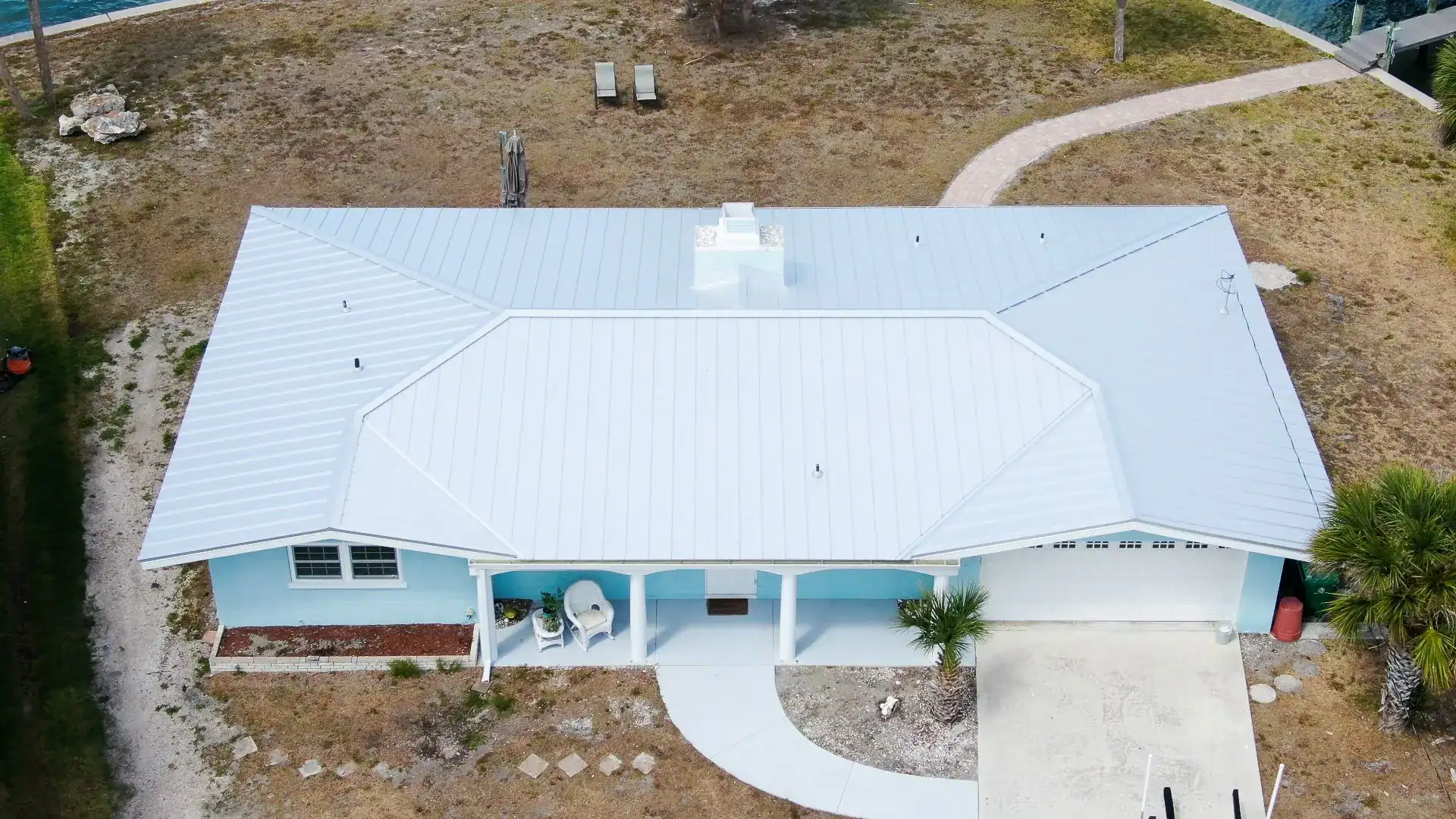
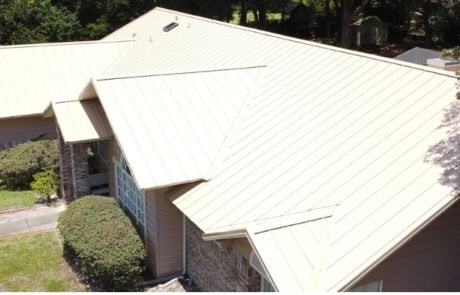
Screw heads marching in rows, easy to spot from below, point to exposed fasteners, and smooth pans between tall ribs with nothing poking through are standing seam. Pole buildings, sheds and porches frequently get ribbed sheet, while residences take either style.
Rolled Shapes: Matching a Building
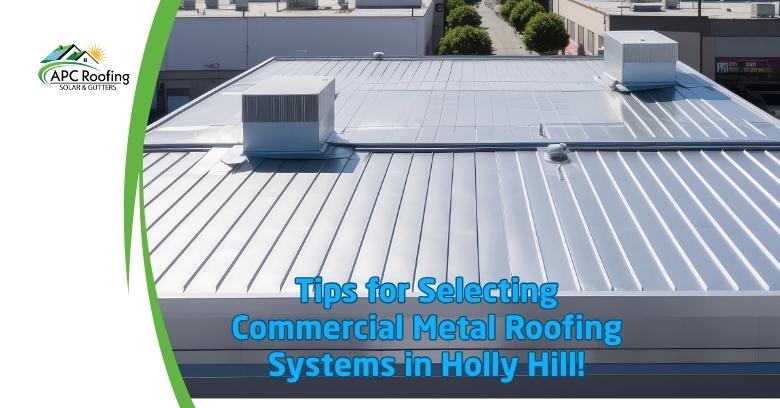
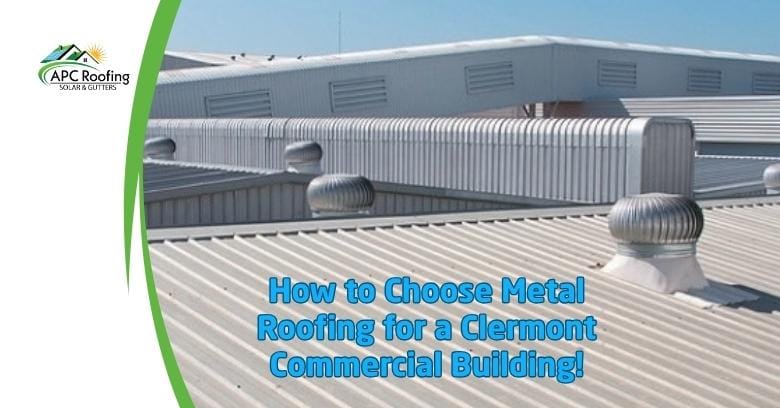
Corrugated sheet rises and falls in rounded, evenly spaced waves, and a ribbed panel has trapezoid ribs separated by broad pans. Adjacent lengths share a narrow side lap, and fastener placement follows a published pattern.
Ribs make a stiffer panel that crosses longer spans, and corrugated suits older buildings and a farmhouse look. Rib height governs how much water a long slope can move, while a low pattern handles short runs like a porch or lean-to.
Fasteners in the Open – Why Installation Matters
Each screw clamps a panel down onto wood or steel framing, and a washer under each head stops water getting in. Years of sun and heat stiffen synthetic rubber until cracks form, well ahead of the painted steel nearby.
Driving a screw past snug crushes a washer and dimples the metal, and a shallow or off-square setting never seals fully.
Fastener Replacement: Worth Doing, With Limits
Every washer across a ribbed or corrugated field weathers at the same rate, so eventually a full new set of seals is needed. Tired fasteners are pulled one by one, and a wider replacement goes back in where threads can still find purchase.
Re-fastening stops water at every head and holds down sheets that lift, but corrosion, parted laps and bad flashing are left as found. Screw style depends on what lies beneath, with coarse threads for wood and self-drilling tips for steel, and a painted cap keeps new work inconspicuous.
Expansion and Contraction – Built to Allow Travel
Sunshine stretches steel slightly and a chilly night pulls the metal back, and a long run can gain a quarter inch between noon and midnight, while aluminum goes about double. A tightly fixed panel enlarges fastener holes a little with every cycle, and seals start to fail.
Popping and clicking on a sunny morning is expansion at work, and a roof built with slack is unharmed.
Attachment Beneath Folded Seams – Out of Sight
Every lengthy pan is secured firmly in only one zone, and floating clips farther along give the metal freedom to shift. Trim at an unanchored end leaves a gap for travel, whereas a pan with no play lets go or distorts.
As a pan is laid, clips are driven into the deck along one leg, so each new pan conceals all hardware below.
Quick-Fit or Heavy-Duty: Choosing Between Options
A snap-together rib engages when an installer presses down, and mechanical versions are turned over with a powered seamer. A double-lock seam rides out storms and sheds pooled water, and published ratings run down to lower slopes.
Pan width and rib height vary from product to product, and a choice depends on the home and a preferred style. Closures, clips and flashings match one panel only, so a repair calls for knowing exactly which panel is up there.
Stock Weight – Beyond Appearances
A steel panel is rated by gauge, and a lower figure means more metal per sheet. Outbuildings commonly get twenty-nine, while a dwelling generally takes twenty-six or twenty-four.
Aluminum sheet is measured in decimal inches, and with either metal, a stouter panel holds shape. From the ground, light and heavy metal look alike, so printed product data gives a firm answer.
Protection Built In – Aging in Sunlight
Coil stock is dipped in molten zinc or an aluminum-zinc alloy, and an oven-cured primer and color coat are applied on top. Scrapes confined to paint are harmless, but an unprotected cut or a gouge to bare steel is where red rust starts.
PVDF systems keep color and gloss for decades, but silicone-modified polyester goes dull and powdery earlier. An aluminum-zinc surface is damaged by contact with fresh mortar, so panels are kept away from a new chimney or stone wall.
Picking an Alloy: Salt Air
An aluminum panel is light and immune to red rust, but a dropped tool or a falling branch dents a soft sheet sooner. Close to salt water, at the coastal end of our range, metallic coatings break down faster, so a marine-rated system often goes up near a beach.
Copper is usually kept to small accent roofs over a bay or a porch, and left unpainted, the metal darkens with age.
Metals That React: A Slow Chemical Fight
Rain rinsing off a copper detail wears through coated steel downhill, and a dark streak shows long before any hole. Aluminum laid against treated lumber corrodes at every contact point, and a bare steel screw in soft sheet breaks down too.
Replacement flashing should come from a metal already present, or tape and membrane keep dissimilar metals from meeting.
An Appearance Question: Choices That Help
Oil canning is a gentle waviness across the flat of a standing seam pan, and a sun low in the sky exaggerates every contour. A panel that looks uneven sheds rain as well as a perfect sheet, and nothing shortens the life of the roof.
Stiffening ribs, a stouter grade and a smaller pan width lessen waves, and an even deck beneath helps as well. Photographs of finished houses show how noticeable oil canning can be, and the decision on profile rests with you.
Indoor Comfort: What Reaches Living Space
A racket many recall comes from sheet over open framing, since a single skin is the only barrier. On a house, a solid deck, underlayment and ceiling insulation sit below the panels, and loudness indoors is close to what asphalt gives.
A pale or cool-pigment coat sends much of the sun back, so upstairs spaces bake less. A charcoal or black panel gets hot, and without venting and insulation, color alone does little. After sunset, metal sheds stored warmth quickly, so upstairs rooms settle sooner at night.
Holding a Load Up There: Position Matters
At the colder end of our range, snow lets go of a metal surface easily, and a whole mass may come down at once on anything under an eave. Rows of cleats hold a load back until melting clears the roof, and typical spots are above doors, walks, decks and gas meters.
For standing seam, bolted clamps grip each upright joint, whereas corrugated panels get mounts anchored through to purlins, and where snowfall is rare, nothing is added.
What Ice Does: What a Hit Can Open
Hail is a fact of life at the colder end of our service area, and a heavier gauge or striated pans resist dents better. A sharp blow that chips a color coat leaves metal bare to weather, and a bent seam or a dislodged trim piece can let water in.
Once a storm has moved on, affected spots get photographed and measured, and the depth of each dent is gauged.
Holding On in a Gale – A Denser Pattern
Gusts tug harder at corners and along a perimeter, and once air slips under an unsecured edge, pressure can roll the metal up. Finishing trim is hemmed and caught on a cleat for a whole run, and nothing is left free to flap.
An attachment pattern grows denser toward every corner, as manufacturer tables call for at each site. At the coastal end of our range, where hurricanes come ashore, rows of screws draw in further, and only systems with a high wind rating qualify.
Breaking Through the Metal: Sealant as Backup
A pliable-based collar is shaped to fit a panel and clamped onto a pipe, and placement is down in a pan rather than on a crest. Square penetrations take a curb and a cricket on a high side, and water cannot pool at an upper edge.
Caulk plays a supporting role to folded metal, since weather hardens and splits any compound long before the panels are done.
Where Slopes Meet – No Screws in the Water
Each valley receives a wide flashing before panels arrive, and every sheet is trimmed on the skew. Ends are hemmed and held by cleats, so no hole sits where runoff gathers.
An endlap on a long run holds sealant between overlapping sheets, and fasteners pass through both thicknesses, with uphill metal on top.
How Low Metal Can Go: Where Membrane Takes Over
Most ribbed sheet is specified for about three in twelve or steeper, and on a gentler slope, overlaps start to let water through. Mechanically seamed panels are approved much lower, and a few products go almost to flat.
Porches, additions and back rooms often carry a barely tilted section, and a measured angle decides what goes on, and an area that metal cannot serve is given a membrane.
What Lies Underneath: Rot and Spacing
A house takes panels on a solid, continuous deck, and a high-temperature synthetic underlayment goes between, because traditional felt degrades quickly up there. On a barn or shop, panels often span open purlins, and support distance dictates grade.
Once an old covering comes off, spongy sheathing is found and swapped, since a clip in decayed wood holds nothing.
Leaving the Old Roof in Place: Light Enough to Add
Where code allows, metal can be installed over one layer of shingles, and a yard is spared tear-off debris. Steel panels weigh well under two pounds per square foot, and ordinary framing copes without trouble. Furring strips and a new underlayment go down over existing shingles, and screws reach through into solid wood.
A second layer already in place, soft decking or stains from past leaks mean a full tear-off, because a problem covered with steel keeps growing out of sight.
Completing the Job – Fillers and Trim
Shaped closures fill spaces under every rib at an upper line and a lower line, and driving rain and wasps are blocked. A ridge piece either breathes or is left solid, depending on how an attic is ventilated.
Rake trim, drip edge and an apron into a gutter close off a roof's outline, and water falls clear of fascia instead of running behind.
Day of Installation – Sheet by Sheet
Standing seam is produced to fit each run from bottom to top, and one pan spans eave to ridge with no joint across. A long panel needs several people to steady the metal on the way up, and a crimped or creased pan is no longer usable.
On panels, a step belongs in a flat above a purlin or deck, because a raised joint dents and deforms under load. Morning dew alone can make metal treacherous, and a homeowner is better off staying on the ground.
Signs Worth a Call – A Look From Below
- Rust rings around screw heads, near the top of a run.
- Loose screws riding high, on a south exposure.
- A peeled drip edge, above a porch.
- A collar gapping around a stack, on a back slope.
- Corrosion along a cut, at a hip.
- Uneven fading, on a sunny slope.
- Water marks lined up on drywall, in a garage.
- An endlap gaping, at the low end of a panel.
APC Roofing and Metal Roof Repair in Kissimmee Florida: Our Routine
We begin by figuring out which system is up there and how the panels are anchored, and then every screw or clip, edge, opening, valley and lap is checked. We note thickness, coating and hardware along the way, and from inside, the attic shows any old leaks.
What we find goes into a report with photographs, and a reason sits beside every recommendation. Where a reseal will do, a reseal is what we propose, and a finished roof is described without softening.
Metal Roof Repair for Property Owners in Kissimmee Florida – Straight Answers
Call 407-270-1129 and we will book a day that suits you.
Deciding on Scope: Guided by Evidence
A single ruined panel can come out and a sound panel go in, although new paint never quite matches older metal. New sealant at a lap ends trouble at an overlap, while re-fastening cures aged washers.
Once red rust has eaten through large areas, patching no longer makes sense, and a covering riddled with failed seams is no better off. Sometimes one weathered side is re-covered alone, when damage stays in one place.
Aging Gracefully – Upkeep Matters
Good metal work frequently reaches forty years, though any figure is an estimate, not a promise. Concealed-clip panels require less upkeep because no rubber seal sits in the sun, while corrugated and ribbed sheet calls for fresh screws in time.
Dissimilar metals, raw edges and sealant used instead of proper flashing wear out a covering ahead of schedule, and a periodic look finds problems while minor. Piles of leaves behind a chimney keep a patch of metal damp for days, so getting debris off the panels is worth the effort.
Before deciding on Metal Roof Repair in Kissimmee Florida, get hold of APC Roofing at 407-270-1129. Someone will go over every panel, fastener and piece of trim, and a write-up leaves every decision in your hands.