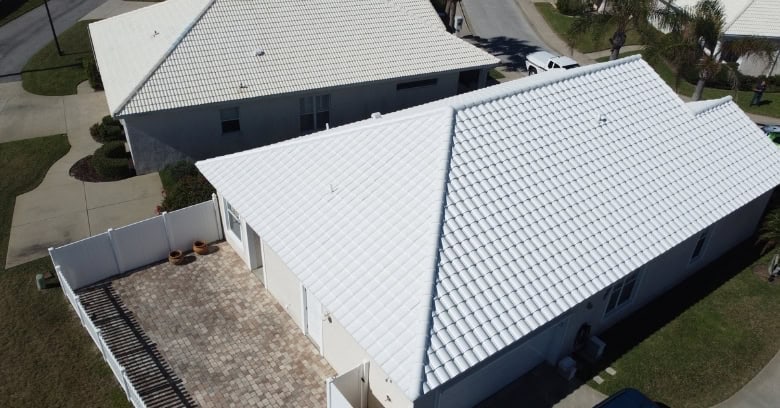
In Search of Roofing Services in Kansas City Missouri?
APC Roofing handles everything from a simple checkup to a full replacement, across shingle, metal and tile coverings.
Phone 913-398-5020, and a roofer schedules a visit to look at the house.
What a Roof Is Made Of: the Working Structure
What shows from the curb is just the outer layer, and underlayment, decking and rafters sit beneath the surface. Bent metal covers the gap at a chimney, a pipe or a valley, and trouble nearby seldom means a failure in the surrounding shingles.
Airflow through the attic belongs to the roof system as much as any material, since heat and humidity held there wear down the wood and covering overhead. A brown mark on a ceiling can originate at any level of the roof, and work confined to the outside can miss the real source.
The Jobs a Roof Performs: More Than Meets the Eye
The slope on the building sends runoff toward the gutters, while the fastening pattern stands up to uplift. The rafters and the deck carry the weight overhead, snow included at the colder end of our territory, while vents give damp attic air a way out.
The covering deals with water, and nails and seal strips deal with wind, and holding the whole thing up falls to what is underneath. A failure in one part puts pressure on neighboring parts, so the trail gets followed back before anything gets mended.
The Minor Pieces of a Roof: A Shorter Story
A field of sound shingles can go for decades, but the rubber boot at a drain stack wears through much earlier. Rain finds a way down past the weak point, and paint bubbles on the ceiling below.
A line of caulk at a chimney shrinks with every hot season, and metal flashing rusts at bends and cut ends. Cap shingles break along the seam, because wind and weather strike the peak harder than the slopes below.
Spotting Trouble Without a Ladder: Before Anyone Climbs
From the driveway, the outline of the roof shows dips, sags and wavy planes, and the eave boards and downspouts can be sized up as well. A zoom lens singles out torn collars, lifted tabs and bare patches, but a weak spot underfoot tells what optics cannot.
On the slope, a roofer works over every pipe connector and traces each flashing run, and the shingles are checked for brittleness and thin spots. A rain-slicked or very steep covering stays off limits underfoot, and the eave line, reached by ladder, becomes the vantage point.
Above the Ceiling: Evidence to Look For
A dark ring on the sheathing shows water has come through, and a clammy touch means the problem is ongoing. Light passing through the decking reveals a breach, and the spot gets pinned down by distance from the ridge, ready for the outside check.
Rust on the nail shanks comes from moisture in the house, not rain, and a flattened, discolored patch nearby carries the same message. A soffit choked with insulation, or a bath fan venting into the attic space, is spotted only from inside, so a street-level glance never catches faults of that kind.
The Follow-Up Paperwork: the Basics
Each finding is recorded with a photograph tied to a place on the roof, and a line of text says what each image shows. What is holding up gets named as clearly as what is not, and trouble spots are ranked from most to least urgent.
A report kept on file lets the next check be measured against a known starting point, and how the covering is aging shows up better than a single day's reading. A roof checked on a steady yearly cycle seldom surprises the owner, and the signs of a major repair appear well before the job becomes pressing.
Seasonal Shingle Maintenance: Small Jobs, Done Often
Vent collars get replaced before splitting, and aging caulk at skylights gets cut out and redone. Pine straw and twigs get picked out of the valleys, and every outlet gets checked for an open path.
A raised corner glued down in time stays a simple repair, but putting off that step through storms can end in a drywall stain. A mat of moss holds water along the lower edges, and the growth gets treated and brushed off, never pressure-washed.
Staying Ahead of Trouble: The Payoff
A roofer's walk-through belongs on the calendar every year, scheduled once the harshest stretch of local weather has passed. Catching things early is the whole point of a regular check, and nobody is left guessing about the roof's condition.
Between checks, a glance from the lawn after a storm is useful, and upstairs ceilings deserve a look for new marks. Climbing to the attic hatch with a flashlight twice a year is a smart move: dark spots, daylight and matted insulation turn up long before anything travels any further.
The Age of a Roof Seen From the Ground: From New to Worn
Newer asphalt lies smooth and uniform in tone, and past the midpoint the south-facing side lightens ahead of the others. Near the end, corners curl and granules gather in the gutters, and mending one area seems to open another.
Judging from the street supplies a reasonable idea, but a roofer nearby will always see more. A covering that has reached the end of a normal service life raises a replacement question, and a good contractor gives that answer plainly, rather than selling another repair.
The Channel's Part in the System: The Stakes Explained
A sloped roof delivers water only to the eave, and the gutter picks up the flow at the edge. A clogged or sagging channel pushes water back behind the fascia, and the framing at that spot decays.
A weak patch there usually traces to a stopped-up drain, not the shingles, and replacing the roof leaves the real cause untouched. The direction of fall along each gutter gets checked, together with the outlets, and the drip edge gets looked over where the metal meets the fascia line.
Why the Area Above Needs to Work Right: How the Design Works
Fresh air is meant to come in at the soffits and exit along the ridge, and the flow sweeps trapped heat and vapor out of the space. With the opening closed, the attic turns hot in summer and clammy in humid months, and the tabs curl and the plywood softens ahead of schedule.
Adding roof openings without matching intake draws air from the rooms beneath, and one high point pulling toward a nearby high point can choke flow at the soffits. Swapping the surface with the vents untouched repeats the same problem, so the underlying cause gets addressed in the plan for the new roof.
Roofing That Fits Where You Live: Set by What's Nearby
Where winters bite hardest at the colder end of our territory, ice at the edge shapes the details, and a waterproof membrane covers the bottom few feet of deck. Near the coast, wind pressure sets how every panel gets nailed, and hurricane-rated edges and sealed flashing get specified.
In the hail-prone part of our range, at the colder end, a tougher product deserves a look, while ultraviolet light ages granules in every market we serve. Every material choice answers to the weather at that house, not habit or a standard default.
Family Homes and Business Buildings: Different Demands
A sharply angled pitch sheds water course over course, laid in asphalt, tile or metal. A store or warehouse shelters under a nearly flat, sealed membrane, and drains, scuppers and rooftop units sit built into that surface.
Plenty of residences include a shallow section over an addition, and shingles there tend to leak because water lingers before running off. A low spot like that needs a continuous membrane tied in beneath the main covering, and another layer of shingles there brings back the same problem.
Covering an Open Roof: What Lasts a Few Weeks
A sheet shields a gap for a little while, but the trouble below stays untouched. A properly installed cover wraps the ridge and gets pinned under wood strips, and the material gets pulled taut so wind cannot get behind the edge.
Extra reach past the opening matters on any temporary cover, as driven rain works in wherever an edge falls short. A membrane left up too long traps moisture against the covering, and the shingles beneath start to deteriorate.
The Detail Where a Roof Meets Something Upright: an Explanation
Every course against a wall gets a dedicated step-flashing piece, and trim set higher up sheds water past that metal. A chimney has an apron below and metal run up against both edges, and a wide stack gets a cricket built into the slope nearby.
Sealant slathered on a weak spot lets go as the metal expands and contracts, so a fresh tie-in, installed correctly, is the dependable way to go. A failing chimney crown lets moisture into the stack above the roofline, and some leaks like that need a mason as well as a roofer.
The Written Scope: a Careful Look Before the Ink Dries
A clear plan identifies every material, from the shingle to the metal, by name, and the document states whether the old covering comes off. A firm outline settles ahead of time how bad wood gets handled, and new metal, vents and the cleanup work appear as separate items.
Offers from different contractors can be weighed point for point, and the true difference between the two shows plainly. A firm unwilling to resolve the plan in advance is telling an owner something, since a handshake settles nothing once a dispute starts.
Redoing an Aging Roof: the Basic Sequence
Shrubs, flower beds and the driveway get protected ahead of the work, and the existing layers get torn off into a dumpster. The bare deck gets checked plane by plane once the old covering is off, and rotten sections get rebuilt before anything gets put back down.
Underlayment, new metal and ice-and-water membrane go on across the open deck, and shingles or panels, capped at the ridge, complete the installation. A magnetic sweep covers the yard and the drive at the end of the workday, and no debris gets left in the gutters.
Beyond the Shingle Roof: Particular Needs
A metal system with exposed fasteners relies on the gasket beneath every fastener, and a worn spot gets cured with a new screw rather than caulk. Based on the house, tile may be mortar-set, foam-set or clipped directly, and the layer underneath carries the job of shedding water.
A heavy step on an unsupported piece causes a crack, and a damaged unit gets lifted out and replaced with one of the same profile. On a low-slope section, standing water and open seams are the things to watch, and leaves get removed from the outlets regularly.
Signs Worth a Closer Look: Easy to Act On
- A buildup of shingle granules in the drainage, long after the covering was installed.
- Shingle edges cupping upward, on planes that face the afternoon sun.
- A split rubber collar around a plumbing vent, easy to spot with binoculars.
- Paint blistering overhead after a storm, close to an outside wall or a chimney.
- Light glowing between the planks, wherever nothing should show through.
- Moss on a shaded slope, in spots that stay damp longest.
- A hollow spot in an otherwise even stretch, often pointing to trouble in the deck beneath.
- Gaps opening where flashing meets siding, easy to spot from the yard.
Roofing Services Near Kansas City Missouri: How APC Roofing Works
Before anything gets suggested, a roofer takes in the whole covering and the attic together, and the results come back as images plus a short written summary. Good sections get the same plain treatment as problem areas, and the homeowner decides what happens from there.
Roofing Services Around Kansas City Missouri: Straight Answers About the Roof
Get in touch at 913-398-5020 to arrange a visit on site.
An Archive for the Roof: A Short List
Saving the install date and the product names on the invoice pays off later, and every yearly report can go into the same file. Including a line for every repair, the spot and the method, rounds out the picture, and a decade on, the trend stands out clearly.
A buyer's home inspector almost always asks about the roof's history, and a documented account settles the matter later. A second copy of the file, kept somewhere else, is worth having, since a spill or a move should not be able to wipe out everything.
Standards Worth Holding a Crew To: Details to Check
The lines run true from eave to ridge, with rake cuts trimmed sharp, and every fastener stays hidden under the shingle above. The wall joints carry new flashing, tucked to match the way water runs, and caulk, where used at all, forms a thin, careful line.
The soffit vents breathe freely and the ridge vent stays clear, and the gutter runs finish straight and fastened. The property gets checked with a magnet for stray fasteners, and sawdust from a trimmed board is the most common leftover, easy to rinse from a walkway.
Anyone weighing choices for Roofing Services in Kansas City Missouri has one straightforward next step. A call to APC Roofing at 913-398-5020 puts a roofer on the calendar. Every visit looks at the roof as a whole, not one spot alone, and nothing is left to guess at.
Verified

Verified