The storm cleared out overnight. This morning there are leaves and twigs plastered to the driveway, a few shingle pieces in the flower bed, and you can’t tell from the yard whether your roof is fine or in trouble. If you’re dealing with roof storm damage in Kansas City, the first thing you need is a clear picture of what happened up there.
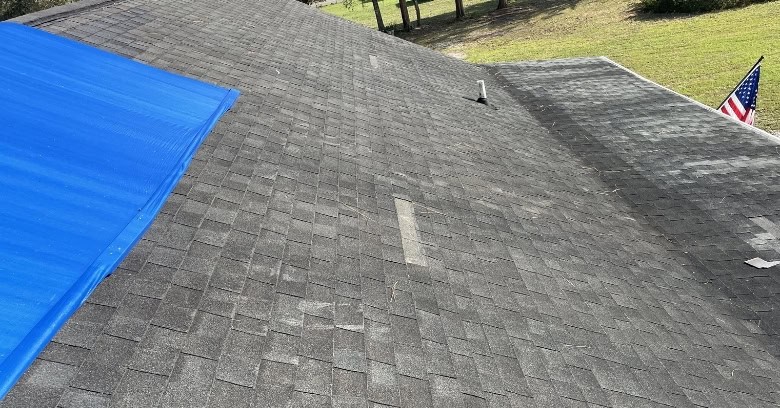
That’s harder than it sounds. Hail damage often doesn’t leak for months. Wind damage can hide under shingles that still look flat from the ground. Meanwhile, door hangers start showing up from companies you’ve never heard of. You want an honest answer from someone who’ll still be around next year.
APC Roofing is GAF Certified, licensed and insured, and has been in business since 2017. Your storm damage inspection is free, and you’ll get photos of everything we find.
Four kinds of roof storm damage in Kansas City
Kansas City sits right where warm Gulf air runs into cold fronts from the north and west, so the metro gets a little of everything. Each kind of storm hurts a roof in its own way, and knowing which one you’re dealing with helps you ask the right questions.
Hail
Spring and early summer storms can drop hail across whole neighborhoods in a few minutes. On asphalt shingles, hail knocks granules loose and can bruise or crack the mat underneath. Those spots age faster and may start leaking a season or two later. Look for dents in gutters, downspouts and metal vent caps, and for granules washing out of the downspouts. Our hail damage roof repair page goes deeper.
Straight-line wind
Thunderstorm winds don’t need to be a tornado to do damage. Strong gusts catch shingle edges, break the seal strips that hold each shingle down, and fold them back. A creased shingle may lie flat again afterward but won’t hold in the next storm. Damage tends to show up first at corners, rakes and ridges. See wind damage roof repair for the signs.
Fallen trees and limbs
If your house sits under big shade trees, this is the storm damage to watch for. A heavy limb can crack decking or rafters even when the shingles over it look mostly intact. If a limb is resting on your roof, keep everyone off it and away from any downed power lines.
Ice storms and winter weather
Freezing rain loads the roof and the gutters with weight, and ice can pull gutters loose from the fascia. Repeated freeze-thaw cycles also let water work into small cracks around flashing and chimneys, then widen them. When attic heat melts snow, the water can refreeze at the colder eaves and back up under the shingles.
Storm damage or normal wear?
This matters, especially if you’re thinking about an insurance claim. Insurance policies generally cover sudden damage from a storm, not the slow wear that comes with age. Curling shingles across an older roof, or a leak that’s been growing for years, usually reads as wear.
A good inspection tells the two apart and documents the difference with dated photos. That way you’re not filing a claim that won’t hold up, or missing one that should.
What to do in the first day or two
- Stay off the roof. Wet shingles and hidden damage make it dangerous.
- Take photos from the ground and of any interior stains or drips.
- Move belongings away from leaks and catch dripping water.
- Hold on to any pieces of shingle or metal that came down.
- Check your policy for any deadline to report damage.
If water is actively coming in, call us at 913-398-5020 and we’ll talk through your options.
Storm damage and your insurance claim
You file the claim with your insurance company, and you pay your own deductible. We inspect the roof, document the damage with photos, write you an estimate and can be there when your adjuster comes out, so nothing gets overlooked. The claim itself stays between you and your insurer. Be wary of anyone who offers to waive or cover your deductible. That’s not allowed in Missouri. You can read more on our insurance roof claims page.
How it works with APC Roofing
- Book your free inspection. Call or request a time online. We’ll check the shingles, flashing, vents, gutters and attic, not only the spot you noticed.
- Get a clear, honest assessment and estimate. You’ll see photos of what the storm did, and you’ll hear whether it calls for a repair, a full storm damage roof repair or nothing at all.
- Your roof gets done and the site gets cleaned up. Many residential roofs are finished in a single day, and the crew cleans up before leaving.
Waiting usually costs more. A cracked shingle or lifted flashing can let water into the attic a little at a time, and it may be months before a stain shows up on a ceiling.
Kansas City storm damage questions
How do I know if the storm damaged my roof?
Dents in gutters and vents, shingle pieces in the yard and granules in the downspouts are the common clues. Many kinds of damage can’t be seen from the ground, so a free inspection is the surest way to know.
My neighbors are getting new roofs. Do I need one too?
Not necessarily. Homes on the same street can take very different damage depending on roof age, direction and trees. Your roof gets judged on its own condition.
How soon should I have my roof looked at?
As soon as you reasonably can. Earlier photos make damage easier to tie to a specific storm, and they catch small problems before they turn into leaks.
Do you repair storm damage on metal and flat roofs?
Yes. We inspect and repair shingle, metal, tile and flat roofs, and we’ll tell you if the damage is cosmetic or affects how the roof performs.
A roof you can stop worrying about
Call 913-398-5020 or book your free inspection online. When the next line of storms rolls across the metro, you’ll know your roof is sound, the paperwork is in order, and the bill held no surprises.